Cement Clinker Grinding Plant
Cement Grinding Plant Cost: Complete Investment Guide
2026-09-10 08:05:24
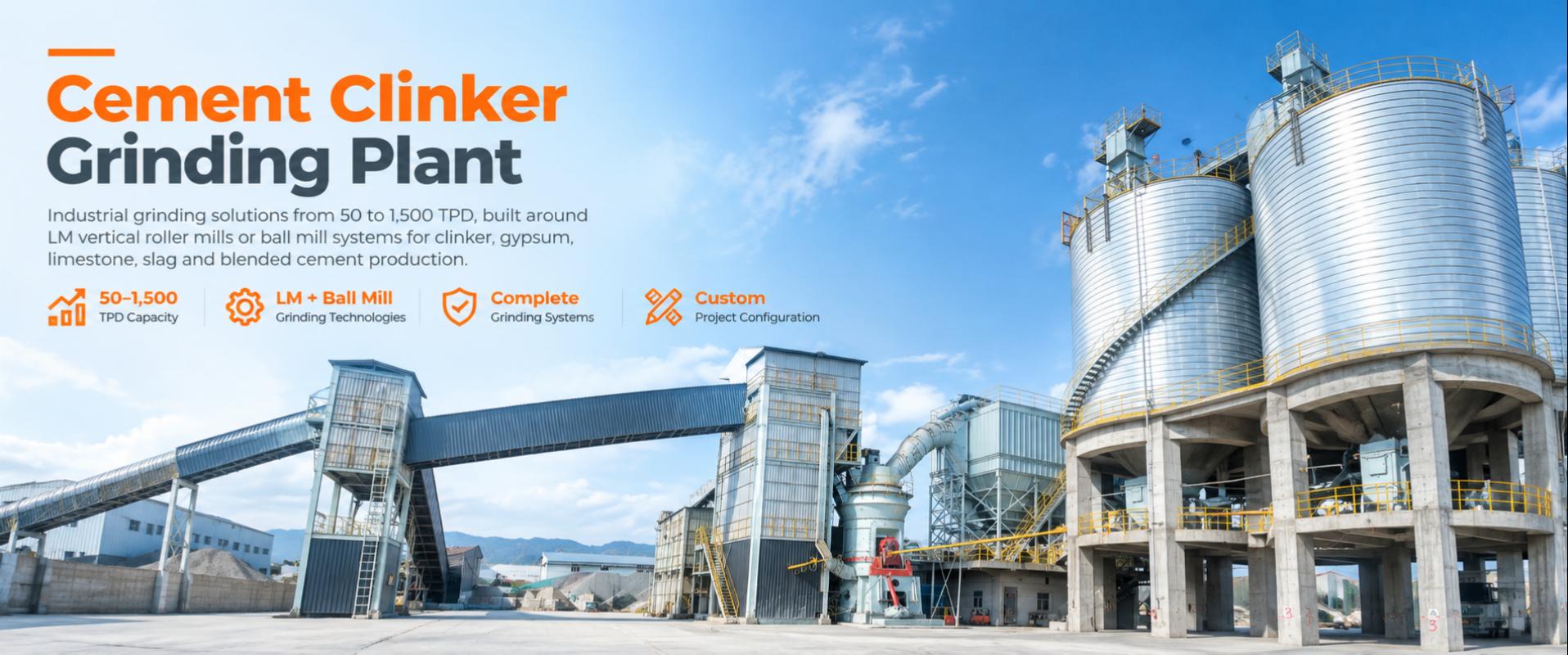
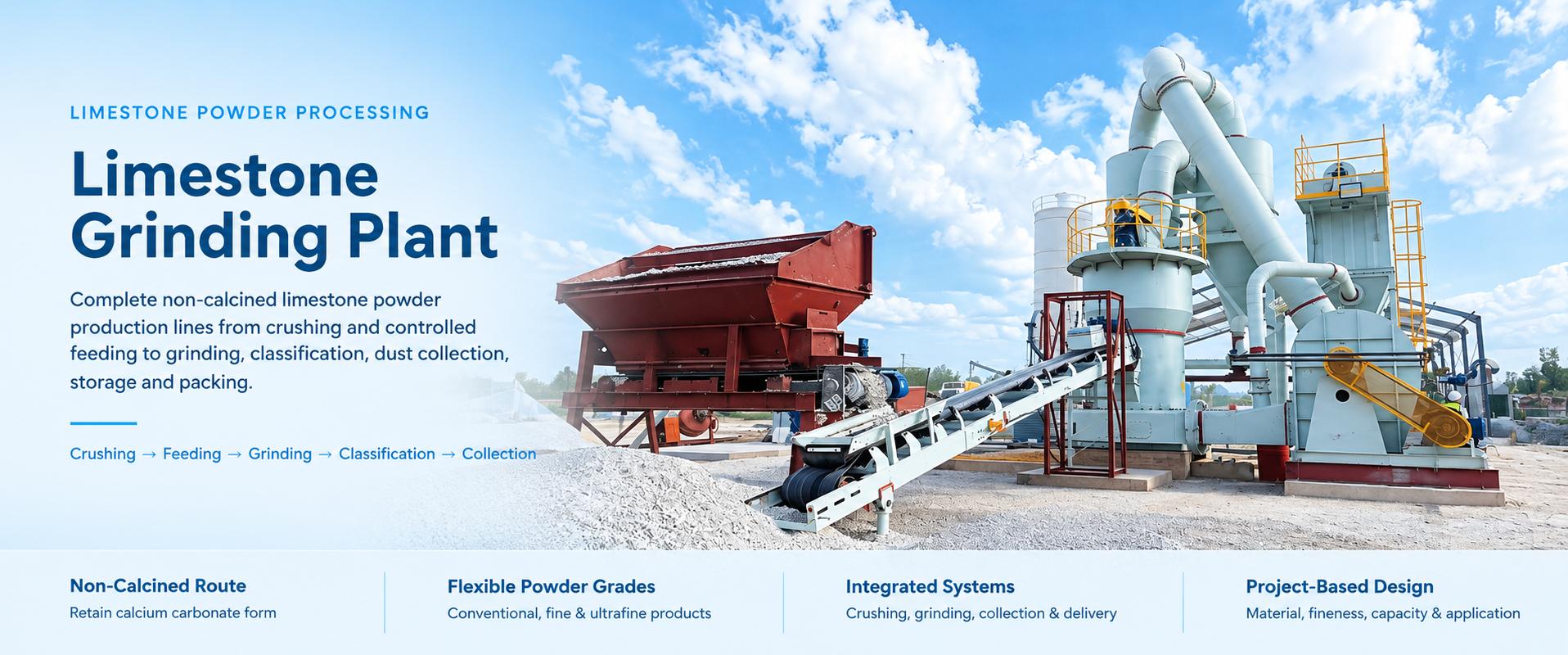
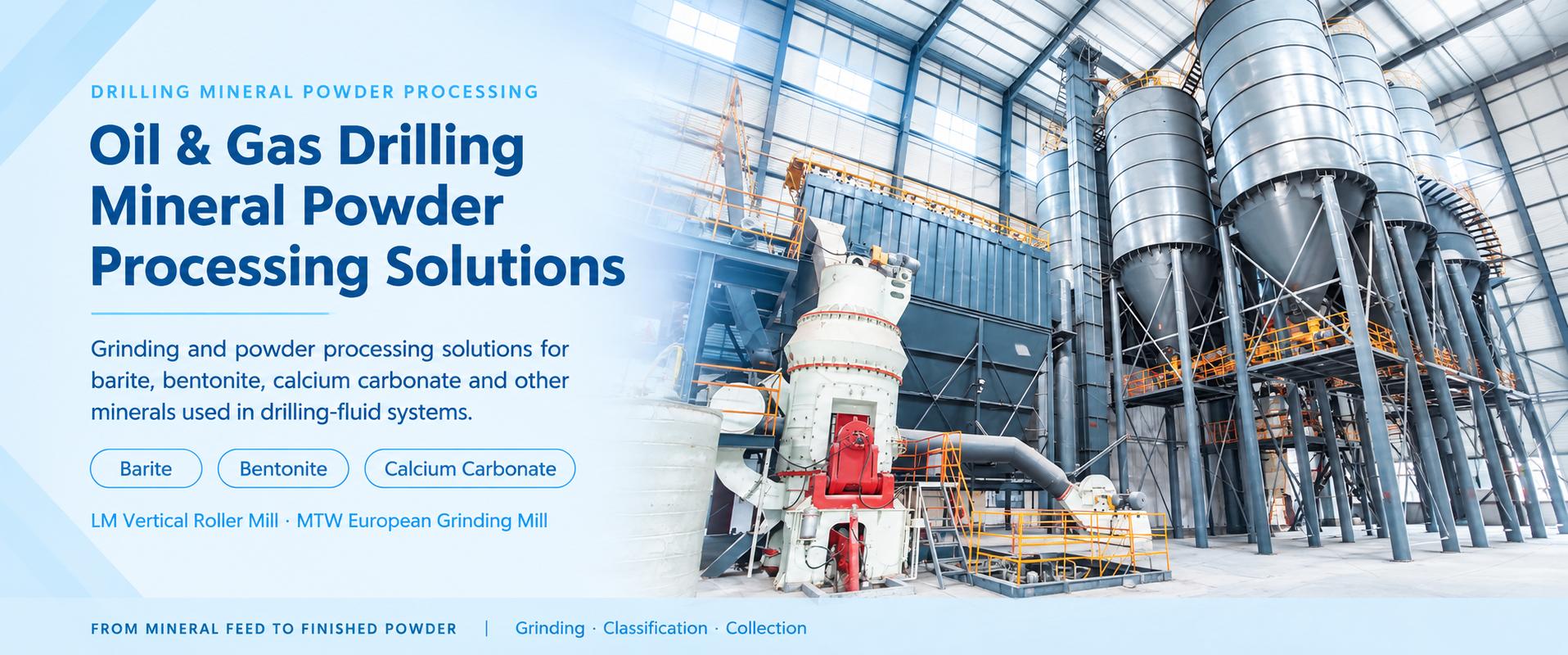
A cement grinding plant is a complete industrial system for producing finished cement by grinding clinker with gypsum and, depending on the product specification, limestone, slag, fly ash, or other suitable mineral additives. Its investment cost cannot be determined by the grinding mill price alone. A complete budget must account for material handling, dosing, grinding, classification, dust collection, conveying, storage, packing, automation, civil works, installation, and commissioning.
For a new cement grinding project, the best investment decision is based on total life-cycle cost rather than the purchase price of a single machine. Initial capital expenditure, energy demand, maintenance cost, plant footprint, spare parts, operating reliability, product quality, and production flexibility should all be evaluated before selecting a solution.
What Is Included in a Cement Grinding Plant?
A typical cement grinding plant receives clinker from a clinker production line, port, railway terminal, truck delivery point, or local storage yard. The clinker is stored, conveyed, and proportioned with gypsum and other additives before entering the grinding circuit. After grinding, the finished cement is classified, collected, conveyed to silos, and prepared for bulk dispatch or bag packing.
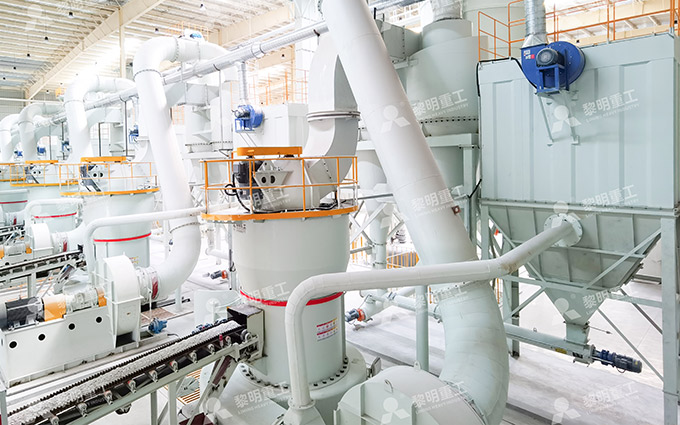
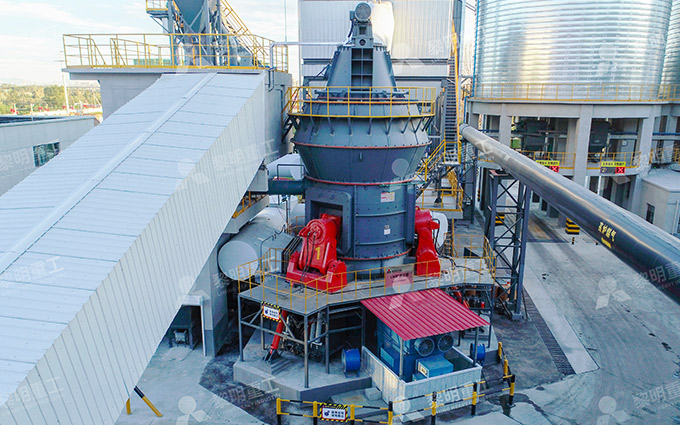
The main systems normally included in a cement grinding plant are clinker storage and handling, gypsum and additive storage, weighing and dosing equipment, grinding equipment, separator system, bag filter, process fan, bucket elevators, belt conveyors, screw conveyors, air slides, cement silos, packing equipment, bulk loading equipment, electrical cabinets, PLC controls, and central control room systems.
The final project scope depends on whether the plant is designed as a stand-alone cement grinding station, an expansion of an existing cement plant, a grinding upgrade, or part of an integrated clinker-to-cement production line.
Main Investment Cost Factors
Production capacity is the first major investment factor. A grinding plant designed for a smaller regional market requires a different mill size, storage capacity, electrical system, and material handling arrangement from a large-scale commercial cement grinding operation. Capacity should be assessed not only in tons per day, but also according to annual production targets, operating hours, expected availability, and future expansion plans.
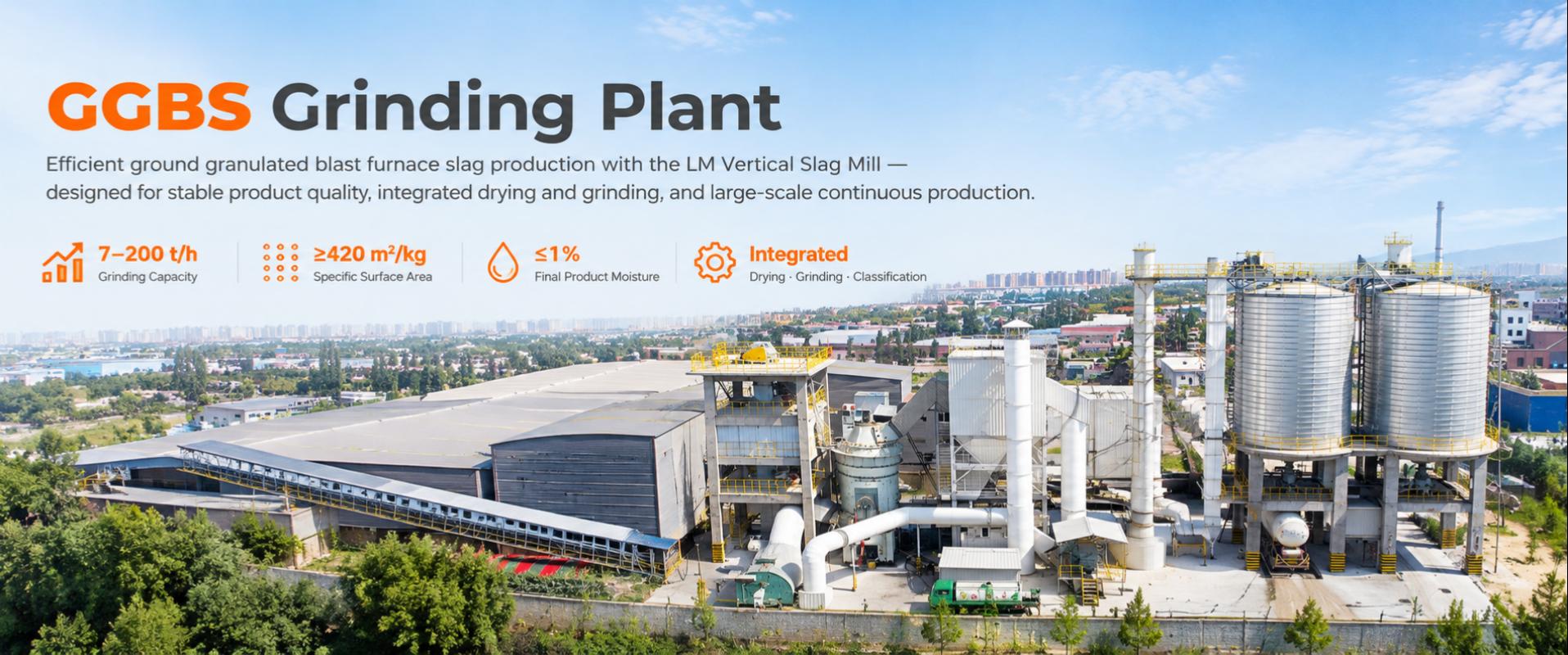
The required cement type also affects plant cost. Ordinary Portland cement, Portland limestone cement, slag cement, fly ash cement, and other blended cement products may require different raw-material storage, dosing systems, grinding parameters, separator settings, and finished-product silo arrangements. A plant designed to produce several cement grades may have a higher initial investment, but it can provide stronger market flexibility.
Clinker properties and additive characteristics must be considered during plant design. Important parameters include clinker hardness, feed size, abrasiveness, moisture content, gypsum quality, slag moisture, limestone proportion, fly ash availability, and target cement fineness. These factors influence mill selection, grinding capacity, power demand, wear-part consumption, drying requirements, and dust-control configuration.
Grinding Technology Selection
Liming Heavy Industry recommends two primary grinding solutions for cement clinker and blended cement projects: the LM vertical roller mill and the ball mill. The appropriate selection depends on the complete technical and economic conditions of the project, rather than on one equipment parameter alone.
| Comparison Item | LM Vertical Roller Mill | Ball Mill |
|---|---|---|
| Grinding principle | Vertical roller grinding with integrated classification | Grinding media inside a rotating cylinder |
| Process configuration | Compact arrangement integrating grinding and classification | Usually operated in a closed circuit with a separate separator |
| Plant footprint | Typically more compact | Typically requires a more conventional and larger circuit layout |
| Initial investment | Depends on capacity, automation, material conditions, and project scope | Can be a practical option where conventional systems or existing infrastructure are available |
| Maintenance focus | Grinding rollers, grinding table, and related wear parts | Grinding media, liners, and related mechanical components |
| Best selection approach | Evaluate capacity, layout, power demand, cement quality, and total operating cost | Evaluate existing facilities, investment target, process flexibility, and long-term maintenance |
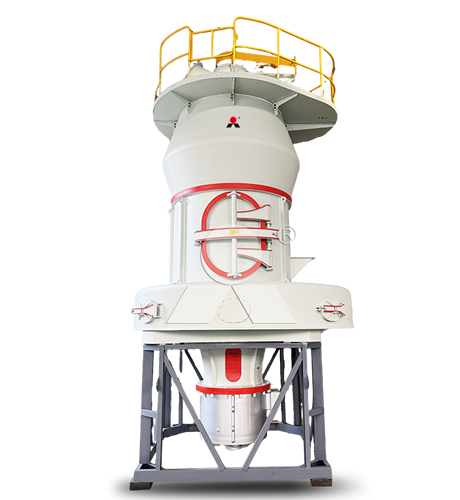
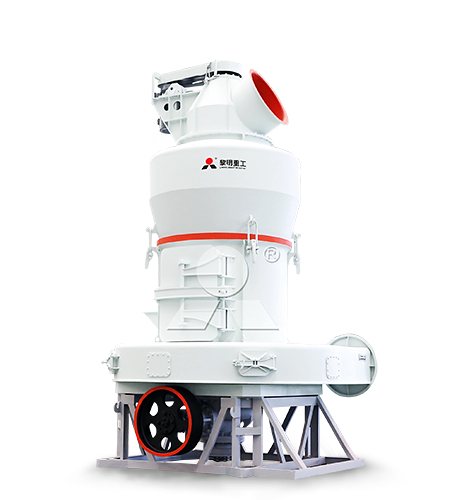
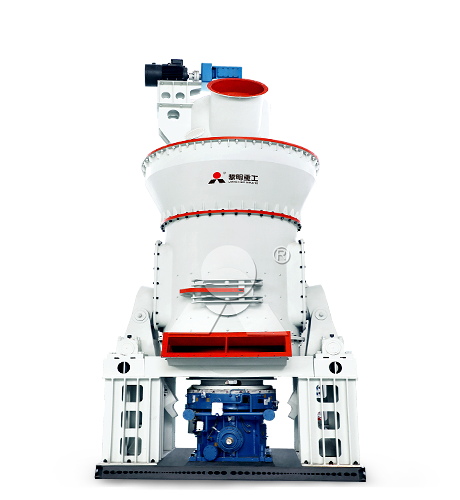
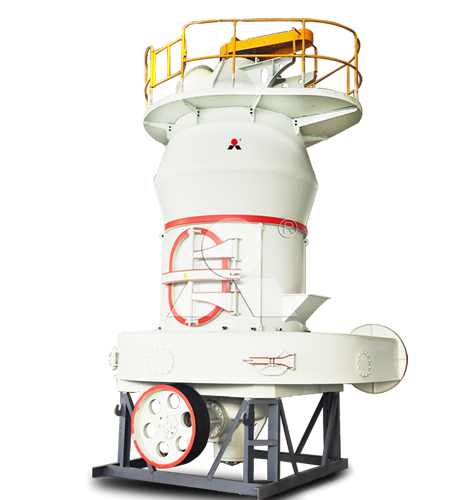
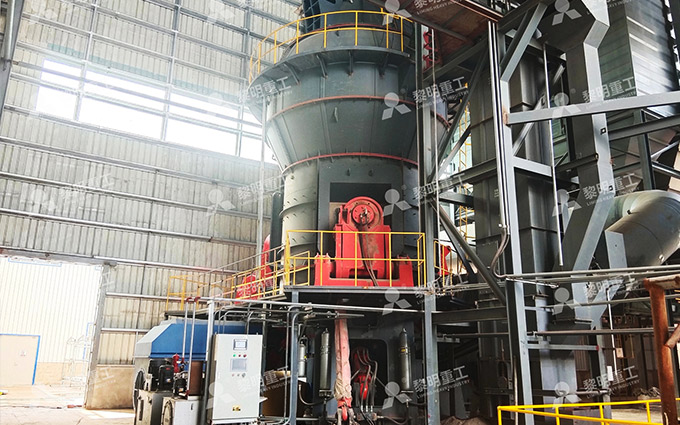
LM vertical roller mills are designed for efficient mineral grinding and can be configured for cement clinker and blended cement applications. Their vertical arrangement combines grinding and dynamic classification in a compact process configuration. For suitable projects, this can simplify the grinding circuit and support an efficient overall plant layout.
Ball mills remain an important option for cement clinker grinding, especially for conventional closed-circuit systems and projects with existing ball mill infrastructure. A complete ball mill grinding circuit may include the mill, separator, feeding system, conveying equipment, bag filter, process fans, electrical controls, and cement storage system.
Grinding technology should be selected after comparing the complete investment and operating model. Relevant considerations include required capacity, material moisture, desired fineness, available installation space, local electricity cost, maintenance capability, spare-parts planning, product range, and existing site infrastructure. Vertical roller mills are generally associated with compact integrated process configurations and potentially lower long-term grinding energy demand, while ball mills can offer a proven conventional solution and may fit projects with established ball mill facilities or tighter initial equipment budgets. [2][3]
Cost Categories for Budgeting
A practical cement grinding plant investment plan should separate costs into several main categories. This makes it easier to compare suppliers, identify missing scope, and prevent an equipment quotation from being mistaken for a complete project budget.
| Cost Category | Typical Scope |
|---|---|
| Main grinding equipment | LM vertical roller mill or ball mill, main motor, reducer, lubrication system, and mill auxiliary equipment |
| Feeding and dosing | Clinker bins, gypsum bins, additive bins, weigh feeders, belt feeders, screw feeders, and dosing controls |
| Classification and air system | Dynamic separator, process fans, ductwork, air slides, dampers, and related control devices |
| Dust collection | Bag filters, dust conveyors, filter fans, dust discharge equipment, and emission-control accessories |
| Material conveying | Bucket elevators, belt conveyors, screw conveyors, pneumatic conveying, transfer chutes, and steel structures |
| Finished-product storage | Cement silos, silo aeration, level indicators, discharge equipment, and bulk loading systems |
| Packaging and dispatch | Rotary packers, bag conveyors, truck loading systems, bulk cement loading, and finished-product handling |
| Electrical and automation | MCC cabinets, variable-frequency drives, PLC systems, instrumentation, central control systems, and cables |
| Civil works and installation | Foundations, buildings, steel structures, installation, commissioning, utilities, and site preparation |
The relative cost of each category changes from project to project. For example, a plant that only produces bulk cement may require less packing equipment than a bag-cement operation. A project with limited site space may require more complex structural design. A plant processing wet slag or other moist additives may require additional drying and gas-handling capacity.
Equipment Cost vs. Total Project Cost
The main mill is usually one of the largest individual equipment investments, but it is not the entire project. A grinding plant also needs reliable material feeding, classification, filtration, conveying, storage, and automation. Ignoring these systems during early budgeting can lead to an incomplete investment estimate.
For example, a quotation for an LM vertical roller mill or ball mill should be reviewed together with the required feeder capacity, separator performance, bag filter size, fan power, conveyor length, silo volume, packing requirement, electrical scope, foundation requirement, and installation service. These items determine whether the plant can operate as a complete and stable cement production system.
Public industry estimates may provide a general reference for early feasibility studies, but they vary substantially by country, capacity, equipment origin, material logistics, civil construction cost, and included scope. One published example estimates that small- to medium-scale grinding stations with annual output from 100,000 to 1 million tons may require total investment in the range of approximately RMB 64 million to RMB 129 million, depending on equipment selection and local construction conditions. This should be treated only as an indicative market reference, not as a supplier quotation or a universal project price. [7]
Operating Costs After Commissioning
Investment planning should include operating costs because cement grinding is energy-intensive. The grinding system, separator, fans, conveyors, elevators, dust collectors, and packing line all contribute to total electricity consumption. Mill selection, circuit design, material moisture, product fineness, and plant control quality can affect energy use over the full operating life of the facility.
Maintenance is another significant operating-cost category. Ball mill systems require management of grinding media, liners, bearings, drives, and separator-related components. LM vertical roller mill systems require planned maintenance of grinding rollers, grinding tables, hydraulic components, gearboxes, and associated wear parts. The right choice depends on the project’s maintenance team, spare-parts strategy, local service capability, and planned operating schedule.
Raw-material logistics can also have a decisive effect on plant economics. The delivered cost of clinker, gypsum, limestone, slag, fly ash, fuel where applicable, and transportation may matter as much as the grinding equipment itself. A grinding station near a clinker source, port, railway connection, or major cement market may reduce logistics costs and improve commercial competitiveness.
Integrated Clinker Production Projects
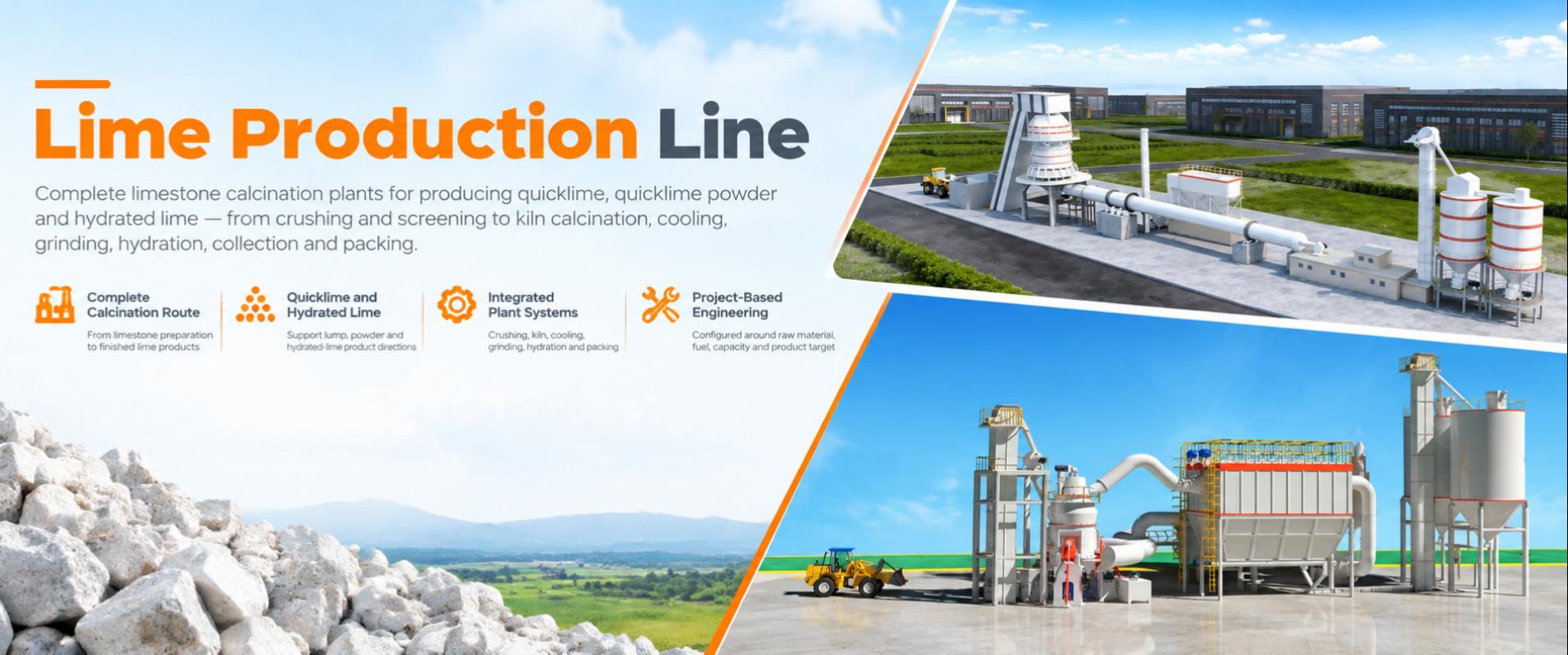
A cement grinding plant can operate independently by purchasing clinker, or it can be part of an integrated cement production project. In an integrated project, raw materials are prepared and heated in a rotary kiln system to produce clinker, which is then cooled, stored, and sent to the cement grinding plant.
Liming Heavy Industry also provides rotary kiln and calcining kiln solutions for suitable clinker production and industrial calcination applications. A rotary kiln is a core thermal-processing unit in a clinker production line, where prepared raw meal is processed at high temperature to form clinker. The complete kiln line may also require raw-material crushing, raw meal grinding, preheating, calcination, clinker cooling, fuel preparation, dust collection, conveying, and process control systems.
For projects that include both clinker production and cement grinding, early planning should coordinate kiln capacity, clinker storage, grinding capacity, fuel supply, electrical infrastructure, dust control, dispatch capacity, and future expansion. An integrated line has a larger total investment scope than a stand-alone grinding station, but it gives the producer greater control over clinker supply and product production.
How to Request an Accurate Quotation
A project-specific quotation is the most reliable way to estimate cement grinding plant cost. To prepare a suitable proposal, equipment suppliers need complete and realistic operating data rather than only a daily output target.
Please prepare the following information before requesting a technical solution and quotation:
Required cement production capacity in tons per day or tons per hour
Expected annual production volume and operating hours per year
Clinker source, feed size, moisture content, hardness, and chemical composition
Required cement types, including clinker, gypsum, limestone, slag, fly ash, or other additive proportions
Target cement fineness, such as Blaine surface area or residue specification
Available installation area, building limitations, and site elevation conditions
Local electrical conditions, electricity price, and required automation level
Required cement storage capacity, packing capacity, and bulk loading requirements
Whether the project is new construction, expansion, replacement, or an upgrade of an existing line
Whether rotary kiln or calcining kiln equipment is also required
With these details, Liming Heavy Industry can recommend an LM vertical roller mill or ball mill solution matched to the required output, cement type, material characteristics, and project scope. For integrated cement production or calcination projects, rotary kiln and calcining kiln equipment can also be incorporated into a coordinated plant proposal.
Conclusion
Cement grinding plant cost is determined by the total system, not only by the grinding mill. Capacity, material conditions, cement type, grinding technology, auxiliary equipment, storage, packing, automation, civil works, installation, and long-term operating costs must all be considered.
An LM vertical roller mill may be an effective choice for projects seeking an integrated and compact grinding configuration, while a ball mill remains a proven solution for conventional cement grinding circuits and sites with suitable existing infrastructure. The best investment decision comes from a complete technical comparison and a project-specific quotation based on real production requirements.