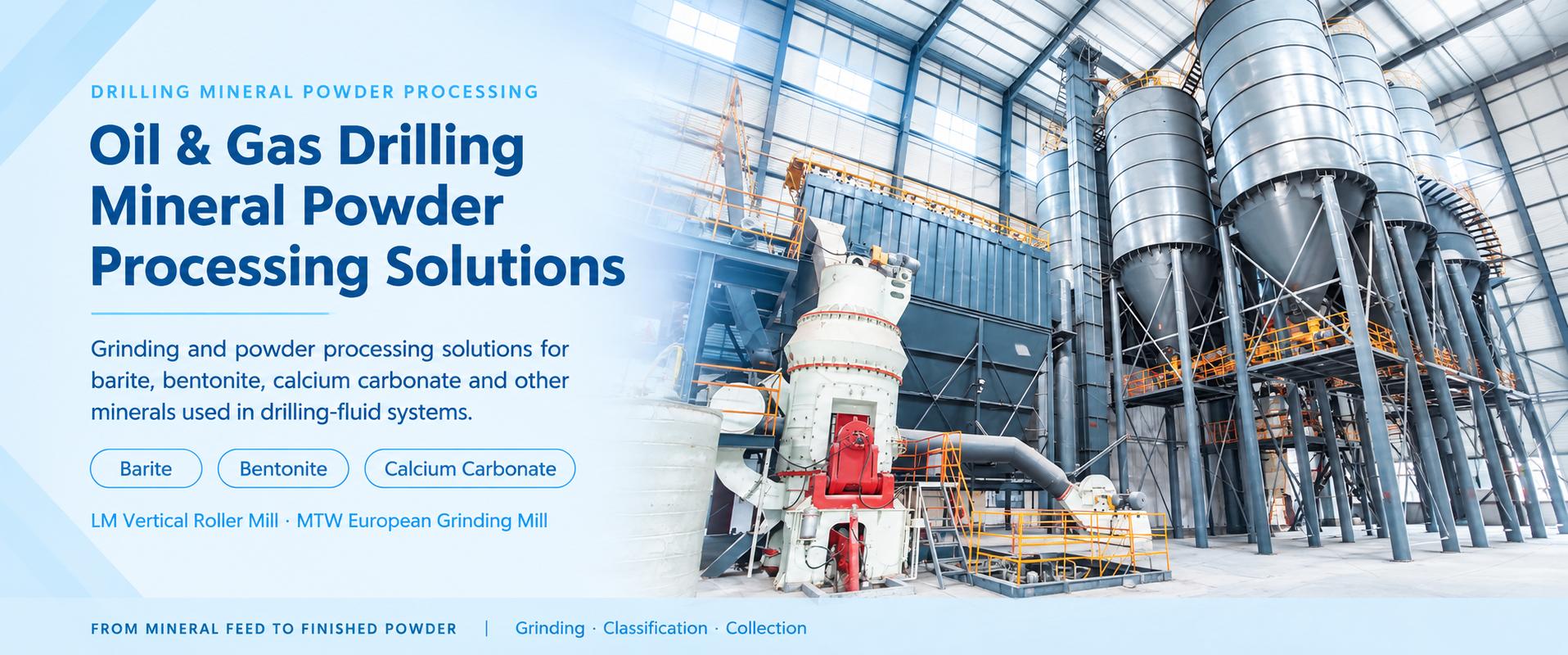
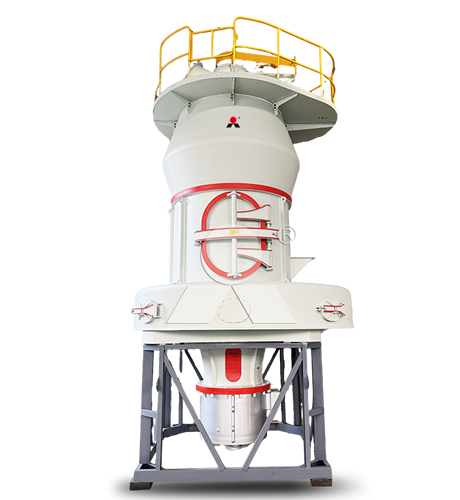
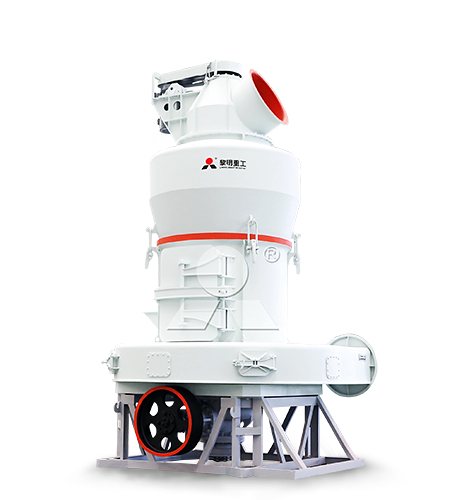
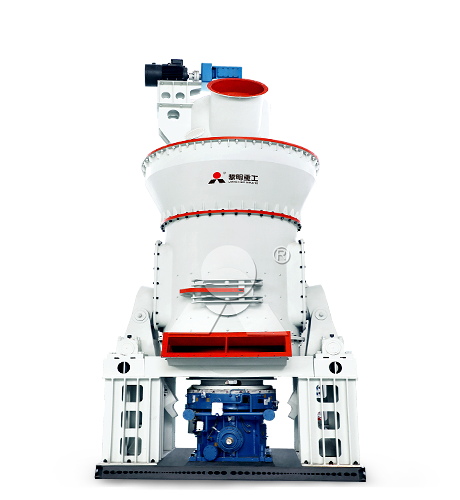
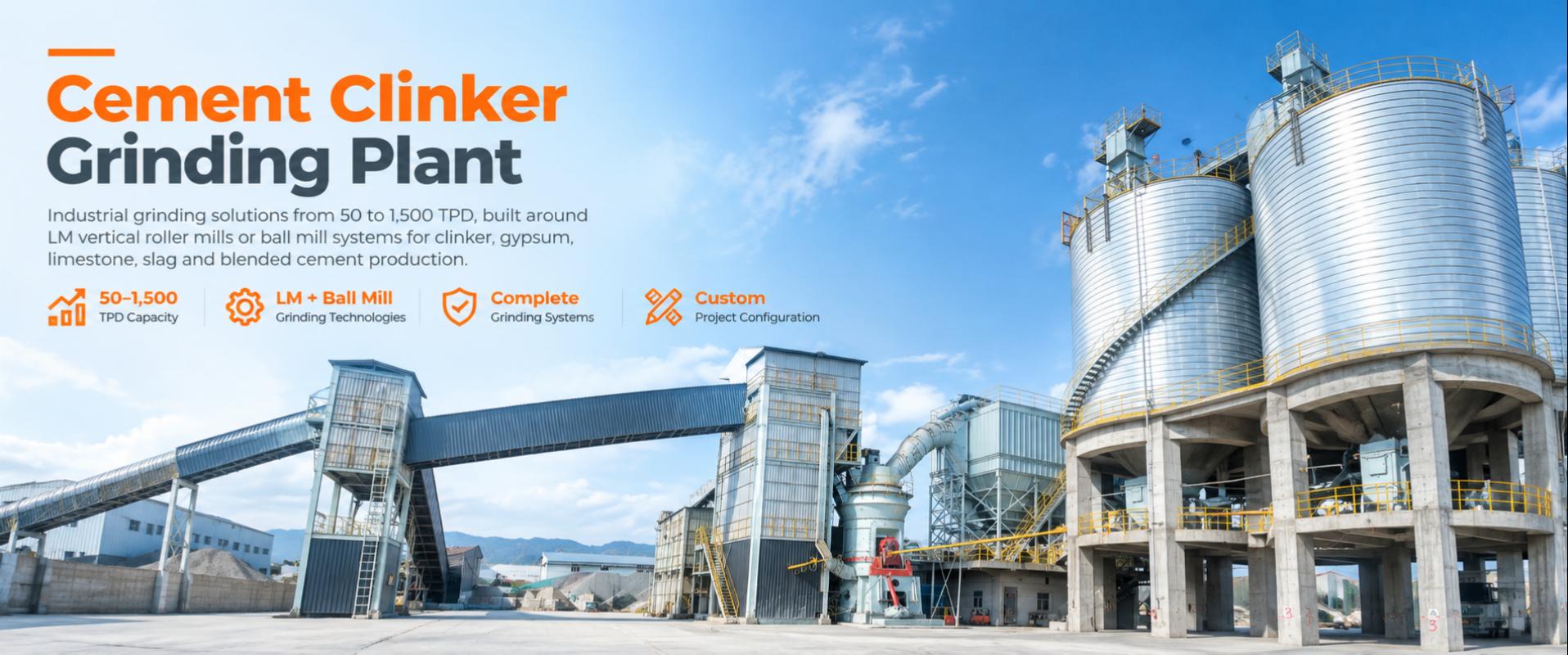
Cement Clinker Grinding Plant
LM Vertical Roller Mill for Cement Grinding
2026-09-10 08:09:54
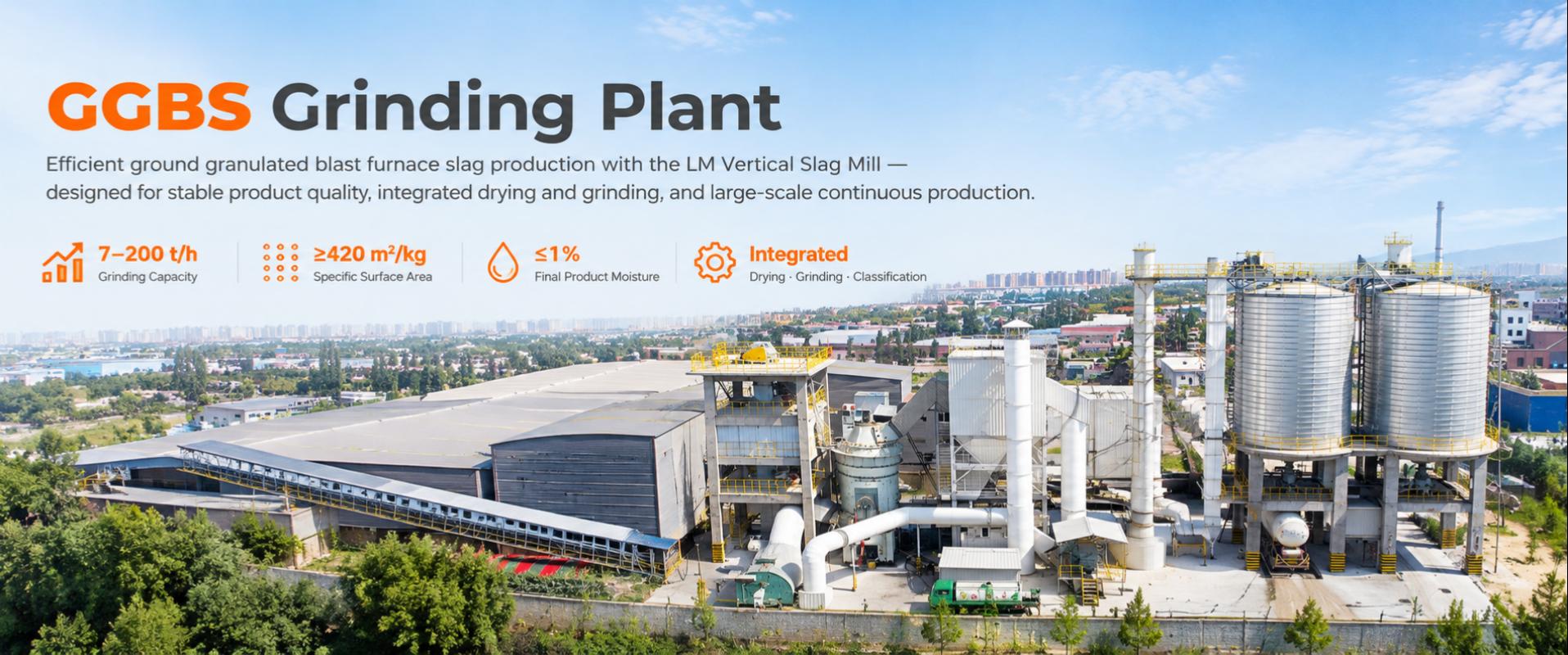
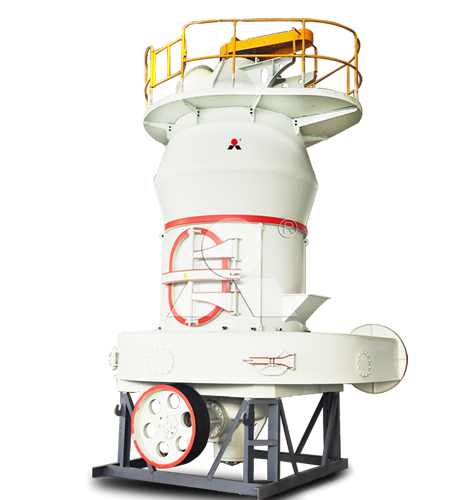
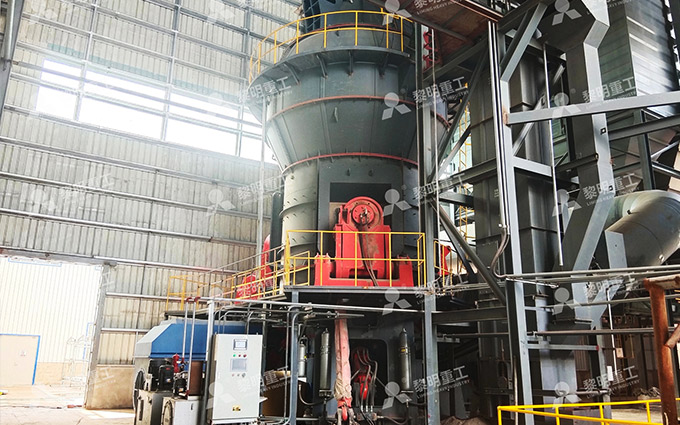
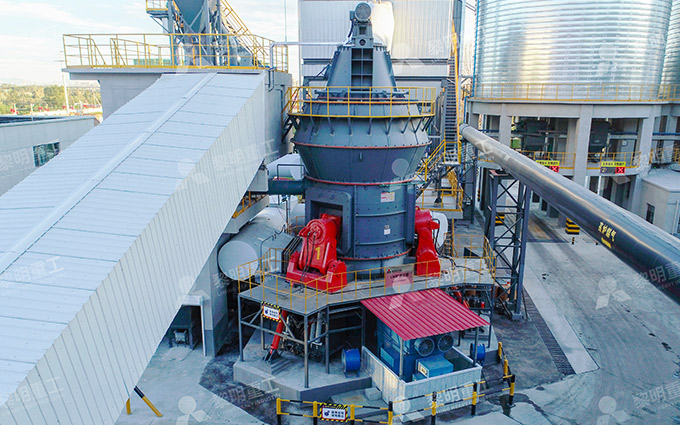
The LM Vertical Roller Mill is a grinding solution from Liming Heavy Industry for cement clinker, gypsum, limestone, slag, fly ash, and other suitable mineral additives. It can be configured for cement grinding plants that produce ordinary Portland cement, Portland limestone cement, slag cement, and other blended cement products.
Unlike a conventional ball mill circuit that normally uses grinding media and a separate separator, the LM Vertical Roller Mill combines material grinding and dynamic classification in a compact vertical process arrangement. This integrated design can help reduce plant footprint, simplify material flow, and support efficient cement production when the mill is properly matched to the material characteristics and required output.
What Is an LM Vertical Roller Mill?
An LM Vertical Roller Mill is a vertical grinding machine in which material is fed onto a rotating grinding table and ground between the table and grinding rollers. Hydraulic pressure applies the required grinding force, while hot gas or process air transports fine material upward to the classifier. The classifier separates qualified fine cement from coarse particles, and the coarse material returns to the grinding zone for further processing.
This operating principle allows grinding, drying where required, conveying, and classification to be organized within one coordinated system. The final configuration depends on cement capacity, feed material properties, moisture level, target fineness, cement type, available layout, power supply, and local operating conditions.
Working Principle
The cement grinding process begins when clinker, gypsum, and suitable additives are proportioned by weighing and dosing equipment. The mixed material enters the LM Vertical Roller Mill through the feeding system and falls onto the center of the rotating grinding table.
Centrifugal force moves the material outward across the grinding table. Grinding rollers press the material bed against the table, reducing the particle size through compression and shearing. Process air carries the ground material upward toward the integrated dynamic classifier.
Fine particles that meet the required cement fineness are transported to the dust collection system and then conveyed to finished-cement silos. Coarse particles are rejected by the classifier and returned to the grinding table for additional grinding. This internal circulation continues until the material reaches the required product specification.
Main Components
| Component | Main Function |
|---|---|
| Grinding table | Rotates and carries the material bed through the grinding zone |
| Grinding rollers | Apply pressure to crush and grind clinker and additives |
| Hydraulic system | Provides and controls grinding pressure for the rollers |
| Dynamic classifier | Separates finished fine cement from coarse material for return grinding |
| Mill drive and gearbox | Supplies rotational power to the grinding table |
| Feed system | Introduces clinker, gypsum, limestone, slag, fly ash, or other additives into the mill |
| Process fan system | Moves gas and fine particles through the grinding and classification process |
| Bag filter | Collects fine cement particles and controls dust emissions |
| PLC control system | Monitors and controls feed rate, pressure, vibration, temperature, fineness, and power consumption |
Advantages for Cement Grinding
The LM Vertical Roller Mill is designed to provide an integrated grinding and classification solution for cement clinker and blended cement production. Its vertical arrangement can support a compact plant layout compared with a conventional grinding circuit that uses a ball mill and separate separator.
Integrated grinding and dynamic classification in one main process unit.
Suitable for clinker, gypsum, limestone, slag, fly ash, and other appropriate cement additives.
Compact equipment layout that can help reduce plant footprint.
Lower grinding-media demand because the mill uses roller pressure rather than steel balls as the main grinding mechanism.
Flexible adjustment of cement fineness through classifier control and operating parameters.
Potentially lower specific power consumption than a conventional ball mill circuit under suitable operating conditions.
Suitable for new cement grinding plants, capacity expansions, and selected modernization projects.
Automated control capability for stable feed rate, grinding pressure, material bed, vibration, airflow, and separator speed.
Specific power consumption depends on clinker grindability, additive type, product fineness, moisture content, feed size, mill configuration, separator efficiency, process control, and operating practice. For this reason, performance should be evaluated using actual project data rather than relying only on general energy-saving figures.
Suitable Materials
The LM Vertical Roller Mill can be configured for cement grinding applications involving clinker and a range of suitable mineral components. The final material mix should be confirmed through technical evaluation, particularly when materials have high moisture, high abrasiveness, variable chemistry, or special product-quality requirements.
| Material | Typical Role in Cement Production |
|---|---|
| Cement clinker | Main cementitious component ground to produce finished cement |
| Gypsum | Added to help regulate cement setting behavior |
| Limestone | Used as a mineral addition in suitable blended cement products |
| Granulated blast-furnace slag | Used in slag cement and blended cement applications |
| Fly ash | Used as a supplementary cementitious material in suitable cement formulations |
| Other mineral additives | Selected according to cement standards, material compatibility, and product requirements |
LM Vertical Roller Mill vs. Ball Mill
Both the LM Vertical Roller Mill and ball mill can be used for cement clinker grinding. The appropriate choice depends on the complete project condition, including capacity, cement type, raw-material characteristics, available installation space, existing equipment, maintenance capability, power cost, and investment strategy.
| Factor | LM Vertical Roller Mill | Ball Mill |
|---|---|---|
| Grinding method | Compression and shearing between rollers and grinding table | Impact and attrition from grinding media inside a rotating cylinder |
| Classification | Integrated dynamic classifier | Usually uses a separate separator in a closed-circuit system |
| Grinding media | No large ball charge required for the main grinding process | Requires steel grinding media and regular media management |
| Plant layout | Compact vertical process configuration | Conventional horizontal grinding circuit with related auxiliary equipment |
| Maintenance focus | Rollers, grinding table, hydraulic system, classifier, gearbox, and wear parts | Grinding media, liners, diaphragms, bearings, gearbox, and separator |
| Best application approach | Suitable for projects seeking integrated grinding and classification | Suitable for conventional grinding circuits and projects with existing ball mill infrastructure |
An LM Vertical Roller Mill may be preferred where the project requires a compact arrangement and integrated classification. A ball mill may remain a strong option where the plant already has compatible ball mill equipment, conventional building space, or an established maintenance system for grinding media and liners.
Typical Cement Grinding Plant Configuration
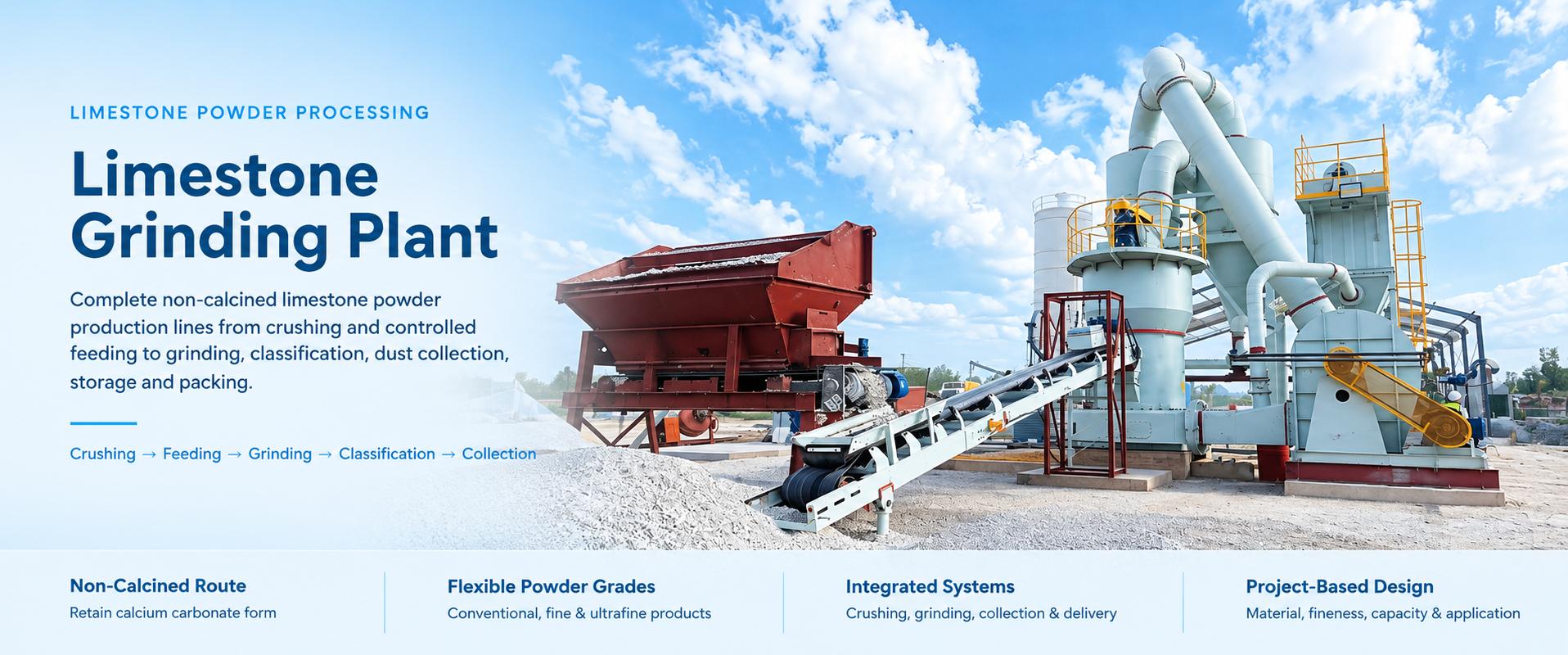
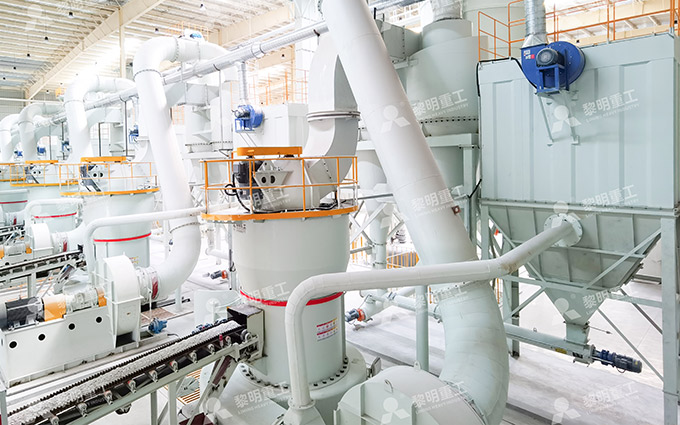
A complete cement grinding plant built around an LM Vertical Roller Mill is not limited to the mill itself. The plant must be configured as a coordinated system to ensure stable feeding, efficient grinding, accurate classification, reliable dust collection, and smooth finished-cement dispatch.
Clinker receiving, storage, and conveying system.
Gypsum, limestone, slag, fly ash, and additive storage systems.
Weigh feeders and proportioning equipment.
LM Vertical Roller Mill for grinding and classification.
Process fan, ductwork, and gas-handling system.
Bag filter and dust-collection equipment.
Bucket elevators, belt conveyors, screw conveyors, or air-slide systems.
Finished-cement silos and silo discharge equipment.
Cement packing machine and bag-handling system where required.
Bulk cement loading system for truck, railway, or terminal dispatch.
Electrical system, instrumentation, PLC controls, and central control room.
Capacity and Product Fineness
The capacity of an LM Vertical Roller Mill for cement grinding is determined by the required output and the material conditions. The same mill can produce different outputs when processing different clinker types, cement formulations, additive ratios, moisture levels, or fineness targets.
A higher cement fineness generally requires more grinding energy and may reduce throughput. Similarly, harder clinker, higher moisture, abrasive materials, or large quantities of certain additives can affect mill performance. For this reason, the mill model and complete plant configuration should be selected based on a detailed technical evaluation.
Liming Heavy Industry can configure LM Vertical Roller Mill solutions for cement grinding plants with capacities from smaller regional production lines to large commercial grinding operations. The appropriate capacity range should be determined according to daily output, annual production plan, operating schedule, clinker supply, cement market demand, and future expansion requirements.
Operating Parameters and Process Control
Stable operation of an LM Vertical Roller Mill depends on balanced process control. Important operating parameters include feed rate, grinding pressure, material-bed thickness, grinding-table speed, roller condition, separator speed, process-air volume, mill outlet temperature, vibration level, and motor power.
The feeding system should provide a stable and accurately proportioned material mix. Large fluctuations in clinker, gypsum, limestone, slag, or fly ash feed can affect mill vibration, product fineness, energy consumption, and production capacity. Automated weigh feeders and PLC controls help maintain a consistent material ratio.
The dynamic classifier controls finished cement fineness by adjusting the separation process. When separator speed is increased, finer material is generally collected as finished product while more coarse particles are returned to the grinding zone. The required setting depends on the cement specification and the desired balance between fineness, strength development, throughput, and specific power consumption.
Maintenance Considerations
Regular preventive maintenance is important for protecting equipment availability and controlling long-term operating cost. The key wear components in an LM Vertical Roller Mill include grinding rollers, grinding table segments, classifier parts, feed-system components, and material-handling equipment.
The hydraulic system, gearbox, lubrication system, main drive, process fan, bag filter, and electrical controls should also be inspected according to the maintenance plan. Monitoring vibration, temperature, oil condition, motor current, differential pressure, and product fineness can help identify abnormal conditions before they develop into a major shutdown.
Wear-part maintenance should be planned according to actual material abrasiveness, operating hours, grinding pressure, feed condition, and mill capacity. Maintaining the correct material bed and operating within the recommended process range can help reduce vibration and support longer service life for critical components.
LM Vertical Roller Mill for Integrated Cement Projects
For projects that require more than a stand-alone cement grinding station, the LM Vertical Roller Mill can be included in an integrated cement production solution. In this type of project, raw materials are prepared and processed through a rotary kiln system to produce clinker, then the clinker is stored and ground with gypsum and additives to produce finished cement.
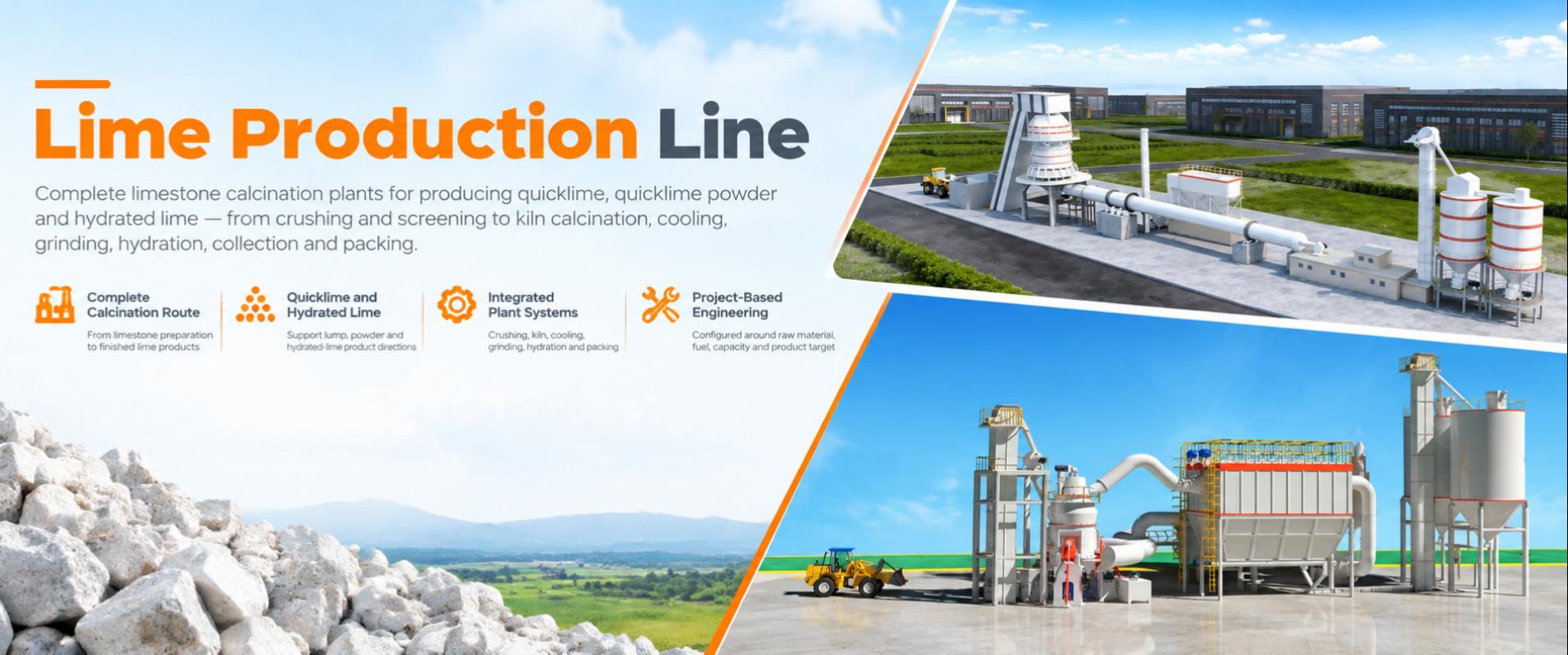
Liming Heavy Industry also supplies rotary kilns and calcining kilns for suitable clinker production and industrial calcination applications. A complete integrated cement project may include raw-material crushing, raw meal grinding, preheating, calcination, rotary kiln processing, clinker cooling, clinker storage, cement grinding, cement storage, packing, and dispatch systems.
Coordinated planning of the rotary kiln, calcining kiln, clinker storage, and LM Vertical Roller Mill can help match clinker production with cement grinding capacity. This is especially important for plants that require stable continuous production, multiple cement grades, controlled clinker inventory, and long-term expansion planning.
How to Select the Right LM Vertical Roller Mill
To select a suitable LM Vertical Roller Mill for cement grinding, the project team should provide complete production and material information. This allows the equipment configuration to be matched to the required output, cement quality, available plant layout, and operating conditions.
Required cement production capacity in tons per hour or tons per day.
Annual production target and expected operating hours.
Clinker source, feed size, moisture content, hardness, and grindability data.
Required cement types and proportions of gypsum, limestone, slag, fly ash, or other additives.
Target cement fineness, Blaine value, or residue requirement.
Required moisture removal or drying capacity.
Available installation area, building height, and site layout limitations.
Local electrical conditions, process-gas conditions, and environmental requirements.
Finished-cement storage, packing, bulk loading, and dispatch requirements.
Whether the project is a new plant, expansion, modernization, or replacement of an existing ball mill system.
Conclusion
The LM Vertical Roller Mill from Liming Heavy Industry provides an integrated solution for cement clinker and blended cement grinding. By combining grinding and dynamic classification in a compact vertical arrangement, it can support efficient material processing, flexible product fineness control, and reduced dependence on grinding media.
The final LM Vertical Roller Mill configuration should be selected according to capacity, clinker characteristics, additive ratio, cement type, target fineness, moisture, plant layout, and long-term operating requirements. For complete cement projects, Liming Heavy Industry can also provide ball mill grinding systems, rotary kilns, calcining kilns, and supporting equipment for clinker production, cement grinding, storage, packing, and dispatch.