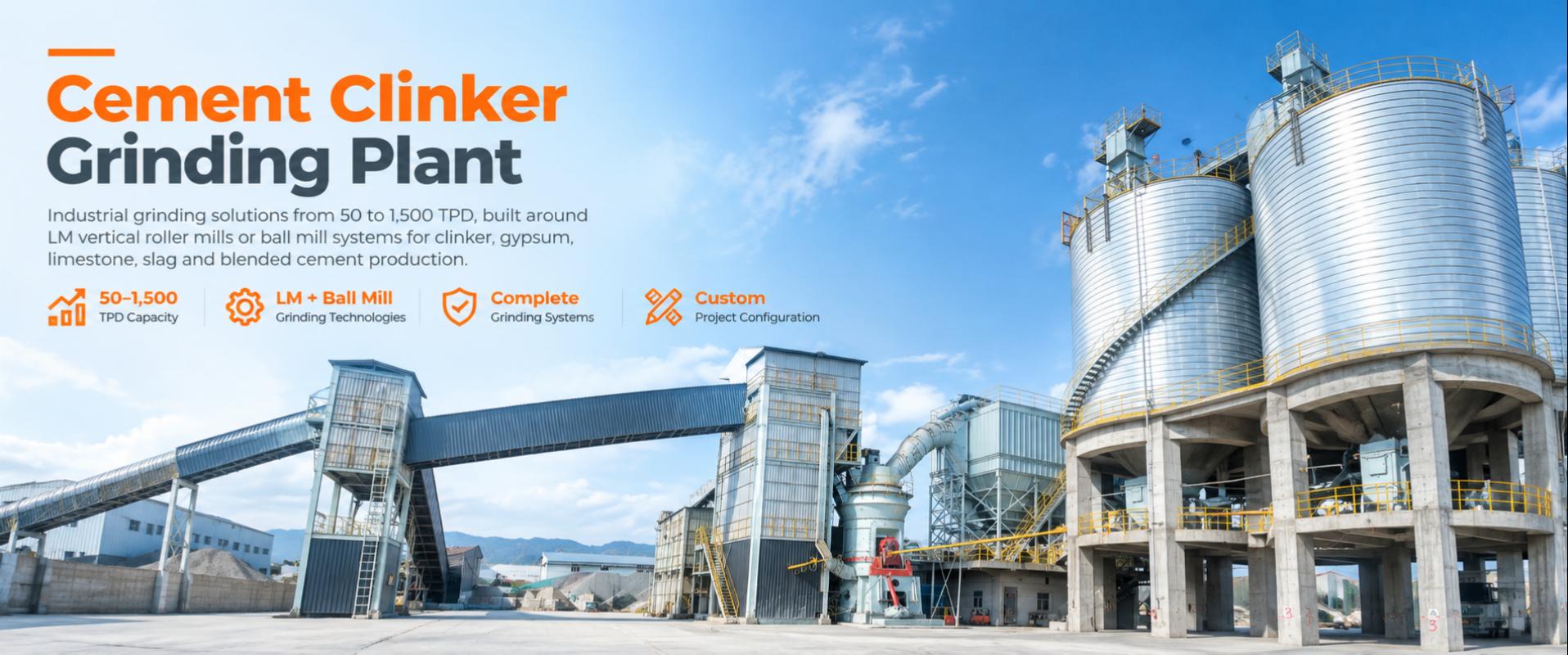
Cement Clinker Grinding Plant
Slag Cement Grinding
2026-09-10 08:20:41
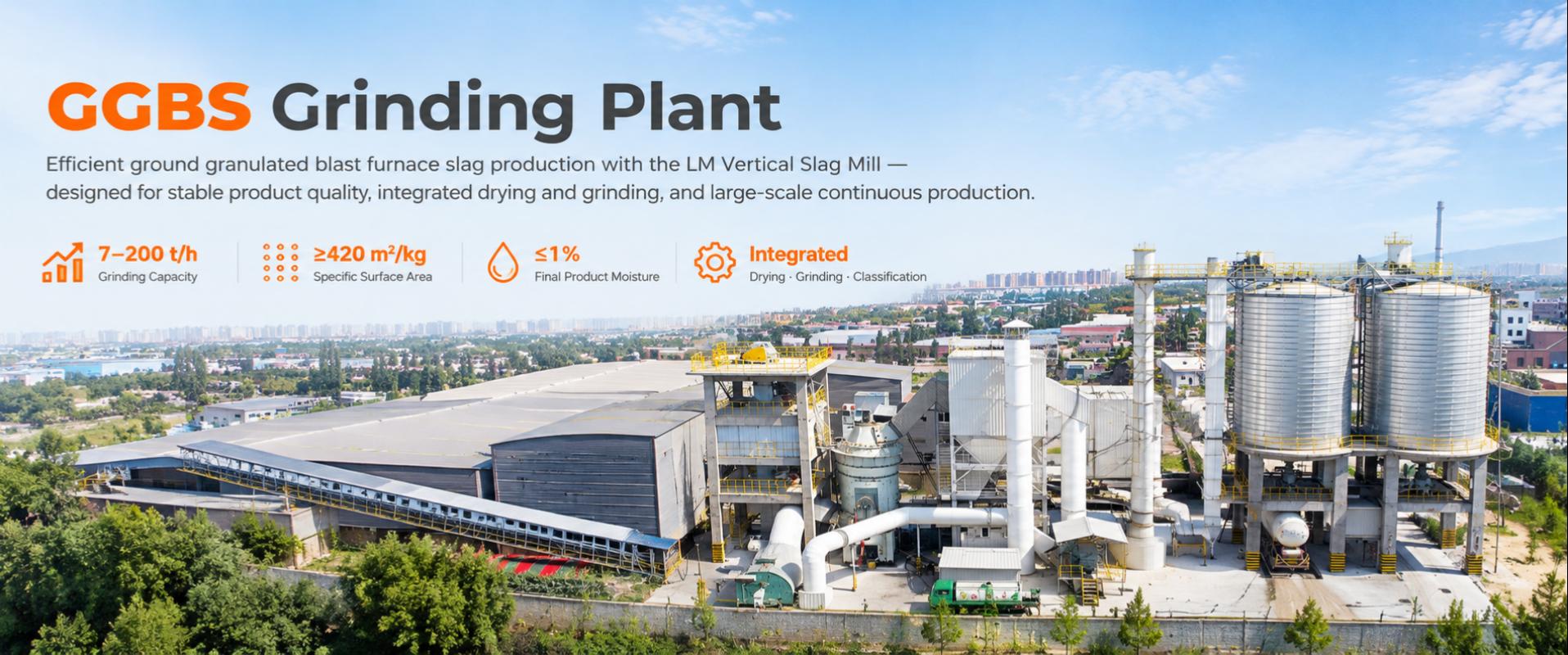
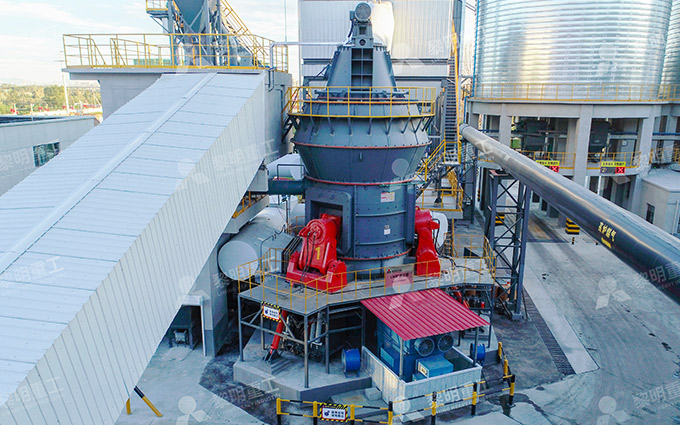
Slag cement grinding is the process of grinding granulated blast-furnace slag with clinker, gypsum, or other suitable mineral components to produce slag cement, blended cement, or ground granulated blast-furnace slag powder. Slag can improve the product range of a cement plant, but its high moisture, abrasive nature, and relatively difficult grindability require a properly designed grinding and drying system.
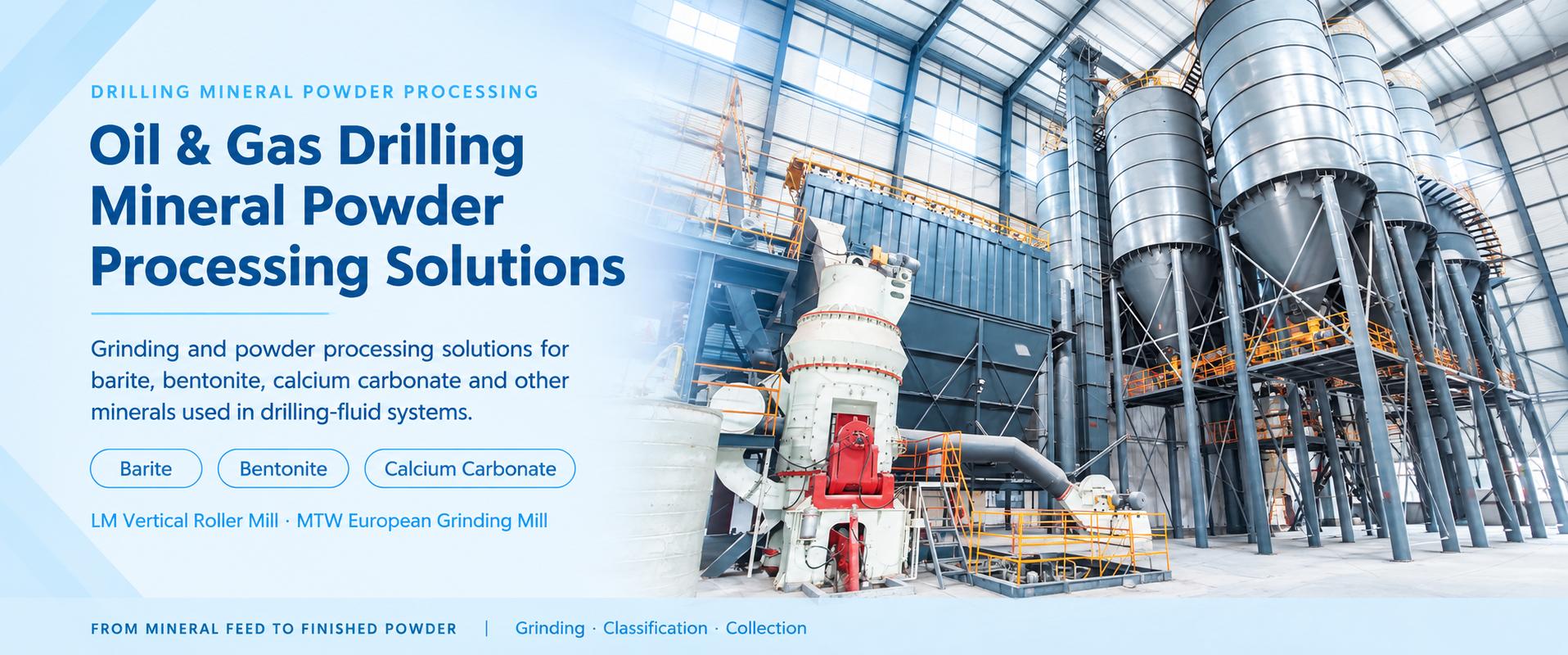
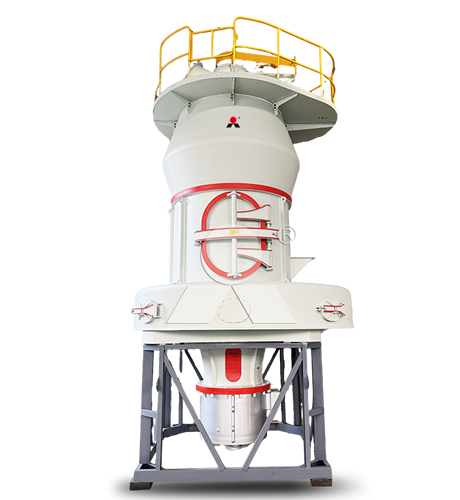
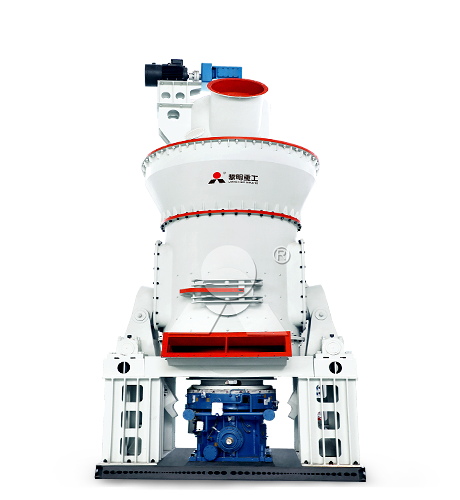
Liming Heavy Industry provides LM Vertical Roller Mill and cement ball mill solutions for slag cement grinding. For moist blast-furnace slag, the LM Vertical Roller Mill is generally the preferred solution because it can integrate drying, grinding, classification, and material transport in one compact process system. Liming Heavy Industry also provides rotary kilns and calcining kilns for suitable clinker production and industrial calcination projects.
What Is Slag Cement?
Slag cement is produced using granulated blast-furnace slag, commonly called GGBFS before grinding and GGBS after grinding. Blast-furnace slag is a by-product of iron production. When molten slag is rapidly cooled and granulated, it develops latent hydraulic properties that can contribute to cementitious performance after fine grinding and use in suitable cement or concrete formulations.
Slag can be ground separately into slag powder or ground with clinker and gypsum to produce blended cement. The final formulation depends on the required product type, applicable cement standard, clinker quality, slag activity, target fineness, strength requirement, setting behavior, durability requirement, and local market demand.
Compared with clinker, granulated blast-furnace slag is often more difficult to grind to the same fineness and may require 30% to 50% more grinding energy. It also commonly arrives at the grinding plant with elevated moisture, which makes integrated drying an important part of slag grinding plant design. [114]
Why Slag Grinding Requires Special Design
Slag grinding differs from ordinary clinker grinding because slag has different physical characteristics. Granulated blast-furnace slag is typically fine-grained, abrasive, moist, and harder to grind than clinker. It also usually requires a relatively high fineness to develop the desired cementitious performance in slag cement and blended cement applications.
| Slag Characteristic | Effect on Grinding Process | Design Response |
|---|---|---|
| Higher moisture content | Can reduce mill output, cause material buildup, and increase handling difficulty | Use covered storage, hot gas, drying capacity, insulated ducts, and suitable conveying equipment |
| Difficult grindability | Can increase specific power consumption and reduce grinding capacity | Select an efficient mill, optimize classification, and evaluate slag grindability before equipment selection |
| Abrasiveness | Can increase wear of grinding surfaces, separators, ducts, conveyors, and transfer chutes | Use appropriate wear protection and establish a preventive maintenance plan |
| High fineness requirement | May require additional grinding energy and accurate classification control | Use a suitable dynamic classifier and verify product fineness through laboratory testing |
| Water vapor in process gas | Can create condensation and material buildup if gas temperature falls below the dew point | Insulate or heat ducts, elevators, chutes, and pneumatic conveying equipment where required |
Blast-furnace slag often arrives with moisture in the range of approximately 8% to 15%. High moisture can reduce grinding performance and create handling problems, so the grinding system should include sufficient drying capacity and a process-air design that prevents condensation in downstream equipment. [118][121]
Slag Cement Grinding Process
The slag cement grinding process begins with slag receiving and storage. Slag is dried where required, proportioned with clinker and gypsum for blended cement production, ground to the target fineness, classified, collected by dust-control equipment, and transferred to finished-product silos.
Receive granulated blast-furnace slag from truck, rail, port, or conveyor transport.
Store slag under cover to reduce moisture increase from rain and ambient exposure.
Screen or remove oversized foreign material and metallic contamination where required.
Store clinker, gypsum, limestone, fly ash, and other additives separately.
Measure slag, clinker, gypsum, and additives according to the target cement formulation.
Feed the materials to an LM Vertical Roller Mill or cement ball mill system.
Dry the slag during grinding or before grinding, depending on the selected process.
Grind the material to the required slag powder or blended cement fineness.
Classify fine material and return coarse particles for additional grinding.
Collect finished slag cement or slag powder through bag filters.
Convey finished product to storage silos for packing or bulk dispatch.
Slag Storage and Handling
Slag should be stored under cover whenever possible. Covered storage reduces moisture increase caused by rain and helps maintain stable feed conditions. This can lower drying demand and improve the reliability of material conveying, dosing, and grinding.
Because wet slag can be sticky and difficult to handle, receiving hoppers, conveyors, transfer chutes, bins, and feeders should be selected carefully. The design should avoid narrow chutes, sharp changes in conveying direction, and locations where wet material can accumulate. A stable and uniform feed is especially important for vertical roller mill operation.
Metal contamination should be removed before grinding. Magnetic separators or metal detectors can be installed in the conveying line to protect the mill, grinding components, separator, and downstream equipment. Multiple iron-removal stages may be required where slag contains metallic particles or tramp iron. [117]
LM Vertical Roller Mill for Slag Cement Grinding
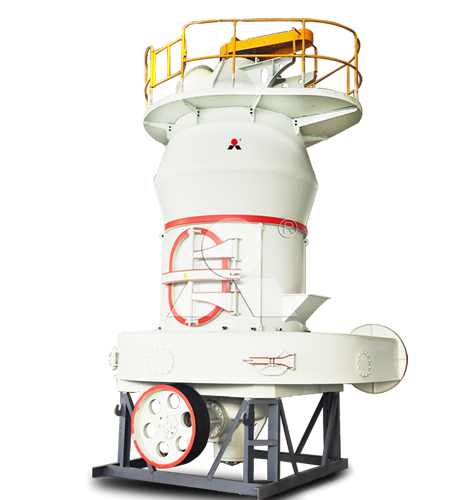
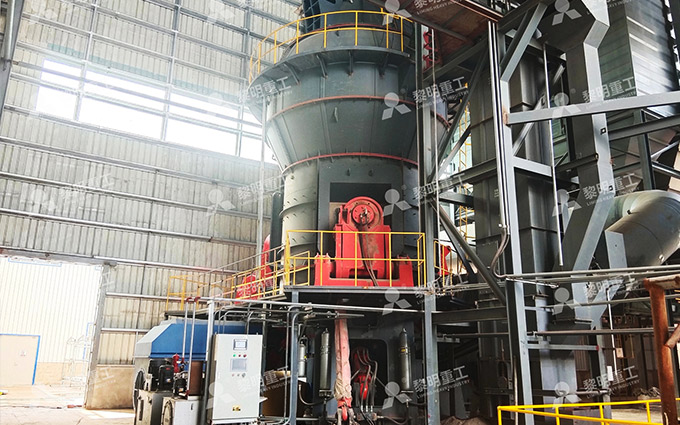
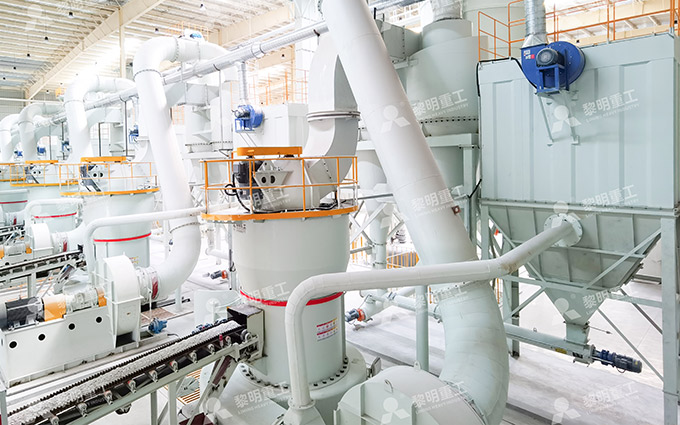
The LM Vertical Roller Mill from Liming Heavy Industry is suitable for slag cement grinding because it combines drying, grinding, classification, and material transport in one integrated system. This is particularly important for blast-furnace slag, which may have high moisture and requires controlled fine grinding.
Slag enters the LM Vertical Roller Mill and falls onto the center of the rotating grinding table. Centrifugal force moves the material outward, forming a grinding bed. Hydraulic rollers apply pressure to the material, reducing particle size through compression and shearing.
Hot process gas enters the mill and helps evaporate moisture from the slag. The gas stream lifts fine material to the integrated dynamic classifier. Fine slag powder or slag cement that meets the required fineness leaves the mill with the gas stream and is collected by the bag filter. Coarse particles are rejected by the classifier and return internally to the grinding table for further grinding.
Vertical roller mills are well suited to slag grinding because they can handle drying and grinding in one process unit. Industry sources report that vertical roller mills can grind and dry materials with moisture levels of up to approximately 15% under suitable process conditions, while ball mill systems generally require a separate dryer when moisture is above approximately 5%. [116][121]
LM Vertical Roller Mill Benefits
Integrated drying, grinding, dynamic classification, and material transport in one process system.
Suitable for moist granulated blast-furnace slag and slag cement production.
Can use hot gas to remove moisture during the grinding process.
Compact vertical configuration that can reduce overall plant footprint.
No large steel-ball charge required for the main grinding process.
Flexible fineness control through classifier speed and process adjustments.
Suitable for separate slag grinding and clinker-slag-gypsum blended cement grinding.
PLC-based monitoring of feed rate, grinding pressure, material bed, vibration, airflow, temperature, classifier speed, and power consumption.
Cement Ball Mill for Slag Cement Grinding
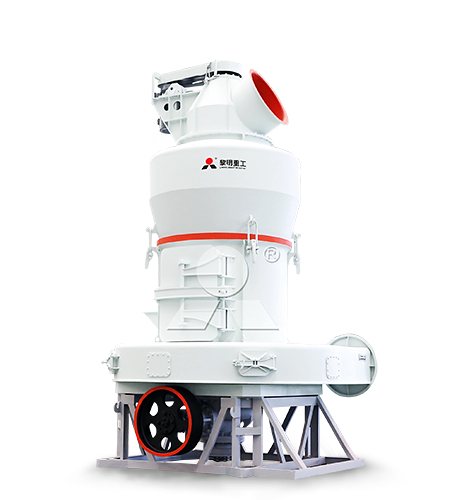
A cement ball mill can also be configured for slag cement grinding. In this system, steel grinding media inside a rotating cylinder reduce slag, clinker, gypsum, and additives through impact, friction, and attrition. The ball mill normally operates with a separate high-efficiency separator in a closed-circuit grinding arrangement.
For dry slag, a ball mill can provide a proven grinding solution. However, when slag moisture is high, the ball mill system may require separate drying equipment before the mill, such as a rotary dryer, hot gas generator, drying chamber, or drying arrangement associated with the classifier. Without adequate drying, wet slag can reduce mill output, create material buildup, and affect separator performance.
In a typical closed-circuit ball mill system, material is ground in the mill and sent to a high-efficiency separator. Fine slag cement is collected through the bag filter, while coarse material is returned to the ball mill for further grinding. The system should be designed with suitable ventilation, dust collection, thermal control, and material handling for the expected slag moisture range.
Cement Ball Mill Benefits
Proven grinding technology for dry slag, clinker, gypsum, and blended cement materials.
Suitable for slag cement production where slag moisture is controlled or separate drying is provided.
Compatible with high-efficiency separators in a closed-circuit grinding system.
Practical for projects with existing ball mill foundations, buildings, conveyors, and maintenance infrastructure.
Can be configured for different production capacities, product fineness targets, and slag proportions.
Suitable for plant upgrades and conventional grinding-system modernization projects.
LM Vertical Roller Mill vs Cement Ball Mill
| Comparison Factor | LM Vertical Roller Mill | Cement Ball Mill |
|---|---|---|
| Grinding principle | Compression and shearing between grinding rollers and rotating grinding table | Impact and attrition from steel grinding media inside a rotating cylinder |
| Drying capability | Integrated drying and grinding with suitable hot gas | Normally requires separate drying equipment for higher-moisture slag |
| Suitable slag moisture | Can handle higher moisture under suitable hot-gas and process conditions | More suitable for dry slag or slag that has been pre-dried |
| Classification | Integrated dynamic classifier | Separate high-efficiency separator in a closed-circuit system |
| Plant layout | Compact vertical configuration integrating grinding, drying, and classification | Conventional horizontal grinding circuit with mill, separator, drying equipment where required, and external return system |
| Grinding media | No large steel-ball charge required for primary grinding | Requires steel grinding balls and periodic media replenishment |
| Maintenance focus | Grinding rollers, grinding table, classifier, hydraulic system, gearbox, and wear protection | Grinding balls, liners, diaphragms, bearings, gears, separator, dryer, and related components |
| Suitable project condition | New slag grinding plants, moist slag, compact layouts, and integrated drying requirements | Dry slag projects, conventional grinding layouts, and sites with compatible ball mill infrastructure |
For slag with significant moisture, the LM Vertical Roller Mill is generally the stronger process choice because it integrates drying and grinding. Industry sources note that vertical roller mills have become common in new slag grinding projects because of their ability to handle higher moisture content and their lower energy demand compared with ball mill systems under suitable conditions. [114][116]
Slag Grinding and Drying System
Drying is one of the most important design considerations in slag grinding. The required heat source may come from a hot gas generator, kiln exhaust gas, a dedicated hot-air furnace, or another suitable thermal source. The final selection depends on the slag moisture level, required capacity, energy source, plant configuration, emission requirements, and available waste heat.
For an LM Vertical Roller Mill system, hot gas enters the mill and dries the slag while it is ground and transported to the classifier. This reduces the need for a separate dryer and can simplify the plant layout.
For a ball mill system, wet slag may need to pass through a separate dryer before grinding. A rotary dryer or hot gas generator may be used to reduce moisture to a level suitable for stable ball mill operation. This adds equipment, fuel or heat demand, conveying systems, dust collection, and maintenance requirements.
Process temperature must be controlled carefully. The moisture in slag creates a high water-vapor content in the gas stream. If the gas temperature falls below the dew point, condensation can occur in ducts, elevators, chutes, and pneumatic conveying equipment, leading to material buildup and blockage. Insulation, temperature monitoring, and appropriate gas-flow design are important for stable operation. [118]
Slag Fineness and Quality Control
Slag cement and GGBS require controlled fineness because the particle size affects reactivity, strength development, and final product performance. Higher fineness can increase the available surface area for hydration, but it also increases grinding energy demand and may reduce mill throughput.
The target fineness should be established through laboratory testing of the actual slag, clinker, gypsum, and additive materials. Typical quality-control parameters may include Blaine surface area, sieve residue, particle size distribution, moisture, chemical composition, glass content, sulfur content, density, activity index, setting time, soundness, and compressive strength.
Slag generally requires a higher fineness than clinker to achieve similar early strength performance. The grinding system should therefore be selected according to the target slag powder quality, required throughput, available heat for drying, wear rate, and specific energy consumption. [114]
Slag Cement Product Options
A slag grinding plant can be configured for different product strategies. The final selection depends on local standards, customer demand, clinker availability, slag supply, and the desired balance between stand-alone slag powder sales and blended cement production.
| Product Option | Typical Material Configuration | Main Application |
|---|---|---|
| Ground granulated blast-furnace slag | Finely ground GGBFS | Supplementary cementitious material for concrete, mortar, and cement blending |
| Slag cement | Clinker, gypsum, and controlled slag proportion | Blended cement production |
| Portland slag cement | Clinker, gypsum, slag, and optional suitable additions | General construction and concrete applications, subject to local standards |
| Multi-component blended cement | Clinker, gypsum, slag, limestone, fly ash, pozzolan, or other suitable materials | Flexible product portfolio for regional market needs |
Finished Product Storage and Dispatch
After grinding and dust collection, slag powder or slag cement is transferred to finished-product silos. The number and volume of silos depend on plant capacity, storage duration, product range, packing demand, bulk loading volume, and dispatch schedule.
Separate silos are recommended when the plant produces more than one product, such as ground slag powder, ordinary Portland cement, Portland limestone cement, and slag cement. Separate storage helps avoid product mixing and supports quality control.
Finished slag cement can be packed into bags or dispatched as bulk material. The dispatch system may include rotary packing machines, valve bag packers, bag conveyors, truck loading areas, warehouse space, bulk loading spouts, weighbridges, and dust-control equipment.
Integrated Cement and Slag Projects
Slag cement grinding can be developed as an independent grinding station or as part of an integrated cement plant. In a stand-alone project, clinker and slag are purchased from external suppliers. In an integrated project, clinker is produced on site and then ground with slag, gypsum, limestone, or other suitable additives.
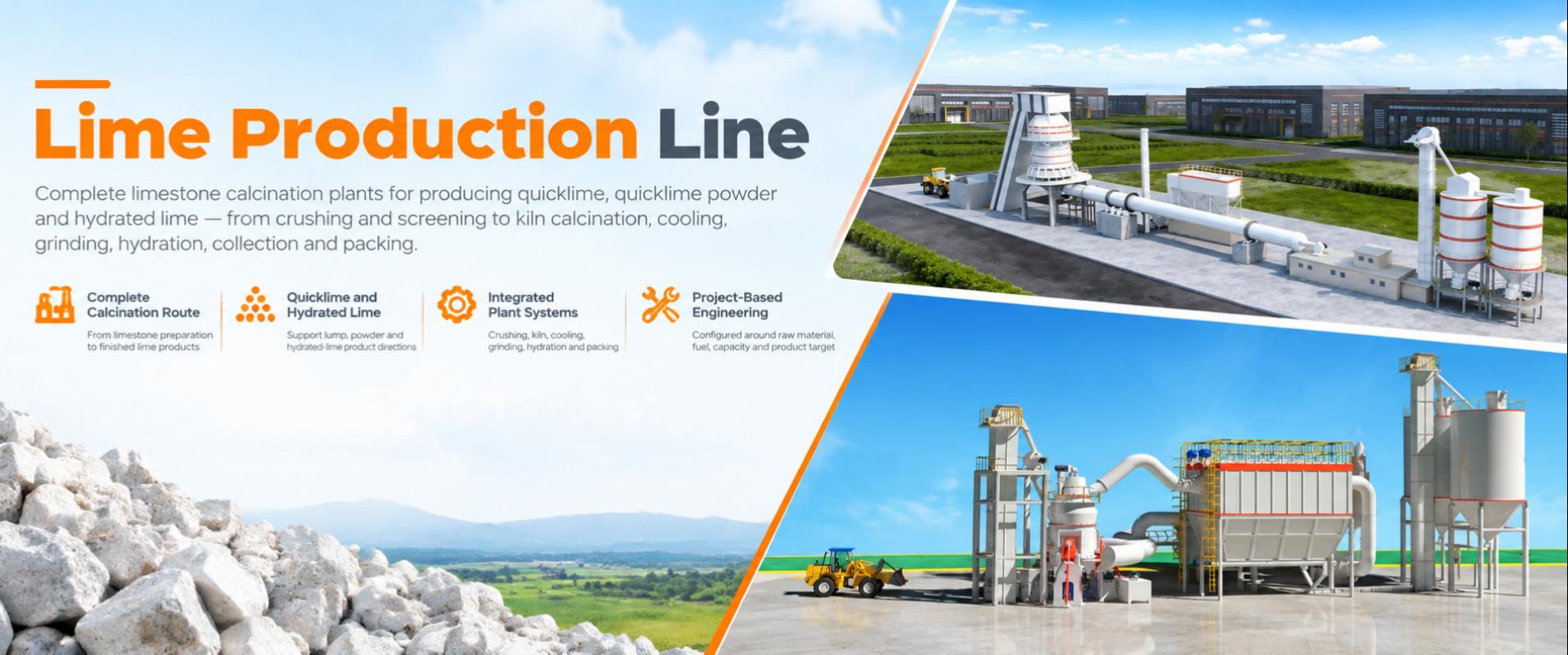
Liming Heavy Industry can provide rotary kilns and calcining kilns for suitable clinker production and industrial calcination applications. A complete integrated cement and slag grinding project may include raw-material crushing, raw meal grinding, preheating, calcination, rotary kiln processing, clinker cooling, clinker storage, slag receiving, slag drying, slag grinding, cement grinding, finished-product storage, packing, bulk loading, dust collection, and automation systems.
When kiln production and slag grinding are combined, the clinker line, heat source, slag drying system, grinding capacity, cement silos, and dispatch equipment should be planned as one coordinated system. Available kiln waste heat may be evaluated as a potential thermal source for slag drying, subject to process design and operating conditions.
Information Needed for Equipment Selection
To configure a suitable slag cement grinding plant, Liming Heavy Industry needs complete material, production, and product information. This allows the LM Vertical Roller Mill or cement ball mill system to be selected according to actual slag conditions and required finished-product quality.
Required output in tonnes per hour, tonnes per day, and tonnes per year.
Planned operating hours, operating days, and required equipment availability.
Slag source, moisture content, particle size, bulk density, grindability, abrasiveness, and chemical composition.
Required product type, including GGBS, slag cement, Portland slag cement, or multi-component blended cement.
Clinker source, feed size, hardness, moisture, chemistry, and grindability data where clinker is used.
Gypsum source, moisture, sulfate content, particle size, and required dosage.
Proportions of slag, clinker, gypsum, limestone, fly ash, pozzolan, or other suitable additives.
Target Blaine fineness, sieve residue, particle size distribution, activity index, and required strength class.
Available heat source, hot gas temperature, fuel type, and required drying capacity.
Available site area, building height, electrical conditions, storage capacity, packing requirement, and dispatch method.
Whether the project requires only a grinding plant or an integrated cement production line with rotary kiln equipment.
Conclusion
Slag cement grinding requires special attention to slag moisture, grindability, abrasiveness, drying capacity, product fineness, and process-air management. A properly configured plant can produce ground slag powder, slag cement, Portland slag cement, and other suitable blended cement products.
Liming Heavy Industry provides LM Vertical Roller Mill solutions for integrated slag drying, grinding, and classification, as well as cement ball mill solutions for dry or pre-dried slag grinding applications. For moist blast-furnace slag, the LM Vertical Roller Mill is generally the preferred configuration because it can combine drying and grinding in one compact process system.
For complete cement and slag production projects, Liming Heavy Industry can also provide rotary kilns, calcining kilns, material-handling systems, dust collection equipment, finished-product silos, packing systems, and bulk loading solutions.