Feed Mineral Processing
Automatic Packing Systems for Feed Mineral Powder Plants
2026-10-17 14:09:08
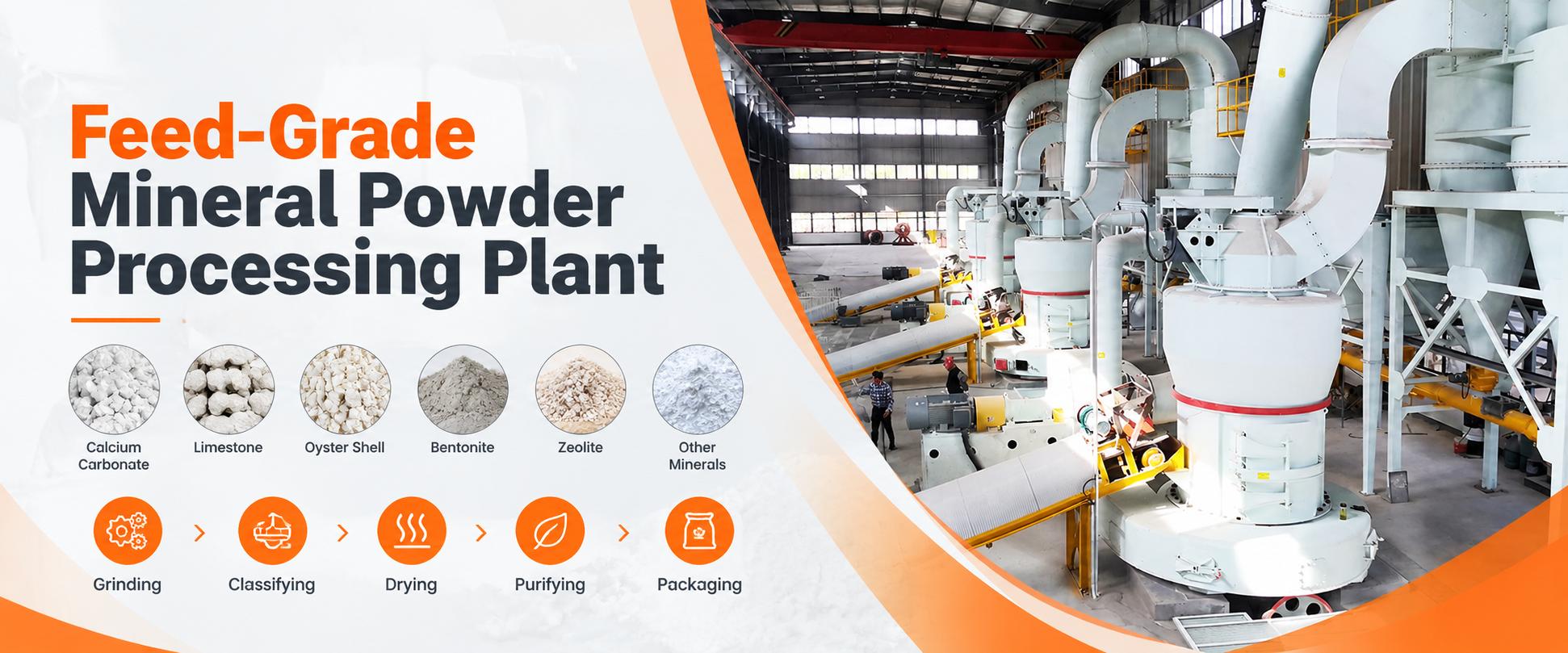
An automatic packing system for a feed mineral powder plant should deliver accurately weighed, securely closed, correctly identified packages without becoming the production bottleneck. For limestone, calcium carbonate, bentonite, zeolite, and other approved mineral ingredients, the right configuration depends on powder behavior, bag format, required output, and the plant’s product-control requirements.
Automation should cover the complete dispatch-ready package—not just the filling step. Bag presentation, dosing, weighing, air removal, closure, inspection, labeling, and palletizing must work together. Industrial packing systems are available in valve-bag, open-mouth, form-fill-seal, and bulk-bag arrangements, with different levels of automation.
Start with the Bag the Customer Receives
Before selecting machinery, define the finished package. The bag must suit the powder, the filling process, the distribution environment, and the customer’s unloading method.
Prepare a packaging specification covering:
Nominal net weight and applicable weight-control requirements.
Bag dimensions, construction, liner, and closure method.
Product-protection and moisture-resistance requirements.
Required print, label, and batch-identification information.
Pallet size, stacking pattern, and load-security requirements.
Expected storage, handling, and transport conditions.
Feed-industry guidance requires appropriate packaging and handling that minimize deterioration and contamination. Labels should also provide clear information consistent with statutory requirements and the intended use of the ingredient.
The practical priority is compatibility: the powder, bag, filling method, and closure system must be tested as a combination.
Which Packing Format Fits the Plant?
| Packing Format | When to Evaluate It | What Must Be Confirmed |
|---|---|---|
| Open-mouth bags | The customer requires bags filled through an open top and closed after filling | Bag presentation, dust control, closure reliability, and handling of the filled bag |
| Valve bags | The product and distribution requirements suit filling through a dedicated valve | Filling behavior, air release, valve compatibility, and the required final seal |
| Form-fill-seal bags | The plant is considering bags formed from film within the packing line | Film compatibility, powder deaeration, seal cleanliness, and package performance |
| Bulk bags | Customers receive larger unit loads for industrial unloading | Bag construction, filling connection, weighing, support, lifting arrangements, and downstream handling |
These formats are established options for dry bulk materials, including mineral powders. Selection should follow product and bag trials rather than the assumption that one format suits every grade.
For valve bags, clarify whether the bag design relies on a self-closing valve or requires a separate sealing operation. Ultrasonic sealing is one available approach for compatible valve bags, but it must be matched to the actual bag construction.
Fine Powder Needs More Than a Fast Filling Spout
A powder can reach the packing station in an aerated condition. If the line fills by weight but does not manage the associated air, the package may require more volume than expected and remain difficult to close or stack. Powder-packing systems therefore use combinations of controlled feeding, deaeration, and settling to produce more compact bags.
During trials, examine the material as it actually arrives from the plant. A settled laboratory sample may not represent freshly conveyed powder at the packing hopper.
Choose the feeder around powder behavior
Screw feeders are relevant for powders that are not free-flowing and for fine, fluidized materials requiring controlled delivery. Single- or double-screw arrangements can be selected according to throughput and product characteristics.
The feeder should provide fast bulk filling followed by controlled final dosing where the weighing design requires it. Ask the supplier to demonstrate how the system prevents uncontrolled discharge after the target weight is approached.
Allow enough time for air removal
Deaeration may take place before filling, inside the bag, or at several stages. Vacuum probes, densification screws, and vibration are established methods used in powder packaging. Their suitability and effect on cycle time must be demonstrated with the actual material.
Do not accept a headline filling speed that excludes the settling or deaeration time needed to produce a stable, closable package.
Gross Weighing or Net Weighing?
Two common weighing arrangements deserve separate consideration:
Gross weighing: the product is weighed as it enters the bag at the filling station.
Net weighing: a defined quantity is weighed in a separate weighing container before discharge into the bag.
Powder-packing installations use both arrangements. Published examples include gross-weighing form-fill-seal systems with densification equipment and net-weighing systems supplied by screw feeders. Neither arrangement is automatically superior for every mineral powder.
Compare the complete cycle, including bag placement, dosing, discharge, air removal, closure, and bag transfer. Also evaluate cleaning access and product retained between batches.
Design the Packing Hopper as Part of the Weighing System
The filling machine cannot compensate for every problem upstream. Review the interface between finished-product storage and the packing station before finalizing the layout.
The design review should address:
How the hopper is replenished during packing.
Whether material flow remains stable across the operating level range.
How venting and dust extraction interact with filling.
Whether the weighing equipment is appropriately isolated from mechanical disturbance.
How the hopper and feeder are emptied and inspected between grades.
What happens when downstream equipment stops.
Require the packing supplier to define these interface conditions. A performance commitment based on an ideal feed arrangement may not apply to a hopper or conveyor designed independently.
Connect Packing Capacity to Grinding Output
Size the line using accepted, closed, identifiable bags ready for palletizing—not the theoretical maximum rate of the dosing device.
The capacity review should include:
| Part of the Line | Capacity Question |
|---|---|
| Finished-product storage | Can the grinding line continue during normal packing interruptions? |
| Bag supply | Can bags be presented reliably at the required operating rate? |
| Filling and weighing | Can the actual powder be dosed accurately at the required rate? |
| Deaeration and closure | Can the bag be compacted and closed within the complete cycle? |
| Inspection and rejection | Can nonconforming bags be removed without losing identification? |
| Palletizing and wrapping | Can downstream handling keep pace with acceptable filled bags? |
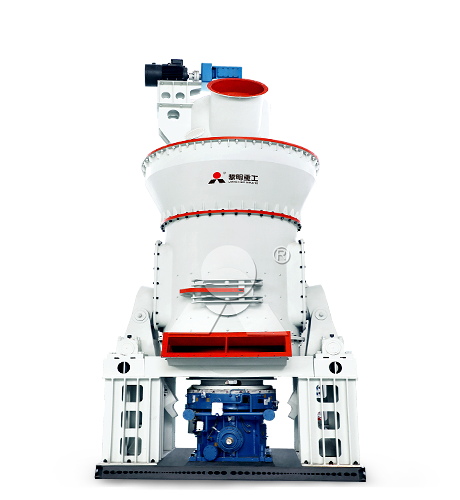
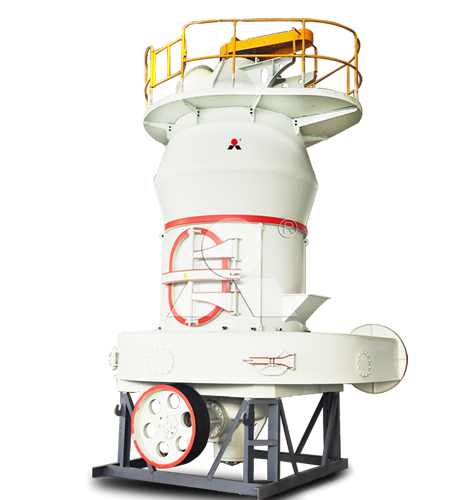
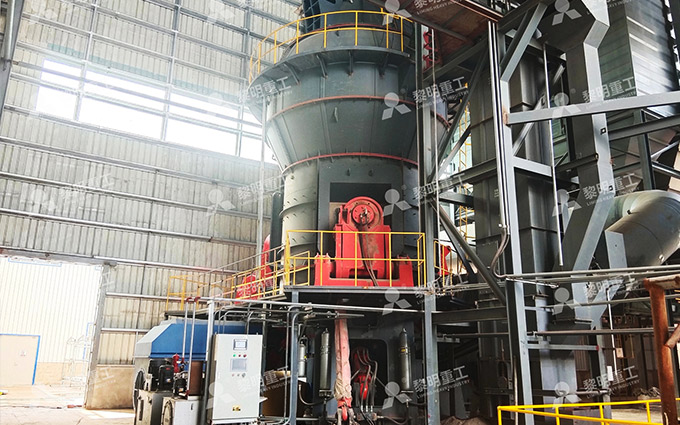
For a plant using a Liming Heavy Industry grinding system, define the packing interface from the mill’s accepted-product output and the planned production schedule. Include buffer storage and stop/start logic in the project scope rather than assuming the packing line will always run continuously.
Control Dust at Filling, Closure, and Bag Transfer
Enclosed screw feeding, suitable filling connections, and well-designed bag handling can help contain powder during packing. Powder-packing equipment also uses air-removal systems to reduce dust around the filling area.
Specify extraction and containment at the locations identified by the site’s exposure assessment. Include bag release, closure, rejected-bag handling, cleaning, and maintenance—not only the filling spout.
Ask the supplier to demonstrate that extraction does not interfere with weighing, remove an unacceptable amount of saleable material, or contaminate another product through shared dust-handling arrangements.
Collected powder needs a defined disposition. Do not return it automatically to finished product without assessing its identity, cleanliness, and compliance with the relevant specification.
Keep Product Identity Attached to Every Bag
A correctly weighed bag with the wrong product label is still a serious dispatch failure. Feed traceability requires records that connect production and distribution, supporting trace-back to the previous source and trace-forward to the next recipient.
A practical control concept should link:
The selected product recipe and source silo.
The approved bag or film format.
The target net weight.
The batch and product information printed on the package.
The inspection and release status.
The pallet or dispatch record.
Define who can authorize a recipe change and how the line is cleared of the previous product’s bags, labels, and residual powder. Where automatic verification is included, test the response to missing, unreadable, or incorrect identification.
Automate Changeovers as Carefully as Filling
A plant packing limestone, bentonite, and zeolite should not assume that an automatic line is automatically suitable for rapid product changes. Feed-handling and weighing equipment must be kept clean, and storage and transport arrangements must minimize confusion and cross-contamination.
Review changeover access at the hopper, feeder, weighing container, filling connection, dust lines, and conveyors. Establish how remaining material will be removed and how cleanliness will be verified.
If products have substantially different requirements, compare shared-line operation with dedicated product-contact routes. Base the decision on the required control level, cleaning time, retained material, and production schedule.
What Should a Packing-Line Acceptance Trial Include?
Use the actual powder and the proposed production bags. Test the complete sequence rather than accepting a demonstration of the filler alone.
Confirm the product condition and packaging specification.
Establish stable hopper feeding and normal line operation.
Verify net-weight performance using the agreed procedure.
Assess filling cleanliness and deaeration.
Inspect closures and handling performance.
Check coding, labeling, and product identification.
Test relevant interlocks, alarms, and rejection functions.
Demonstrate palletizing and load formation where included.
Record accepted bags per hour, stoppages, rejects, and operator intervention.
Include restart and changeover conditions in the agreed trial where they are important to routine operation. Define the action required for bags produced during faults or before the line reaches a stable condition.
Prepare a Complete Packing-System Inquiry
Provide representative powder samples, particle-size information, moisture range, loose and settled bulk-density data where available, required bag weights, bag samples, target accepted output, product-change frequency, available utilities, and the intended pallet arrangement.
Add the feed-ingredient labeling, traceability, cleaning, and product-release requirements. With those conditions defined, the packing system can be selected as the final controlled stage of the mineral powder plant—turning approved powder into a package the customer can receive, identify, store, and use.