Feed Mineral Processing
Bentonite Grinding and Drying Plant for Feed Additive Materials
2026-10-17 14:06:08
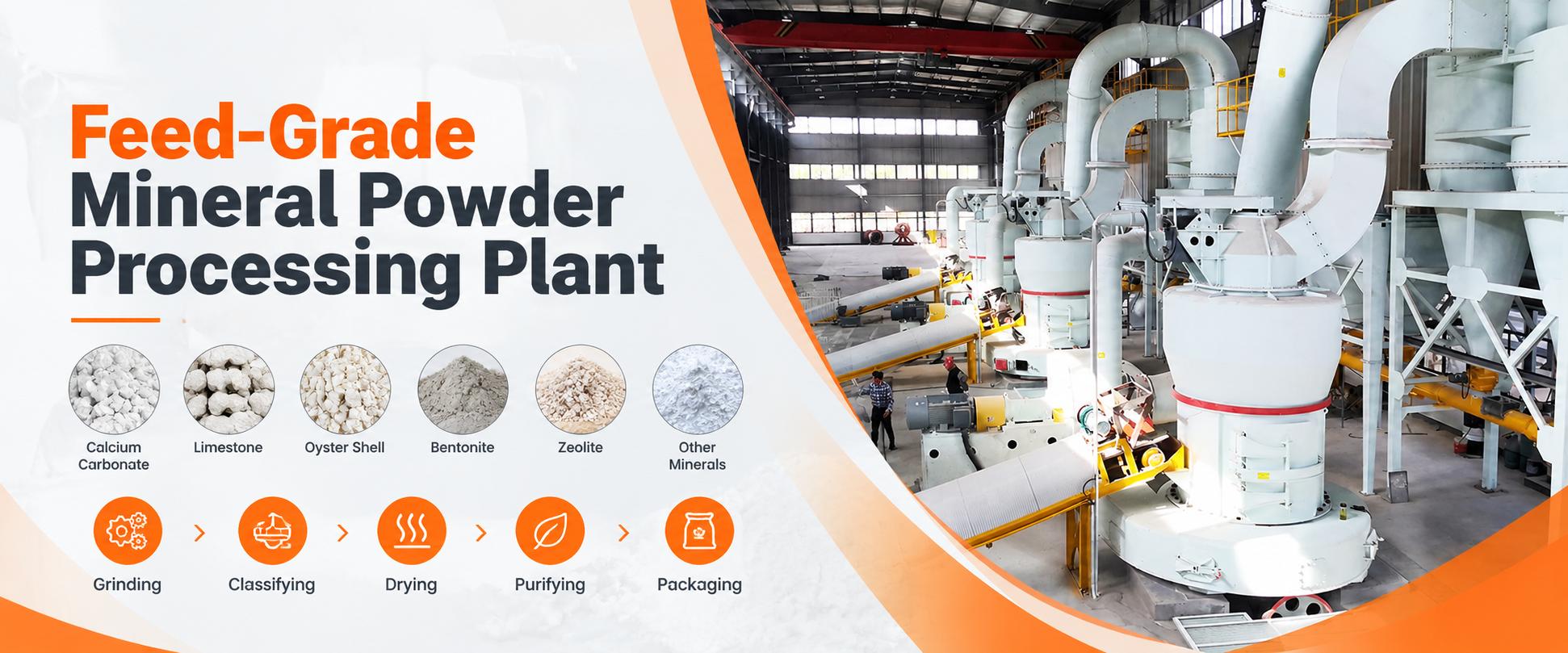
A bentonite grinding and drying plant for feed additive materials must control more than moisture and particle size. It must preserve the characteristics required for the intended additive function while producing a consistent, traceable powder. The process should therefore be developed around an approved mineral source, a defined product specification, and validated drying and grinding conditions.
Bentonite is used in specific feed-additive applications, including anticaking and the reduction of feed contamination by certain mycotoxins. These uses are not interchangeable: suitability depends on the material specification, supporting evidence, and the conditions permitted in the destination market. A powder that meets a grinding target is not automatically qualified for every feed-additive function.
Define the Additive Function Before Designing the Plant
The first question is not “How fine should the bentonite be?” It is “What must this bentonite product be approved and demonstrated to do?”
For example, an assessment of bentonite used to reduce mycotoxin contamination addresses aflatoxin B1 under specified conditions. It does not establish that every bentonite deposit, or every processed bentonite powder, is effective against all mycotoxins.
| Intended Product | What Must Be Established | Plant-Design Consequence |
|---|---|---|
| Bentonite for an anticaking application | Applicable authorization, composition, and functional requirements | Define physical-property targets and demonstrate suitability in the intended feed system |
| Bentonite for an authorized mycotoxin-related application | Permitted function, mineral specification, and required efficacy evidence | Include appropriate functional testing rather than relying on fineness alone |
| Bentonite supplied as a component of a formulated additive | The additive producer’s incoming-material specification and permitted use | Control lot consistency, processing history, and documentation |
In the European Union, feed additives require authorization before being placed on the market. Other destinations must be checked against their own rules. Establish the applicable requirements before finalizing the product name, processing route, labeling, or performance claims.
Raw Bentonite Is Not a Uniform Feedstock
Different deposits can produce materials with different mineral compositions and processing behavior. Even within an approved supply area, the plant should verify that incoming material remains within the agreed specification.
For feed-additive applications, mineral identity deserves particular attention. A recent bentonite assessment describes specifications addressing smectite content, associated minerals, and aflatoxin B1 binding capacity. This illustrates why a general description such as “high-quality bentonite” is insufficient for purchasing or product release.
Build the raw-material qualification program around:
Deposit and supplier identification.
Mineralogical characterization appropriate to the intended additive.
Relevant chemical composition and undesirable substances.
Incoming moisture and its expected seasonal variation.
Lump size, handling behavior, and tendency to form agglomerates.
Functional properties required by the customer or applicable authorization.
Do not assume that drying and grinding can correct an unsuitable mineral composition. These operations prepare the material physically; they do not establish regulatory acceptance or replace functional qualification.
Choose the Drying Route Around the Actual Moisture Load
Drying is often the central process decision in a bentonite plant. Liming Heavy Industry describes dry bentonite processing using low-temperature drying or natural drying before grinding, with the exact route dependent on the material and required product. That general processing description is a starting point—not a validated feed-additive drying specification.
The design objective should be controlled moisture removal. The plant needs material that can be fed, ground, collected, and stored reliably while continuing to meet the finished-product requirements.
Separate drying before grinding
Evaluate a separate drying stage when incoming moisture is high, highly variable, or difficult to accommodate within the proposed grinding system. This arrangement allows the drying duty and grinding duty to be assessed separately.
The proposal should define the incoming moisture range, required dryer discharge condition, heat source, temperature-monitoring points, and response to wetter-than-normal deliveries. Do not size the dryer using only the driest available sample.
Drying within the grinding system
An integrated arrangement may be considered where the mill supplier confirms that the system can handle the required evaporation duty and maintain the specified product. Request a project-specific assessment of airflow, heat input, collection equipment, and operating limits.
Do not assume that a mill’s suitability for bentonite grinding automatically proves that it can dry the plant’s wettest feedstock at the required production rate.
A combined arrangement
Where preliminary drying is needed to stabilize the feed, assess whether a separate stage followed by controlled moisture adjustment in the grinding circuit offers a practical operating window. Treat this as an engineering option to verify through testing, not a standard configuration for every project.
Set Drying Conditions Through Trials, Not a Universal Temperature
A single drying temperature cannot serve as a reliable specification for every bentonite feed-additive material. The project should establish its operating window using representative material and the actual quality characteristics that must be retained.
In the trial program, record:
Incoming moisture and material condition.
Drying-air conditions and measured material temperatures.
Residence conditions where relevant.
Moisture after drying and after grinding.
Particle-size distribution.
Required functional test results.
Specify the basis and method for moisture reporting. Also distinguish hot-air temperature from product temperature; recording one does not adequately document the other.
Where combustion gases contact the material, include that arrangement in the contamination assessment. Review the fuel, combustion control, gas cleanliness, and monitoring requirements before accepting a direct-contact design.
How Grinding and Classification Fit into the Process
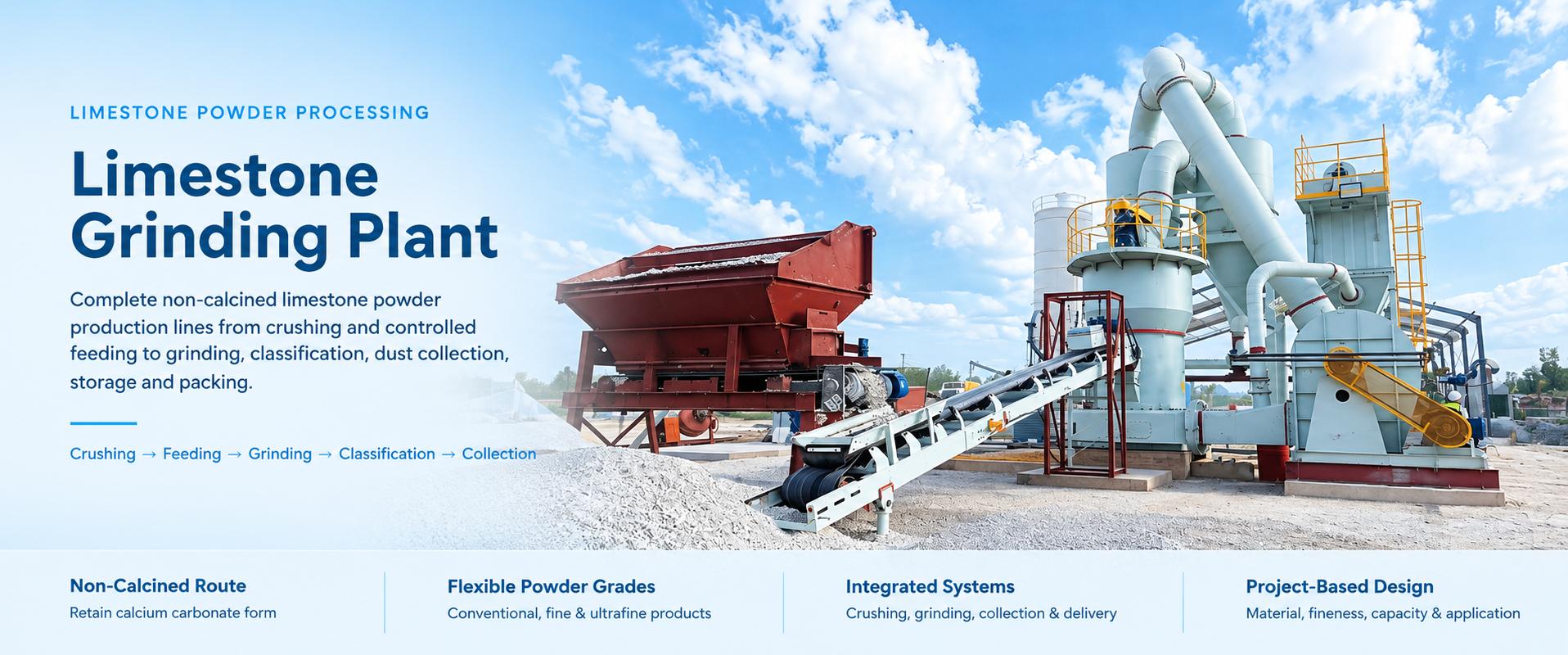
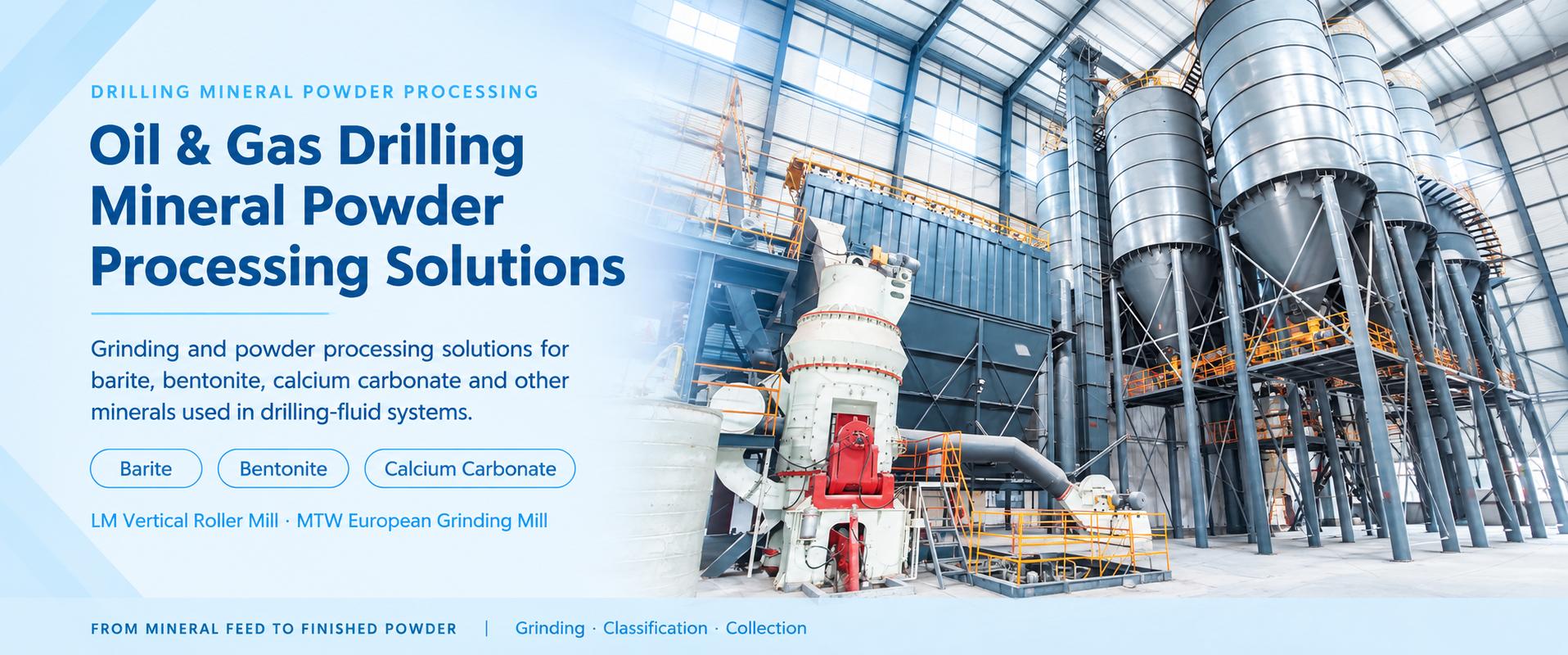
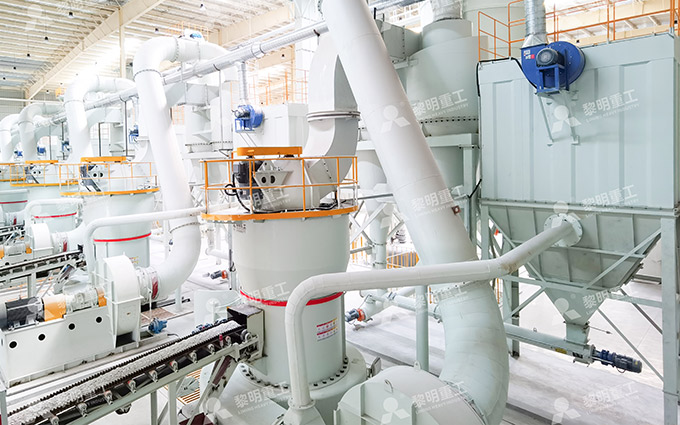
Once the material is suitable for stable feeding, grinding reduces its size and classification controls the accepted powder fraction. Liming Heavy Industry’s bentonite processing description includes crushing, metered feeding, grinding, classification, and collection, with material outside the required fineness returned for further grinding.
For a feed-additive product, the particle-size target should come from the agreed specification. Do not adopt a general industrial bentonite grade simply because it appears in an equipment brochure.
A useful fineness specification should state:
The measurement method.
The required distribution or sieve-passing limits.
The allowable coarse fraction.
Any restriction on excessive fines.
The sampling and sample-preparation procedure.
If adsorption or another functional property is part of the product requirement, test it separately. Meeting a mesh target does not demonstrate efficacy. Bentonite assessments for mycotoxin-related use address binding performance as well as mineral composition.
Liming Heavy Industry Grinding Options
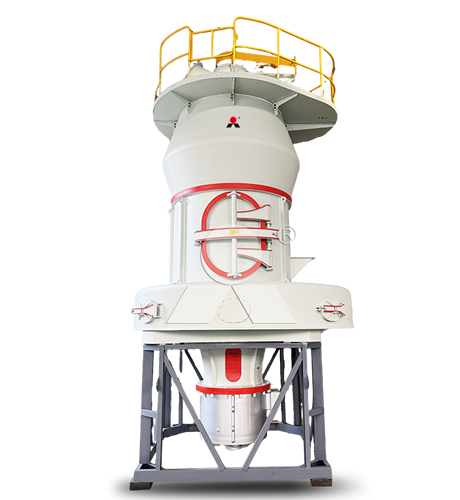
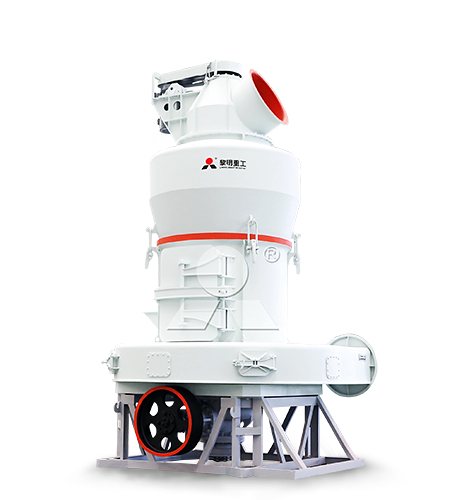
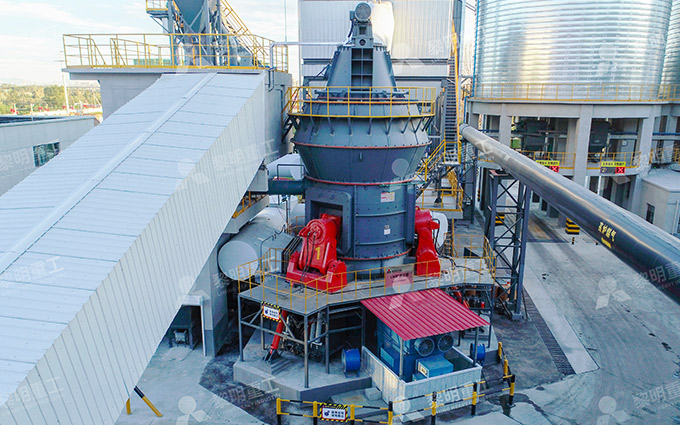
For conventional fine bentonite powder, Liming Heavy Industry identifies the MTW European Type Grinding Mill and LM Vertical Roller Mill as relevant processing options. The manufacturer also lists LUM Ultrafine Vertical Mills and MW Micro Powder Mills for finer bentonite processing duties.
| Grinding Option | When to Evaluate It | What Needs Verification |
|---|---|---|
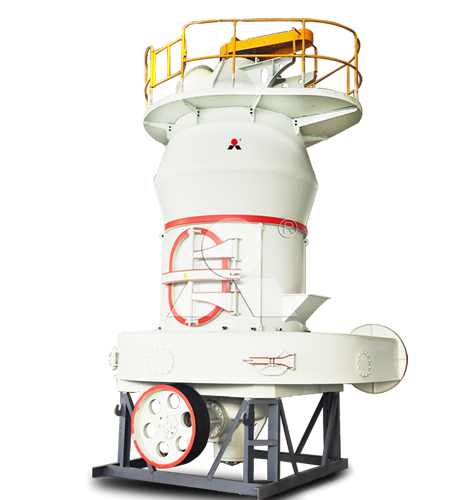
| Liming Heavy Industry MTW European Type Grinding Mill | A conventional fine-powder specification | Feed-moisture requirements, achievable distribution, output, and complete drying arrangement |
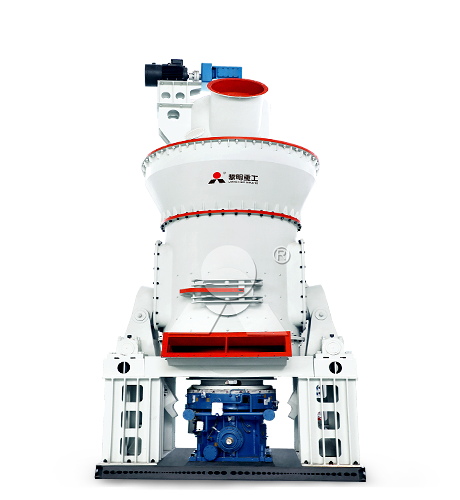
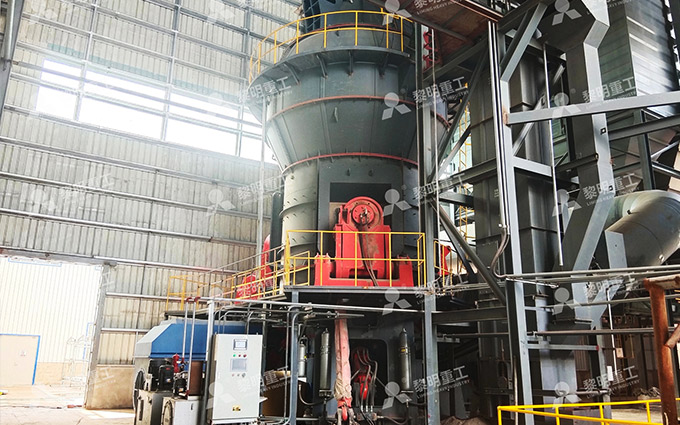
| Liming Heavy Industry LM Vertical Roller Mill | A vertical grinding arrangement assessed with the plant’s drying and handling duties | Evaporation capability where proposed, stable throughput, classification performance, and maintenance access |
| Liming Heavy Industry LUM Ultrafine Vertical Mill or MW Micro Powder Mill | A customer-validated requirement for a finer product | The need for additional fineness, functional compliance, powder handling, and operating cost |
These are mineral-processing equipment options. Their listing for bentonite does not establish feed-additive approval for the processed product or the complete installation. Review product-contact components, wear materials, lubrication separation, cleaning access, and contamination controls against the project’s requirements.
Ask for a performance proposal based on representative material. Any capacity commitment should identify the incoming moisture, feed size, finished fineness, heat-supply conditions, and boundaries of the supplied system.
Keep Industrial Activation Separate from Feed Qualification
Some industrial bentonite processing routes include purification, sodium treatment, extrusion, or other modification steps. Liming Heavy Industry illustrates such operations in its general bentonite processing information. They should not be copied automatically into a feed-additive plant.
Before adding a treatment chemical or modification stage, confirm that the resulting product remains within the intended regulatory identity and customer specification. Document the treatment materials, process controls, and verification requirements.
“Activated bentonite” is not, by itself, sufficient evidence of feed suitability or broader mycotoxin-binding performance. Efficacy must be supported for the particular material and intended function; an assessment of a modified bentonite preparation, for example, could not establish efficacy where the supporting evidence was insufficient.
Design Dust Control Around Worker Exposure
Dust management must be part of the original plant design. Bentonite assessments identify inhalation concerns and recommend minimizing user exposure; associated crystalline silica can also be relevant to the material’s hazard profile.
Include exposure-control provisions at:
Dry-material discharge points.
Mill feeding and powder transfer locations.
Collectors and finished-product silos.
Bag-filling and bulk-bag stations.
Sampling points and maintenance access areas.
Use a site-specific occupational risk assessment to determine engineering controls, housekeeping methods, monitoring, and personal protective equipment. Do not rely on visible dust alone to judge whether exposure is adequately controlled.
Commission the Plant Against the Complete Specification
A successful trial must demonstrate more than acceptable mill output. It should show that the drying and grinding line repeatedly produces material meeting the required moisture, particle-size, composition, and functional criteria.
| Trial Check | Acceptance Question |
|---|---|
| Raw-material representativeness | Does the trial reflect the approved supply and expected moisture range? |
| Drying performance | Can the line maintain the required moisture without leaving the validated operating window? |
| Grinding performance | Can it achieve the agreed distribution at the required accepted-product output? |
| Functional quality | Does the processed material meet the tests required for its intended use? |
| Handling and packing | Can the product be transferred, identified, packed, and stored as specified? |
| Traceability | Can every dispatched lot be connected to its source, processing records, and release results? |
Prepare a Complete Project Brief
Before requesting a bentonite grinding and drying plant proposal, provide the mineralogical analysis, relevant safety results, incoming moisture range, representative samples, required finished moisture, particle-size specification, intended additive function, target output, operating schedule, available heat source, and packaging format.
Include the functional acceptance criteria and destination-market requirements from the beginning. With those conditions defined, a Liming Heavy Industry grinding system can be evaluated as part of a complete process that delivers the specified material—not merely a dry, finely ground clay.