Feed Mineral Processing
How to Choose the Right Fineness for Feed-Grade Mineral Powder
2026-10-17 14:04:47
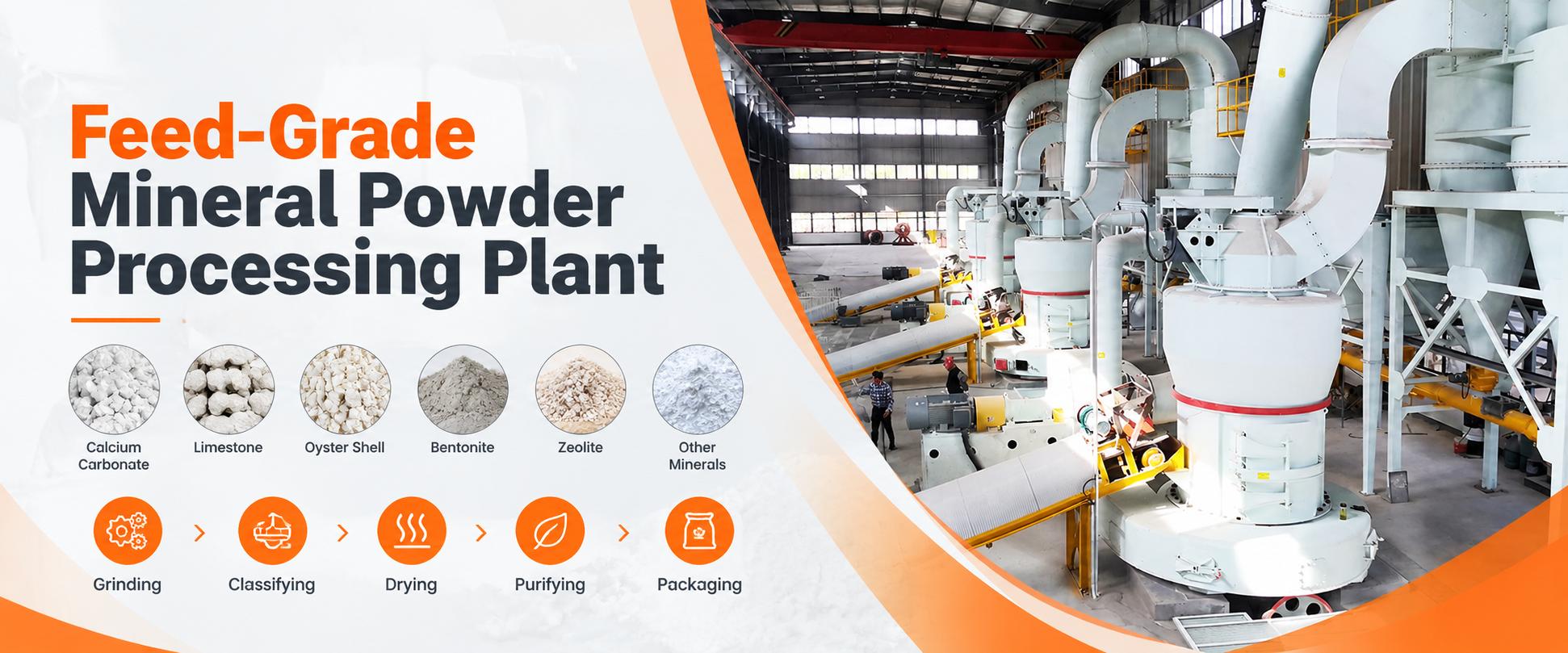
The right fineness for feed-grade mineral powder depends on the mineral, the animal being fed, the purpose of the ingredient, and the feed manufacturer’s processing requirements. There is no single mesh size that suits every application. A limestone powder for a compound-feed formulation, a coarse calcium ingredient for laying hens, and a mineral component for a premix may require different particle-size specifications.
The practical objective is consistency: produce the particle-size distribution that the customer needs, verify it with an agreed test method, and maintain it from batch to batch. For limestone in particular, particle size and solubility can influence calcium utilization, so choosing fineness is more than a grinding-equipment decision.
Begin with the Feeding Application, Not a Mesh Number
Before asking whether a mineral should be ground to 100, 200, or 325 mesh, establish what the finished ingredient is expected to do. Those numbers describe processing targets, not universal feeding recommendations.
| Application | What to Establish First | Implication for Fineness Selection |
|---|---|---|
| Calcium ingredient for compound feed | Animal species, production stage, formulation requirements, and customer acceptance limits | Select a particle-size distribution approved for that formulation rather than adopting a general industrial powder grade |
| Limestone for laying hens | Required fine and coarse fractions and the nutritionist’s calcium-supply strategy | Consider controlled coarse particles or a specified combination of sizes instead of automatically choosing fine powder |
| Mineral ingredient for a premix | Inclusion rate, other ingredient characteristics, mixing process, and handling conditions | Evaluate the proposed grade in the actual mixture and downstream handling route |
| Several products supplied from one plant | Separate specifications and demand for each grade | Assess whether the products need different processing routes, storage, or production campaigns |
The distinction is especially important for poultry calcium. Research on limestone shows that particle size affects retention and calcium release, with coarse particles offering benefits for eggshell quality under many studied conditions. However, results vary with factors such as bird age and the material itself; they do not justify one particle-size recommendation for every poultry diet.
Why the Finest Powder Is Not Always the Best Product
A finer product may look more uniform, but appearance alone does not establish nutritional suitability. Limestone provides a useful example of why grinding decisions must account for what happens after the ingredient is consumed.
Coarse limestone particles can remain in the gizzard longer than fine particles. This longer retention helps explain why a material that dissolves more slowly in a laboratory test can still provide effective calcium availability in the bird. A meta-analysis found different relationships between particle size and laboratory versus in-animal solubility, demonstrating why a single test result should not be interpreted in isolation.
That does not mean every calcium product should be coarse. It means the particle-size requirement must follow the feeding objective. The nutritionist defines the intended calcium-delivery profile; the mineral processor supplies a product that reliably meets it.
For a processing plant, unnecessary grinding also needs a commercial justification. Before specifying a finer grade, ask what measurable customer requirement it satisfies and whether the customer has validated that requirement in the intended feed.
Describe the Distribution, Not Just the Average
A mineral powder contains a range of particle sizes. A single average or a nominal mesh label cannot describe that range completely.
Two products can have similar central particle sizes while differing substantially in their coarse tails or fine fractions. To make the specification useful, state which parts of the distribution must be controlled.
For screened or relatively coarse products
A sieve-based specification can identify the amount retained on, or passing through, selected sieve openings. The purchasing document should name the sieve standard, aperture sizes, test procedure, and acceptance limits.
For a coarse limestone product, this approach can make the desired size band and the allowable fine fraction explicit. It is more useful than a description such as “medium calcium granules.”
For fine powders
A fine-powder specification may use sieve residue, laser-diffraction results, or another agreed method appropriate to the material. Where percentile values are used, define them clearly:
D10 identifies the size below which 10% of the measured distribution falls.
D50 identifies the median size of the measured distribution.
D90 identifies the size below which 90% of the measured distribution falls.
State whether the reported distribution is based on volume, mass, or another basis. Also record the sample preparation and dispersion procedure. Results from different measurement methods should not be treated as interchangeable without an agreed comparison.
For purchasing and plant acceptance, avoid using D50 alone. Include an upper-size control or coarse-residue limit where oversize particles matter, and a fine-fraction limit where the customer requires one.
Treat Mesh as a Starting Description
Mesh terminology is convenient when discussing grinding equipment, but it needs clarification before becoming a contractual product specification.
A request for “200-mesh powder” leaves several questions unanswered:
Which sieve standard applies?
What aperture size is intended?
What percentage of the sample must pass?
How will the sample be collected and tested?
Is there also a limit on excessive fines?
Replace an informal mesh description with measurable acceptance criteria. This prevents a supplier and customer from using the same product name while expecting different particle-size distributions.
Liming Heavy Industry publishes broad mesh-based processing ranges for its limestone grinding equipment. Those ranges are useful for initial equipment screening, but they are equipment capabilities—not feed-nutrition specifications.
Keep Particle Size Separate from Mineral Quality
A powder can meet its fineness target and still differ from another batch in calcium content or solubility. A global survey of limestone used in poultry diets identified variation in mineral composition, particle size, and solubility, all of which matter when characterizing the ingredient.
Do not use particle size as a substitute for chemical analysis or source approval. Build the product specification around separate requirements for:
Mineral identity and nutrient composition.
Applicable feed-safety and contaminant criteria.
Particle-size distribution.
Moisture and other agreed handling characteristics.
Solubility testing where required by the customer.
If the quarry source or extraction area changes, check whether the existing grinding settings still produce an acceptable product. A machine setting is an operating condition; it is not proof that the finished ingredient remains unchanged.
A Practical Way to Establish the Target Fineness
When a customer does not already have a validated specification, use a controlled comparison rather than choosing a familiar mesh grade.
Step 1: Agree on the decision criteria
Ask the customer to identify the intended animal group, ingredient inclusion context, feed-manufacturing route, and quality requirements. Separate nutritional criteria from processing criteria so each can be evaluated appropriately.
Step 2: Prepare a small number of candidate grades
Use representative material from the approved source. Produce clearly identified grades that differ in a controlled way, and measure their complete particle-size distributions using the same method.
Do not compare one grade made from a different mineral source and assume that any performance difference comes from fineness alone.
Step 3: Evaluate the grades in the customer’s process
Review weighing, conveying, mixing, storage, and discharge behavior under the customer’s operating conditions. Where nutritional performance needs verification, the customer’s nutrition team should define the assessment and its acceptance criteria.
Step 4: Confirm production feasibility
For each acceptable grade, determine whether the plant can maintain the required output and product consistency. Record operating conditions, sampling results, wear observations, and any restrictions identified during the trial.
Step 5: Freeze the specification
Once a grade is accepted, document the target distribution, tolerances, test method, sampling procedure, and change-control requirements. This becomes the basis for routine production and customer acceptance.
Match the Grinding Equipment to the Approved Product
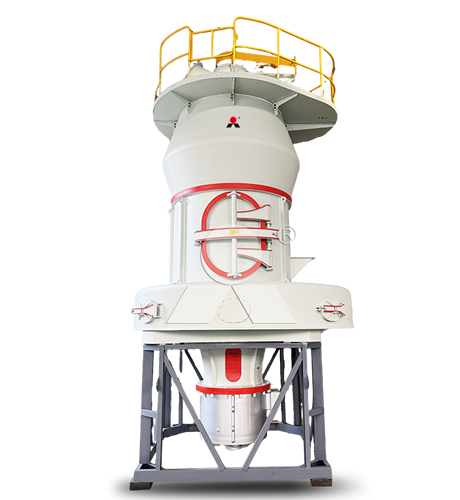
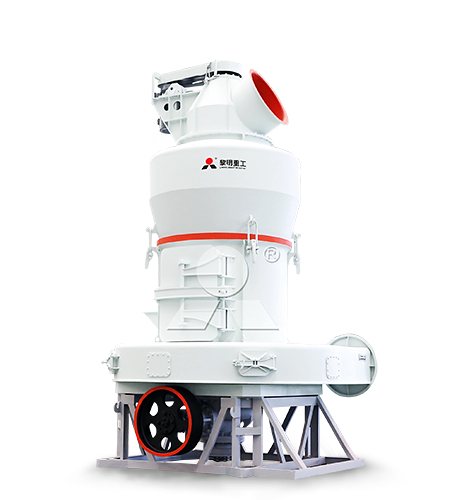
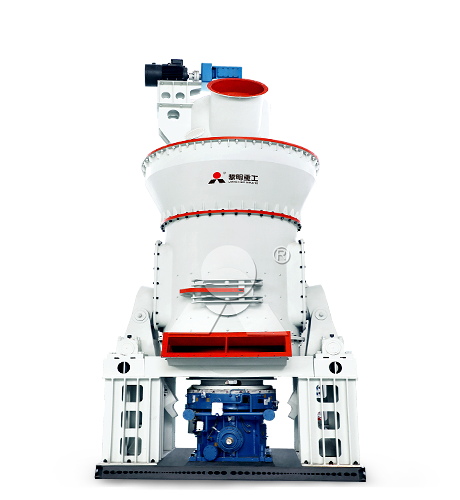
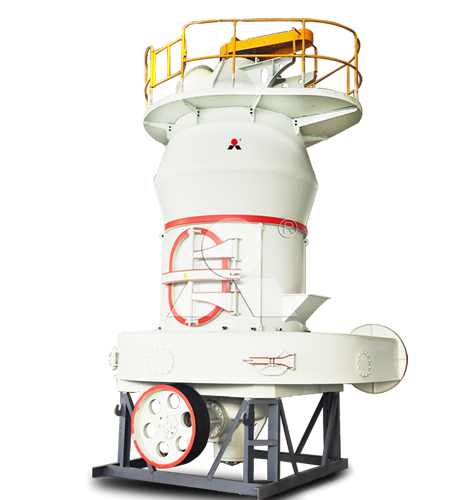
Equipment selection should follow the fineness decision—not determine it. Liming Heavy Industry lists the MTW European Type Grinding Mill and LM Vertical Roller Mill for fine limestone powder processing, and the LUM Ultrafine Vertical Mill and MW Micro Powder Mill for finer processing duties.
| Required Product | Equipment Route to Evaluate | Main Verification Point |
|---|---|---|
| Conventional fine limestone or calcium carbonate powder | Liming Heavy Industry MTW European Type Grinding Mill or LM Vertical Roller Mill | Output and particle-size distribution with the actual mineral |
| A specifically justified ultrafine mineral powder | Liming Heavy Industry LUM Ultrafine Vertical Mill or MW Micro Powder Mill | Whether the finer specification is necessary and can be maintained economically |
| A controlled coarse limestone fraction | A suitable crushing-and-screening route rather than automatic fine grinding | Required size band and allowable fines |
The listed grinding mills are mineral-processing options. Their suitability for a particular feed-ingredient installation must be reviewed against the material, product-contact arrangements, cleaning requirements, and complete plant design. The manufacturer’s limestone equipment listing does not by itself establish feed-grade approval.
Request a performance proposal that states the incoming material conditions, target distribution, sampling method, and guaranteed output at that specification. A maximum catalog capacity at another fineness is not a reliable basis for comparing proposals.
Control Fineness After the Mill Is Commissioned
The approved target must remain measurable during routine production. Establish sampling points and a testing frequency that can detect meaningful changes before large quantities are dispatched.
A practical operating record should connect each test result with:
The raw-material lot.
The product grade being manufactured.
The sampling location and time.
The relevant mill and classifier settings.
The production rate during sampling.
Any maintenance or process changes since the previous accepted result.
If a batch falls outside the agreed distribution, investigate the material and operating conditions before changing several settings at once. Make controlled adjustments, retest the product, and document the conditions that restore compliance.
What a Useful Fineness Specification Looks Like
A clear purchasing description might read: “Feed-grade ground limestone for the specified animal-feed application, supplied from the approved source, meeting the agreed composition and contaminant requirements, with particle-size acceptance based on the named test method and limits.” The accompanying schedule would then contain the actual size thresholds, tolerances, sampling procedure, and release requirements.
This is more actionable than asking for the finest available powder. It gives the customer a defined ingredient, gives the plant an achievable production target, and gives the equipment supplier a clear basis for selecting and testing the grinding system.