Feed Mineral Processing
What Information Is Needed to Design a Mineral Grinding Plant?
2026-10-17 14:10:23
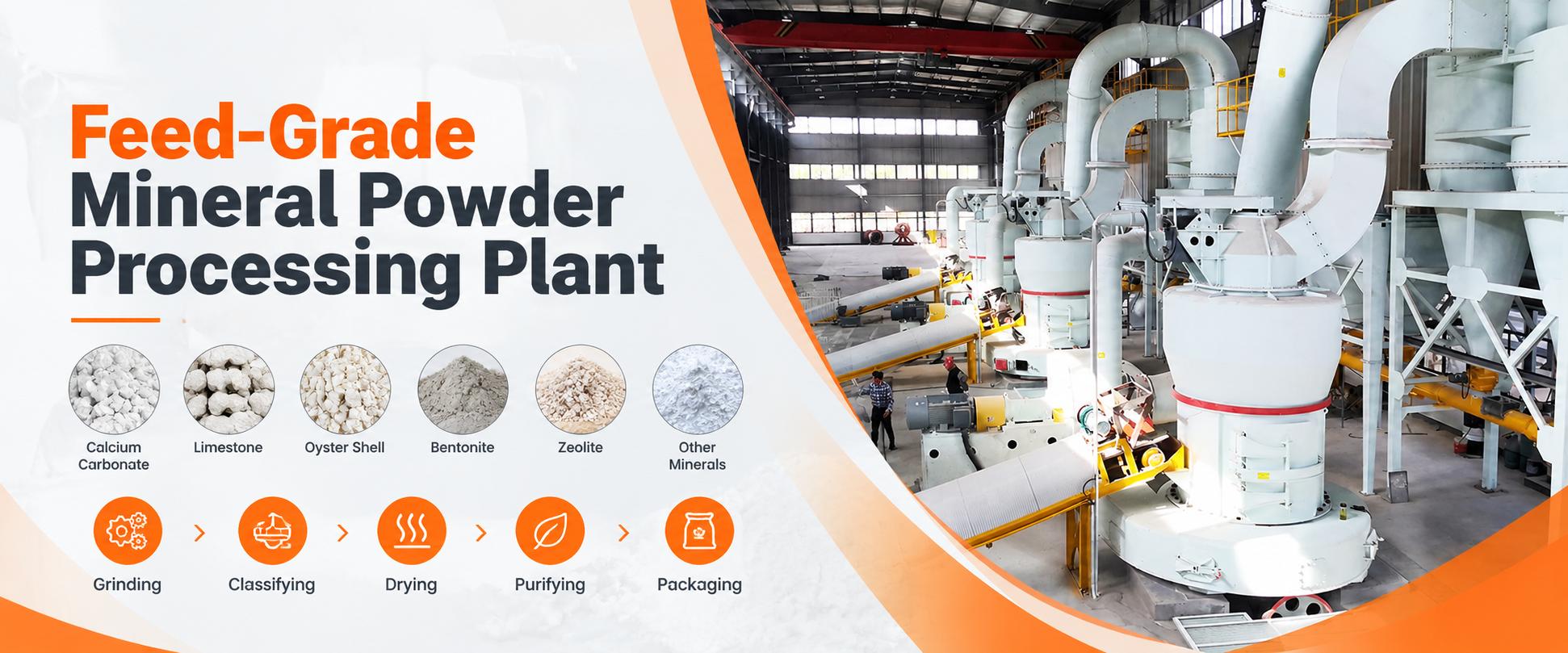
To design a mineral grinding plant, the equipment supplier needs a clear description of the raw material, the finished-product specification, the required production rate, and the site conditions. For feed-grade mineral powders, the design brief must also address ingredient suitability, contamination control, cleaning, traceability, and product release.
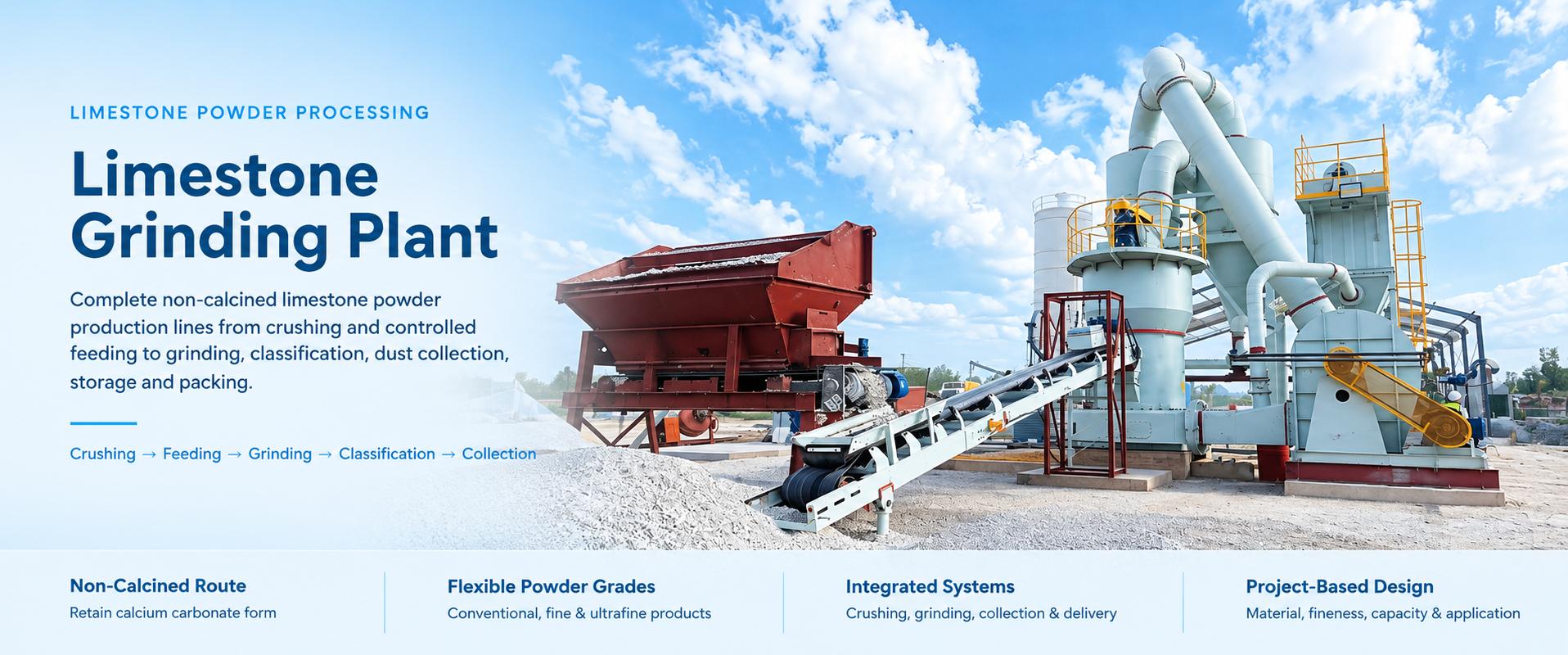
A request such as “We need a limestone grinding plant” is enough to begin a discussion, but not enough to select a reliable configuration or prepare a meaningful performance commitment. Liming Heavy Industry identifies target fineness, capacity, moisture, and classification requirements as central considerations in limestone plant design.
The Minimum Information for an Initial Proposal
Prepare the following information before requesting equipment selection. Where a value is not yet available, identify it as unknown rather than supplying an estimate without explanation.
| Information Required | What to Provide | Why It Matters |
|---|---|---|
| Material identity | Mineral name, source, composition, and intended use | Establishes the material being processed and the product qualification requirements |
| Representative sample | Material reflecting normal supply and relevant variability | Supports grinding, classification, drying, and handling trials |
| Incoming size | Maximum lump size and a useful description of the size distribution | Helps determine preliminary crushing and feeding requirements |
| Moisture | Normal and maximum expected values, with the test method and reporting basis | Supports drying-duty and feed-handling assessment |
| Finished fineness | Particle-size distribution or sieve limits, together with the acceptance method | Defines the grinding and classification duty |
| Production requirement | Accepted output, operating hours, and demand by product grade | Supports complete-line capacity planning |
| Site conditions | Available area, height restrictions, utilities, access, and local conditions | Determines how the proposed system can be installed and operated |
| Delivery format | Small bags, bulk bags, bulk loading, or a combination | Defines storage, packing, and dispatch requirements |
The most valuable characteristic of the brief is clarity. A precise product requirement is more useful than a preferred mill model without supporting material data.
Describe the Actual Material, Not Only Its Name
“Calcium carbonate,” “bentonite,” and “zeolite” identify broad material categories. They do not fully describe the feedstock that will reach the mill.
Include the source location, supplier information, available laboratory analyses, and any known variation between deliveries or extraction areas. Provide observations about hardness, abrasiveness, stickiness, agglomeration, and handling problems where available. Distinguish measured properties from operator observations.
For limestone and calcium carbonate
Provide the mineral analysis, incoming stone condition, and required finished grade. State whether the project supplies fine powder only or also requires a separate coarse calcium product.
For bentonite
Describe the incoming physical form and moisture variation carefully. Damp lumps, a friable dry material, and sticky filter cake should not be treated as equivalent feeds for equipment selection.
For zeolite
Provide mineralogical identification and the intended product specification. Do not assume that grinding can correct a source that does not meet the required mineral composition.
For feed applications, source qualification belongs in the project from the beginning. Feed hazards can enter with raw materials or arise through contamination during handling, storage, and transport.
Supply Samples That Represent Production
Ask the equipment supplier or testing laboratory to specify the quantity, preparation, and packaging needed for the proposed trials. Different tests may require different sample quantities and conditions.
A useful sampling plan should identify:
Where and when the sample was collected.
Which delivery, stockpile, or extraction area it represents.
Whether the sample reflects normal, wet-season, or other challenging conditions.
Whether it has been dried, crushed, screened, or otherwise prepared.
Which laboratory results belong to that sample.
Avoid submitting only selected clean pieces if the plant will normally receive mixed-size material with variable moisture. If several sources will be used, discuss whether they need separate trials rather than blending them into one convenient sample.
The test program should answer specific questions: achievable fineness, accepted output, drying requirements, classification behavior, and any handling limitations. Define those questions before the trial begins.
Turn “Mesh” into an Acceptance Specification
A nominal mesh description is useful for preliminary discussion, but it is incomplete as a finished-product requirement.
For a sieve-based specification, state:
The sieve standard and aperture sizes.
The required percentage passing or retained.
The sampling and test procedure.
Any additional limit on coarse particles or excessive fines.
For an instrument-based particle-size specification, identify the measurement method, reporting basis, sample preparation, and required distribution values. Do not use results from different methods interchangeably without an agreed comparison.
Fineness must be connected to capacity. Request output at the required product specification, not the highest output quoted for another grade. Liming Heavy Industry’s limestone design guidance treats target fineness and production capacity as linked selection factors.
State Capacity in Terms of Accepted Product
Explain whether the required production figure refers to wet incoming material, mill discharge, collected powder, or packed product. These are different boundaries, and the proposal should use the same boundary as the project requirement.
Provide:
Annual demand and expected peak demand.
Required output for each grade.
Operating days and shifts.
Planned maintenance and inspection time.
Expected product-change frequency.
Storage and dispatch constraints.
If the plant makes several grades, show their expected production shares. A line selected for the easiest grade may not meet the overall schedule when a finer or wetter product requires more processing time.
Also identify future demand separately from the initial requirement. This allows the supplier to distinguish between equipment needed now and provisions that should be reserved for expansion.
Explain the Moisture Range and Available Heat Source
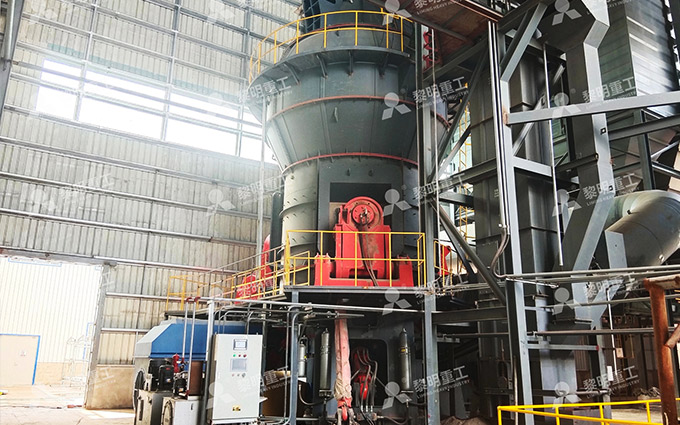
Moisture affects the choice of preparation and grinding arrangement. Liming Heavy Industry identifies incoming moisture as an important selection factor and describes integrated drying as a consideration when evaluating LM Vertical Roller Mill systems.
Provide normal and maximum incoming moisture, not just one average. Identify the measurement method and whether the values are reported on a wet or dry basis.
If drying may be required, add:
The required finished moisture condition.
The available fuels or other heat sources.
Restrictions on direct contact between drying gases and product.
Any temperature or functional-property limits.
Seasonal supply conditions.
The required response to unusually wet deliveries.
Do not choose a dryer or integrated drying arrangement before the supplier has assessed the actual moisture-removal duty and material behavior.
Provide a Site Package, Even for an Early-Stage Project
A simple site plan with reliable dimensions is more useful than photographs alone. Include existing buildings, access routes, proposed equipment areas, and restrictions that could affect installation.
| Site Information | Details to Include |
|---|---|
| Available space | Plot dimensions, usable floor area, clear height, and reserved expansion areas |
| Existing structures | Drawings and verified load information where equipment may use existing floors or foundations |
| Electrical supply | Voltage, frequency, available capacity, and relevant site standards |
| Other utilities | Compressed air, heat sources, water where required, and utility connection locations |
| Local conditions | Altitude, ambient temperature range, humidity, and other relevant environmental conditions |
| Access and logistics | Delivery access, lifting restrictions, internal traffic, and loading arrangements |
| Permitting constraints | Applicable dust, noise, building, occupational, and environmental requirements |
Identify which information is confirmed and which still requires survey or engineering verification. Do not treat an early conceptual layout as a construction drawing.
Add the Feed-Grade Requirements Before Equipment Is Ordered
For a feed mineral plant, cleaning, maintenance, and contamination control should influence the design rather than be added after installation. Feed-handling equipment, storage, transport systems, and dust collectors should be constructed so they can be adequately cleaned and maintained.
The brief should define:
Approved raw-material and finished-product specifications.
Applicable destination-market requirements.
Product-contact material requirements.
Foreign-metal control needs.
Product-change and cleaning procedures.
Sampling locations and batch-release arrangements.
Segregation of approved, unreleased, and rejected material.
Traceability and recordkeeping expectations.
If several minerals will share the line, identify the contamination risks and the cleaning standard that must be achieved. Do not assume that a shared mill, collector, silo, or packing system is acceptable simply because all products are minerals.
Use the Information to Select a Liming Heavy Industry System
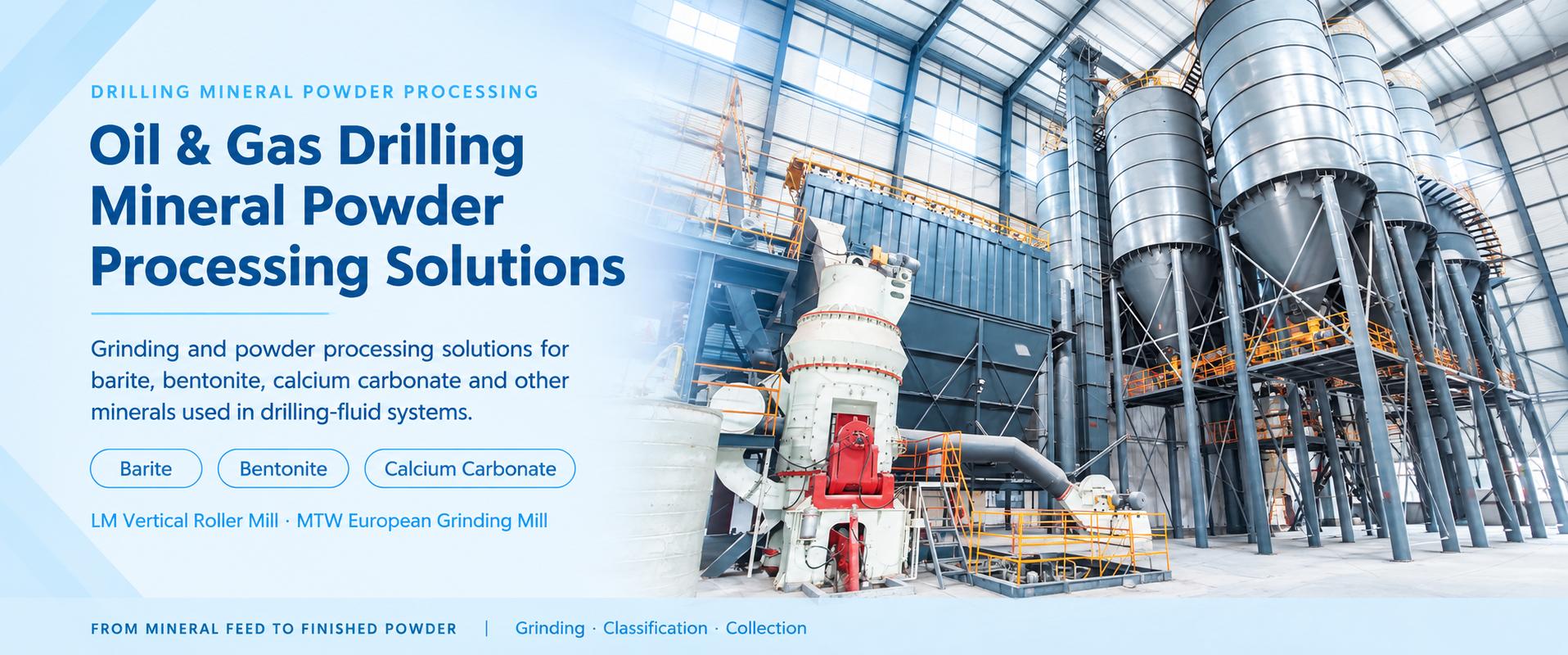
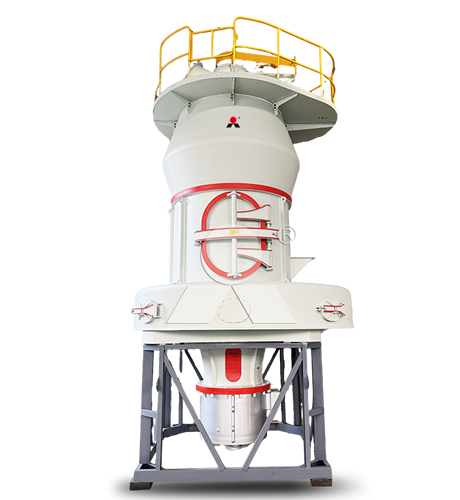
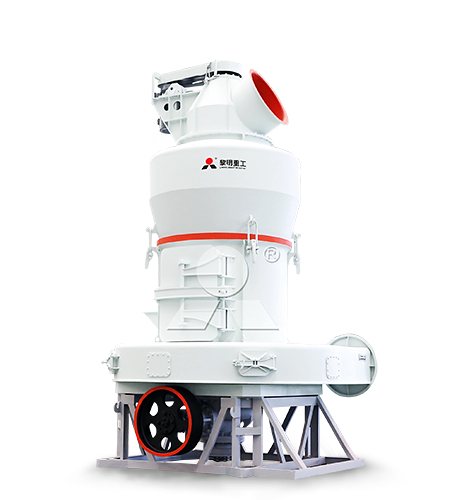
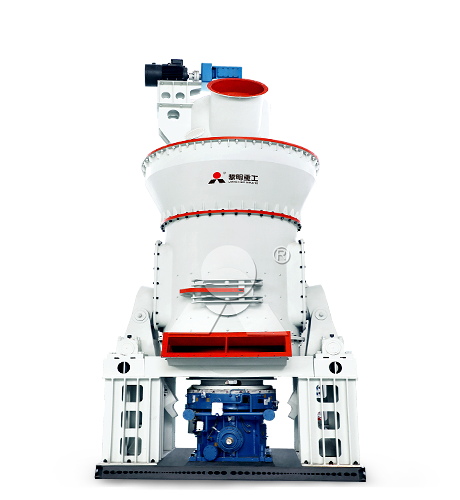
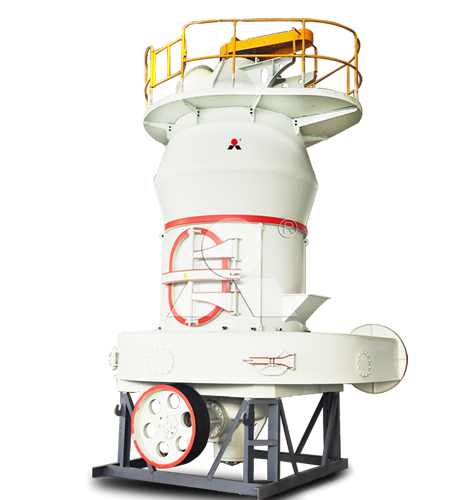
For conventional fine limestone powder, Liming Heavy Industry identifies MTW European Type Grinding Mills and LM Vertical Roller Mills as options to evaluate. For finer requirements, its limestone design guidance points to LUM or MW ultrafine systems. Final selection should follow representative material testing and the specified production duty.
| Design Requirement | Selection Approach |
|---|---|
| Conventional fine limestone or calcium carbonate powder | Evaluate Liming Heavy Industry MTW and LM systems against the same material, fineness, and output conditions |
| A material requiring substantial moisture removal | Assess an LM-based integrated arrangement against a separate drying-and-grinding route |
| A justified finer-powder specification | Evaluate Liming Heavy Industry LUM or MW equipment using material trials and complete product requirements |
| Bentonite, zeolite, or another mineral | Require a material-specific suitability assessment rather than transferring limestone performance assumptions |
A mill model does not establish feed-grade compliance. Review the complete installation, operating procedures, and finished ingredient separately.
What If Some Information Is Still Missing?
An early proposal can proceed with documented assumptions, but those assumptions must remain visible. Separate the project into a preliminary concept stage and a verified design stage.
For each missing item, record who will provide it and when it must be confirmed. Material testing, site surveys, utility confirmation, and final product approval should become explicit project tasks—not unresolved details hidden inside a quotation.
Ask the supplier to identify which uncertainties could change equipment size, layout, price, or performance commitments.
What a Useful Proposal Should Return
Once the design information is supplied, request a proposal containing:
The design basis and stated assumptions.
A process flow diagram and equipment list.
A preliminary general arrangement with maintenance access.
Expected performance at the specified product quality.
Utility and heat requirements.
Storage, collection, and packing provisions.
Scope boundaries and purchaser responsibilities.
Outstanding tests or engineering checks.
A commissioning and performance-acceptance plan.
The best starting brief does not need to be elaborate. It needs to describe the real material, the required product, the production schedule, and the conditions under which the plant must operate. That information gives a Liming Heavy Industry equipment proposal a sound technical basis and reduces avoidable redesign before installation.