Feed Mineral Processing
Mineral Powder Drying Solutions for Wet Feed Additive Materials
2026-10-17 14:08:02
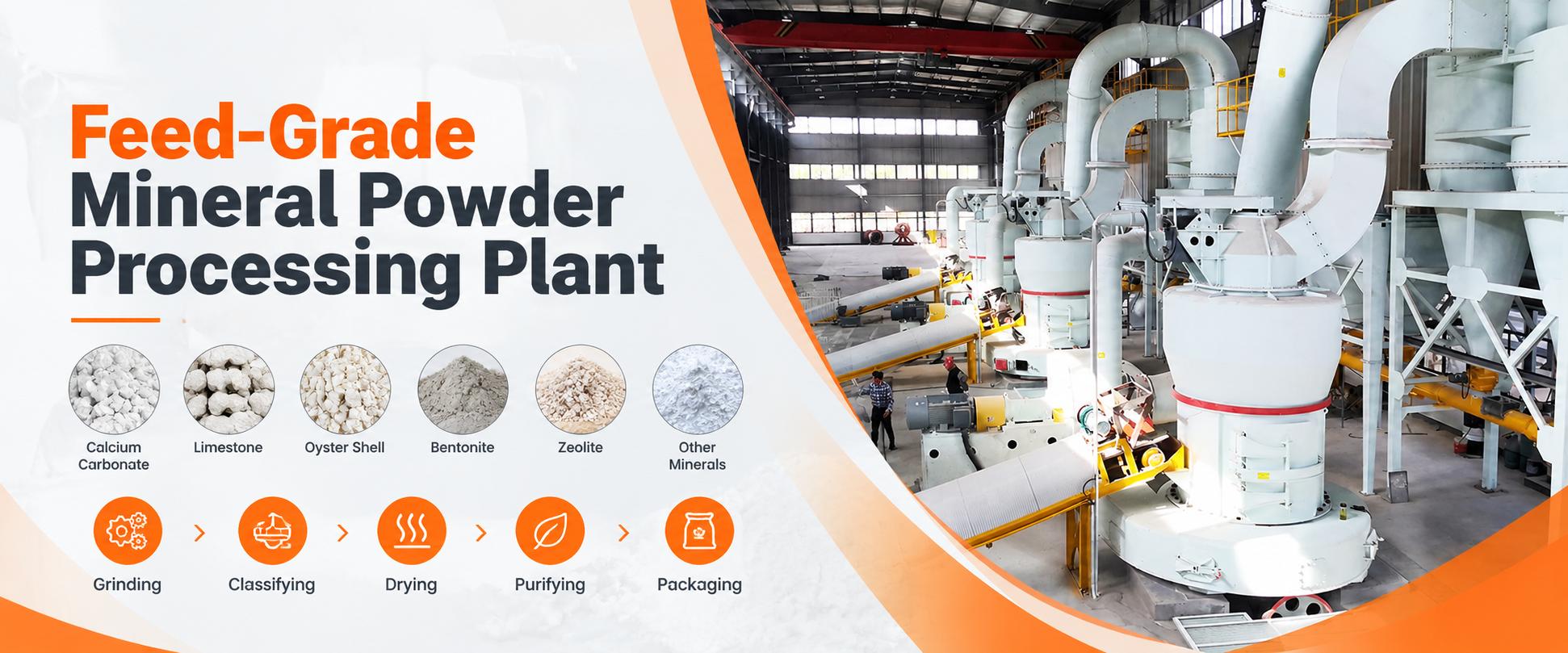
The right drying solution for wet mineral feed-additive materials depends on the incoming moisture load, the material’s handling behavior, the required finished condition, and the properties that must survive processing. Some projects need a separate dryer before grinding. Others can use an integrated drying-and-grinding system. Slurry-based materials may require mechanical dewatering before thermal drying is considered.
The objective is controlled moisture removal—not the lowest possible moisture content. Define the finished-product specification first, then select and validate a process that can meet it under normal and difficult incoming-material conditions.
Start by Identifying What “Wet” Means
A rain-exposed limestone stockpile, sticky bentonite lumps, and a pumpable mineral slurry present different engineering problems. Describing all three as “wet feed additive material” is not enough to select equipment.
Prepare a feedstock profile that answers these questions:
Is the material a damp powder, granular solid, sticky lump, filter cake, or slurry?
What are the normal and highest expected moisture contents?
How were the moisture values measured, and on what reporting basis?
Does the material change noticeably between seasons or deliveries?
What finished moisture condition does the customer require?
Which mineralogical, physical, or functional properties must remain acceptable after drying?
Use representative samples, including wetter material where it occurs in routine supply. A system selected using only a favorable dry sample may not meet the required output during the wet season.
Four Drying Routes to Evaluate
| Material Condition | Route to Evaluate | Main Verification Requirement |
|---|---|---|
| Damp mineral suitable for stable mill feeding | Integrated drying and grinding | The complete system can handle the evaporation duty while maintaining product quality and output |
| Wet or sticky material that cannot be fed reliably to the mill | Separate drying before grinding | The dryer produces a consistent, manageable mill feed without unacceptable product changes |
| Slurry or material containing substantial mechanically removable water | Mechanical dewatering followed by thermal drying where required | The dewatered material and recovered solids remain suitable for the intended product |
| Intermittent production or material needing closely controlled treatment | A suitable batch or indirect-contact drying arrangement | Temperature distribution, residence conditions, cleanliness, and batch consistency are acceptable |
These are routes for technical evaluation, not fixed prescriptions. Select the arrangement through material trials and a complete process review rather than assuming that one dryer type suits every mineral.
When Integrated Drying and Grinding Makes Sense
An integrated system can be useful when the material needs both size reduction and moisture removal, provided it can enter the mill reliably and the required drying duty fits the proposed system.
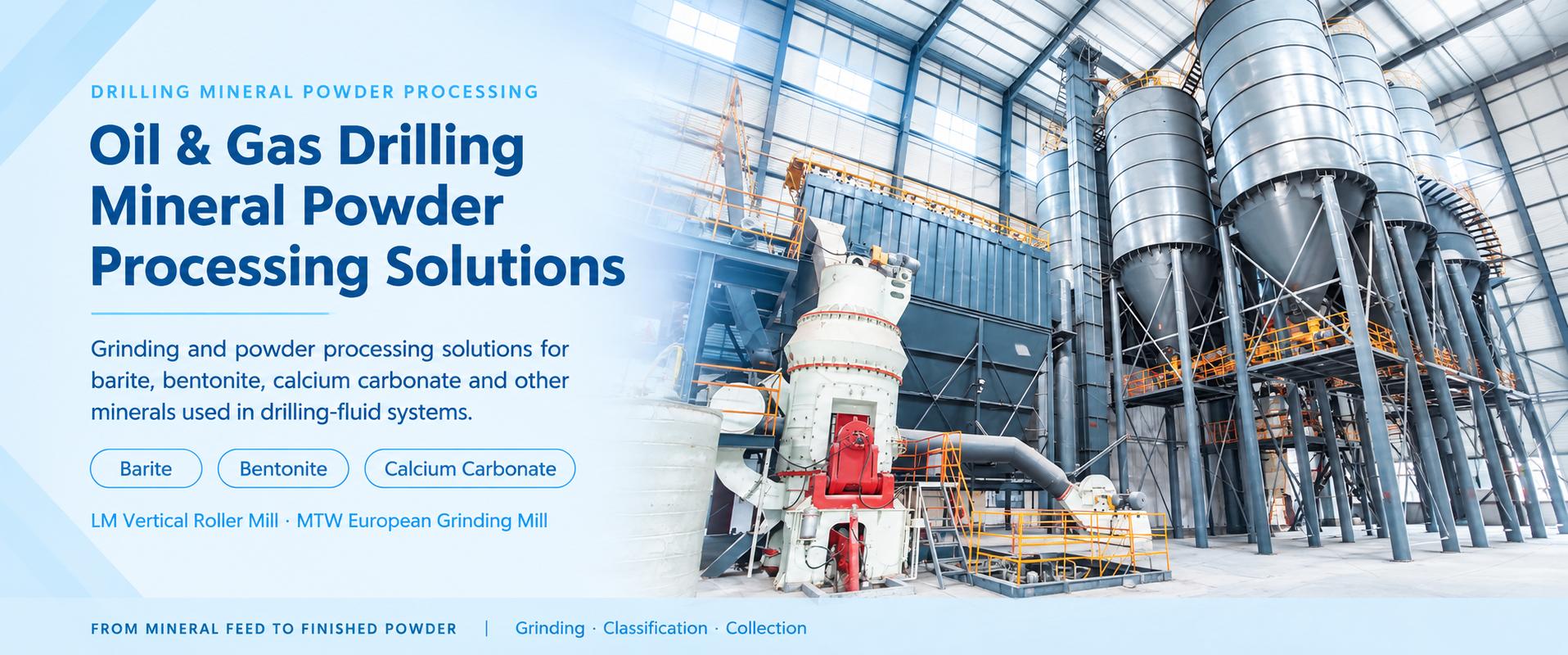
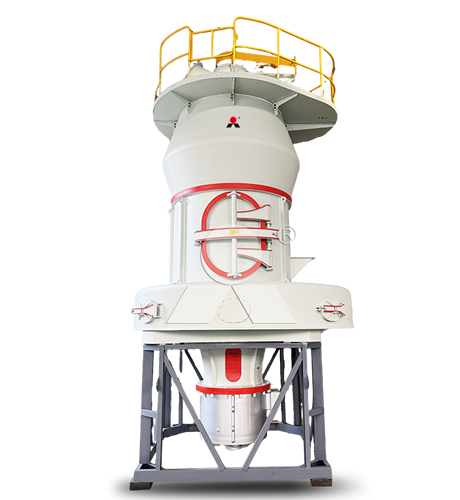
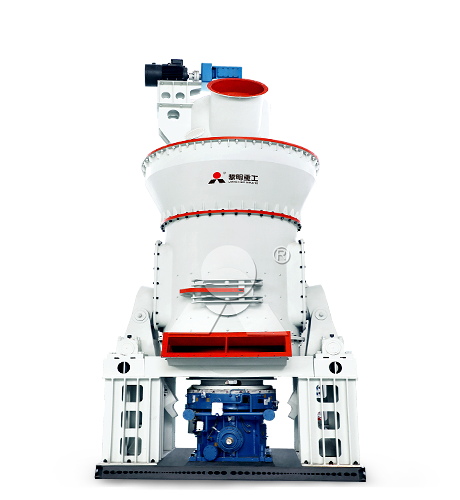
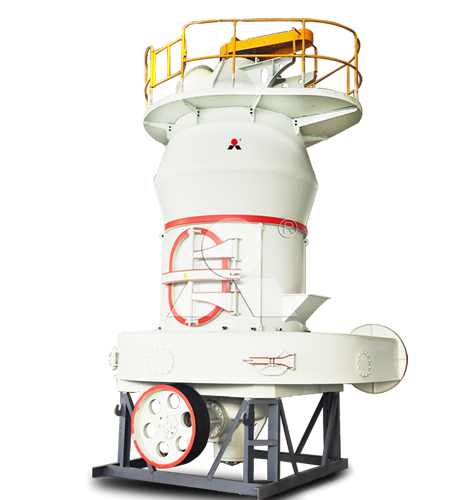
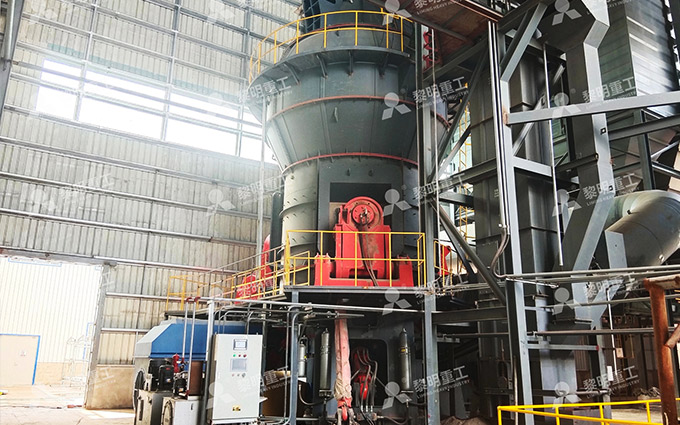
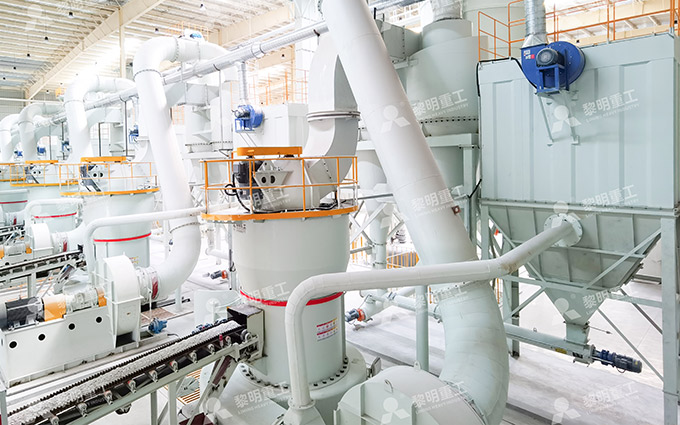
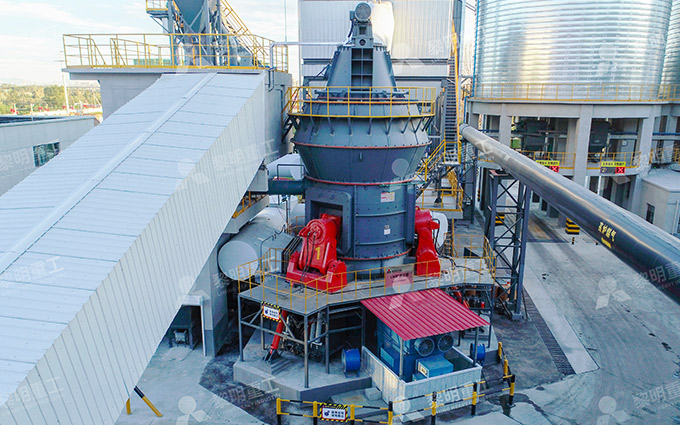
Liming Heavy Industry’s LM Vertical Roller Mill combines grinding, drying, classification, and material transport. Hot air contacts the material within the grinding process and carries it toward classification. The manufacturer identifies bentonite among its potential material applications.
For a wet mineral feed-additive project, evaluate the LM system against:
The actual incoming moisture range.
The required evaporation duty at the target production rate.
The material’s feedability and tendency to form deposits.
The finished particle-size distribution.
The available heat source and air-handling arrangement.
The required product temperature and moisture condition.
The collection system’s ability to operate under the proposed conditions.
Do not read a general moisture capability in a brochure as a guarantee for every mineral and operating condition. Request a project-specific proposal that states the assumptions behind drying capacity, grinding output, and finished-product quality.
When a Separate Dryer Is the Better Starting Point
A separate drying stage deserves evaluation when incoming material is difficult to meter, moisture fluctuates widely, or the drying requirement would constrain the grinding circuit.
This arrangement separates the preparation of mill feed from the production of finished powder. It can also provide a buffer between wet-material receiving and grinding, but it adds equipment, transfer points, controls, and maintenance responsibilities.
Before selecting a separate dryer, define what its discharge must achieve. “Dry enough” should become measurable requirements for moisture, handling condition, and suitability for the next process stage.
Match the dryer to the physical material
Assess rotary, flash, fluid-bed, paddle, or other drying arrangements only where the equipment supplier can demonstrate suitability for the actual feedstock. Ask how the proposed unit handles lumps, sticky surfaces, changes in particle size, and material retained inside the equipment.
The technical review should also identify how the material will be broken up, conveyed, inspected, and cleaned. A dryer that removes water successfully may still be unsuitable if its discharge cannot be fed consistently to the grinding system.
Do Not Send a Slurry Directly into a Conventional Powder-Grinding Line
Where the incoming material is a slurry, first investigate whether settling, filtration, centrifugation, or another appropriate dewatering operation can remove part of the water before thermal processing.
Confirm the composition and particle-size characteristics of the recovered solids. Also define the treatment or disposal route for separated water and any rejected material. The dewatering stage must fit the product specification and the site’s environmental requirements.
If a slurry-based route is intentionally retained, select the drying technology for that duty rather than adapting a dry-mineral grinding proposal without testing.
Set the Moisture Target for the Specific Mineral Product
Do not copy a storage-moisture recommendation for cereals or complete feed into a limestone, bentonite, or zeolite specification. General feed-storage guidance is useful for understanding the importance of moisture and storage conditions, but its numerical recommendations are not automatically mineral-product limits.
For the mineral ingredient, establish the target using:
The applicable product or authorization requirements.
The customer’s incoming-material specification.
Validated grinding and conveying conditions.
Packing and storage trials.
Any required functional testing.
State the moisture test method and reporting basis. If different laboratories use different drying conditions or sample preparation, investigate comparability before treating their results as equivalent.
Avoid unnecessary overdrying. Ask what benefit the lower target provides, whether it is sustainable during storage, and how it affects accepted-product output and operating cost.
Control Product Temperature, Not Only Hot-Air Temperature
A drying proposal should distinguish the heat-source temperature, dryer or mill inlet-air temperature, outlet-air temperature, and measured material temperature. These values describe different parts of the process.
Set an operating window through trials with the approved mineral. Where residence conditions or thermal exposure could affect acceptance, include them in the validation record.
For bentonite or zeolite products with customer-specified functional properties, compare the processed material against those requirements. Do not assume that acceptable moisture proves acceptable functionality.
Also keep moisture removal separate from activation, regeneration, calcination, or chemical modification. Those treatments may have different objectives and can require a different product assessment.
Choose the Heat Source as a Feed-Safety Decision
The heat source is not merely a fuel-cost choice. A joint feed-hazards assessment identifies direct drying with inappropriate fuel as a potential source of dioxin contamination.
| Heating Arrangement | Question to Resolve | Required Review |
|---|---|---|
| Direct-contact hot gases | Can fuel or combustion-related contaminants contact the mineral? | Fuel specification, combustion control, gas cleanliness, monitoring, and product verification |
| Indirect heating | How is separation between the heating medium and product maintained? | Heat-transfer surfaces, integrity checks, cleaning, and operating controls |
| Recovered process heat | Is the heat stream sufficiently clean, stable, and available? | Contamination pathways, temperature variability, and backup arrangements |
Do not approve a low-cost fuel without considering the resulting product risk. Document acceptable fuels, prohibited substitutions, and the action required after a combustion upset.
Protect the Powder After Drying
The drying system is only one part of moisture control. Feed-storage guidance recommends protecting ingredients from moisture entry, keeping storage areas clean, and preserving ingredient identity to prevent cross-contamination.
Review the downstream route for:
Water ingress through roofs, silos, hatches, and transfer points.
Condensation risks under the expected operating and ambient conditions.
Product temperature before enclosed storage or packing.
Packaging appropriate to the distribution environment.
Material hold-up and access for inspection.
Segregation of released and unreleased product.
Determine whether cooling or temperature conditioning is needed through the storage and packing assessment. Do not assume that powder leaving the dryer can always be packed immediately.
Size the Line for the Wettest Agreed Operating Case
A useful proposal states both the wet-material input and the accepted finished-product output, together with the incoming and finished moisture conditions. Without those conditions, a capacity figure is difficult to interpret.
Ask the supplier to identify what limits production in each operating case:
Feeder capacity or material stickiness.
Available heat input.
Airflow and moisture-carrying capacity.
Grinding or classification capacity.
Collector and exhaust-system operation.
Finished-product storage and packing.
Include the agreed seasonal range and define what happens when incoming material falls outside it. The operating plan may require reduced output, preliminary conditioning, segregated storage, or rejection—not an undocumented attempt to maintain nominal throughput.
Commission Against Moisture, Quality, and Output Together
Acceptance testing should demonstrate that the complete line produces compliant material repeatedly, rather than showing only that a burner reaches temperature or a mill runs at its nominal rate.
Confirm that the trial feed represents the agreed raw-material conditions.
Establish stable feeding, heating, airflow, and discharge.
Measure finished moisture using the agreed method.
Verify particle size where grinding is included.
Complete the required composition, safety, and functional checks.
Inspect collection, transfer, storage, and packing performance.
Record accepted output, fuel use, electricity use, and operating conditions.
Define the response to off-specification material before the trial begins. Keep affected lots identifiable until an authorized decision is made on testing, reprocessing, or rejection.
Prepare a Complete Drying-System Inquiry
Provide the mineral identity, intended feed-additive use, representative samples, physical form, normal and maximum moisture, incoming particle size, finished moisture specification, required fineness, target output, available heat sources, operating schedule, and packaging format.
Where integrated drying and grinding is appropriate, evaluate a Liming Heavy Industry LM Vertical Roller Mill against those defined conditions. Where separate drying is necessary, specify the dryer and grinding system as connected stages with clear acceptance conditions at their interface. The result should be a line designed to deliver the required mineral ingredient—not simply to remove water.