Lime Production Line
Hydrated Lime Production: Quicklime Hydration, Aging and Classification
2026-09-28 15:22:19
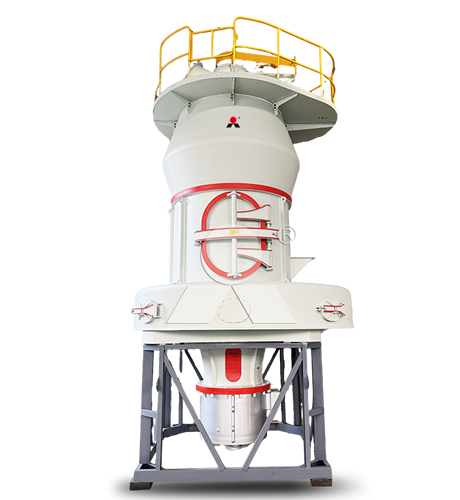
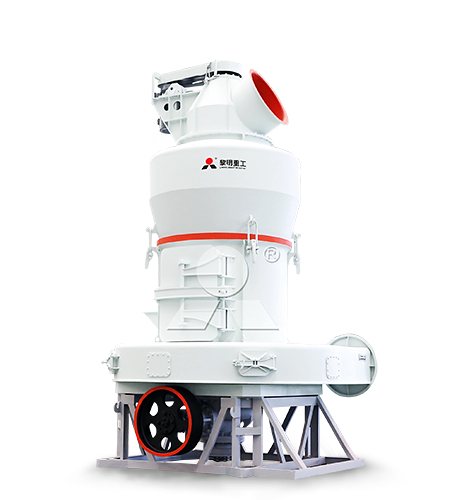
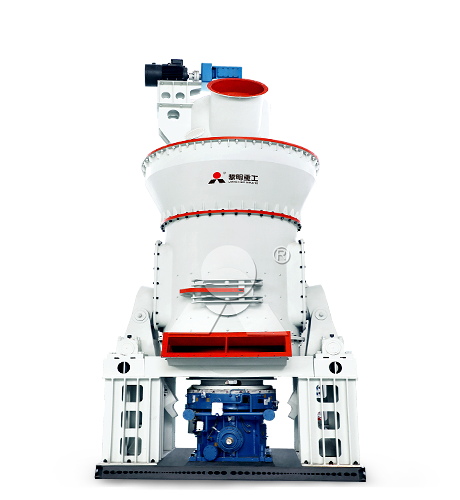
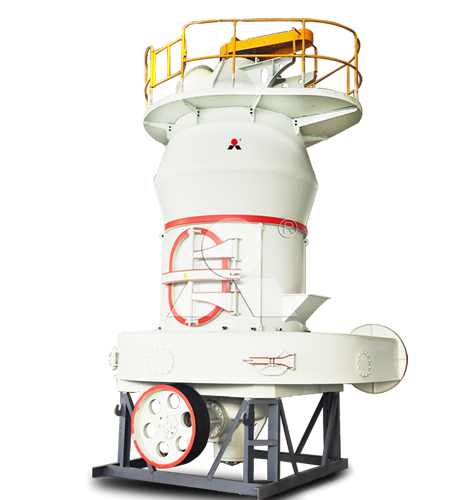
We are Liming Heavy Industry, a manufacturer of various types of industrial crushers, such as Raymond Mill, Trapezoidal Mill, Vertical Mill, Ultrafine Mill, Ball Mill, etc.
Our mills can process the following minerals:
limestone, quicklime, kaolin, talc, barite, bentonite, calcium carbonate, dolomite, coal, gypsum, clay, carbon black, slag, cement raw materials, cement clinker, etc.
If you need a mill to process stone or minerals into powder, please feel free to contact me (WhatsApp: +8615333807511). Thank you.
Dry hydrated lime is made by adding a controlled amount of water to quicklime in a hydrator. The reaction releases heat and turns calcium oxide into calcium hydroxide. After hydration, some lines provide additional retention time, then separate coarse particles before the finished powder enters storage. This is a different production route from grinding quicklime: a mill changes particle size, but the hydrator changes the material itself.
What the line needs to produce
First establish whether the customer needs dry hydrated lime powder or a lime slurry. A dry-hydrate plant meters water to produce a powder with low residual free moisture. A slurry system uses more water and delivers a pumpable suspension; its downstream tanks, pumps and controls are different. Calling both products “slaked lime” without specifying their physical form can lead to the wrong equipment proposal.
The quicklime feed matters just as much as the water system. Its composition, reactivity, size distribution and amount of uncalcined material affect how readily it hydrates and how much coarse residue may need to be removed later. A line should be specified using representative quicklime from the intended kiln, not only a nominal quicklime capacity.
Hydration: meter, mix, react
In a dry-hydration line, stored quicklime is discharged through a controlled feeder. Water is introduced into a mixing or pre-hydration stage, where it is distributed through the lime. The material then spends time in the main hydrator as the reaction proceeds. The objective is to hydrate the reactive quicklime consistently while keeping the final product suitable for dry-powder handling.
Because hydration releases substantial heat, adding water unevenly or feeding quicklime inconsistently can make the process difficult to control. The hydrator needs coordinated lime and water dosing, temperature monitoring, and a suitable arrangement for handling vapor and entrained dust. Equipment selection should be based on the quicklime's actual behavior during hydration trials.
When does aging help?
“Aging” in a dry-hydrate line means allowing partly reacted material additional retention time so hydration can continue before final classification. It may be useful when quicklime reacts slowly or the chosen hydrator needs a separate finishing stage. It should not be assumed that every plant requires the same aging-bin size or residence time; those decisions depend on feed reactivity and the properties measured after hydration.
Do not confuse this controlled retention step with aging lime putty. Lime putty is a wet product kept under different conditions, whereas a dry-hydrate line must ultimately deliver a free-flowing powder.
Classify the finished hydrate
Hydration produces fine powder but may also leave coarse grit, unreacted cores or other oversize material. A downstream separator can remove coarse fractions and help the plant meet its finished-powder specification. Some processes include milling before air separation; whether that is needed should follow product testing rather than be treated as an automatic stage. Grinding cannot substitute for adequate hydration or remove chemical impurities from the quicklime.
If a project requires a separately assessed grinding step, any proposed Liming Heavy Industry mill should be checked against a sample of the hydrated material, including its moisture, flow behavior and fineness target. Do not select a quicklime-powder mill configuration and assume it will work unchanged after water has been added in a hydrator.
Plan for dust and product handling
The line does not end at the separator. Fine hydrate needs enclosed conveying, appropriate dust collection, storage and a loading method matched to bulk delivery or packaging. Sampling points should allow operators to check product fineness and any remaining coarse residue. Hydrator exhaust and powder-transfer points also need to be accounted for in the plant's dust-control design.
For an equipment inquiry, provide quicklime analysis and reactivity data, feed-size distribution, required dry-hydrate output, customer fineness and coarse-residue limits, available water supply, and the intended storage and dispatch method. These details determine the required dosing, hydration, retention and classification stages—and whether a separate milling step is justified at all.