Lime Production Line
Limestone Crushing and Screening for Lime Kiln Feed Preparation
2026-09-28 15:20:31
We are Liming Heavy Industry, a manufacturer of various types of industrial crushers, such as Raymond Mill, Trapezoidal Mill, Vertical Mill, Ultrafine Mill, Ball Mill, etc.
Our mills can process the following minerals:
limestone, quicklime, kaolin, talc, barite, bentonite, calcium carbonate, dolomite, coal, gypsum, clay, carbon black, slag, cement raw materials, cement clinker, etc.
If you need a mill to process stone or minerals into powder, please feel free to contact me (WhatsApp: +8615333807511). Thank you.
A lime kiln needs more than crushed limestone: it needs stone within a controlled size range, supplied at a steady rate. Crushing reduces quarry rock to manageable pieces, while screening separates kiln feed from oversize and fines. Together, these steps affect how evenly the stone heats and how much of the quarry output can be used for lime production.
Work backward from the kiln
The first design input is the feed-size range accepted by the selected kiln and preheater, if one is installed. There is no single correct size for every lime plant. As examples of kiln-family differences, rotary kilns commonly use smaller prepared stone, while shaft kilns use larger pieces; twin-shaft regenerative kilns typically require a relatively narrow range of large stone. The equipment supplier should confirm the permitted top size, minimum size and fines limit for the specific design.
Top size alone is not enough. A feed containing both very large and very small pieces can calcine unevenly because heat takes longer to reach the center of larger stones. Excess fines may also interfere with gas flow or be carried out as dust. A useful crushing specification therefore states the full size distribution, not just “less than” a particular dimension.
A practical preparation circuit
Quarry stone normally enters a receiving hopper and feeder before primary crushing. Depending on the rock size and the kiln's feed requirement, secondary or tertiary crushing may follow. Screens then separate the material into three working streams: acceptable kiln feed, oversize requiring further reduction, and undersize that should be kept out of that kiln feed unless the kiln design explicitly permits it. Some plants wash stone to remove adhering clay, but washing should be assessed alongside water use and the need to manage moisture before kiln feeding.
The circuit should avoid crushing every tonne more than necessary. If the quarry already yields a useful proportion of suitably sized stone, screening it before another crushing stage may preserve more kiln-size material and reduce unwanted fines. If most stone is oversize, a controlled secondary stage may improve yield. Sampling and sieve analysis of real quarry material are more reliable than choosing a crusher solely from its nominal capacity.
Where do the fines go?
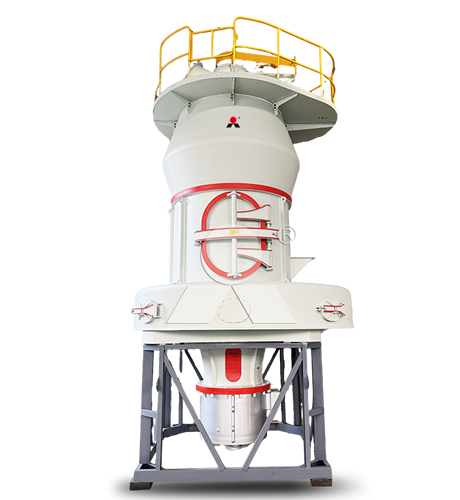
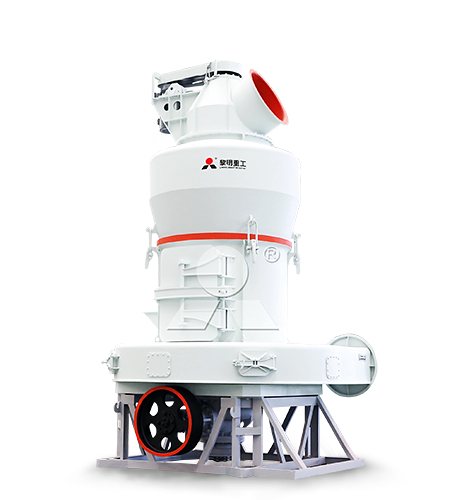
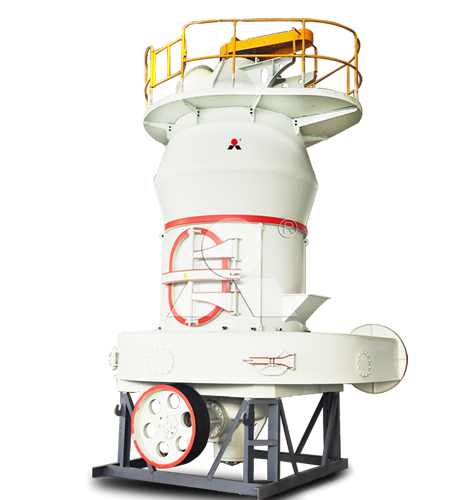
Undersize limestone is not automatically waste, but it should not be silently counted as saleable quicklime output. Depending on its chemistry and local demand, it may suit a separate limestone product or a properly designed grinding circuit. Liming Heavy Industry's MTW Series European Technology Trapezium Mill is an option to evaluate for uncalcined limestone powder. This is a separate route from grinding quicklime after the kiln; the two powders should not be confused in the plant's product plan.
If the site intends to recover fines through a different calcination process, that process needs its own technical assessment. Simply returning screening fines to a kiln designed for lump stone can change bed permeability and material losses.
Protect feed quality after screening
A correctly sized product can deteriorate between the screen and the kiln. Repeated drops and rough handling create new fines, while stockpile segregation can cause one period of operation to receive mostly coarse stone and another mostly small stone. Plan transfer points, bins and reclaim methods to preserve the specified gradation. Sample the material near the kiln inlet—not only at the crusher discharge—to verify what the kiln actually receives.
Dust extraction at crushers, screens and transfer points should be considered in the layout, along with access for screen maintenance and removal of off-spec material. The goal is a stable feed stream that the kiln can process consistently, rather than a crushing plant that only achieves its target tonnes per hour.
What to include in an equipment inquiry
Provide the supplier with representative quarry stone samples or test results, maximum run-of-quarry rock size, limestone composition, moisture and clay conditions, required kiln feed-size range, allowed fines content, and the desired tonnes per hour of accepted kiln feed. Ask for a proposed material balance showing how much becomes kiln feed, how much is recirculated, and how much leaves as undersize. That makes competing layouts easier to assess on usable output rather than crusher nameplate capacity.