Mineral Grinding for Paints & Coatings
Dust Collection Systems for Mineral Grinding Plants
2026-10-23 13:40:53
A mineral grinding plant needs dust collection at more than the mill outlet. Raw-material feeding, crushing, conveying, classification, silo filling, and bagging can all release airborne powder. An effective system contains these sources, captures dust before it enters the workplace, and separates the powder from the exhaust air.
For plants producing calcium carbonate, talc, kaolin, barite, and other coating fillers, dust collection also affects product recovery and consistency. The design must protect workers and control emissions without disturbing grinding airflow, contaminating finished powder, or creating unnecessary maintenance problems.
Two Different Duties: Product Recovery and Workplace Dust Control
Not every dust collector in a grinding plant performs the same job. Distinguishing the duties is essential when specifying airflow, filter area, discharge equipment, and powder handling.
Process collection recovers the manufactured powder
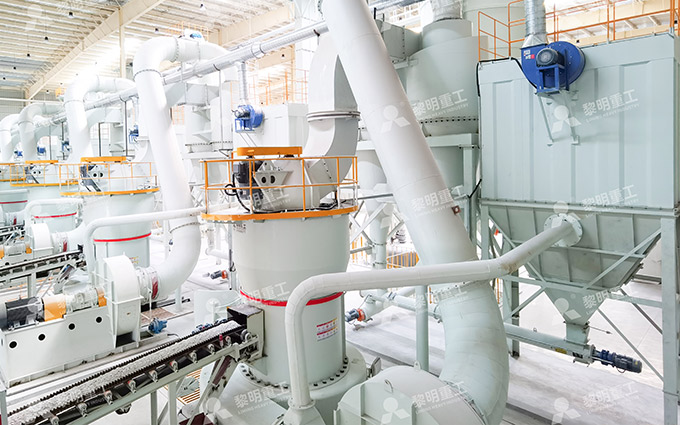
In an air-swept grinding circuit, airflow carries classified powder to a collection stage. Depending on the process arrangement, cyclones, fabric filters, or a combination of equipment separate the product from the air.
This collector is part of the production circuit. Its pressure loss, discharge performance, and operating condition can influence airflow through the mill and classifier. A problem here may affect both powder recovery and grinding stability.
Local extraction captures dust at release points
Separate extraction may be needed at hoppers, transfer chutes, elevators, silo vents, and filling stations. These systems capture dust before it escapes into occupied areas. Enclosures and correctly positioned extraction points are important because an oversized fan cannot reliably compensate for a poorly designed capture arrangement.
Dust collected from these sources should not automatically be treated as finished product. Its cleanliness, mineral identity, and particle-size distribution may differ from the approved coating-grade powder.
Begin with Containment, Then Size the Extraction
The first question is not “How large should the dust collector be?” It is “Where does dust escape, and how can that release be contained?”
Enclosed conveyors and transfer points reduce the amount of dust that extraction systems must capture. This approach is particularly important around grinding, classification, and storage circuits, where fine material is readily disturbed by moving air. Industrial mineral dust-control guidance identifies containment as the first priority, followed by collection.
| Plant location | Common release mechanism | Design priority |
|---|---|---|
| Raw-material receiving hopper | Air displaced during tipping and dust generated by falling material | Partial enclosure, controlled tipping, and extraction suited to the loading event |
| Crusher and transfer chutes | Material impact and air movement through openings | Enclosed transitions, reduced unnecessary drop height, and effective seals |
| Elevators and conveyors | Leakage at joints, inspection doors, and discharge points | Sound housings and targeted extraction where required |
| Finished-powder silos | Air displaced during filling, particularly pneumatic filling | Vent filtration sized for the actual filling duty and suitable pressure protection |
| Bagging and bulk loading | Powder escaping during filling, disconnection, and handling | Close-capture extraction and loading equipment that limits open releases |
How a Pulse-Jet Baghouse Works
A pulse-jet baghouse passes dust-laden air through fabric filter elements. Powder accumulates on the dirty side of the media, while filtered air passes into the clean-air section. Short pulses of compressed air periodically remove accumulated material so it can fall into the hopper.
The collected powder then leaves through a discharge device selected for the operating pressure, material characteristics, and downstream handling arrangement.
The filter, cleaning system, hopper, and discharge equipment must work together. A blocked discharge can cause material to accumulate, interfere with cleaning, and increase the risk of powder being carried back onto the filters.
Where cyclones fit
A cyclone can remove a portion of the entrained powder before a downstream filter, reducing its solids load. However, cyclone performance depends on particle characteristics and operating conditions. A cyclone alone should not be assumed to control the finest airborne fraction adequately.
Choose the collection arrangement according to the required product recovery, exhaust quality, pressure loss, and maintenance conditions—not simply the lowest initial equipment cost.
What Determines Collector Size?
A collector cannot be selected from grinding capacity alone. Two plants producing the same tonnes per hour may require different systems because their air volumes, powder fineness, moisture, and extraction duties differ.
Air volume: Include the process airflow or the calculated extraction requirement, together with credible operating variation.
Dust loading: Establish how much powder enters the collector and whether the load is continuous or intermittent.
Particle characteristics: Consider fineness, abrasiveness, density, cohesiveness, and tendency to agglomerate.
Temperature and moisture: Define normal operation, startup, shutdown, and potential condensation conditions.
Filter media: Select for the actual dust, temperature, moisture, and chemical environment.
Pressure loss: Assess the complete system, including hoods, ducts, collector, and discharge arrangement.
Cleaning and discharge: Provide sufficient cleaning capability and reliable removal of collected powder.
The filtration velocity—the airflow relative to available filter area—should be selected for the application. Applying an aggressive value to a difficult ultrafine powder can result in unstable pressure loss, frequent cleaning, and shortened filter life.
Moisture Can Turn a Dry Collector into a Maintenance Problem
Grinding systems that dry incoming mineral introduce additional design requirements. Moist air can condense if it contacts surfaces below its dew point, particularly during startup, shutdown, or cold-weather operation.
Condensation may produce sticky deposits, filter blinding, corrosion, or hopper buildup. Address it through the appropriate temperature control, insulation, operating sequence, and moisture management.
Compressed air used for pulse cleaning also needs suitable quality and pressure. Water or oil introduced through the cleaning system can create problems even when the process air itself is adequately controlled.
Integrating Dust Collection with Liming Heavy Industry Mills
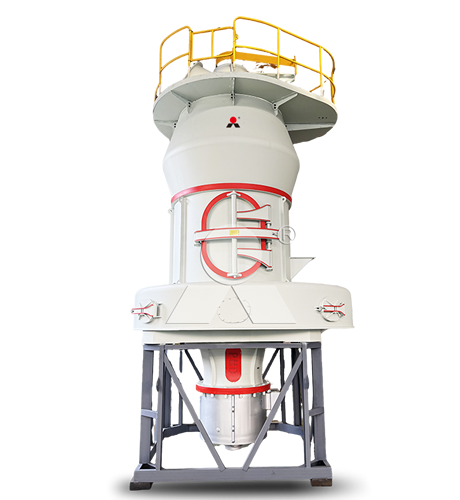
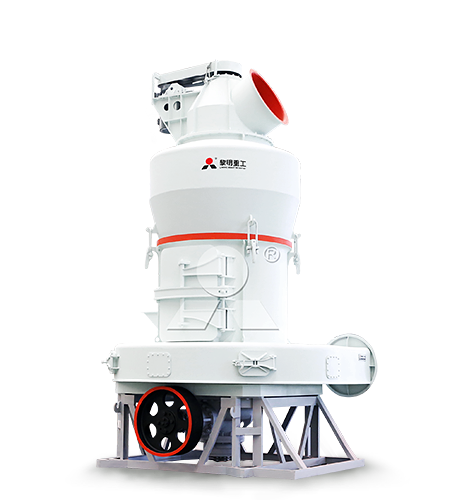
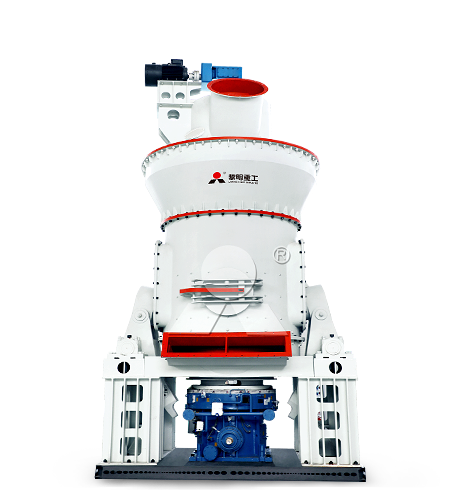
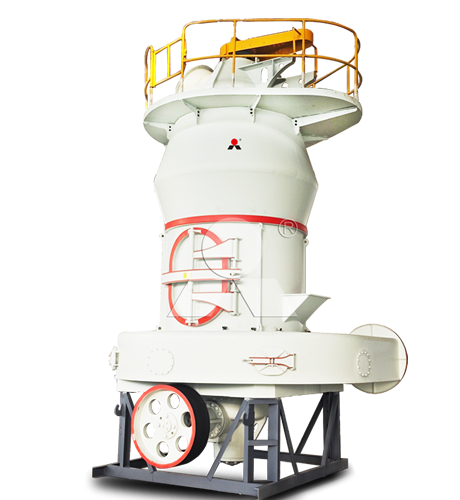
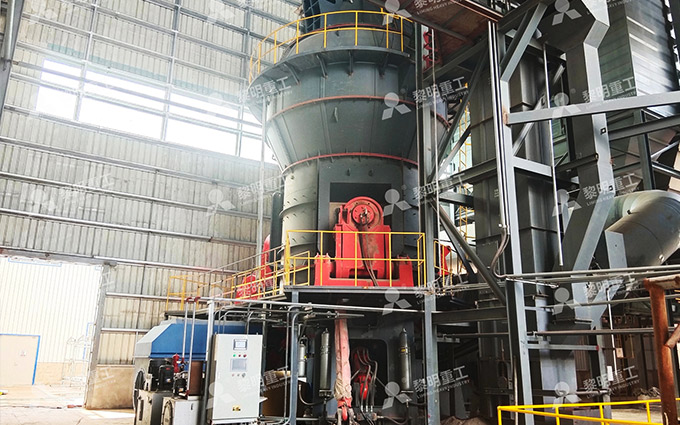
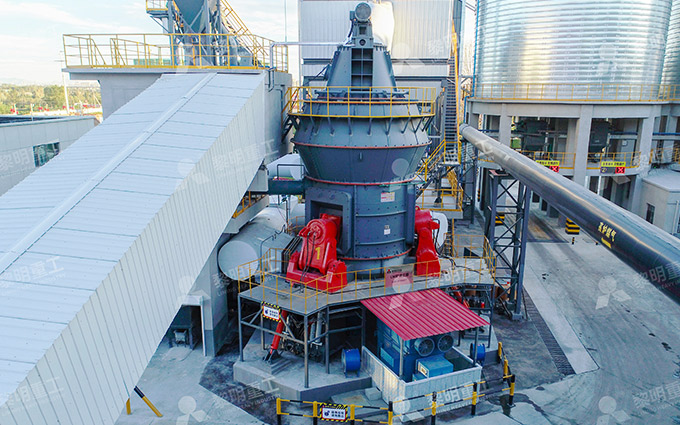
For a Liming Heavy Industry grinding project, review dust collection as part of the complete process rather than as an accessory added after mill selection. The LUM Ultrafine Vertical Mill line, for example, is described with enclosed negative-pressure operation and pulse baghouse collection. The final arrangement still needs to be matched to the mineral, airflow, site conditions, and applicable requirements.
Ask the project proposal to identify:
Which collector recovers classified product and which units handle local extraction.
The design airflow, dust loading, temperature range, and pressure conditions for each unit.
How filter pressure loss will affect mill and classifier airflow.
How collected powder will be discharged, conveyed, and sampled.
What monitoring, alarms, and operating interlocks are included.
How inspection and filter replacement can be performed safely.
Negative-pressure operation helps limit outward leakage from enclosed equipment, but it does not guarantee a dust-free workplace. Openings, damaged seals, inadequate capture, and poor maintenance can still allow exposure.
Can Collected Dust Be Returned to the Product?
Sometimes, but the return point and quality requirements matter. Powder recovered from a dedicated process collector may be an intended finished-product stream. Dust from shared extraction systems may contain several minerals, foreign material, or powder generated during cleaning and maintenance.
Before returning any recovered material, verify its identity, cleanliness, color, moisture, and particle-size characteristics. For coating fillers, a small amount of darker contamination or an unexpected fine fraction can affect an otherwise acceptable batch.
Keep incompatible collection streams separate. If recovered dust is approved for reuse, define its return route and allowable proportion rather than allowing uncontrolled mixing into finished silos.
Use Operating Trends to Find Problems Early
Filter differential pressure is a useful indicator, but it must be interpreted alongside airflow, fan condition, cleaning activity, and discharge performance.
| Observed condition | Possible causes | What to check |
|---|---|---|
| Rising differential pressure | Filter blinding, ineffective pulse cleaning, moisture, or excessive loading | Airflow, compressed-air supply, cleaning sequence, and process conditions |
| Unexpectedly low differential pressure with dusty exhaust | Damaged filters, poor seals, or an internal bypass | Filter integrity and clean-side condition under safe isolation |
| Dust escaping at a hood despite a running fan | Insufficient capture, blocked ducting, leakage, or poor system balance | Capture performance and airflow at the actual release point |
| Powder accumulating in the hopper | Discharge failure, bridging, or unsuitable handling conditions | Discharge equipment, level indication, moisture, and material flow |
| Frequent problems after startup | Condensation, incorrect sequencing, or residual material | Startup procedures, temperatures, and collector readiness before feeding |
Verify Performance Beyond the Exhaust Stack
A collection-efficiency percentage alone does not establish compliance or worker protection. Exhaust concentration depends on inlet loading and operating conditions, while workplace exposure also depends on capture at individual sources.
Mineral dust hazards depend on composition, including whether respirable crystalline silica or other hazardous constituents are present. Assess the actual material and carry out appropriate exposure monitoring; a clean-looking workshop is not proof of acceptable airborne concentrations. Effective engineering controls are central to reducing harmful exposure in mineral processing.
Do not assume that all mineral-processing dust streams are noncombustible. Assess any combustible feed, organic treatment, additive, or mixed stream before specifying protection measures. Similarly, returning filtered air indoors requires a separate evaluation under applicable occupational and environmental requirements.
During commissioning, confirm capture at release points, operating airflow, differential pressure, cleaning performance, discharge reliability, and required emissions and exposure results. Use normal production conditions rather than an unloaded demonstration.
Specify a Complete Dust-Control Duty
For a new mineral grinding plant or an upgrade, provide Liming Heavy Industry with the mineral composition, production rate, feed moisture, drying conditions, target powder fineness, site layout, and all loading and packaging operations. Include applicable exhaust and workplace requirements.
The objective is containment supported by reliable extraction and filtration: a system that protects product quality, maintains stable grinding operation, and controls dust throughout the plant—not only at the main mill outlet.