Mineral Grinding for Paints & Coatings
How to Choose a Grinding Mill for Mineral Fillers
2026-10-23 13:37:46
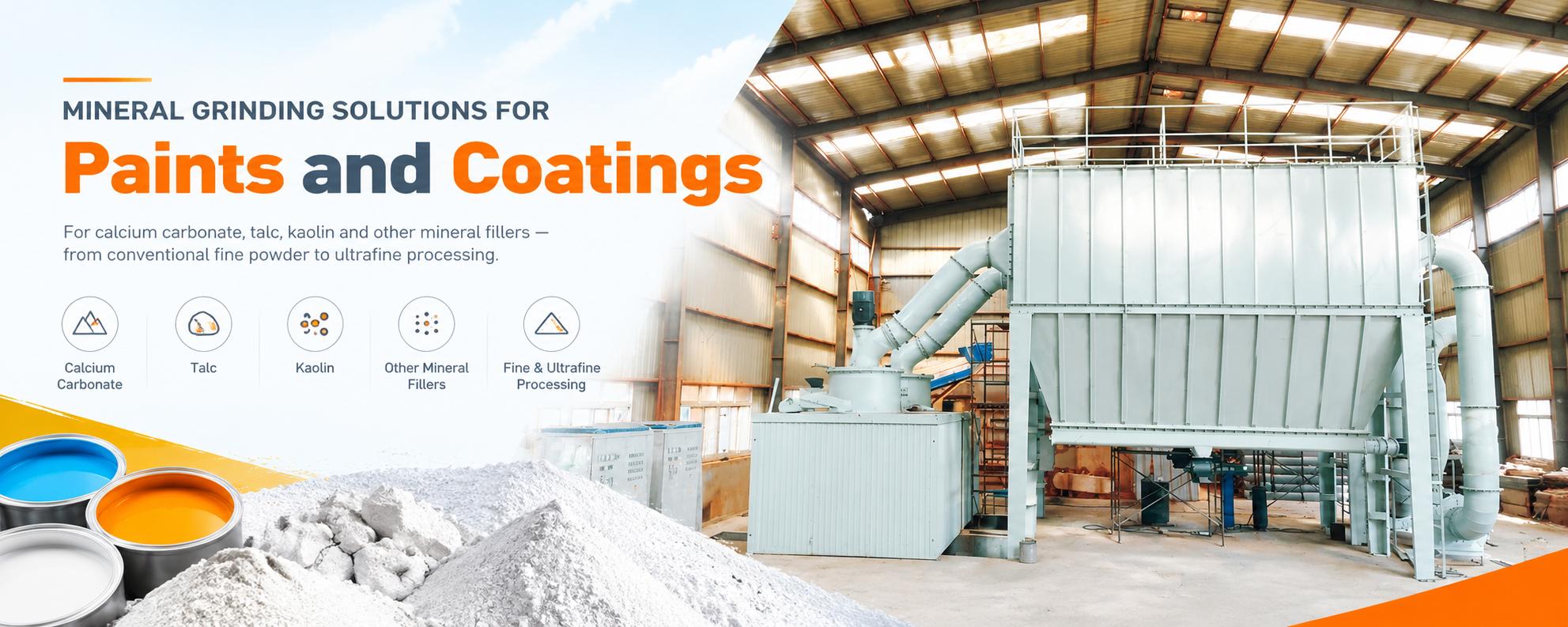
The right grinding mill is the one that consistently produces an acceptable mineral filler at the required output—not simply the machine with the highest capacity or finest advertised powder. For paints and coatings, selection must account for particle-size distribution, coarse residue, color, dispersion behavior, and the characteristics of the mineral itself.
A practical selection process starts with the finished powder, works backward through classification and grinding, and then checks feed preparation, drying, collection, and storage. This avoids purchasing a mill that reaches a nominal fineness but cannot reliably supply the grade the coating manufacturer needs.
Start with a Product Specification, Not a Model Number
Before comparing equipment, define what constitutes saleable powder. “Fine calcium carbonate” or “ultrafine talc” is not a sufficiently precise equipment specification.
Prepare a product brief that includes:
The mineral and its intended coating applications.
Target particle-size distribution, including the median and relevant coarse-end limits.
Maximum acceptable coarse residue under an agreed test method.
Whiteness, color consistency, moisture, and purity requirements.
Any critical morphology, oil absorption, or dispersion requirements.
Required output for each grade and expected operating hours.
The approved reference powder, where available.
Use micrometer-based particle measurements and a defined testing procedure alongside any commercial mesh description. A mesh label alone does not adequately describe a coating-grade powder, especially when the customer is concerned about occasional coarse particles or the proportion of very fine material.
Four Questions That Narrow the Equipment Choice
1. Is the product a conventional fine powder or an ultrafine filler?
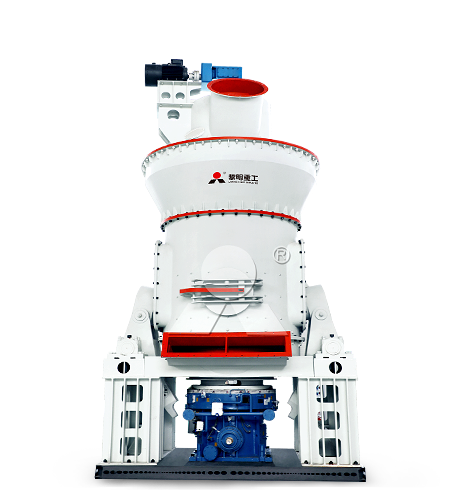
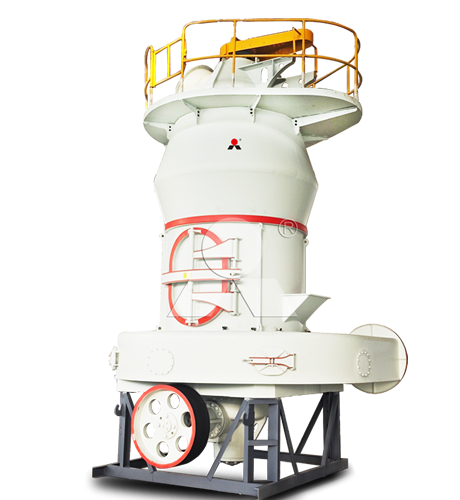
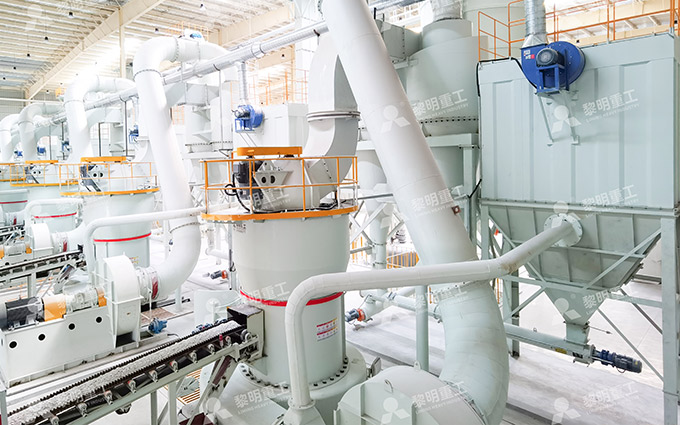
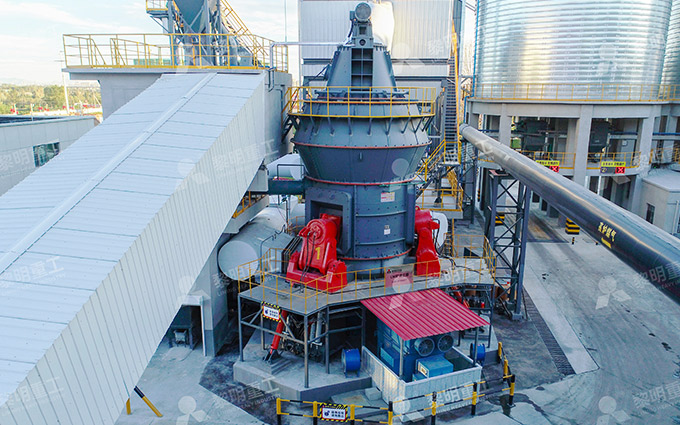
This distinction helps establish the appropriate equipment family. Liming Heavy Industry separates its conventional fine-grinding equipment, including the MTW European Grinding Mill, from its superfine equipment, including the MW Micro Powder Mill and LUM Ultrafine Vertical Mill. Its published product categories describe conventional fine grinding and ultrafine grinding as different operating ranges. These ranges are useful for initial screening, not as substitutes for a verified product specification.
If the intended coating requires a fine median size and a tightly controlled coarse tail, confirm both requirements together. A machine that reaches one fineness indicator may not necessarily meet the customer's full distribution and residue limits at the desired output.
2. Does the feed need substantial drying?
Feed moisture affects more than the mass entering the mill. It can influence material flow, buildup, classification, and the amount of air and heat required by the system.
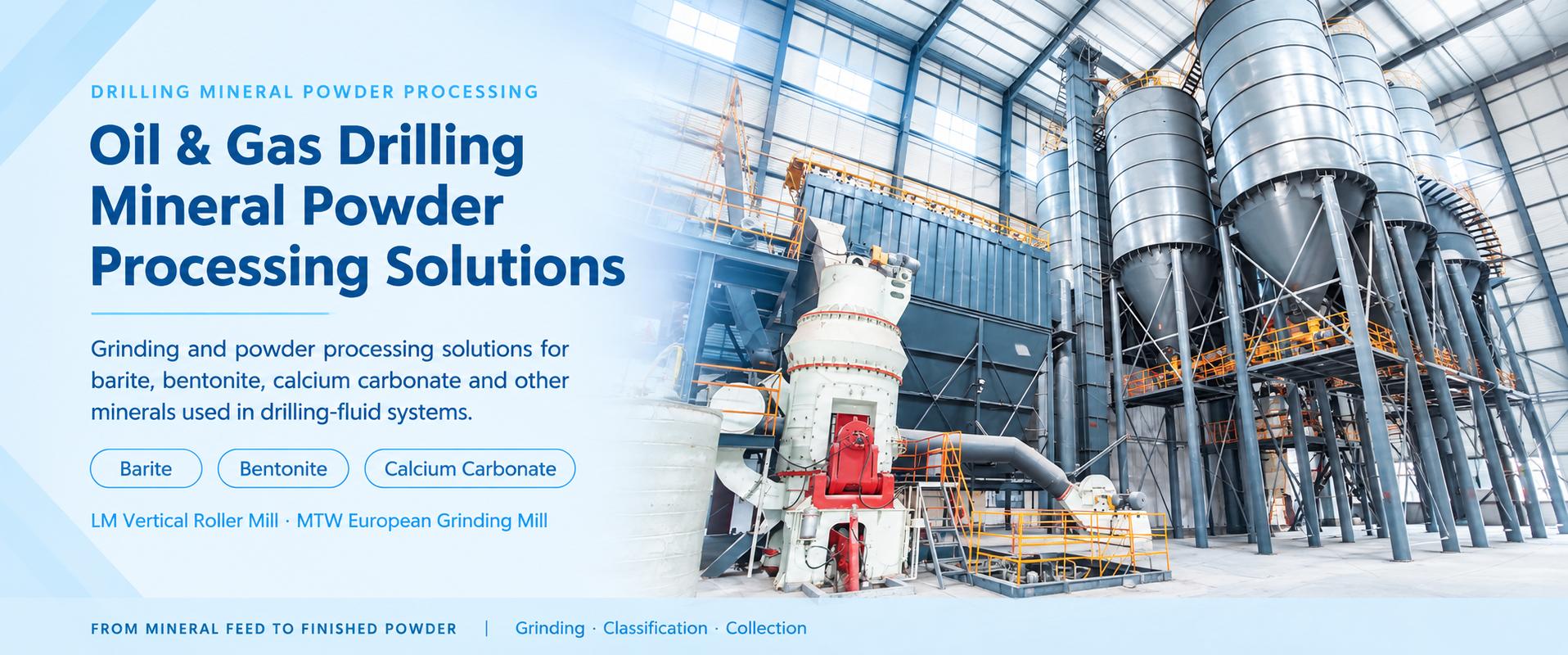
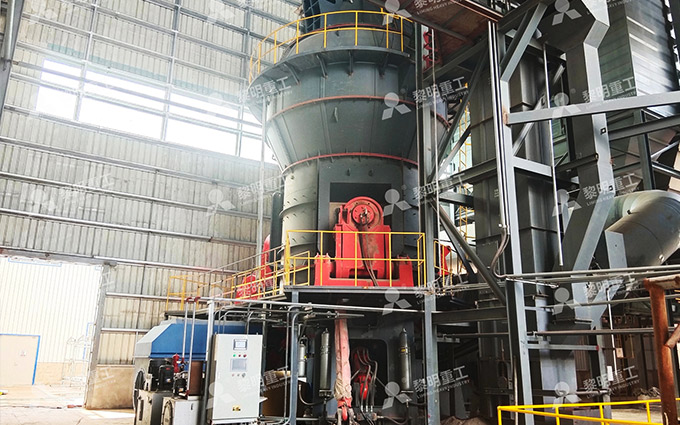
For a relatively dry feed, a conventional dry-grinding arrangement may be appropriate. Where moisture removal is a major duty, evaluate a Liming Heavy Industry LM Vertical Mill arrangement or a separate drying stage as part of the complete process design. The choice depends on the feed condition, available heat source, target product, and production rate.
Do not select a drying arrangement from average moisture alone. Include the expected wettest normal feed, and distinguish free-moisture removal from any thermal treatment that changes the mineral.
3. Is particle shape part of the customer's specification?
For talc and kaolin, a particle-size result does not fully describe the product. Platelet dimensions, aspect ratio, and aggregation can influence coating performance.
If morphology is important, compare trial powders using suitable characterization and actual coating tests. Additional grinding may reduce size while changing the structure that made the mineral useful. A finer result is not automatically an improvement.
4. Will the plant make one grade or several?
A dedicated line for one stable product has different operating requirements from a plant that changes minerals or fineness frequently.
For multiple grades, assess adjustment time, transition material, cleaning access, separate storage, and contamination risk. An adjustable classifier does not eliminate the need for a grade-change procedure.
Where Each Liming Heavy Industry Mill Fits
| Grinding mill | When to evaluate it | What must be confirmed |
|---|---|---|
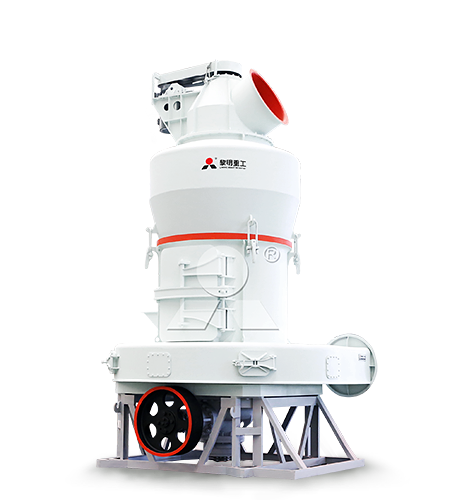
| MTW European Grinding Mill | Conventional fine mineral-powder duties within the selected model's verified range | Whether the finished distribution and coarse residue suit the coating application at the required output |
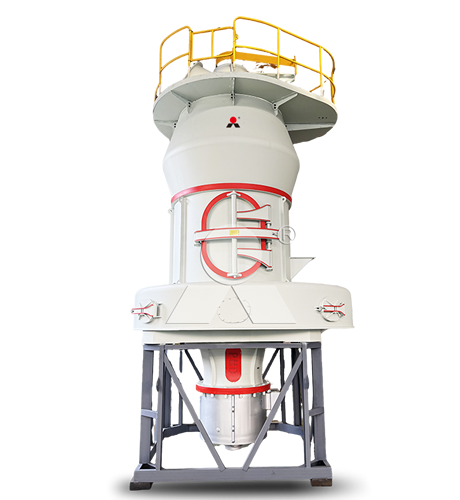
| LM Vertical Mill | Projects where drying, continuous throughput, and an integrated process arrangement are important | Drying duty, heat balance, product-size requirements, and performance with the actual mineral |
| LUM Ultrafine Vertical Mill | Ultrafine mineral-filler projects requiring coordinated grinding and classification | Achievable distribution, coarse-end control, morphology where relevant, and sustained saleable output |
| MW Micro Powder Mill | Fine and ultrafine dry-powder projects suited to its material and operating requirements | Product quality, capacity, wear requirements, and operating consumption under representative conditions |
This comparison is a shortlist, not a final recommendation. Model selection and process configuration should follow raw-material analysis and representative grinding trials.
Check the Mineral Before Accepting a Capacity Estimate
Two feeds sold under the same mineral name can behave differently in a grinding circuit. Purity, texture, moisture, and associated minerals all affect processing.
Calcium carbonate
Check feed consistency, abrasive impurities, color, and the required particle-size distribution. A high-purity calcite sample may not represent a variable limestone supply containing harder accessory minerals.
Talc
Assess mineral composition and platelet characteristics, not simply softness. A soft feed can still contain harder impurities that affect wear and residue. Confirm appropriate contaminant testing and documentation before considering the powder suitable for its intended market.
Kaolin
Identify whether the feed is raw, beneficiated, hydrous, or calcined. Also establish whether the task is size reduction, deagglomeration, or post-treatment finishing. These are different duties and may require different process arrangements.
Barite and other dense fillers
Evaluate actual grinding behavior, impurity content, powder transport, and storage requirements. A particle-size target alone does not establish how a dense mineral will perform in the complete handling system or the customer's coating.
Compare Output at the Same Quality Standard
The most meaningful capacity figure is saleable output: finished powder that meets every agreed acceptance requirement.
A high production rate has limited value if part of the material fails coarse-residue, moisture, or color limits. Likewise, comparing two machines at different fineness targets produces a misleading result.
Ask for each proposed system to be evaluated using the same:
Representative feed and feed-moisture range.
Particle-size distribution and residue limits.
Finished-powder moisture requirement.
Sampling and laboratory procedures.
Operating boundaries for energy and auxiliary equipment.
Where several products are planned, request performance estimates for each grade. The output achieved for a coarser product should not be applied to the finest grade in the production schedule.
Look Beyond the Main Motor
Grinding-system operating costs include more than the mill drive. Fans, classifiers, feeders, conveyors, dust collection, compressed air, and any drying system contribute to total consumption.
When comparing proposals, define which equipment is included in the reported energy figure. For a drying duty, keep electrical consumption and thermal energy requirements clearly identified.
Maintenance also needs a practical review:
Which components are expected to wear with the actual feed?
How are wear condition and product contamination monitored?
Can major components be inspected and replaced safely?
What lifting equipment and maintenance space are required?
Which spare parts should be held on site?
How much production time is required for cleaning and grade changes?
A lower purchase price does not necessarily mean a lower cost per tonne of accepted powder. Evaluate consumption, maintenance, staffing, product losses, and downtime together.
Use a Grinding Trial to Resolve the Important Uncertainties
A useful trial answers specific project questions rather than simply demonstrating that the mineral can be ground.
Supply a sample that reflects normal production feed, including typical impurities and moisture.
Agree on target powder properties and laboratory methods before testing.
Operate long enough to assess stable conditions rather than relying on a brief favorable sample.
Collect multiple samples to evaluate repeatability.
Measure the complete acceptance specification, including coarse residue and color where required.
Test the powder in representative coating formulations.
Document the operating conditions and the basis for scaling the result to the proposed production line.
Laboratory or pilot results still require an engineering assessment before full-scale guarantees are agreed. Clarify what has been directly demonstrated and what has been estimated.
Do Not Leave Collection and Storage Until the End
A suitable mill can still be part of an unsuitable production line. Poor powder collection, moisture pickup, cross-contamination, or inadequate storage can prevent the plant from delivering consistent filler.
Include the classifier, filtration system, conveying route, silos, packaging, and sampling points in the equipment review. For white mineral powders, consider cleaning access and separation from darker products. For fine powders, address enclosed handling and dust control at transfer and filling points.
Also check the available building height, foundation requirements, maintenance clearances, electrical supply, and utility capacity before finalizing the arrangement.
What to Send Before Requesting a Mill Proposal
Provide Liming Heavy Industry with the mineral name and analysis, representative feed samples, feed-size and moisture ranges, required output by grade, target particle-size distributions, coarse-residue limits, and coating applications. Include color, morphology, or oil-absorption requirements where they are critical.
Add the annual production plan, available operating hours, site layout, utility conditions, and packaging method. If a customer has already approved a filler, submit that reference powder and its acceptance procedure.
With these details, the equipment discussion can focus on a verifiable task: producing the specified mineral filler repeatedly, at a realistic output, within the operating conditions of the plant.