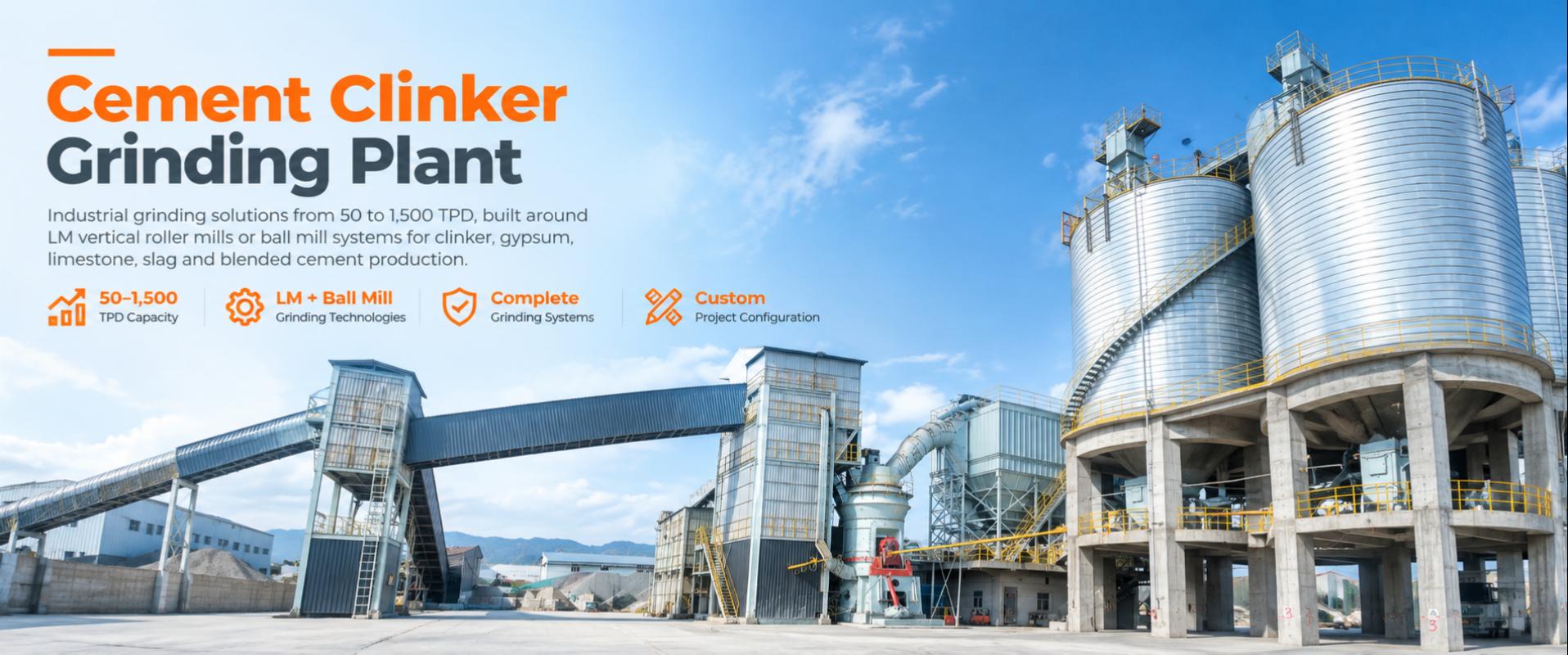
Cement Clinker Grinding Plant
Clinker and Gypsum Grinding Process
2026-09-10 08:13:55
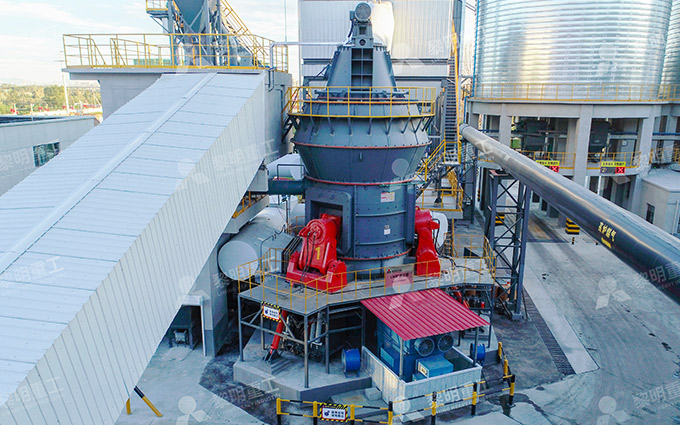
The clinker and gypsum grinding process produces finished cement by grinding cement clinker with a controlled quantity of gypsum. Clinker is the main cementitious material, while gypsum is added to regulate cement setting behavior. Depending on the required product, limestone, slag, fly ash, pozzolan, or other suitable mineral additives can also be included in the grinding feed.
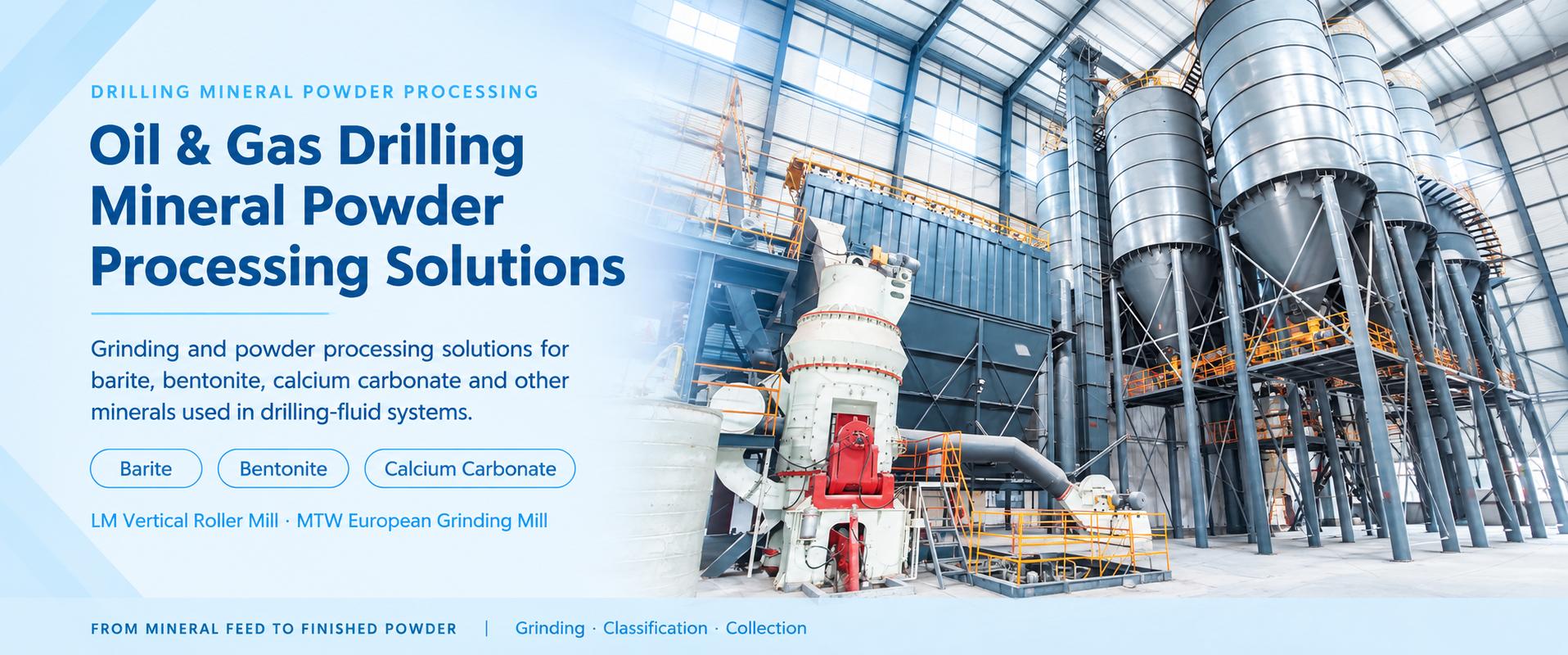
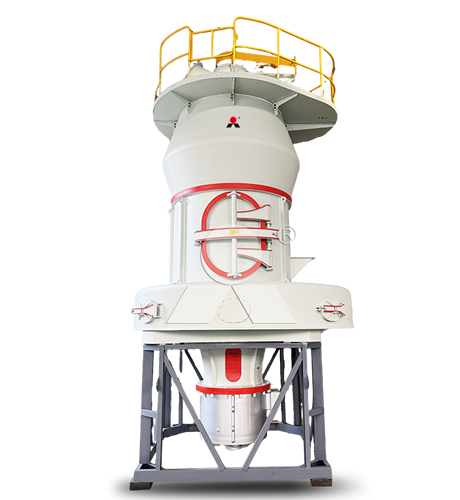
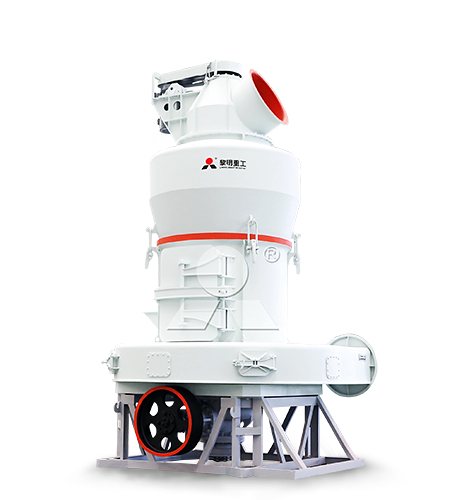
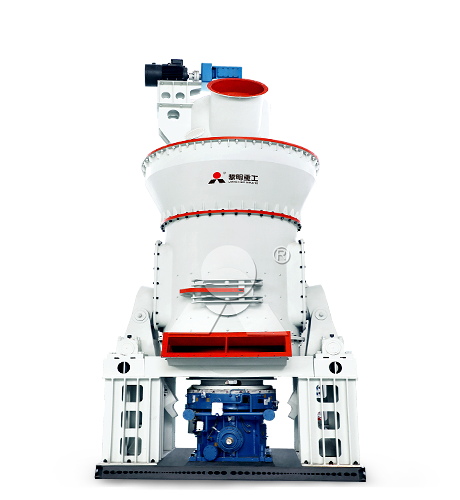
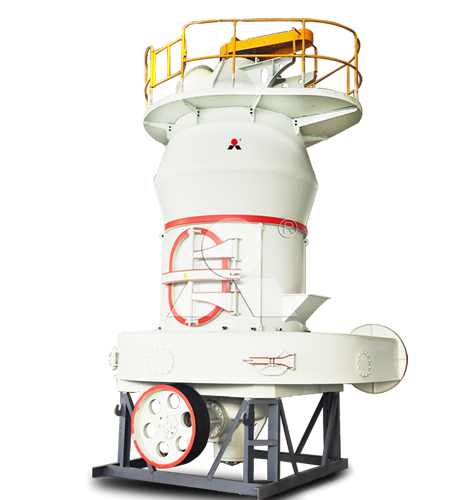
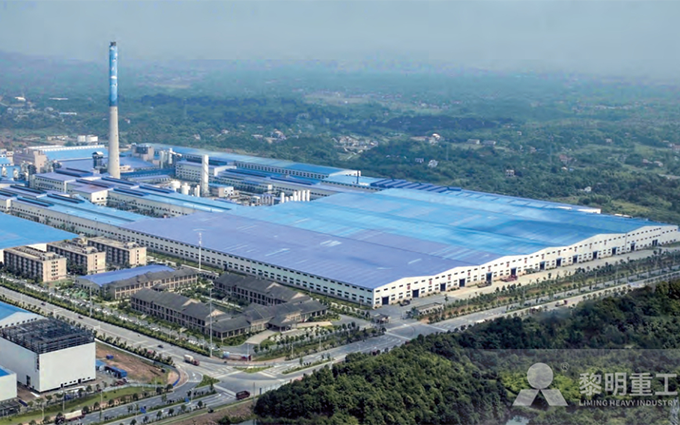
Liming Heavy Industry provides cement grinding solutions based on the LM Vertical Roller Mill and cement ball mill. Both systems can be configured for clinker and gypsum grinding, ordinary Portland cement production, and blended cement applications. For integrated cement plant projects, Liming Heavy Industry also provides rotary kilns, calcining kilns, and related equipment for clinker production and industrial calcination.
Role of Clinker and Gypsum
Cement clinker is the primary intermediate material used to manufacture Portland cement. It is produced by heating a prepared raw meal in a rotary kiln at high temperature, then cooling the resulting hard mineral nodules. The cooled clinker is stored and later ground into fine powder to make cement.
Gypsum is added during the final grinding stage to control the setting time of cement. Without a suitable amount of gypsum, the rapid hydration of clinker compounds, especially tricalcium aluminate, can cause flash setting. Controlled gypsum addition helps provide sufficient working time for mixing, transporting, placing, and finishing cement-based materials. [45][46]
The gypsum ratio must be selected according to clinker chemistry, cement type, sulfate requirement, target setting time, and applicable cement standard. Both insufficient and excessive gypsum can affect cement performance, so material proportioning and laboratory quality control are essential. Research on composite Portland cement has found that gypsum content affects setting time and compressive-strength development, with the appropriate level depending on the specific clinker and cement formulation. [46]
Typical Process Flow
A clinker and gypsum grinding plant is designed as a connected process system. The production route normally includes clinker receiving, gypsum storage, material dosing, grinding, classification, dust collection, finished-cement storage, and dispatch.
Receive and store cement clinker.
Receive and store gypsum separately.
Prepare optional mineral additives where required.
Measure clinker, gypsum, and additives through dosing equipment.
Feed the mixed material to an LM Vertical Roller Mill or cement ball mill.
Grind and classify the material to the required cement fineness.
Collect fine cement through the dust-control system.
Convey finished cement to storage silos.
Pack cement in bags or load it as bulk cement for dispatch.
Step 1: Clinker Receiving and Storage
Clinker may be supplied by an on-site rotary kiln line or delivered from an external clinker producer by truck, railway, ship, port terminal, or conveyor. Before grinding, clinker is stored in a clinker silo, clinker hall, warehouse, or covered stockpile.
Stable clinker supply is important for continuous cement production. The clinker storage system should provide enough inventory to support grinding operation during transport interruptions, kiln maintenance, changing market demand, or variations in raw-material supply.
Clinker feed size should be controlled before entering the grinding system. Oversized clinker may require crushing or pre-crushing to achieve stable mill feed. Clinker mineral composition, hardness, crystal structure, particle size, moisture, and cooling history can all influence grindability and the power required during cement grinding. [49][50]
Step 2: Gypsum Storage and Preparation
Gypsum should be stored separately from clinker to allow accurate dosing. Depending on its physical condition, gypsum may be received as natural gypsum rock, synthetic gypsum, phosphogypsum, or another suitable calcium sulfate material. The storage and handling system should be selected according to moisture content, particle size, flowability, and required production capacity.
If gypsum contains large lumps, it may be crushed before grinding. Moisture should also be considered because high-moisture gypsum can affect material flow, mill output, and finished cement temperature. The grinding system should be designed around the actual gypsum source and its expected variation.
Gypsum is commonly evaluated through its calcium sulfate content, moisture, particle size, purity, and sulfur trioxide contribution. The final cement formulation should be confirmed through laboratory testing, because sulfate balance affects setting time, strength development, and cement stability.
Step 3: Material Dosing and Proportioning
Clinker and gypsum are measured by weighing equipment before entering the grinding mill. Depending on plant capacity and material characteristics, dosing equipment may include belt weigh feeders, screw weigh feeders, rotary feeders, loss-in-weight feeders, bins, hoppers, and automated control systems.
Stable proportioning is essential. If gypsum dosage changes significantly, cement setting behavior and sulfate balance may change. If clinker content changes, the final cement composition, strength potential, and production cost can be affected.
For blended cement production, limestone, slag, fly ash, pozzolan, or other suitable mineral additives can be dosed with clinker and gypsum. Each material should be handled independently before mixing so the plant can produce different cement types and adjust formulations according to market demand and quality specifications.
Step 4: Grinding Clinker and Gypsum
The mixed clinker and gypsum feed enters the grinding system, where it is reduced from coarse particles into fine cement powder. The target fineness depends on the required cement type, product standard, strength-development target, clinker properties, additive ratio, and customer requirements.
LM Vertical Roller Mill Process
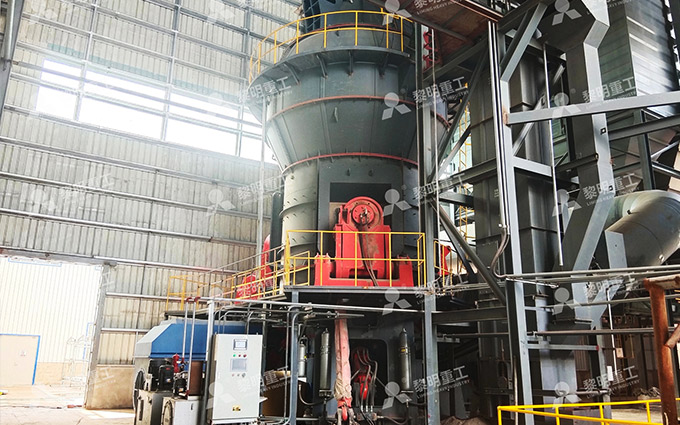
In an LM Vertical Roller Mill, clinker, gypsum, and suitable additives are fed onto the center of a rotating grinding table. Centrifugal force moves the material outward, forming a material bed between the grinding table and rollers.
The grinding rollers apply pressure to the material bed, reducing the particle size through compression and shearing. Process air carries the fine material upward to the integrated dynamic classifier. The classifier separates qualified fine cement from coarse particles. Fine cement moves to the dust collection system, while coarse particles return to the grinding table for further grinding.
The LM Vertical Roller Mill combines grinding and classification in a compact vertical arrangement. When suitable hot gas is available, it can also support simultaneous drying and grinding for materials with moisture. This can be useful when grinding clinker with moist gypsum, slag, limestone, or other mineral additives.
Cement Ball Mill Process
In a cement ball mill, the clinker and gypsum mixture enters a horizontal rotating cylinder containing steel grinding media. As the mill rotates, the grinding balls are lifted by the liners and then fall or cascade onto the material. The repeated impact, friction, and attrition gradually reduce clinker and gypsum into fine cement powder.
A cement ball mill commonly operates in a closed circuit with a separate high-efficiency separator. The mill discharge contains both fine and coarse particles. The separator collects qualified fine cement as product and returns coarse material to the ball mill for further grinding.
Ball mills may include two or more grinding compartments. Larger grinding media in the first compartment perform coarse grinding, while smaller media in later compartments perform fine grinding. Diaphragms control material movement through the mill and help maintain the intended grinding process.
Step 5: Classification and Fineness Control
Classification is necessary to separate finished cement from particles that require additional grinding. The goal is to achieve the required fineness while avoiding unnecessary overgrinding, excessive circulation load, and avoidable power consumption.
In an LM Vertical Roller Mill, the dynamic classifier is integrated into the mill system. In a ball mill circuit, classification is usually performed by a separate separator. The separator uses airflow and rotor speed to divide material according to particle size.
Fine particles that meet the cement specification are sent to the finished-product collection system. Coarse particles are returned to the mill. The classifier or separator setting should be adjusted according to target Blaine fineness, residue requirement, particle size distribution, cement strength requirement, and desired production capacity.
Increasing separator speed generally produces a finer cement product, but it may also increase the material circulation load and reduce throughput. The best operating point is a balance between cement quality, grinding capacity, and specific energy consumption.
Step 6: Dust Collection and Cement Recovery
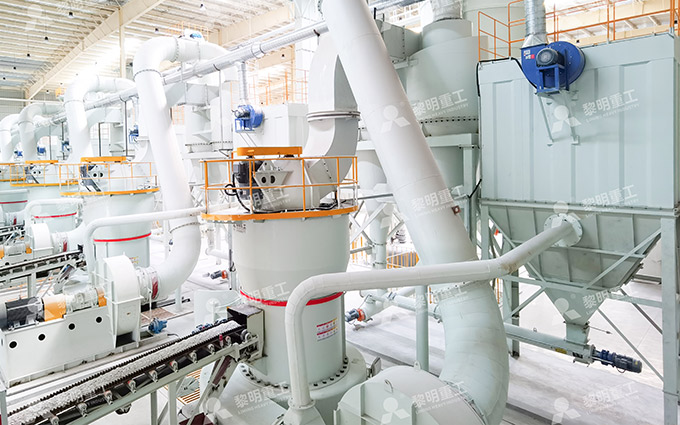
Fine cement is transported by process air during grinding and classification. Bag filters are used to separate the cement powder from the air stream and recover it as finished product. Dust collection systems are also installed at transfer points, silos, packing machines, bulk loading systems, and other areas where dust can be generated.
Bag filters perform two important functions. They reduce dust emissions and recover valuable fine cement that would otherwise be lost. Poor dust collection can affect mill ventilation, separator efficiency, plant pressure balance, product recovery, workplace conditions, and environmental compliance.
Process fans, ducts, dampers, air slides, and filters must be properly selected and maintained. In LM Vertical Roller Mill systems, airflow is essential for moving material through the grinding and classification process. In ball mill systems, ventilation helps control temperature and transport fine material through the circuit.
Step 7: Cement Storage and Dispatch
After grinding and dust collection, finished cement is conveyed to cement silos. Conveying equipment may include bucket elevators, screw conveyors, air slides, belt conveyors, or pneumatic conveying systems, depending on the plant layout and required capacity.
Cement silos store finished product before packing or bulk loading. Plants producing multiple cement grades may use separate silos to prevent product mixing and support flexible dispatch. Silo systems can include aeration equipment, level sensors, pressure-relief devices, discharge gates, filters, and blending systems.
Finished cement can be packed into bags or loaded as bulk cement. Bagged cement is discharged through a packing machine and conveyed to loading areas. Bulk cement is loaded directly from silos into trucks, railcars, vessels, or terminal systems.
LM Vertical Roller Mill vs Cement Ball Mill
| Comparison Item | LM Vertical Roller Mill | Cement Ball Mill |
|---|---|---|
| Grinding method | Compression and shearing between grinding rollers and a rotating table | Impact and attrition from steel grinding media in a rotating cylinder |
| Classification | Integrated dynamic classifier | Normally uses a separate separator in a closed circuit |
| Plant arrangement | Compact vertical process layout | Conventional horizontal grinding circuit |
| Grinding media | Does not require a large steel-ball charge for primary grinding | Requires steel grinding balls and regular media management |
| Moisture handling | Can support grinding and drying when suitable hot gas is available | May require separate drying arrangements for materials with higher moisture |
| Maintenance focus | Grinding rollers, grinding table, classifier, hydraulic system, gearbox, and wear parts | Grinding balls, liners, diaphragms, bearings, gears, lubrication system, and separator |
| Suitable applications | New cement grinding plants, compact layouts, and blended cement projects | Conventional grinding systems and sites with suitable existing ball mill infrastructure |
Key Process Control Parameters
Stable control of the clinker and gypsum grinding process is necessary to maintain cement quality, reduce operating cost, and protect equipment reliability. The most important parameters should be monitored through plant automation, laboratory testing, and regular equipment inspection.
Clinker feed size, hardness, grindability, chemical composition, and moisture.
Gypsum quality, moisture, calcium sulfate content, and dosing ratio.
Clinker, gypsum, and additive feed rate stability.
Grinding pressure, material bed, vibration, and airflow for LM Vertical Roller Mill operation.
Grinding-media charge, liners, diaphragms, mill ventilation, and circulation load for ball mill operation.
Separator rotor speed, airflow, reject rate, and classification efficiency.
Finished cement Blaine fineness, sieve residue, particle size distribution, and temperature.
Sulfur trioxide content, setting time, soundness, and compressive strength of finished cement.
Mill motor power, fan power, and specific electricity consumption per tonne of cement.
Bag filter pressure drop, dust collection efficiency, and process-air balance.
Integrated Clinker Production and Cement Grinding
In an integrated cement plant, clinker and gypsum grinding follows clinker production. Raw materials are crushed, proportioned, ground into raw meal, preheated, calcined, and processed in a rotary kiln to produce clinker. The clinker is cooled, stored, and then transferred to the cement grinding plant.
Liming Heavy Industry also provides rotary kilns and calcining kilns for suitable clinker production and industrial calcination applications. A complete integrated cement project may include raw-material crushing, raw meal grinding, preheating, calcination, rotary kiln processing, clinker cooling, clinker storage, clinker and gypsum grinding, cement storage, packing, bulk loading, dust collection, and automation systems.
The rotary kiln, clinker storage system, cement grinding system, finished-cement silos, and dispatch facilities should be planned together. Matching kiln capacity with grinding capacity helps maintain stable clinker inventory and reduces the risk of bottlenecks during continuous cement production.
Conclusion
The clinker and gypsum grinding process is essential for producing finished cement. Clinker provides the main cementitious material, while gypsum regulates setting behavior. Through controlled storage, dosing, grinding, classification, dust collection, and storage, the plant produces cement that meets required fineness and quality specifications.
Liming Heavy Industry provides LM Vertical Roller Mill and cement ball mill solutions for clinker and gypsum grinding. The LM Vertical Roller Mill offers an integrated grinding and classification arrangement, while the cement ball mill remains a proven option for conventional closed-circuit cement grinding systems.
For complete cement production projects, Liming Heavy Industry can also provide rotary kilns, calcining kilns, and supporting equipment for clinker production, cement grinding, finished-cement storage, packing, and dispatch.