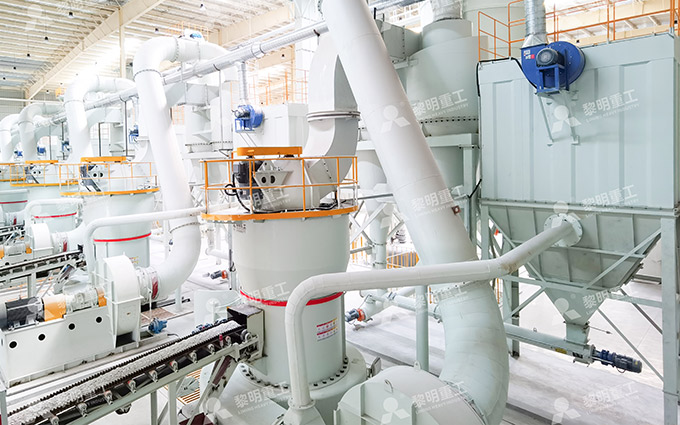
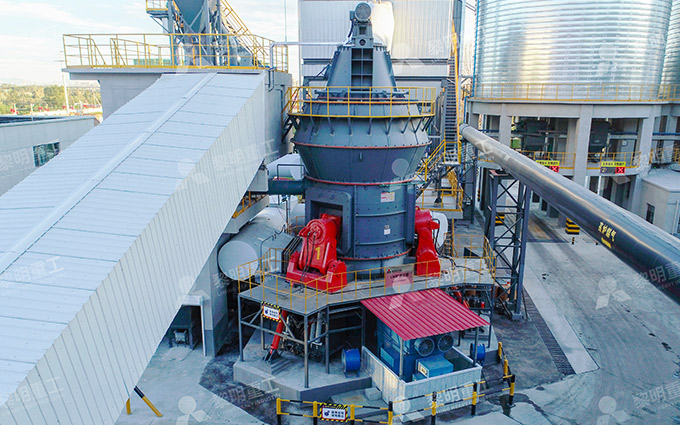
Coal Grinding Solutions
Coal Grinding Plant Case Studies
2026-09-10 18:11:30
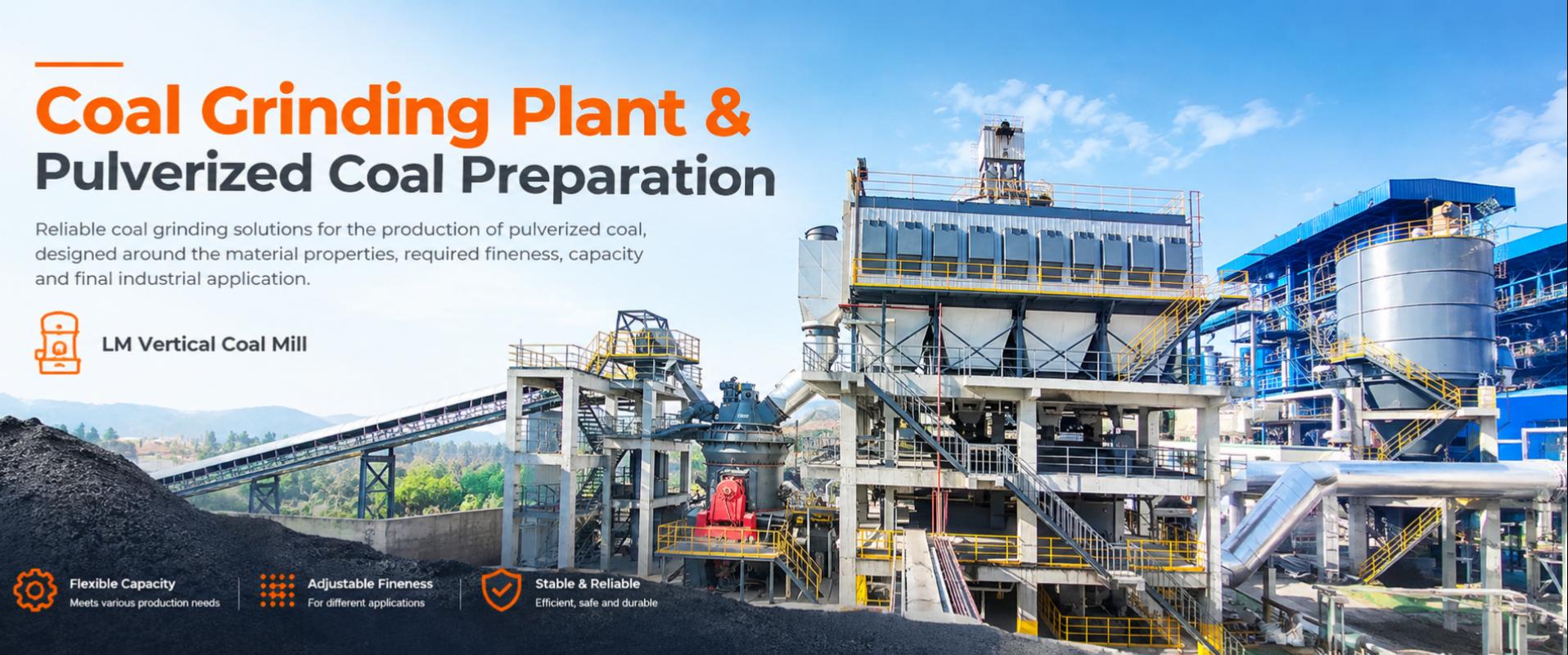
Coal grinding projects vary widely in capacity, feed moisture, target fineness, heat source, and downstream use. The following examples show how coal-powder systems can be configured for asphalt production, lime kilns, district heating, steel applications, and activated-carbon processing.
In each case, the main purpose is the same: turn prepared raw coal into dry, consistently classified powder that can be stored, conveyed, and supplied steadily to the thermal process. The appropriate mill selection depends on the complete operating requirement rather than output alone.
Project Overview
| Application | Coal-Powder Requirement | Recommended Solution | Key Process Focus |
|---|---|---|---|
| Asphalt-mixing plant | 200 mesh pulverized coal for burner fuel | LM Vertical Coal Mill | Stable powder fineness and continuous supply to the asphalt heating system |
| Lime kiln | Coal powder for limestone calcination | LM Vertical Coal Mill | Integrated drying, grinding, classification, and dependable kiln fuel supply |
| District-heating boiler | 200 mesh coal powder for boiler combustion | LM Vertical Coal Mill | Closed-loop grinding and classification with dust collection |
| Steel-mill fuel preparation | 200 mesh bituminous-coal powder | LM Vertical Coal Mill | Controlled fineness and stable powder delivery for thermal use |
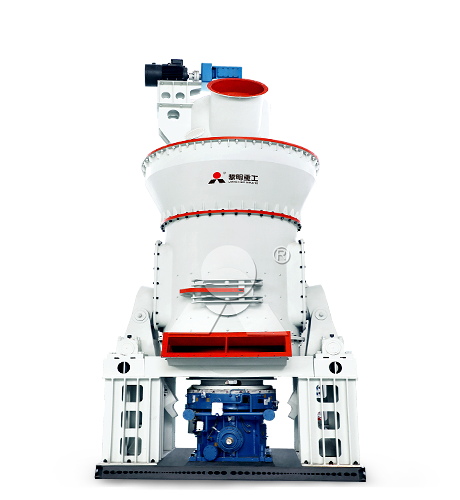
| Activated-carbon production | Fine coal feed for downstream carbon-processing equipment | LM1900M Vertical Coal Mill | Large-scale drying, grinding, and explosion-protected powder handling |
| Moderate-capacity industrial coal-powder line | Fine coal powder matched to a small or medium thermal process | MTW European Grinding Mill | Practical roller grinding, air classification, dust collection, and storage |
The documented projects include 200-mesh coal preparation for asphalt plants, district-heating boilers, and steel-related applications, as well as an LM1300M vertical-mill installation for lime-kiln coal preparation at 10–15 t/h.
Case 1: Coal Powder for Asphalt Mixing
Asphalt-mixing plants require stable thermal energy to heat aggregates and maintain consistent asphalt production. Pulverized coal can be used as a burner fuel when its fineness, moisture, and feed rate are controlled.
In a documented application, an LM Vertical Coal Mill was used to produce 200 mesh pulverized coal for an asphalt-mixing plant. The coal-powder system was designed to provide a product that meets the fuel requirements of the asphalt burner.
The practical process route included raw coal preparation, controlled feeding, grinding, classification, dust collection, powder storage, and delivery to the burner system. For asphalt production, the most important operating requirement is usually not ultra-fine powder. Instead, the plant needs a stable powder specification that supports reliable ignition, predictable heat output, and continuous burner feeding.
Key lessons from this type of project include:
Maintain a stable coal-powder fineness to avoid changing burner response.
Keep finished powder dry enough for dependable pneumatic or screw conveying.
Provide enough storage capacity to separate mill production from short-term changes in burner demand.
Install effective dust collection at every coal transfer point.
Coordinate coal-powder output with the plant’s aggregate-heating capacity.
Case 2: Coal Preparation for a Lime Kiln
Lime production depends on steady high-temperature calcination of limestone. A coal-powder system must provide consistent fuel quality because variations in coal fineness or feed rate can affect flame stability, kiln temperature, fuel consumption, and quicklime quality.
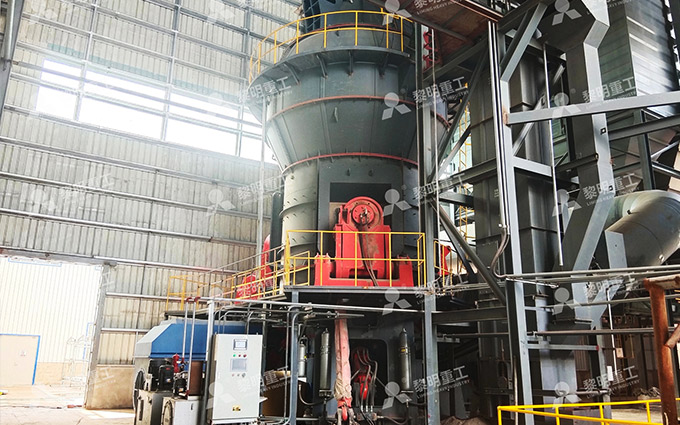
One documented lime-kiln project used an LM1300M Vertical Mill for pulverized-coal preparation. The published project information identifies coal as the material, a capacity of 10–15 t/h, and lime-kiln fuel preparation as the application.
This scale is suitable for a lime plant that needs a dedicated coal-powder preparation line but does not require the output of a very large cement-kiln coal mill. The vertical arrangement allows coal drying, grinding, classification, and powder transport to operate as an integrated process.
In another reference, the LM Vertical Roller Mill was used to support an 800 tpd Maerz lime-kiln project, where pulverized-coal preparation was identified as a critical upstream process.
The main design priorities for lime-kiln coal preparation are:
Match powder fineness to the burner design and kiln thermal requirement.
Control moisture so that powder flows reliably to the burner.
Maintain sufficient coal-powder silo capacity for continuous kiln operation.
Use a sealed fuel-preparation system to manage combustible dust.
Allow for seasonal variations in coal moisture and calorific value.
Case 3: Coal Powder for District Heating
District-heating boilers need a steady fuel supply over long operating periods, particularly during peak heating demand. The coal-powder line must therefore be designed around continuous operation, stable combustion, and reliable dust collection.
A Liming Heavy Industry project reference describes a 200-mesh pulverized-coal system for district-heating boilers. The project included a closed-loop grinding and classification system, as well as a pulse dust collector for the finished powder.
A closed-loop arrangement helps maintain controlled airflow through the mill and collection circuit. The pulse dust collector captures fine coal powder from the gas stream before the powder enters storage. This configuration supports clean operation and helps maintain product recovery.
For a heating-boiler application, the system should be designed around the maximum winter fuel demand rather than average annual consumption. The pulverized-coal silo should provide a reasonable fuel buffer so that short mill stoppages, coal-delivery delays, or maintenance activities do not immediately affect boiler operation.
Case 4: Coal Powder for Steel Applications
Steel-related thermal processes often require coal powder with controlled fineness and low, stable moisture. The final product must be suitable for conveying and rapid reaction in the downstream process.
A documented Liming Heavy Industry project for a steel-mill application processed bituminous coal to 200 mesh using a vertical mill system. The project illustrates the role of accurate classification in supplying a stable fine coal powder for steel-related fuel preparation.
Bituminous coal generally has different drying and combustion characteristics from anthracite, lignite, or petroleum coke. Therefore, coal analysis should be confirmed before final mill selection. Volatile matter, moisture, grindability, ash content, and target powder fineness all influence the grinding and gas-handling configuration.
For steel-related applications, project planning should pay particular attention to:
Finished-powder moisture and pneumatic conveying performance.
Uniform fineness and control of oversize particles.
Stable feeding to downstream injection or combustion equipment.
Coal-silo monitoring, sealing, and powder-discharge reliability.
Dust-control and protection measures appropriate for combustible fine coal.
Case 5: Activated-Carbon Feed Preparation
Activated-carbon production requires controlled carbonaceous feed preparation before the material enters downstream thermal treatment. The grinding plant must provide stable size reduction while managing dust, moisture, and continuous material flow.
A published project reference for activated-carbon production includes a coal feeder, drying system, LM1900M Vertical Mill, and explosion-protection equipment. The project is identified as a large-scale, high-capacity coal-processing line.
This example demonstrates why large coal-powder projects are designed as complete systems rather than as standalone mills. The feeder, drying system, vertical mill, dust collector, fan, powder-storage equipment, and protective devices must be selected together.
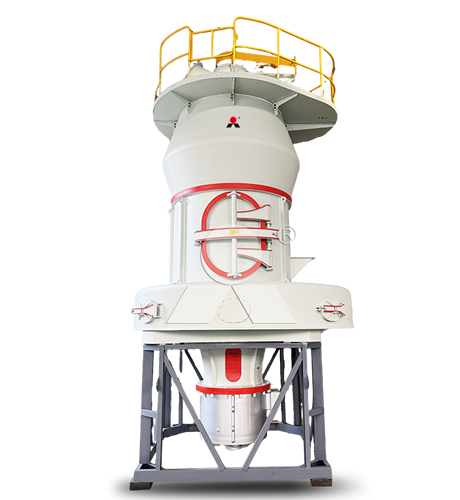
The LM Vertical Coal Mill is particularly suitable for this type of project because it combines drying, grinding, classification, and powder conveying in one vertical process route. This integrated configuration can reduce transfer points between process stages and help maintain a more compact plant arrangement.
Case 6: Moderate-Capacity Coal Powder Production
Not every coal-powder project needs a high-capacity vertical coal mill. A smaller industrial boiler, lime plant, brick line, ceramic furnace, or asphalt operation may require a moderate and stable coal-powder supply instead.
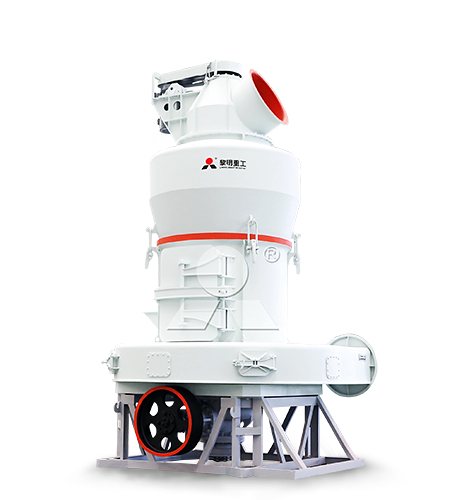
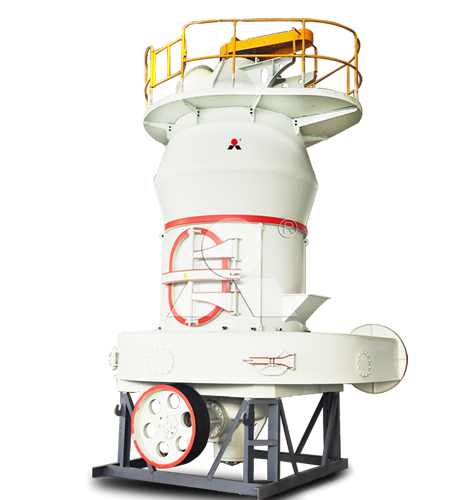
For such projects, the MTW European Grinding Mill from Liming Heavy Industry can be configured with a crusher, raw coal bunker, sealed feeder, air classifier, cyclone or pulse collector, fan, powder silo, and controlled discharge equipment. The MTW system uses roller-and-ring grinding and air classification to produce fine coal powder when the feed coal is properly crushed and the moisture level is compatible with the selected process arrangement.
The MTW solution is particularly appropriate when:
The required output is within a small or medium production range.
Raw coal can be crushed to a stable feed size.
Feed moisture is relatively low or a suitable hot-air arrangement is available.
Plant space allows separate arrangement of the mill, collector, fan, and powder silo.
The downstream process requires controlled fine powder but does not require a large integrated vertical grinding line.
What These Cases Show
| Project Need | Practical Design Response |
|---|---|
| High and continuous coal-powder demand | Use an LM Vertical Coal Mill with integrated drying, grinding, classification, collection, and storage. |
| Coal with variable moisture | Include adequate hot-gas drying capacity and maintain outlet conditions within the approved operating range. |
| 200-mesh fuel specification | Use controlled classification and routine sieve testing to maintain a stable powder distribution. |
| Continuous kiln or boiler operation | Install adequate raw-coal and pulverized-coal buffer storage to prevent short interruptions from affecting fuel supply. |
| Moderate production requirement | Consider an MTW European Grinding Mill with supporting feeding, collection, and storage equipment. |
| Combustible dust risk | Design the entire plant around sealed handling, dust collection, monitoring, and project-specific protective measures. |
These cases show that successful coal grinding is determined by the complete production line. The mill must be matched with feed preparation, drying capacity, classification, dust collection, powder storage, conveying, automation, and safety protection.
For large or moisture-sensitive coal-powder preparation lines, the LM Vertical Coal Mill provides an integrated solution for coal drying, grinding, classification, and conveying. For appropriately scaled moderate-capacity projects, the MTW European Grinding Mill provides a practical alternative. The final configuration should always be based on representative coal data, required fineness, expected output, available heat source, downstream equipment, and site-specific safety requirements.