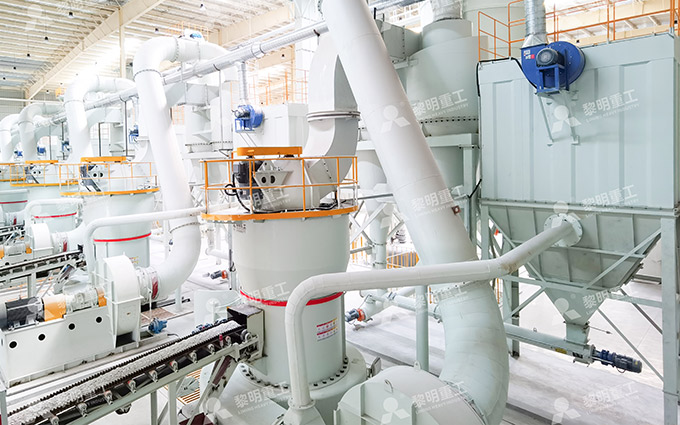
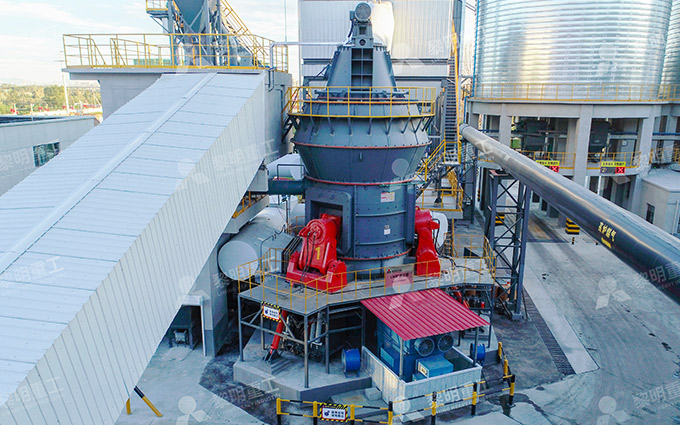
Coal Grinding Solutions
Coal Grinding Plant Cost: What Determines the Investment?
2026-09-10 18:11:00
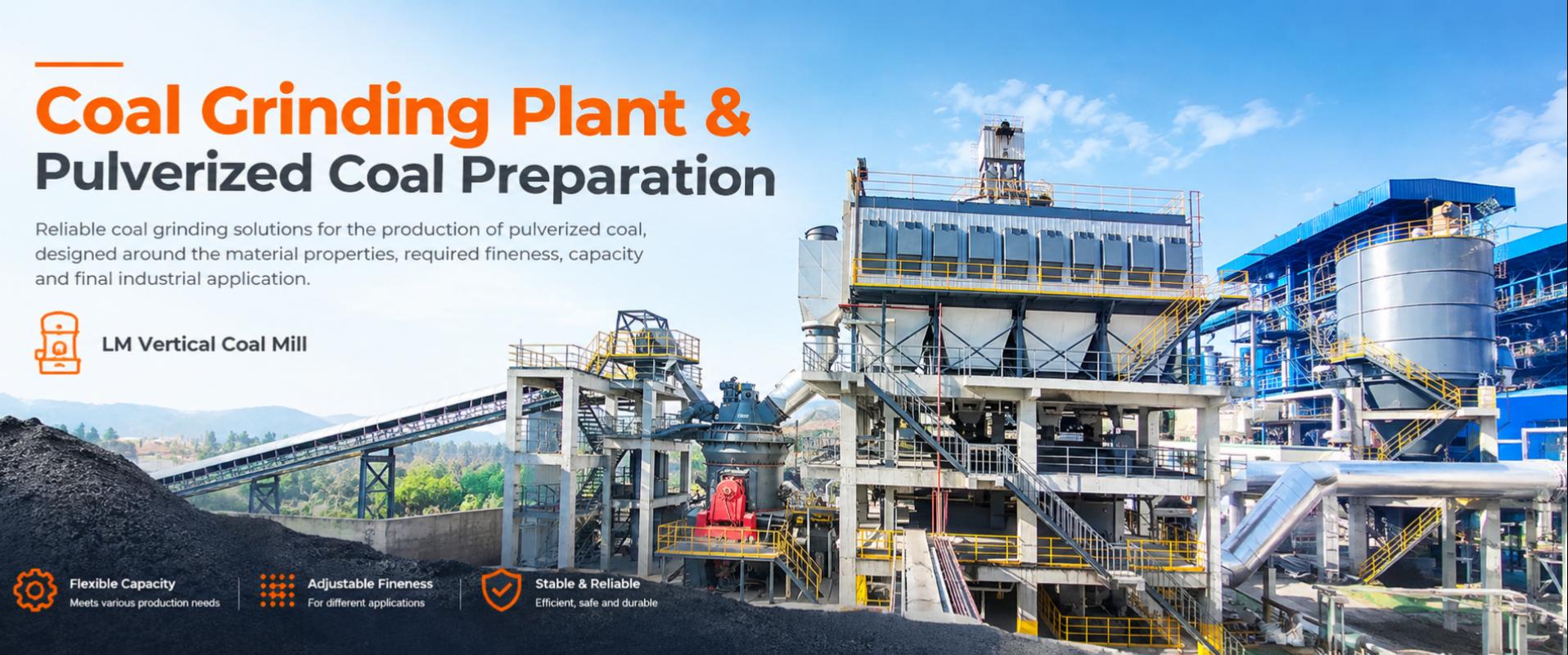
The cost of a coal grinding plant depends on the complete process requirement, not only on the grinding mill. Capacity, coal moisture, target fineness, drying method, dust collection, storage capacity, automation level, civil works, installation conditions, and safety protection all affect the total investment.
A small coal-powder unit with prepared, low-moisture coal requires a very different budget from a high-capacity line that includes crushing, hot-gas drying, an LM Vertical Coal Mill, dust collection, pulverized-coal storage, automation, and explosion-protection systems. The correct comparison is therefore the total installed plant cost and lifecycle operating cost, rather than the purchase price of the mill alone.
Investment Structure
A coal grinding project normally includes four main cost categories:
| Cost Category | Typical Scope | Main Cost Drivers |
|---|---|---|
| Core process equipment | Grinding mill, classifier, feeder, fan, collector, conveyors, silo, valves, control instruments | Capacity, target fineness, mill type, automation, wear protection, material specifications |
| Drying and gas-handling system | Hot-air furnace or process-gas connection, ducts, dampers, fans, insulation, temperature-control equipment | Raw coal moisture, heat source, gas volume, duct length, gas temperature, pressure loss |
| Safety and environmental equipment | Dust collection, explosion relief, isolation, inerting, CO and oxygen monitoring, fire detection, sealing, grounding | Coal volatile matter, dust-hazard assessment, plant layout, local requirements, collector and silo design |
| Project implementation | Civil works, steel structure, foundations, electrical supply, installation, commissioning, freight, training, spare parts | Site conditions, local labor, foundation requirements, delivery route, elevation, climate, installation scope |
The mill is usually the most visible item in the proposal, but it is only one part of the investment. A project that needs wet-coal handling, substantial drying capacity, long duct runs, a large coal-powder silo, and extensive protection systems can have auxiliary equipment costs comparable to or greater than the mill cost.
Factors That Change Cost
Required Capacity
Capacity is normally the largest equipment-cost driver. A mill designed for 10 t/h does not simply become a 40 t/h plant by operating longer; higher capacity requires a larger grinding chamber, stronger drive system, greater grinding force, larger classifier, higher gas volume, more powerful fan, bigger dust collector, larger ducts, and larger storage and conveying equipment.
Capacity must be defined under actual feed conditions. If the coal has higher moisture, poor grindability, a larger feed size, or a finer powder target, the same mill may produce less than its nominal output. Selecting equipment only for normal demand can create a bottleneck during peak fuel consumption or wet-weather coal conditions.
Target Fineness
Finer coal powder requires more grinding energy and more precise classification. It can also require a larger collector, higher fan capacity, stronger wear protection, and more careful process control.
Many cement, lime, boiler, and industrial thermal applications use coal powder within an approximate 80–200 mesh range. The exact specification depends on burner design, coal type, combustion residence time, and fuel-use method. Liming’s coal-grinding guidance notes that the required fineness is commonly within this range and should be selected according to the specific kiln or fuel application.
Over-specifying powder fineness raises both capital and operating cost. If the downstream burner can achieve stable combustion with a moderate fineness target, requiring an unnecessarily fine product may reduce mill throughput and increase electricity use without improving the process.
Coal Moisture and Drying Duty
Coal moisture has a major effect on plant cost because water must be evaporated before stable fine-powder storage and combustion can be achieved. Higher moisture requires more drying heat, higher gas volume, larger ducts, more fan power, additional temperature control, and sometimes a dedicated hot-air furnace.
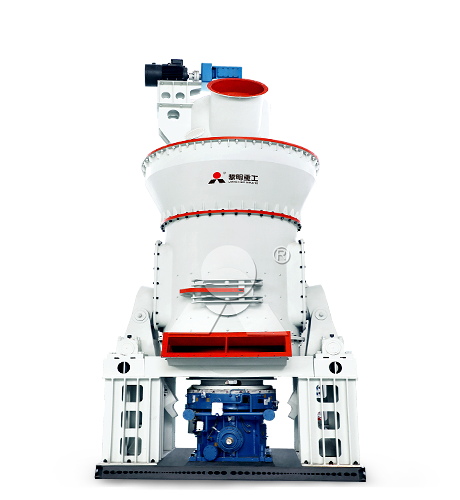
For coal with moderate or changing moisture, an LM Vertical Coal Mill can reduce process complexity by drying and grinding at the same time. Hot gas enters the mill, evaporates water from the coal, and transports the fine particles to the classifier. Liming describes this integrated arrangement as suitable for coal with approximately 10%–15% moisture when a suitable hot-gas source is available.
If a project uses relatively dry, well-prepared coal and has moderate capacity requirements, the MTW European Grinding Mill may provide a more economical arrangement. If coal moisture is high or variable and the production demand is continuous, the LM Vertical Coal Mill often offers a stronger long-term process solution despite its higher initial investment.
Grinding Mill Selection
| Project Condition | Suitable Liming Heavy Industry Mill | Investment Effect |
|---|---|---|
| Small or medium coal-powder production | MTW European Grinding Mill | Usually requires a lower initial equipment investment than a large integrated vertical coal grinding line. |
| Prepared coal with stable feed size and relatively low moisture | MTW European Grinding Mill | Can reduce the scale of the drying and gas-handling system when feed conditions are suitable. |
| Large, continuous coal-powder demand | LM Vertical Coal Mill | Requires a larger initial system investment but integrates several process functions in one line. |
| Coal with seasonal or variable moisture | LM Vertical Coal Mill | Integrated drying can reduce dependence on separate drying equipment and help maintain stable output. |
| High production capacity with limited process footprint | LM Vertical Coal Mill | Higher equipment cost may be offset by a more compact integrated layout and fewer separate process stages. |
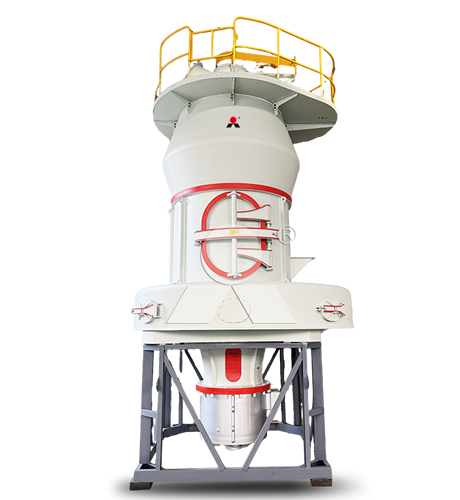
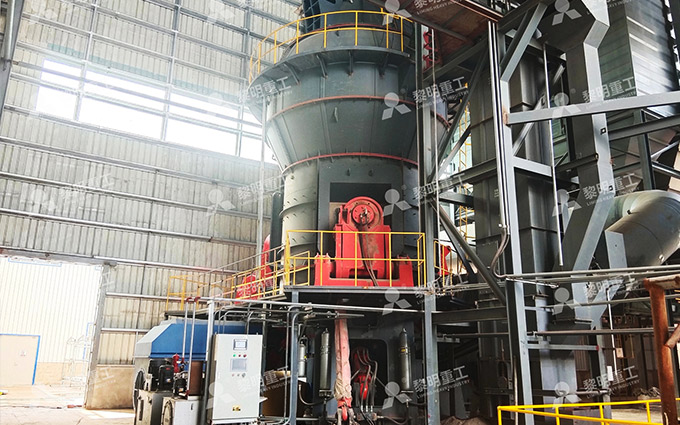
The LM Vertical Coal Mill combines grinding, drying, classification, and pneumatic conveying. This integrated design can simplify the overall process route, particularly for larger coal-powder systems. Liming’s coal-preparation information identifies the LM vertical mill as the core equipment for a complete system that combines these functions.
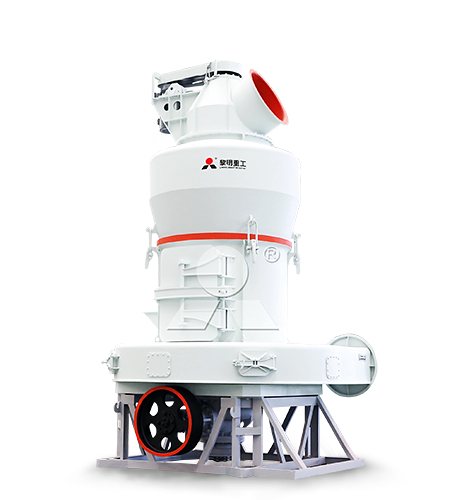
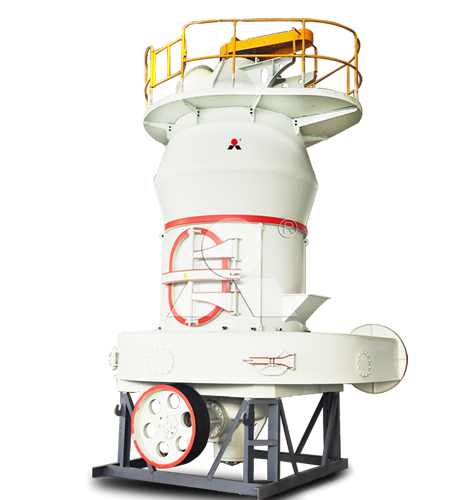
The MTW European Grinding Mill is generally suitable for moderate-capacity coal-powder projects. Its roller-and-ring grinding arrangement, air classification, dust collection, and powder conveying equipment can be configured as a practical system when raw coal is adequately crushed and drying requirements are limited or separately addressed.
Raw Coal Preparation
The condition of the delivered coal determines how much upstream equipment is needed. A plant receiving large lumps, metal contamination, stones, or inconsistent feed sizes needs more preparation equipment than a plant supplied with clean, consistently sized coal.
Typical upstream costs may include:
Raw coal receiving hopper and unloading equipment.
Covered coal storage or stockyard improvements.
Belt conveyors, transfer chutes, and dust-control points.
Screening equipment.
Magnetic separators and metal detectors.
Coal crusher and crusher feed hopper.
Raw coal bunker with level monitoring.
Sealed weigh feeder, belt feeder, screw feeder, or rotary feeder.
Spending appropriately on feed preparation can reduce unplanned shutdowns, protect mill components, improve powder consistency, and reduce the cost of repairs caused by foreign material or oversized feed.
Dust Collection and Safety Protection
Coal powder is combustible, so the grinding plant must include suitable dust containment and safety measures. This is a necessary project cost, not an optional accessory.
Dust collectors, cyclones, ducts, silos, transfer points, and enclosed conveyors require a protection concept matched to the coal properties and local requirements. The final scope may include explosion-relief devices, isolation equipment, temperature monitoring, CO and oxygen monitoring, inerting arrangements, fire detection, grounding, sealed feeders, pressure monitoring, and controlled emergency shutdown logic.
Investment in these systems varies significantly with the plant size, coal volatile content, storage volume, dust-collector type, process layout, and safety assessment. A larger mill may need a larger dust collector and more extensive ducting, while a large powder silo may require dedicated vent filtration, monitoring, and pressure protection.
Capital Cost Versus Operating Cost
A lower purchase price does not always mean a lower cost over the life of the plant. Coal grinding systems consume electricity, heat, wear parts, filter elements, lubricants, and maintenance labor. Downtime can also create significant costs when the grinding plant is connected to a continuously operating kiln or boiler.
| Cost Area | What Increases It | How It Can Be Controlled |
|---|---|---|
| Electricity consumption | Over-grinding, poor classifier adjustment, worn components, unstable feed, excessive system resistance | Match fineness to process needs, maintain wear parts, stabilize feed, and control airflow. |
| Drying energy | High coal moisture, air leakage, oversized gas flow, poorly insulated ducts | Use available waste heat where suitable, reduce moisture exposure during storage, and maintain duct sealing and insulation. |
| Wear parts | Abrasive ash, hard impurities, oversized feed, tramp metal, incorrect grinding pressure | Install metal removal, control feed size, inspect wear parts regularly, and maintain stable operating conditions. |
| Dust-collector maintenance | High dust loading, unsuitable filter selection, moisture-related buildup, poor cleaning performance | Size the collector correctly, monitor pressure drop, and follow scheduled filter maintenance. |
| Unplanned downtime | Inadequate spare parts, difficult maintenance access, unstable feed, insufficient system protection | Plan critical spares, provide maintenance lifting space, and use process monitoring and preventive maintenance. |
| Fuel inefficiency | Incorrect coal fineness, variable moisture, poor powder dosing, unstable combustion | Maintain powder specifications and coordinate grinding control with burner or boiler operating conditions. |
The economic value of integrated drying becomes clearer when coal is wet. If a plant must add separate drying equipment, additional conveyors, transfer points, structural steel, and controls, the apparent savings from choosing a smaller grinding unit can disappear. In a high-capacity project, a vertical coal mill can reduce the number of separate process stages by performing drying, grinding, and classification in one unit.
How to Prepare a Budget
To obtain a meaningful project quotation, prepare a technical data sheet rather than asking only for a mill price. The following information allows the equipment configuration and investment scope to be defined more accurately:
Required output in t/h, including normal and maximum demand.
Annual production target and operating hours per day.
Coal type, laboratory analysis, and representative material sample.
Maximum feed size after crushing.
Minimum, normal, and maximum coal moisture.
Required final powder fineness, residue value, or passing rate.
Required finished-powder moisture.
Available heat source, gas temperature, gas volume, pressure, and composition.
Downstream application, including kiln, boiler, furnace, or injection system.
Required pulverized-coal silo storage time and discharge rate.
Site location, elevation, ambient temperature, power supply, and local standards.
Scope of supply for civil works, structural steel, electrical installation, commissioning, and spare parts.
Separating the quotation into mill equipment, auxiliary process equipment, drying and gas system, dust and safety system, electrical controls, civil works, and installation makes it easier to compare alternatives fairly.
Final Considerations
The cost of a coal grinding plant is mainly determined by production capacity, powder fineness, coal moisture, drying demand, process configuration, safety scope, and site conditions. A smaller MTW European Grinding Mill line may be appropriate for moderate coal-powder demand and suitably prepared coal. A larger LM Vertical Coal Mill system is usually more appropriate when high output, continuous operation, integrated drying, and stable production under variable moisture conditions are required.
The most reliable investment decision comes from evaluating both the initial project scope and the operating cost over the expected service life. A correctly sized mill, stable feed system, sufficient drying capacity, effective dust collection, practical maintenance access, and complete safety protection help prevent the much higher cost of unstable production and unplanned shutdowns.