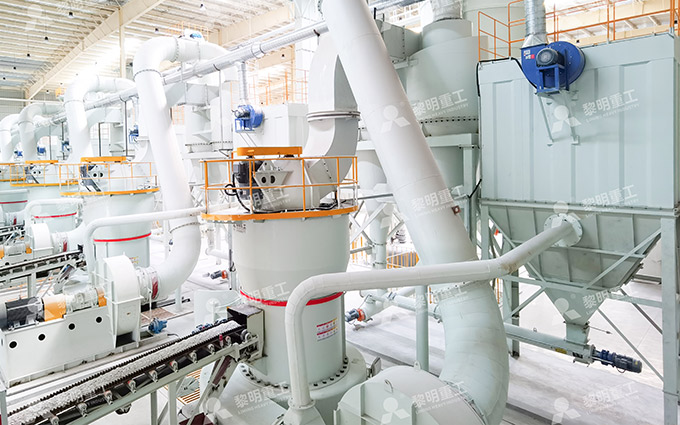
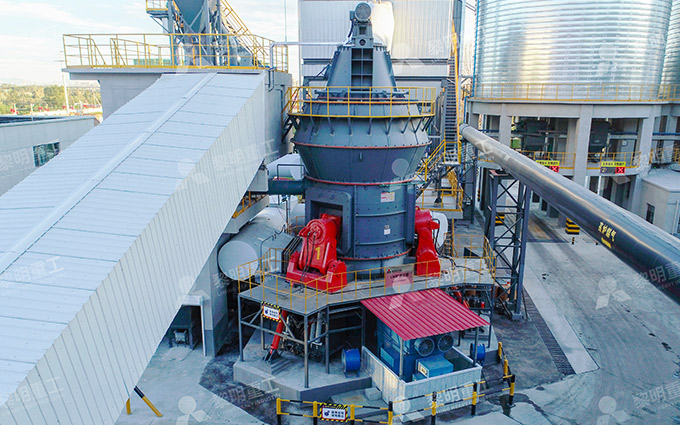
Coal Grinding Solutions
Coal Powder for Cement and Lime Plants
2026-09-10 18:10:25
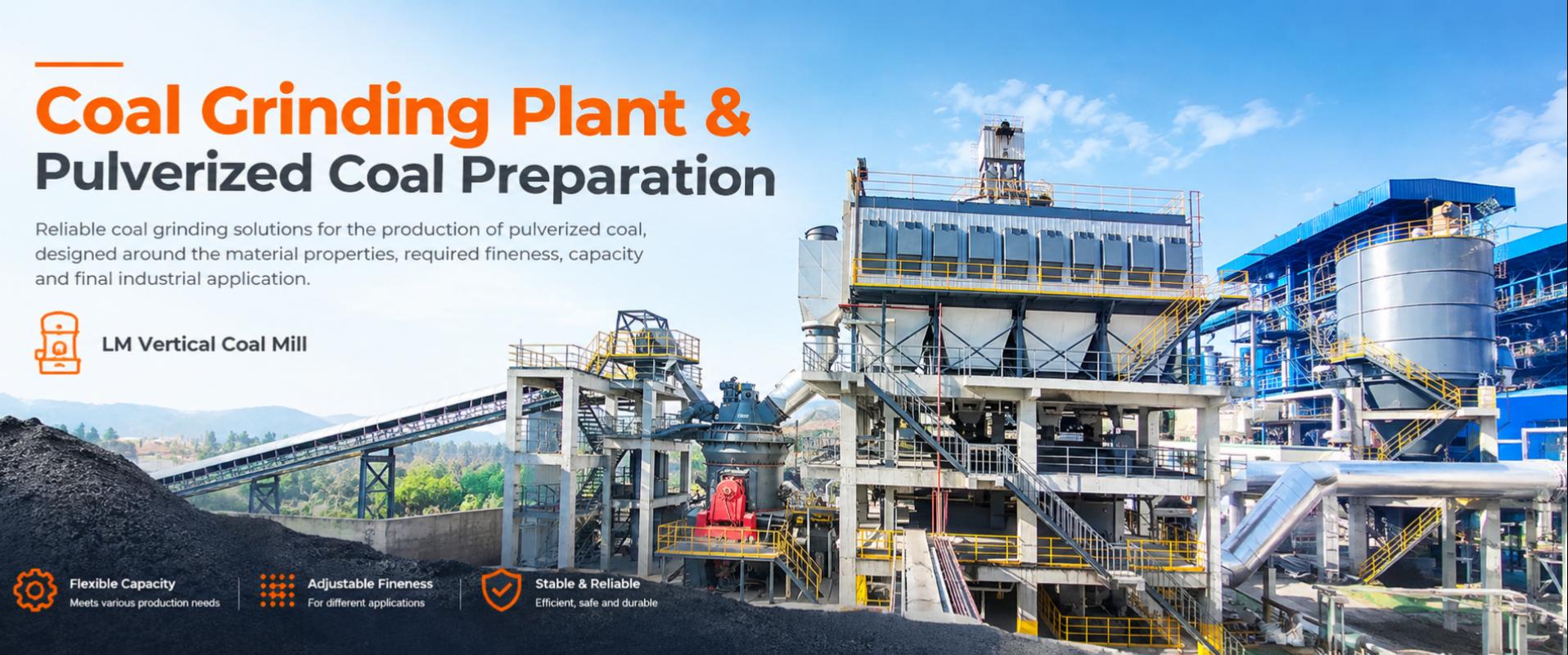
Coal powder remains an important fuel for cement and lime production because it can be metered precisely, conveyed pneumatically, and burned in a controlled flame. The required powder quality is determined by the kiln system, burner design, coal properties, production capacity, and the thermal behavior needed for clinker burning or limestone calcination.
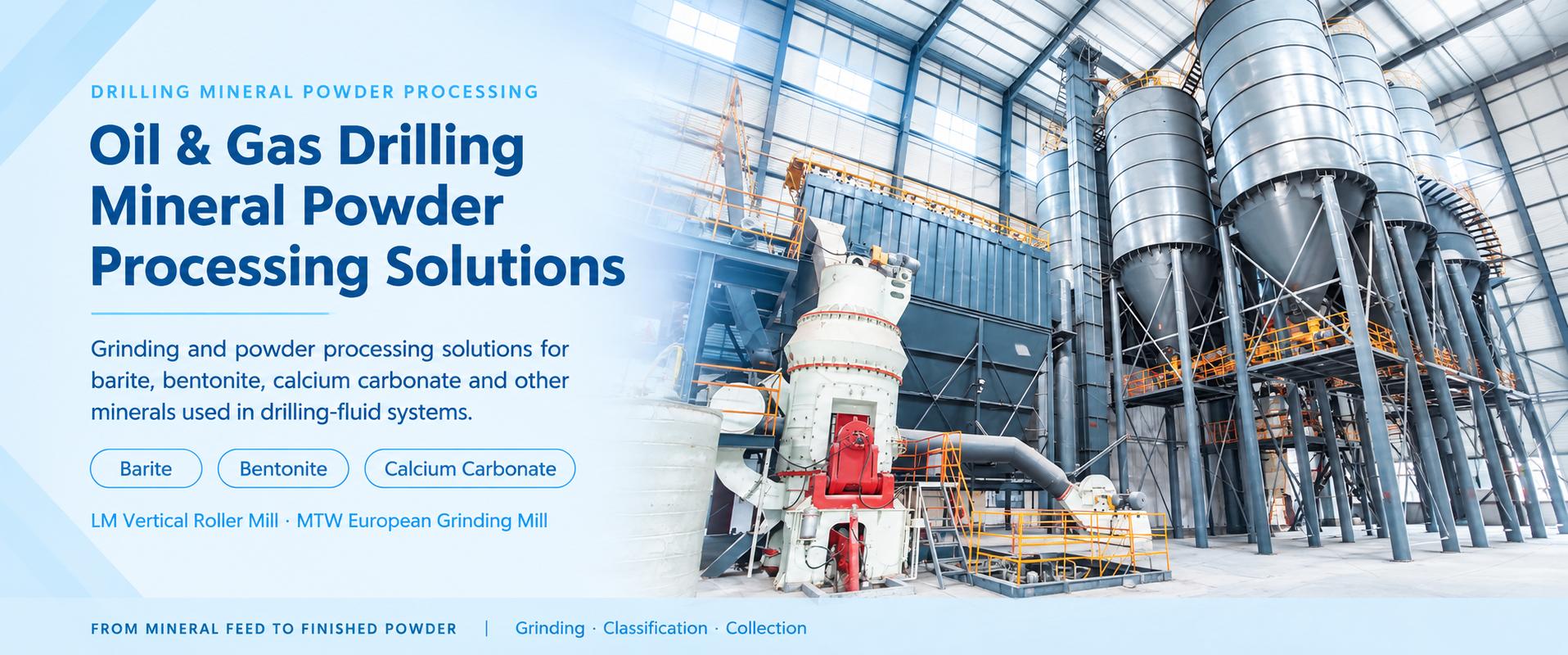
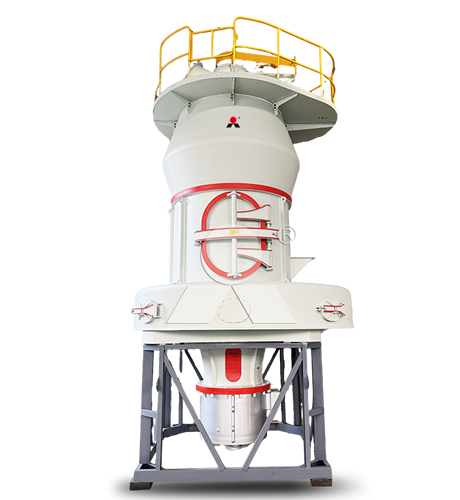
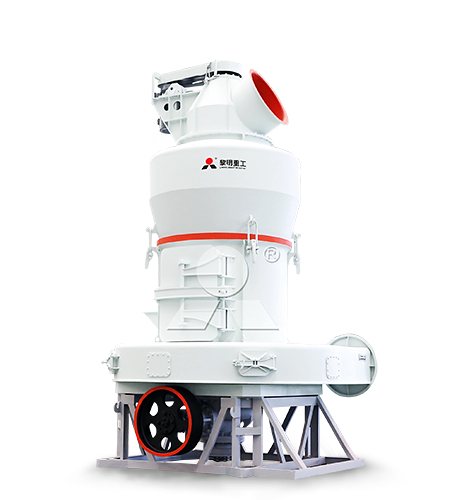
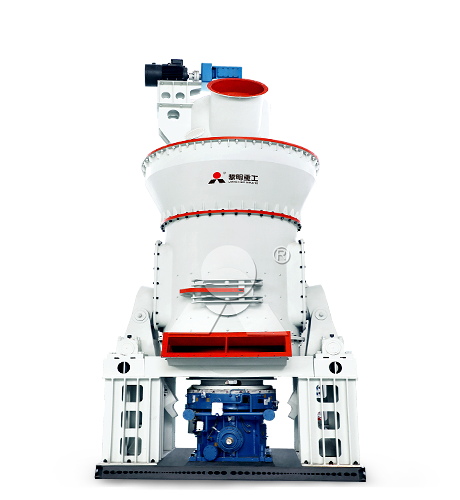
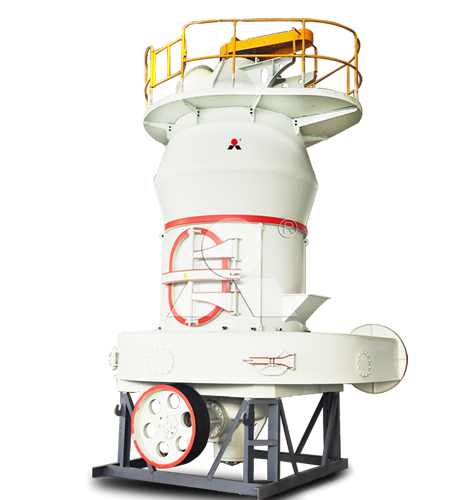
For cement and lime plants, coal powder must be dry, consistently fine, and stable in storage and conveying. The LM Vertical Coal Mill from Liming Heavy Industry is suited to large, continuous coal-powder preparation lines, while the MTW European Grinding Mill can be considered for appropriate medium-capacity applications with well-prepared coal feed.
Why Coal Powder Quality Matters
In both cement and lime plants, coal does not release all of its heat instantly after entering the burner. The particles heat up, release volatile matter, ignite, and burn out along the flame path. Coal fineness, moisture, particle-size distribution, and feeding consistency therefore affect flame shape, flame temperature, heat transfer, fuel efficiency, and product quality.
In a cement rotary kiln, pulverized coal is introduced through the kiln burner with primary air. The resulting flame transfers heat to the kiln feed, supports clinker formation, and affects the thermal conditions in the burning zone. Solid fuels such as pulverized coal provide a prolonged combustion period, which is an important part of heat transfer in rotary-kiln operation.
In lime production, coal powder is commonly delivered through a burner pipe into the kiln. The powder must burn steadily enough to maintain the temperature required for limestone decomposition while avoiding excessive flame instability, incomplete combustion, or uneven heating of the material bed. A narrow particle-size distribution and the removal of oversize particles are especially important because large particles can degrade burner performance.
Coal Powder Requirements
| Requirement | Cement Plant Consideration | Lime Plant Consideration |
|---|---|---|
| Fineness | Must support rapid ignition, complete burnout, stable flame shape, and controlled heat release in the kiln or calciner. | Must match burner design and kiln residence time; oversize particles should be minimized to avoid incomplete combustion. |
| Moisture | Low moisture supports stable conveying, ignition, storage, and kiln flame control. | Low and stable moisture improves pneumatic transport and reduces drying demand at the burner. |
| Particle-size distribution | Consistent distribution helps maintain steady flame length and burning-zone temperature. | A narrow, controlled distribution supports predictable combustion behavior and burner response. |
| Output stability | Coal-powder supply must match continuous kiln and calciner demand. | Supply must match the kiln’s thermal load and production schedule. |
| Calorific value | Influences fuel-feed rate and heat balance. | Influences burner setting, fuel consumption, and calcination temperature control. |
| Volatile matter | Affects ignition behavior, flame development, and suitable fineness target. | Affects the ease of ignition and the required burner operating conditions. |
| Ash characteristics | Can influence clinker chemistry, kiln coating, rings, and ash handling. | Can affect product purity, kiln deposits, and ash-disposal requirements. |
A commonly used cement-kiln reference is a residue target of less than 15% on an 88–90 μm sieve, although the proper specification must be tied to coal volatile matter, burner type, kiln configuration, and operating practice. One kiln-fuel reference also indicates that coal moisture is often controlled below 2% for stable kiln firing. These figures are useful starting points, not universal design values.
For lime kilns, eliminating oversize particles can be more important than simply increasing the proportion of ultra-fine powder. A burner can be designed around a selected average coal-particle size, but coarse particles above the intended range may burn too slowly and extend the flame beyond the desired combustion zone.
Cement Plant Coal Preparation
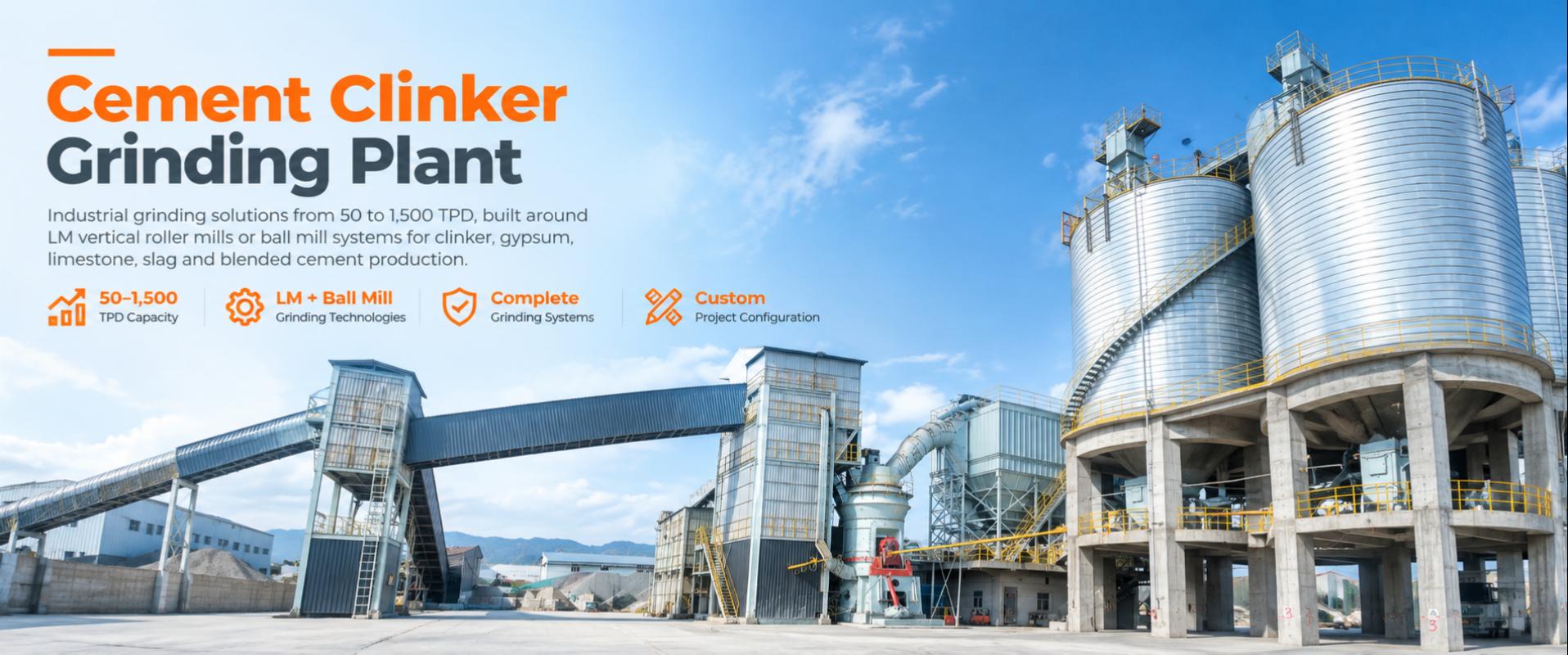
A cement plant commonly uses pulverized coal in the main burner, calciner, or both. The fuel system must provide a continuous coal-powder supply that follows kiln production demand while maintaining stable fineness and moisture.
The typical coal-powder route is:
Raw coal receiving → covered storage → screening and metal removal → crushing → raw coal bunker → sealed weigh feeder → coal grinding and drying → classification → dust collection → pulverized-coal silo → dosing and pneumatic conveying → kiln burner or calciner.
The grinding system uses hot air or process gas to reduce coal moisture during milling. The classifier separates qualified particles from coarse particles and returns oversize material to the grinding zone. Finished powder is collected and stored in a silo before it is metered to the burner or calciner.
For large cement lines, the LM Vertical Coal Mill provides an integrated arrangement for drying, grinding, classifying, and conveying coal powder. This is particularly useful where coal moisture changes during storage or where the plant requires a stable, continuous fuel supply for a high-capacity kiln.
The final coal specification should be coordinated with the kiln burner. Coal fineness affects ignition distance, flame length, burnout location, primary-air requirement, and the temperature profile in the burning zone. If the coal becomes too coarse, ignition and burnout can shift downstream. If it becomes unnecessarily fine, grinding power and dust-handling load increase without necessarily improving kiln performance.
Lime Plant Coal Preparation
Lime production requires consistent high-temperature calcination of limestone. The fuel-preparation system must support stable heat release, because fluctuations in coal-powder quantity or fineness can affect kiln temperature and the quality of quicklime.
A typical lime-kiln coal-powder system includes a crusher, raw coal bunker, sealed feeder, grinding mill, hot-air system where needed, classifier, dust collector, pulverized-coal silo, dosing equipment, and conveying line to the kiln burner.
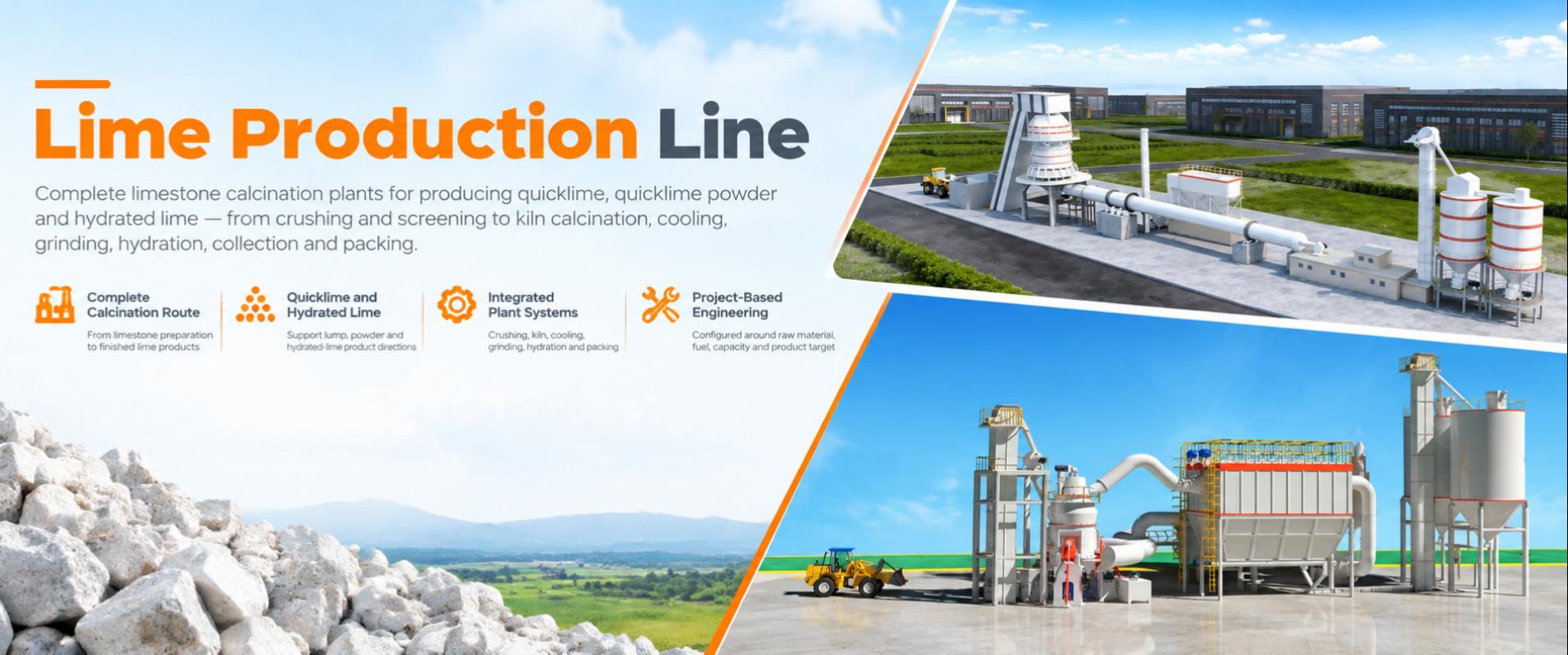
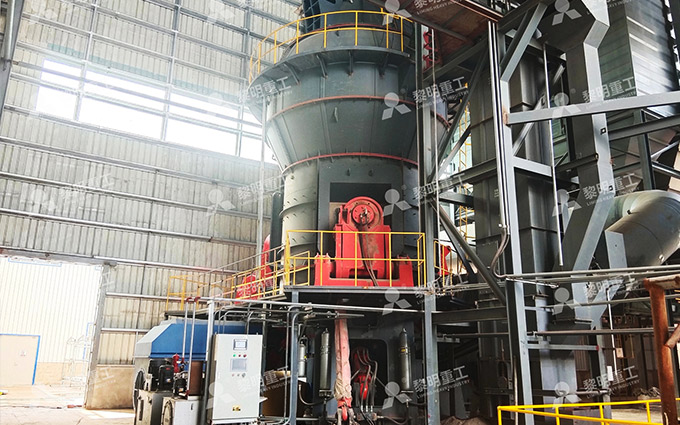
Liming Heavy Industry has documented an LM1300M Vertical Mill application for preparing coal powder for lime kilns, with an indicated capacity of 10–15 t/h. This illustrates the use of an LM Vertical Coal Mill where the lime plant needs an integrated grinding and powder-preparation route.
For smaller or moderate lime-production projects, the MTW European Grinding Mill can be considered when the coal is properly crushed, feed moisture is within the workable process range, and the required output matches the selected model. The MTW system uses roller-and-ring grinding with air classification to produce controlled coal powder for industrial fuel use.
Choosing LM or MTW
| Project Condition | Recommended Solution | Reason |
|---|---|---|
| Large cement kiln with continuous coal consumption | LM Vertical Coal Mill | Supports large-scale, continuous grinding with integrated drying, classification, and pneumatic powder transport. |
| Coal moisture changes during storage or seasonal weather | LM Vertical Coal Mill | Hot gas can dry coal while it is ground, helping maintain stable finished-powder moisture. |
| High-capacity calciner and main-burner coal supply | LM Vertical Coal Mill | Designed for integrated high-output coal-powder preparation systems. |
| Medium-capacity lime kiln or industrial thermal process | LM Vertical Coal Mill or MTW European Grinding Mill | The final decision depends on output, feed moisture, heat source, and required powder specification. |
| Small to medium coal-powder demand with prepared feed | MTW European Grinding Mill | Provides a practical roller grinding and classification route for suitable moderate-capacity projects. |
| Limited requirement for integrated high-moisture drying | MTW European Grinding Mill | Can be configured for stable coal-powder production when feed conditions are suitable. |
Control Points During Operation
Coal powder quality should be monitored continuously through the grinding and firing process. Operators should evaluate process data as a group rather than responding to one reading in isolation.
Raw coal moisture: A rise in moisture increases drying demand and may reduce mill output.
Feed rate: Stable feeding supports stable mill load, powder fineness, and kiln fuel supply.
Grinding pressure: Must be sufficient to reduce coal efficiently without creating unstable mill operation.
Classifier setting: Controls the balance between powder fineness and mill throughput.
Hot-gas flow and temperature: Determine drying performance and affect powder transport.
Finished-powder residue: Confirms whether the required fineness is being maintained.
Final powder moisture: Affects storage, conveying, ignition, and combustion stability.
Coal-silo level: Ensures that the kiln or lime burner has enough fuel buffer during changes in mill operation.
Flame observation and kiln response: Provide direct operating feedback on whether powder quality matches the actual combustion requirement.
For example, if kiln flame becomes longer and less stable while coal feed remains unchanged, the plant should check coal fineness, powder moisture, classifier condition, burner settings, primary-air flow, and coal-source changes. Adjusting only the burner may not solve the underlying fuel-preparation issue.
Dust Control and Safety
Coal powder is combustible and must be handled in enclosed equipment. The mill, separator, dust collector, ducts, silo, conveyors, and burner-feed system should be selected and arranged as a complete protected system.
Depending on the project conditions, the line may require sealed transfer equipment, dust collection suitable for combustible dust, temperature monitoring, pressure monitoring, carbon-monoxide and oxygen measurement where applicable, grounding, fire detection, explosion relief, isolation, inerting, and controlled start-up and shutdown procedures.
Good housekeeping is essential. Coal dust should not be allowed to accumulate on floors, platforms, structural steel, cable trays, ducts, or equipment surfaces. Air leakage should be controlled because it can disturb the drying process and introduce additional oxygen into a coal-powder system.
Final Considerations
Coal powder for cement and lime plants must be matched to the thermal process it serves. Cement kilns need stable coal powder that supports controlled flame development and clinker burning, while lime kilns require powder that delivers predictable heat release for uniform limestone calcination.
For large or moisture-sensitive coal-powder preparation lines, the LM Vertical Coal Mill provides an integrated solution for drying, grinding, classification, and conveying. For suitable moderate-capacity applications with stable prepared feed, the MTW European Grinding Mill offers a practical alternative. The final selection should be based on coal analysis, target fineness, moisture range, required output, heat-source conditions, burner design, and the complete kiln fuel-handling system.