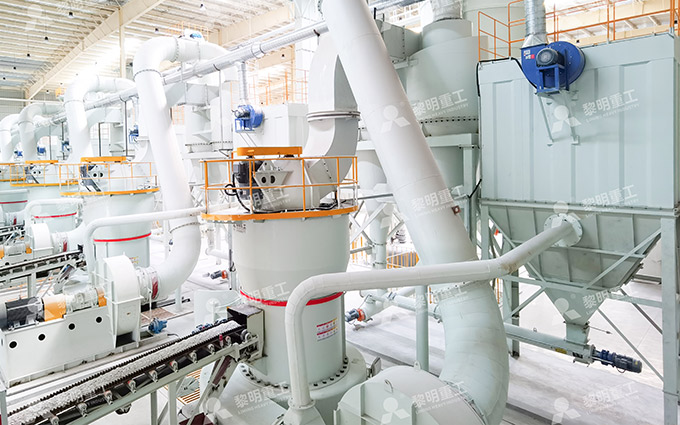
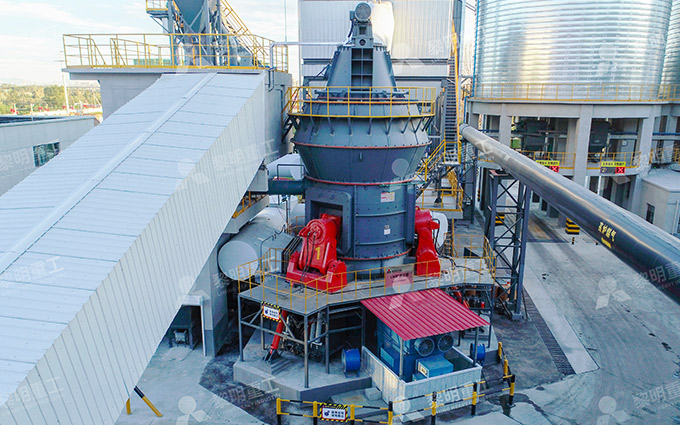
Coal Grinding Solutions
Coal Grinding Plant Layout and Equipment
2026-09-10 18:09:51
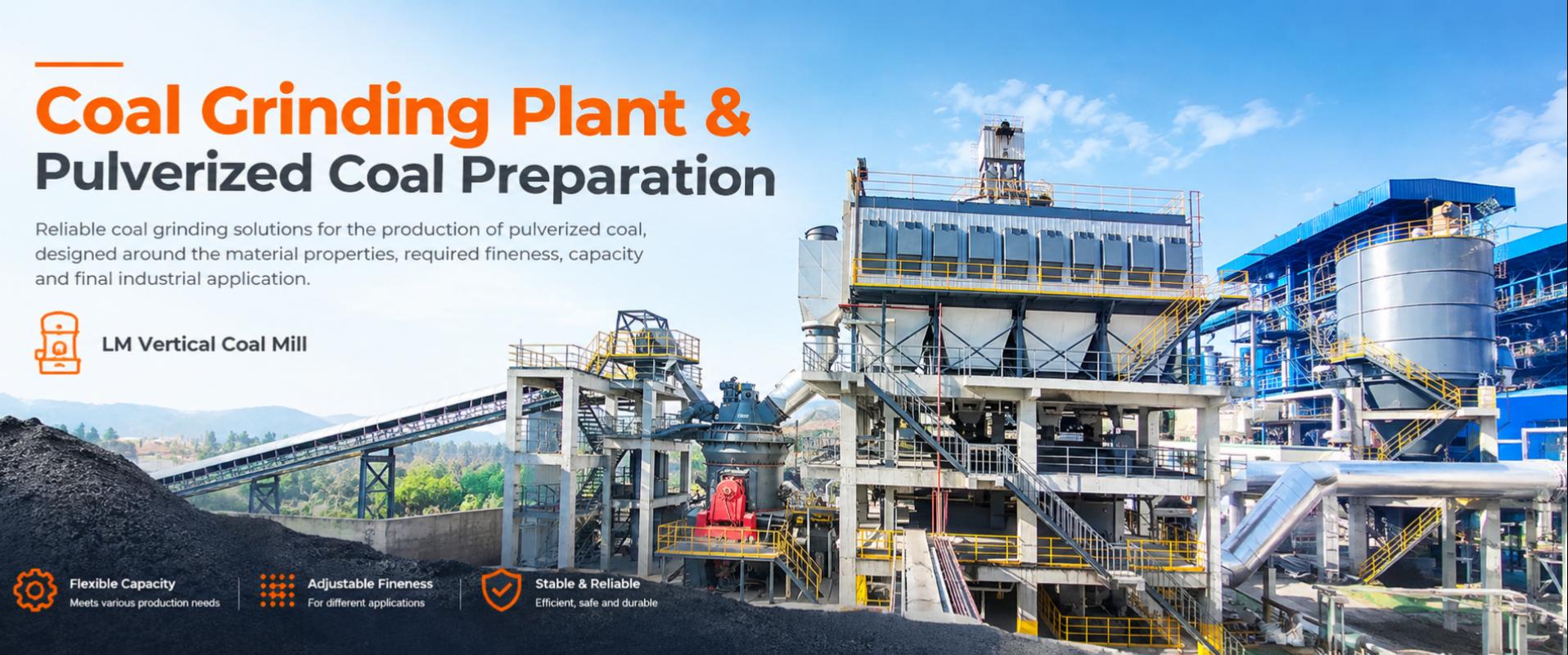
A coal grinding plant is a coordinated system that receives raw coal, prepares it for milling, dries and grinds it into fine powder, separates qualified particles, collects the product, and stores it for controlled use. A well-planned layout protects production stability, maintenance access, dust control, and safe operation from the raw coal yard through to the pulverized-coal silo.
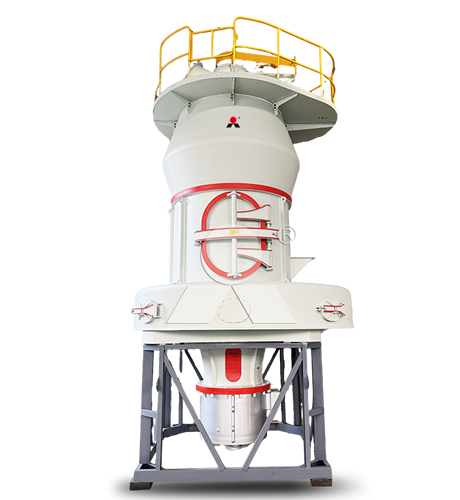
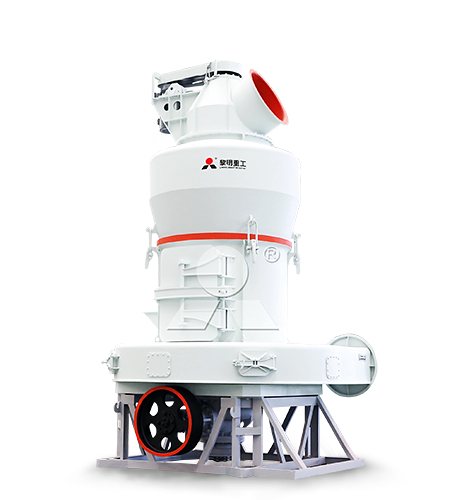
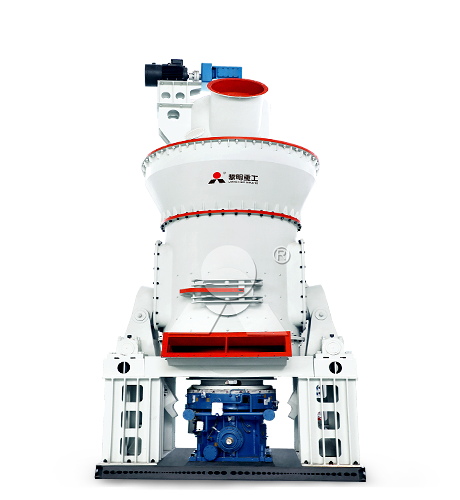
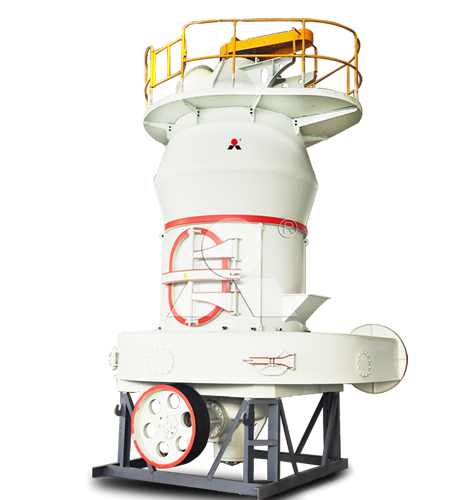
For high-capacity and continuous coal-powder production, the LM Vertical Coal Mill from Liming Heavy Industry provides an integrated solution for grinding, drying, classification, and pneumatic conveying. For suitable small and medium coal-powder projects, the MTW European Grinding Mill provides a practical roller grinding and air-classification solution.
Typical Plant Flow
A standard coal grinding plant can be arranged in the following sequence:
Raw coal receiving → coal storage → screening → magnetic separation → crushing → raw coal bunker → sealed metering feeder → grinding and drying mill → classifier → powder collection → induced-draft fan → pulverized-coal silo → controlled discharge to the burner, boiler, kiln, or injection system.
The arrangement should follow the natural movement of material and gas through the plant. Raw coal moves from receiving and preparation to the mill. Fine coal powder then moves through enclosed ducts and collection equipment to storage. Hot gas enters the grinding circuit for drying, while the fan maintains the required gas flow and pressure balance.
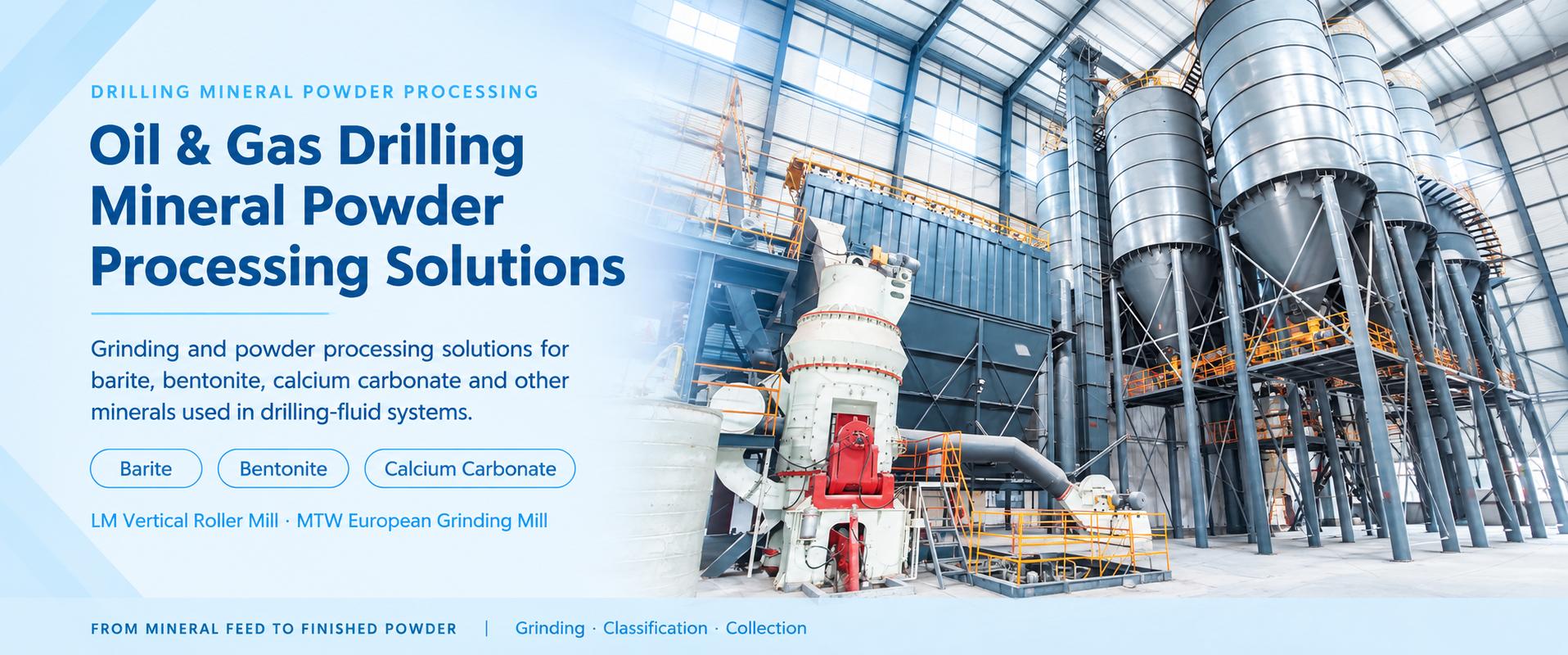
A typical coal-powder production line includes a raw-material warehouse, weighing feeder, grinding mill, dust collector, fan, iron remover, drying system, and conveying equipment. In an integrated vertical-mill arrangement, hot gas dries coal in the mill, fine powder is separated by the classifier, and collected powder is discharged to the coal-powder silo.
Equipment Arrangement
| Plant Area | Main Equipment | Function |
|---|---|---|
| Raw coal receiving | Unloading hopper, belt conveyor, receiving chute | Transfers delivered coal into the plant and provides controlled entry to the storage or preparation section. |
| Raw coal storage | Covered stockyard, enclosed storage shed, bunker, or storage silo | Creates a buffer between coal delivery and continuous mill operation while limiting rainwater and foreign-material contamination. |
| Feed preparation | Screen, magnetic separator, metal detector, crusher | Removes oversized coal and tramp metal before material enters the grinding circuit. |
| Buffer storage | Raw coal bunker with level instruments | Provides stable short-term storage and allows the mill to run continuously when upstream material handling fluctuates. |
| Metered feeding | Sealed belt feeder, screw feeder, rotary valve, or weigh feeder | Supplies coal to the mill at a controlled rate and reduces air leakage into the process. |
| Grinding and drying | LM Vertical Coal Mill or MTW European Grinding Mill | Reduces coal to fine powder; drying air or hot gas is introduced where required. |
| Classification | Integrated dynamic classifier or air classifier | Separates qualified coal powder from coarse particles that require further grinding. |
| Powder collection | Cyclone collector, pulse dust collector, rotary discharge valve | Separates coal powder from the gas stream and transfers it to storage. |
| Gas handling | Induced-draft fan, ducts, dampers, expansion joints, temperature-control equipment | Provides drying airflow, powder transport, and negative pressure within the grinding circuit. |
| Finished powder storage | Pulverized-coal silo, silo-top filter, level instruments, temperature monitoring | Stores qualified powder and supports continuous downstream fuel supply. |
| Powder discharge | Rotary feeder, screw conveyor, pneumatic conveying line, dosing system | Feeds coal powder at a controlled rate to the burner, kiln, boiler, or injection line. |
| Control and protection | PLC system, MCC, instruments, gas monitoring, temperature sensors, pressure transmitters, fire and explosion protection | Maintains stable operation and provides alarms, interlocks, and protective actions. |
Recommended Layout Zones
A practical plant layout usually divides the system into five connected operating zones. This approach makes maintenance, material flow, dust control, and future expansion easier to manage.
1. Coal Receiving and Preparation Zone
Locate the receiving hopper, stockyard, screens, magnetic separator, and crusher near the point where coal enters the site. This reduces long-distance handling of large coal lumps and keeps heavy-duty material preparation away from the fine-powder section.
The storage area should preferably be covered or enclosed where local conditions allow. Rainwater can increase coal moisture, which increases the drying load and may reduce grinding capacity. The coal route should also avoid unnecessary transfer points, because each transfer point can generate dust and create maintenance work.
A metal detector and magnetic separator should be installed before the crusher and mill feed system. Tramp metal can damage grinding components, jam feeders, and create safety concerns in a coal-powder plant.
2. Raw Coal Bunker and Feeding Zone
The raw coal bunker is normally positioned above or close to the mill feed point. This arrangement allows gravity flow from the bunker to the sealed feeder and reduces the number of conveying devices required before grinding.
The bunker should include high-level and low-level alarms, inspection access, suitable flow geometry, and measures to reduce material bridging or blockage. The feeder below the bunker must deliver a stable coal flow because sudden feed changes affect mill vibration, outlet temperature, mill differential pressure, product fineness, and output.
Where coal has a tendency to bridge, cake, or compact, the bunker design may require flow-assistance measures selected for the specific coal properties. These should be engineered carefully because uncontrolled mechanical agitation can create dust leakage and irregular feed conditions.
3. Mill and Hot-Gas Zone
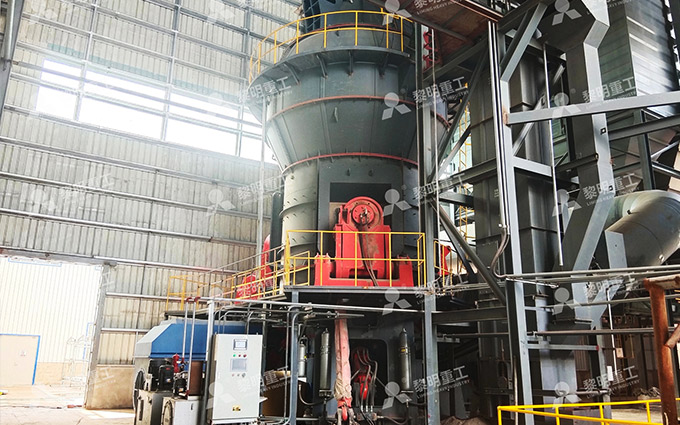
The grinding mill is the core of the plant. It should be installed with sufficient space for inspection, replacement of wear parts, lifting operations, and access to the drive, hydraulic system, lubrication unit, feeder connection, classifier, and reject-discharge area.
For an LM Vertical Coal Mill layout, the mill, classifier, hot-gas inlet, outlet duct, reject system, and associated drive equipment form a compact vertical process arrangement. Coal enters the grinding table area, hot gas dries the material, fine powder is classified internally, and the qualified powder moves through the outlet duct to the collection system. Liming describes the LM Vertical Coal Mill as integrating crushing, grinding, drying, classification, and conveying into a single unit.
The hot-gas source should be positioned and ducted to provide stable temperature and flow at the mill inlet. Depending on the project, the heat source may be a hot-air furnace, waste heat from a kiln or boiler system, or another suitable process-gas source. The duct route should be short where possible, insulated where necessary, and designed to accommodate thermal expansion.
For an MTW European Grinding Mill layout, provide space for the mill body, feeder, classifier, blower, cyclone collector where used, pulse dust collector, ductwork, and finished-product conveying equipment. MTW is generally more appropriate for moderate-capacity coal-powder applications with properly prepared feed and suitable drying conditions.
4. Powder Collection and Storage Zone
The powder collection equipment should be installed downstream of the mill in an enclosed gas circuit. Fine coal powder carried by the airflow is separated in the collector and discharged through a sealed rotary valve or other suitable discharge device.
Place the pulverized-coal silo close enough to the collector to minimize conveying distance, but allow adequate room for inspection, maintenance, filling lines, discharge equipment, and safety devices. The silo must be designed for the powder’s flow properties, required storage time, and consumption rate.
Silo-top dust collection is important during pneumatic or mechanical filling. As powder enters the silo, displaced air must be filtered to avoid excessive internal pressure and dust release. Silo dust-collection design must account for both over-pressurization and combustible-dust risks.
5. Control, Electrical, and Maintenance Zone
The electrical control room, motor-control center, hydraulic station, lubrication equipment, instrument-air system, and operator work area should be positioned outside the primary dust-hazard zones where possible. Operators need clear access to process information, emergency-stop devices, gas monitoring, and inspection routes without entering high-dust or high-temperature locations unnecessarily.
Leave sufficient space around equipment for routine maintenance. This includes access for replacing grinding rollers and liners, cleaning ducts, servicing fans, changing dust-collector filter bags, inspecting rotary valves, and maintaining feeder components. A layout that saves a few square meters but prevents safe maintenance access can cause long-term production losses.
LM and MTW Layout Differences
| Layout Consideration | LM Vertical Coal Mill | MTW European Grinding Mill |
|---|---|---|
| Best production scale | Large and continuous coal-powder preparation lines | Small and medium coal-powder production lines |
| Grinding and drying arrangement | Integrated grinding, drying, classification, and pneumatic conveying | Roller-and-ring grinding with air classification; drying arrangement is selected according to feed moisture and process design |
| Building height | Usually requires attention to vertical clearance because of the mill body, classifier, ducts, and maintenance lifting requirements | Requires space for the mill, separator, blower, collector, and connected ducts; arrangement can be adapted to moderate-capacity layouts |
| Hot-gas integration | Well suited to direct hot-gas introduction for simultaneous drying and grinding | Can use a hot-air arrangement when coal moisture and process conditions require drying support |
| Auxiliary equipment | Commonly includes feeder, hot-gas system, dust collector, fan, reject system, silo, and electrical controls | Commonly includes crusher, feeder, mill, classifier, blower, cyclone or collector, pulse filter, fan, silo, and controls |
| Suitable plant objective | High-capacity coal supply with stable continuous operation and integrated process functions | Moderate coal-powder demand with a practical and controlled grinding arrangement |
Safety Design Requirements
Coal grinding layouts must account for combustible dust from the beginning. Fine coal powder can form an explosive atmosphere when suspended in air and exposed to an ignition source within a confined space. Dust collectors, cyclones, silos, ducts, mills, conveyors, and enclosed transfer points all require project-specific protection measures.
OSHA notes that a dust explosion requires fuel, oxygen, an ignition source, dispersion, and confinement. It also emphasizes dust-tight sealing of building penetrations and preventing dust accumulation in inaccessible spaces.
The final design may include the following measures, depending on local regulations, coal properties, and the project hazard assessment:
Enclosed conveyors, feeders, chutes, ducts, and powder-transfer points.
Sealed coal-feeding equipment to limit uncontrolled air ingress.
Appropriate dust-collection equipment for combustible coal dust.
Explosion relief, isolation, suppression, or containment equipment where required.
Temperature, pressure, CO, and oxygen monitoring where applicable.
Inerting arrangements for relevant operating and shutdown conditions.
Grounding and bonding of equipment to reduce electrostatic ignition risk.
Fire detection and suppression provisions selected for the plant configuration.
Safe explosion-relief vent routing away from operators, roads, buildings, and occupied areas.
Clear housekeeping routes and access for cleaning coal-dust deposits.
Research on coal-pulverization systems identifies inerting, process monitoring, and controlled operation as important parts of explosion prevention. It also highlights the need to manage oxygen concentration, coal self-heating, and shutdown conditions as part of the complete system design.
Plant Layout Checklist
Before finalizing a coal grinding plant layout, confirm the following project information:
Required hourly output, annual output, and daily operating schedule.
Coal type, feed size, moisture range, grindability, volatile matter, ash, and calorific value.
Required powder fineness and final product moisture.
Available hot-gas source, including temperature, flow, pressure, and gas composition.
Required coal-powder storage capacity and downstream consumption pattern.
Available site dimensions, building height, elevation, climate, and structural loading limits.
Truck, conveyor, maintenance, and emergency-access routes.
Electrical supply, control-room location, and instrument-air availability.
Dust-collection, emissions, fire-protection, and explosion-protection requirements.
Maintenance lifting routes and spare-parts access for the mill, fan, collector, and silo.
A coal grinding plant performs best when material flow is simple, hot-gas flow is stable, powder conveying is enclosed, and maintenance access is built into the layout. The LM Vertical Coal Mill is a strong choice for large integrated coal-powder systems, while the MTW European Grinding Mill is suitable for appropriately scaled moderate-capacity lines. In both cases, the final equipment arrangement should be based on verified coal data, operating conditions, and a complete safety assessment.