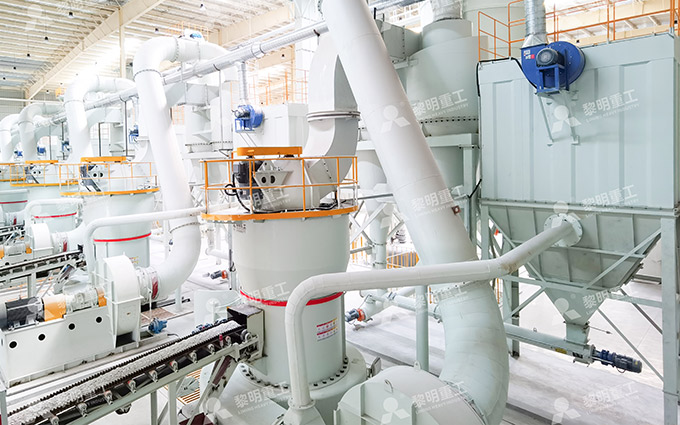
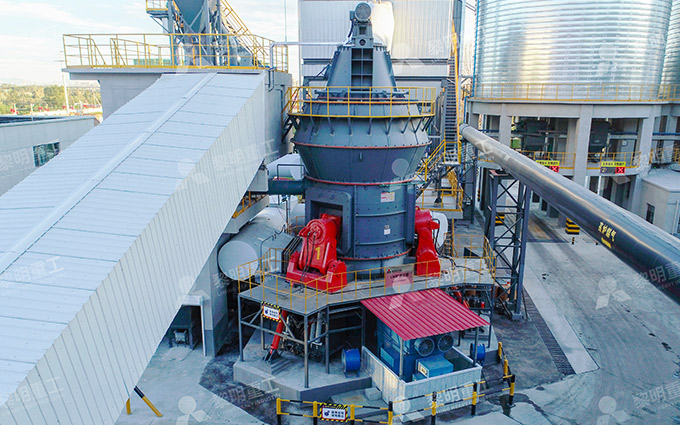
Coal Grinding Solutions
How to Select a Coal Grinding Mill
2026-09-10 18:09:19
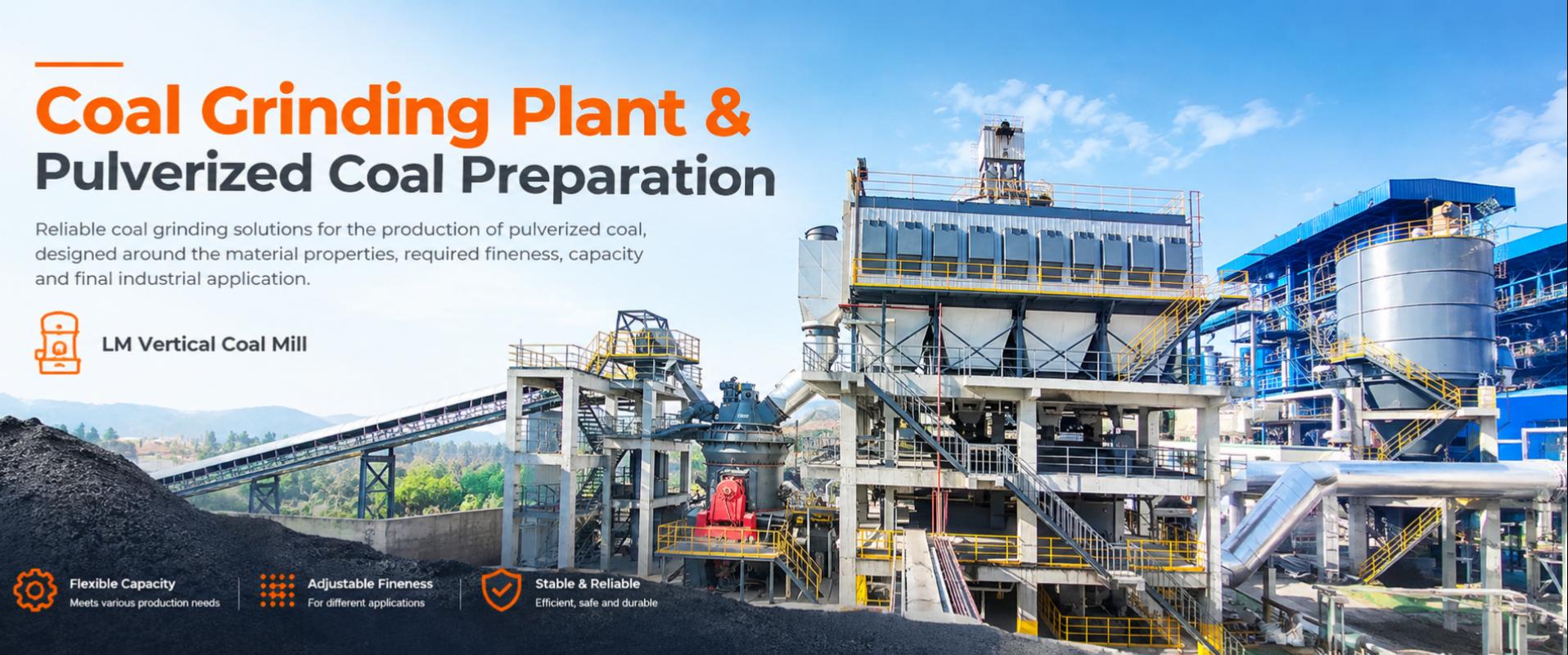
Selecting a coal grinding mill begins with the coal and the downstream fuel requirement. The most suitable equipment is the one that can continuously produce the required coal-powder quantity, fineness, and moisture level while matching the actual feed conditions, drying heat source, plant layout, and safety design.
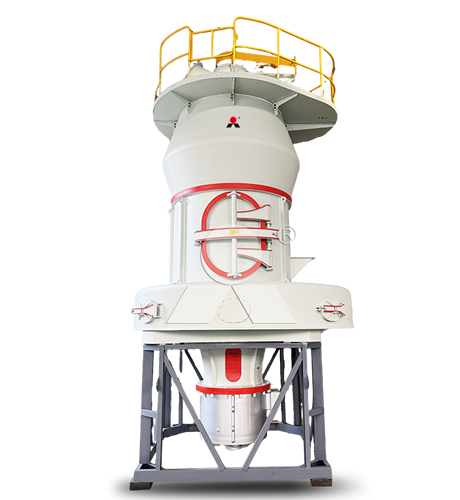
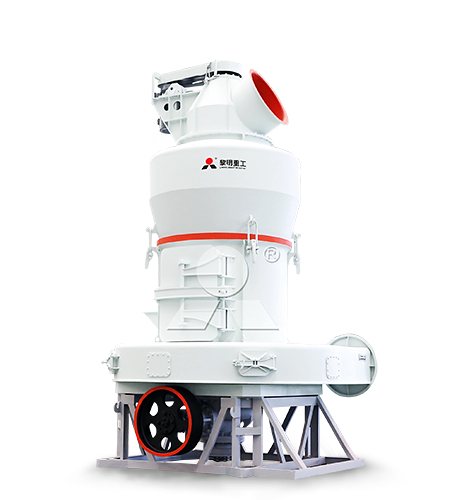
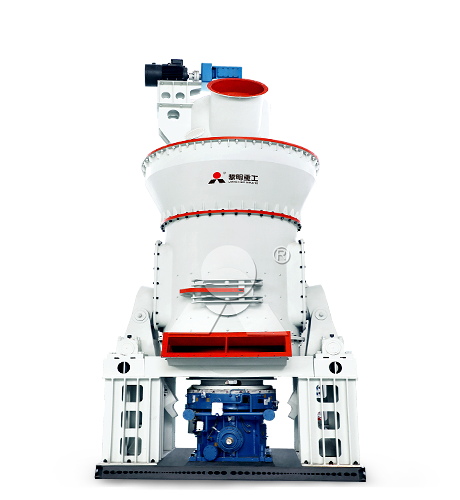
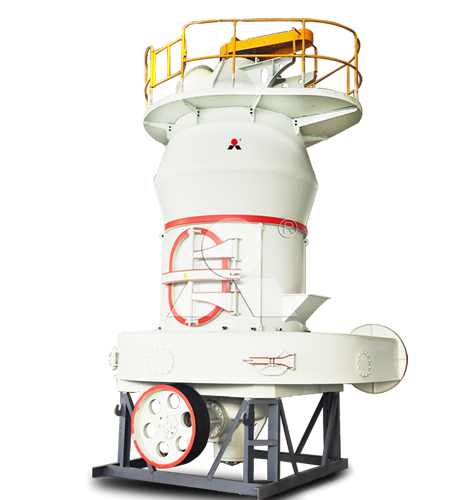
For coal-powder projects, Liming Heavy Industry offers two practical choices: the LM Vertical Coal Mill for larger, continuous lines with integrated drying requirements, and the MTW European Grinding Mill for appropriately sized small and medium projects using well-prepared coal. Liming’s own coal-mill guidance identifies MTW for smaller capacity requirements and LM vertical roller mills for higher-capacity applications.
Start with the Coal Data
Do not select a mill based only on the required hourly output. Coal varies widely in moisture, hardness, volatile matter, ash, and particle size. These differences can substantially change mill capacity, drying demand, power consumption, final fineness, and operating stability.
Collect representative coal samples and confirm the following information before choosing a model:
Coal type, such as bituminous coal, anthracite, lignite, petroleum coke, or a fuel blend.
Maximum raw-coal size after crushing.
Minimum, normal, and maximum feed moisture.
Hardgrove Grindability Index or equivalent grindability information.
Volatile matter, ash content, sulfur, and calorific value.
Hard impurities, tramp metal, and gangue content.
Required finished-powder fineness.
Required final powder moisture.
Normal and peak hourly coal-powder demand.
Coal mill throughput is always linked to defined feed conditions. Coal size, moisture, and required fineness are major factors in determining the capacity a pulverizer can achieve; a stated capacity changes when those conditions change.
Define the Finished Powder
The required coal-powder specification should come from the boiler, kiln, furnace, burner, or injection system. A powder that is suitable for one thermal process may not be suitable for another.
| Finished-Powder Requirement | Why It Affects Mill Selection |
|---|---|
| Target fineness | Finer powder generally requires more grinding and tighter classification, which can reduce output. |
| Particle-size distribution | A stable distribution supports consistent ignition, combustion, conveying, and flame control. |
| Final moisture | Determines the drying duty and the required hot-gas arrangement. |
| Hourly consumption | Sets the required mill capacity and finished-powder storage capacity. |
| Operating schedule | Continuous operation requires more stable feeding, storage, process control, and maintenance planning. |
| Fuel-use method | Direct firing, silo storage, pneumatic conveying, boiler use, kiln firing, and injection systems have different powder-handling requirements. |
For many pulverized-fuel applications, a commonly referenced target is approximately 75%–80% passing 200 mesh, although the final requirement must follow the specific combustion system and coal type. Power-generation guidance notes that a suitable fineness target for representative western and eastern fuels is at least 75%–80% passing 200 mesh.
Do not assume that finer powder is always better. Excessively coarse coal can delay ignition and reduce burnout, but excessive grinding raises electricity use, reduces throughput, increases wear, and adds unnecessary load to the dust-collection and conveying systems.
Match the Mill to Capacity
| Project Condition | Recommended Mill | Reason |
|---|---|---|
| Large continuous coal-powder production | LM Vertical Coal Mill | Designed for integrated, high-capacity grinding, drying, classification, and pneumatic conveying. |
| Coal with moderate or changing moisture | LM Vertical Coal Mill | Hot gas can dry the coal inside the mill during grinding. |
| High daily operating hours and steady downstream fuel demand | LM Vertical Coal Mill | Suitable for continuous coal preparation serving major kilns, boilers, and thermal production lines. |
| Small or medium coal-powder demand | MTW European Grinding Mill | Suitable for projects requiring controlled coal powder within a moderate production range. |
| Prepared coal with stable feed size and relatively low moisture | MTW European Grinding Mill | Roller-and-ring grinding can provide practical fine-powder production under suitable feed conditions. |
| Industrial boiler, asphalt plant, brick line, ceramic kiln, or comparable moderate-demand application | MTW European Grinding Mill | Can be configured with crushing, feeding, classification, dust collection, and powder storage to match the actual consumption rate. |
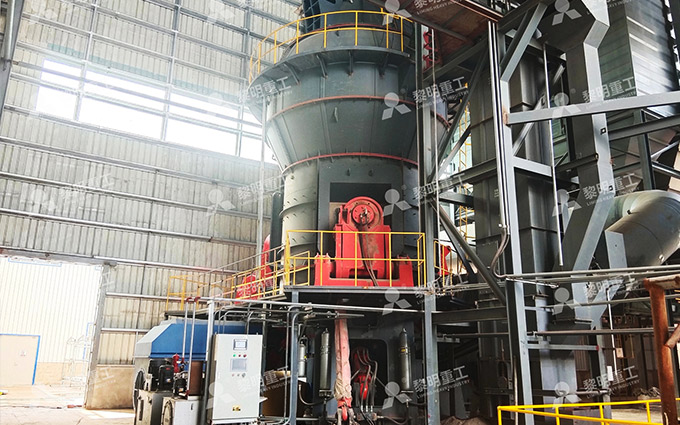
The LM Vertical Coal Mill is designed as a complete vertical process system. It can combine crushing-related preparation functions, drying, grinding, grading, and powder transport within an integrated coal-powder preparation arrangement. This makes it particularly suitable when output is high, coal moisture is variable, and uninterrupted powder supply is important.
The MTW European Grinding Mill is generally the more practical choice when the required production scale is moderate. It uses a roller-and-ring grinding structure with air classification, allowing coarse material to return to the grinding chamber while qualified coal powder proceeds to collection. Liming identifies MTW as the lower-capacity option relative to the LM vertical roller mill in coal-powder line selection.
Evaluate Drying Requirements
Coal moisture is often the factor that decides between mill configurations. Water in the feed coal uses heat that would otherwise support production. As feed moisture increases, the available grinding capacity can decline unless the system has sufficient hot-gas volume and temperature to remove the added water.
Calculate the drying requirement using the highest expected coal moisture, not only the normal laboratory result. This is especially important when coal is stored outdoors, transported during rainy seasons, blended from different sources, or purchased from suppliers with variable moisture control.
The LM Vertical Coal Mill is especially suitable when drying must occur during grinding. Hot air or process gas rises through the grinding zone, dries the coal, and carries fine particles upward to the classifier. This can simplify the process flow and reduce the need for separate drying equipment.
The MTW European Grinding Mill can be considered when the feed coal is relatively dry or when the project includes a suitable hot-air arrangement. If the coal is frequently wet and the production requirement is high, an LM Vertical Coal Mill is usually the more robust choice.
Check the Complete System
A coal grinding mill should not be selected as an isolated machine. The surrounding equipment determines whether the mill can operate at its expected performance level.
Crushing system: Ensures that raw coal reaches the mill within the permitted feed-size range.
Magnetic separation: Removes tramp metal before it damages the crusher, mill, or conveyors.
Raw coal bunker: Provides buffer storage and supports uninterrupted mill feeding.
Metered feeder: Maintains a stable coal feed rate and supports product-fineness control.
Hot-gas system: Supplies the heat and airflow needed for drying and powder transport.
Classifier: Separates fine coal powder from oversized particles that need regrinding.
Dust collector: Captures fine coal powder and maintains process cleanliness.
Induced-draft fan: Maintains gas flow and negative pressure through the system.
Pulverized-coal silo: Stores finished powder and feeds the downstream burner or combustion equipment steadily.
Control and monitoring system: Tracks temperature, pressure, airflow, feed rate, vibration, and relevant gas conditions.
A mill may have enough nominal capacity but still underperform if the crusher produces oversized feed, the feeder fluctuates, the hot-gas source is undersized, the fan cannot overcome system resistance, or the dust collector restricts airflow.
Safety Must Be Included
Fine coal powder is combustible. Coal grinding systems should therefore be designed with safety measures that cover the mill, gas circuit, dust collector, ducts, storage silo, discharge equipment, and operating procedures.
The final system may require sealed material handling, dust collection suitable for combustible dust, controlled air leakage, temperature monitoring, carbon-monoxide and oxygen monitoring where applicable, grounding, explosion relief, isolation devices, inerting arrangements, and controlled start-up and shutdown procedures. The exact protection package must be determined through a project-specific assessment of coal properties, process conditions, and applicable site requirements.
Do not select a mill only from its grinding performance. The ability to maintain safe gas conditions, prevent dust accumulation, manage hot-gas flow, and protect the finished-powder storage system is equally important for dependable long-term operation.
Selection Checklist
Use this checklist before requesting a final coal grinding proposal:
What is the required output in t/h under normal and maximum demand?
What fineness is required, expressed as mesh, micron size, R90, R80, or sieve passing rate?
What is the maximum coal moisture expected during the year?
What is the maximum feed size after crushing?
How difficult is the coal to grind?
What heat source is available for drying?
Will the plant operate continuously or in batches?
How much pulverized-coal storage is required?
What downstream equipment will consume the powder?
What safety, emissions-control, electrical, and site-layout conditions apply?
Choose the LM Vertical Coal Mill when the project requires high capacity, continuous operation, integrated drying, and strong adaptability to changing coal moisture. Choose the MTW European Grinding Mill when the required output is moderate and the coal is properly prepared for stable roller-and-ring grinding. In both cases, the final model should be selected only after confirming representative coal data and the full process requirement.