Coal Grinding Solutions
Coal Powder Fineness for Industrial Applications
2026-09-10 18:08:49
Coal powder fineness is the particle-size distribution of pulverized coal after grinding. It directly affects ignition, combustion speed, burnout, conveying behavior, mill output, and fuel consumption, so the correct target is the finest size needed by the downstream process—not the smallest powder a mill can produce.
For many industrial fuel applications, coal powder is commonly prepared around 80–200 mesh, with 200 mesh (about 74–75 μm) often used as a reference point. The actual specification should be confirmed from the burner, boiler, kiln, or injection-system requirements and the properties of the coal.
How Coal Fineness Is Measured
Coal powder is usually measured by sieve residue or passing percentage. Instead of describing every particle individually, the result states how much powder remains on a specified sieve or passes through it.
| Measurement | Meaning | Example |
|---|---|---|
| 200 mesh | A sieve opening of approximately 74–75 μm | “75% passing 200 mesh” means about 75% of the sample is finer than 74–75 μm. |
| R90 | Residue retained on a 90 μm sieve | R90 = 10% means 10% of the sample is coarser than 90 μm and 90% is finer. |
| R80 | Residue retained on an 80 μm sieve | R80 = 5% means 95% of the sample is finer than 80 μm. |
| Particle-size distribution | The full spread of coarse, medium, and fine particles in the powder | Two powders can have the same 200-mesh passing value but different proportions of very fine and coarse particles. |
Mesh values are useful as a quick reference, but they do not fully describe the complete powder distribution. For reliable process control, sieve testing is often combined with particle-size analysis and practical combustion observations.
Typical Fineness by Application
| Industrial Application | Common Coal-Powder Target | Why the Fineness Matters |
|---|---|---|
| Industrial boilers | Often around 70–90 μm, commonly referenced near 200 mesh | Fine coal ignites faster and improves burnout, while excessive grinding can increase mill power consumption. |
| Coal-fired power boilers | Often specified by 200-mesh passing rate, such as approximately 70%–80% passing 200 mesh, depending on boiler and coal type | Boiler combustion chambers are designed around a particular particle-size distribution and residence time. |
| Cement kiln coal preparation | Commonly controlled by R90 or R80 residue, often with a relatively fine and stable powder specification | Stable fineness supports flame shape, ignition, complete burnout, kiln temperature control, and clinker quality. |
| Lime kiln and calcination systems | Usually selected according to burner design, fuel type, and kiln capacity; often within the general industrial coal-powder range | Fuel fineness affects flame length, heat transfer, combustion stability, and product quality. |
| Asphalt-mixing plants | Generally requires dry, fine, flowable coal powder matched to the burner system | Consistent fineness supports stable heat output and reduces the risk of unburned carbon deposits. |
| Brick, ceramic, and industrial furnaces | Selected according to furnace temperature, fuel feeding method, and required thermal response | Appropriate particle size helps achieve more even heat release and stable firing conditions. |
| Pulverized coal injection in ironmaking | Often requires a fine, tightly controlled powder with low and stable moisture | Fine powder improves pneumatic transport and supports rapid reaction after injection into the blast furnace. |
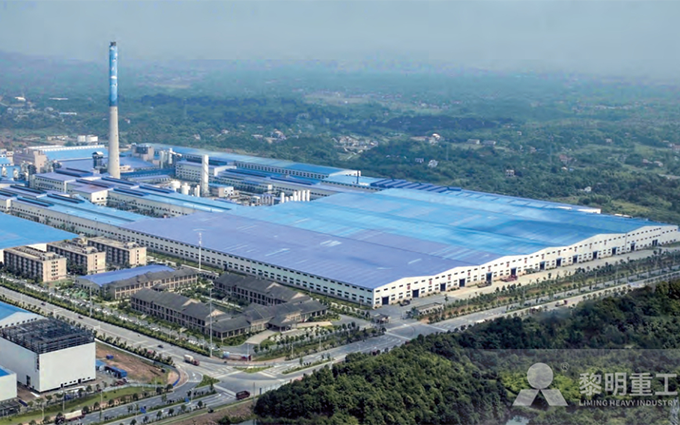
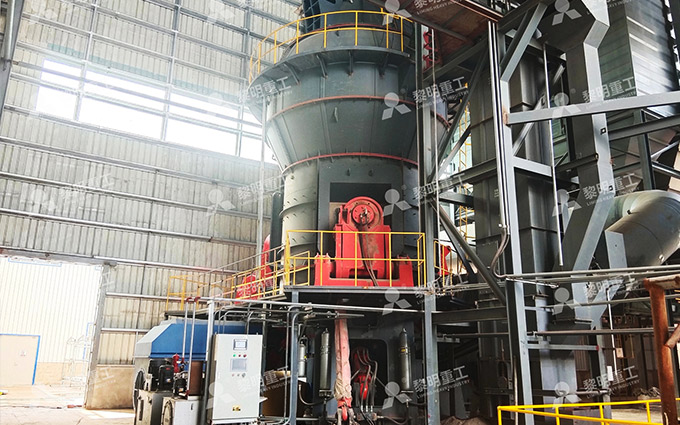
A Liming Heavy Industry project reference for bituminous coal in a steel-mill application identifies 200 mesh as the finished-powder requirement. Another project reference for district-heating boilers also uses a closed-loop grinding and classification system for pulverized coal preparation. These examples show why 200 mesh remains a frequent reference point, although the final target must follow the actual fuel-use system.
Finer Is Not Always Better
Reducing coal particle size increases the exposed surface area of the fuel. This generally helps coal heat up, release volatile matter, ignite, and burn more completely. If the powder is too coarse, particles may not fully burn within the available residence time, which can contribute to unstable flame conditions, unburned carbon, higher ash losses, or fuel inefficiency.
However, ultra-fine grinding also has costs. It increases mill power demand, can reduce production capacity, raises the load on classifiers and dust collectors, and may make powder handling more demanding. Very fine coal dust also requires especially careful control because it is more easily suspended in air.
The practical goal is therefore an optimized distribution. A coal powder containing enough fine material for rapid ignition and burnout, but without excessive over-grinding, normally provides the best balance of combustion performance and operating cost.
| Powder Condition | Possible Effect | Practical Response |
|---|---|---|
| Too coarse | Slow ignition, incomplete combustion, unstable flame, high unburned carbon | Increase grinding effectiveness or tighten classifier separation after confirming burner requirements. |
| Too fine | Higher power consumption, lower mill throughput, higher dust-handling load | Review whether the fineness target is stricter than the downstream process actually requires. |
| Wide particle-size distribution | Variable combustion and inconsistent powder behavior | Improve feed stability, classifier performance, airflow balance, and mill operating conditions. |
| Correct but unstable fineness | Changing flame conditions and irregular fuel consumption | Stabilize feed rate, coal moisture, grinding pressure, classifier speed, and process airflow. |
Choosing Fineness in Practice
The correct coal-powder specification should be determined from the downstream system first. A suitable starting point is to collect the burner or process-equipment supplier’s requirement, then verify it through coal testing and production trials.
The following factors should be reviewed together:
Coal type, including bituminous coal, anthracite, lignite, petroleum coke, or a blended fuel.
Volatile-matter content and ignition behavior.
Hardgrove Grindability Index or comparable grindability data.
Raw coal moisture and required final powder moisture.
Calorific value, ash content, ash fusion behavior, and sulfur content.
Burner configuration, combustion-chamber volume, and available residence time.
Required flame temperature, flame length, and heat-release pattern.
Fuel conveying method and the distance from powder silo to burner.
Required output capacity and permitted mill power consumption.
Dust-control, storage, and safety requirements.
As an illustration, a coal-fired boiler may work effectively with a product specified as 75% passing 200 mesh, while a kiln burner using lower-volatile coal may require a tighter residue target to support ignition and complete burnout. The kiln requirement cannot be copied directly to the boiler, because the two systems have different combustion temperatures, fuel residence times, airflow patterns, and burner designs.
Producing Controlled Coal Powder
Coal fineness is controlled by the complete grinding circuit, not by the mill alone. Feed size, feed rate, grinding pressure, airflow, separator condition, classifier setting, wear-part condition, and dust-collection performance all influence the finished product.
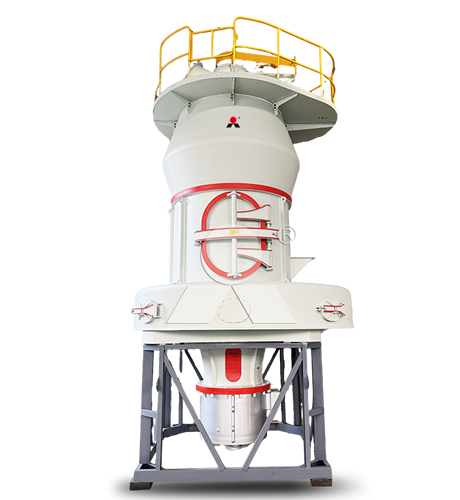
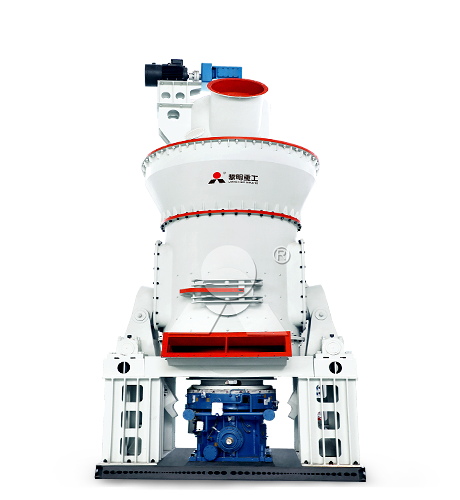
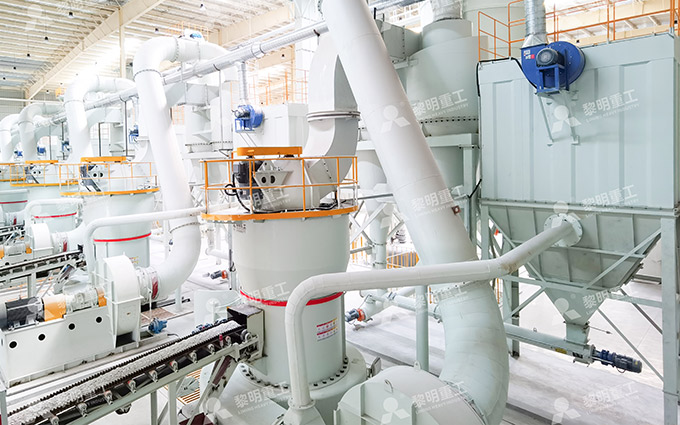
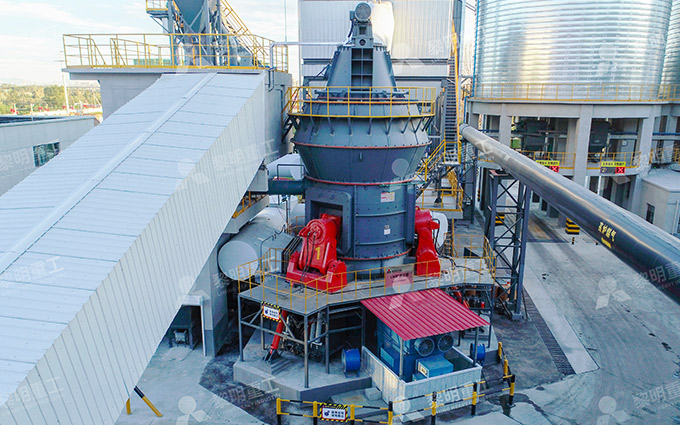
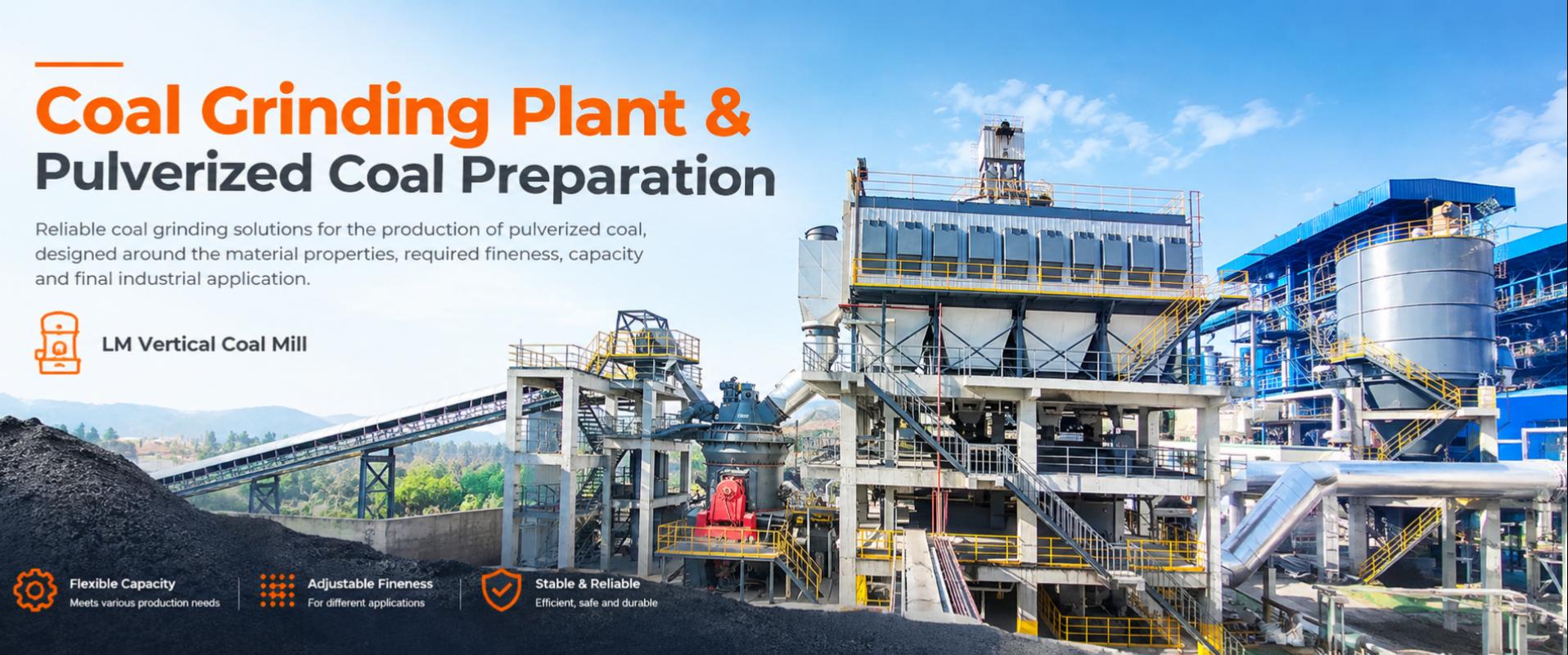
The LM Vertical Coal Mill from Liming Heavy Industry is suited to large and continuous coal-powder preparation lines. It combines grinding, drying, classification, and pneumatic conveying, allowing the classifier to return coarse particles for further grinding while qualified powder moves to collection.
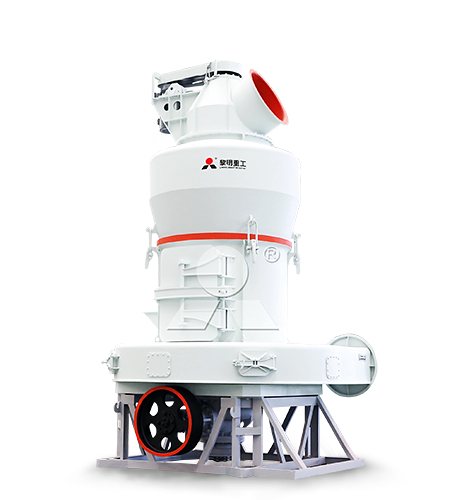
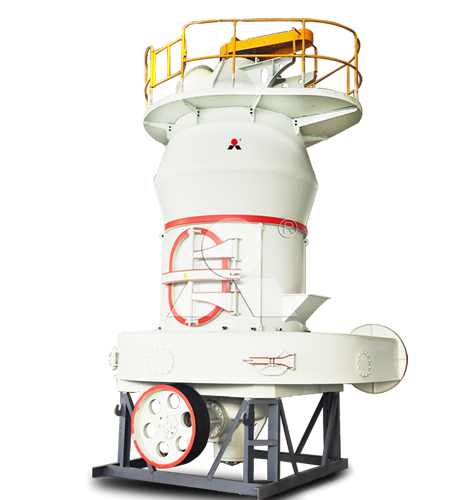
The MTW European Grinding Mill from Liming Heavy Industry is suitable for applicable small and medium coal-powder projects. Its roller-and-ring grinding system, combined with air classification, can produce controlled powder when the coal is properly crushed, the feed remains stable, and the selected model matches the required capacity and fineness.
For either solution, a representative coal sample should be evaluated before final configuration. The final mill model and system design should reflect the required throughput, incoming coal moisture, target residue or passing rate, available drying heat, and downstream combustion conditions. Liming’s published applications include pulverized-coal preparation, and its LM vertical mill platform is designed for integrated powder processing with a listed fineness range extending from 20 to 400 mesh depending on configuration and material conditions.
Fineness Control and Safety
As coal becomes finer, dust containment becomes increasingly important. Pulverized coal is combustible, and fine particles can remain suspended in air. A coal-powder system should therefore be designed with sealed material handling, effective dust collection, controlled airflow, proper grounding, suitable temperature monitoring, and protection measures matched to the project’s coal characteristics and risk assessment.
Fineness testing should be performed regularly, especially when the coal source changes, raw-coal moisture varies, grinding components wear, or the plant experiences changes in output demand. Tracking residue values such as R90 or R80 over time can reveal whether the classifier or grinding zone needs adjustment before combustion performance is affected.
In short, coal powder should be fine enough to burn efficiently and consistently, but not finer than the process requires. A stable, well-classified coal powder is usually more valuable than a very fine powder with unnecessary grinding cost and difficult handling characteristics.