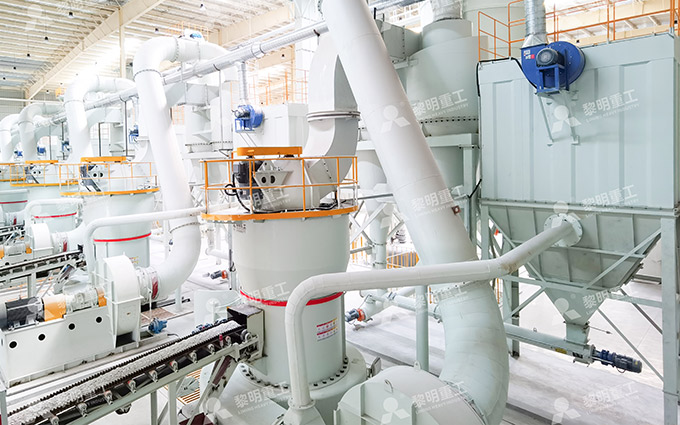
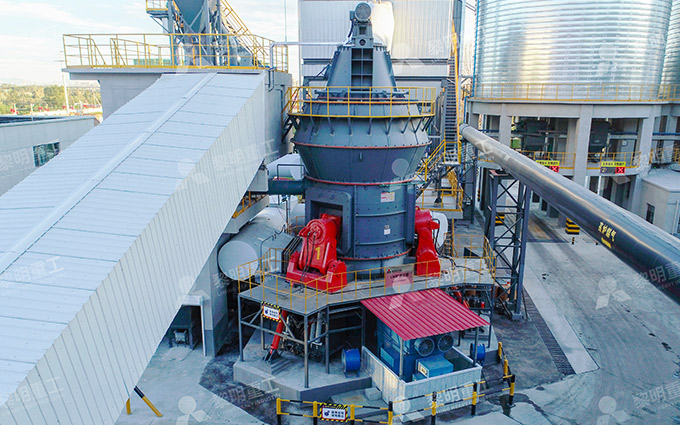
Coal Grinding Solutions
Coal Grinding and Drying Process
2026-09-10 18:08:18
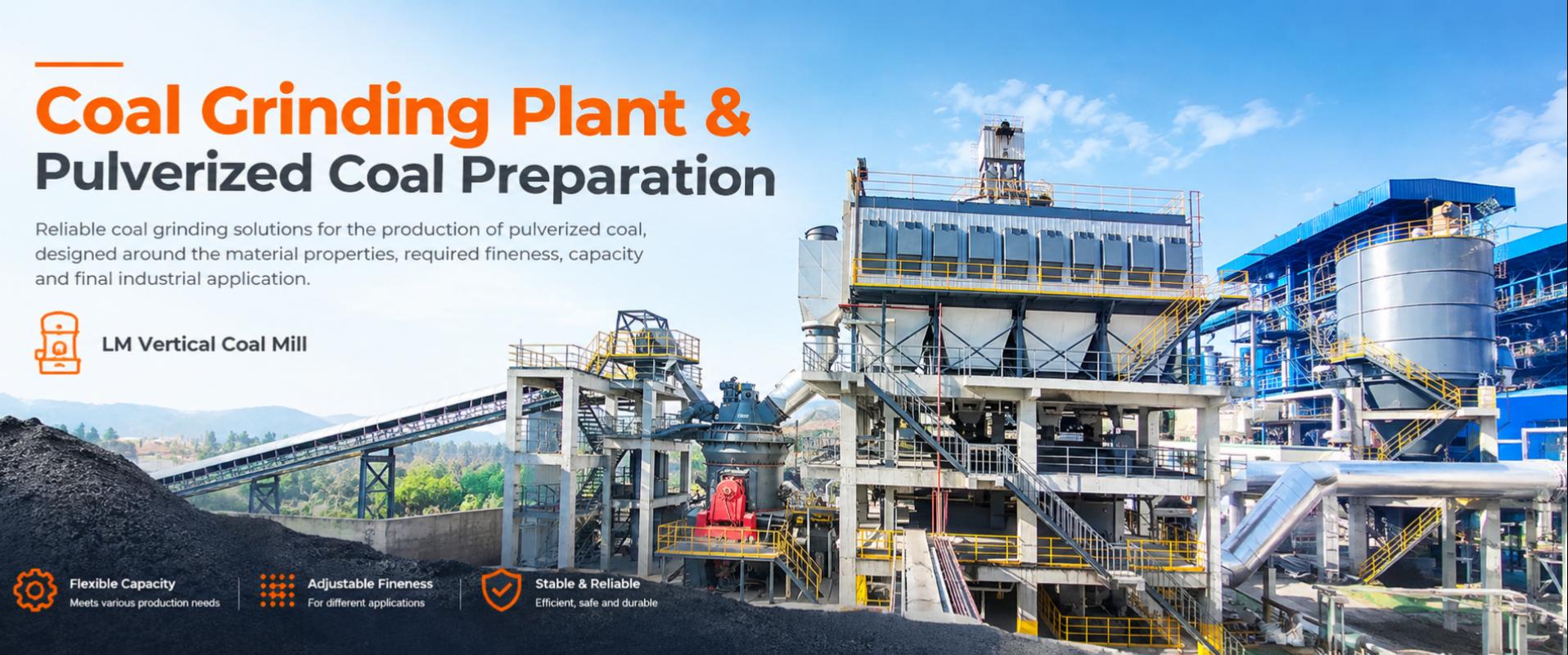
Coal grinding and drying is the process of converting raw coal into a dry, fine, consistently classified fuel powder. The two operations are closely connected: grinding creates more surface area for moisture evaporation, while hot gas removes moisture and carries the finished fine powder through the system.
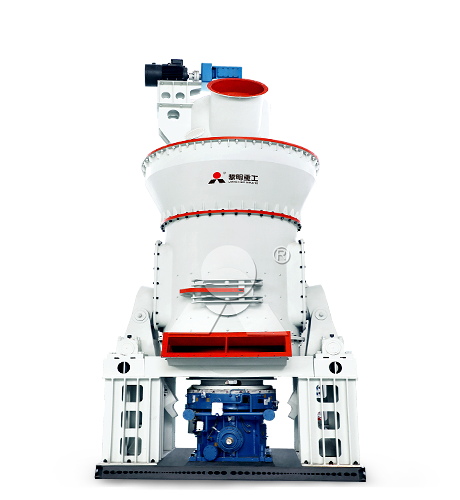
For continuous industrial fuel preparation, the objective is not simply to make coal finer. The process must deliver powder with the required fineness, moisture level, temperature, and flow characteristics for the kiln, boiler, furnace, or injection system that will consume it. The LM Vertical Coal Mill from Liming Heavy Industry is specifically designed to integrate grinding, drying, and classification in one process unit.
Why Coal Must Be Dried
Raw coal often contains moisture from the mine, washing process, transportation, or outdoor storage. When wet coal enters a grinding system, moisture can reduce capacity, increase material circulation, cause powder buildup, and make it difficult to achieve stable finished-product quality.
Drying improves the handling and combustion behavior of coal powder. A properly dried product is easier to convey pneumatically, more stable in storage under controlled conditions, and better suited to consistent feeding at the burner or injection point.
The required final moisture depends on the downstream application and the coal properties. A coal-powder system for a kiln may use a different product-moisture target from a boiler or pulverized-coal injection line. The process should therefore be designed around the actual fuel-use requirement rather than a universal moisture value.
Typical Process Flow
A practical coal grinding and drying line generally follows this sequence:
Raw coal storage → screening and magnetic separation → crushing → raw coal bunker → sealed metered feeder → grinding and drying mill → classifier → dust collector → pulverized-coal silo → controlled discharge to the combustion system.
Each section affects the next. Poor feed preparation can disrupt grinding. Insufficient drying heat can limit output. Unstable airflow can affect classification. Inadequate powder collection or storage design can create handling and safety problems after the mill.
Feed Preparation
Raw coal first passes through screening and magnetic separation. The screen controls oversized material, while the magnetic separator removes tramp iron and metal fragments that could damage the crusher, grinding components, or downstream conveying equipment.
After preparation, a crusher reduces large coal lumps to a suitable feed size for the selected mill. Uniform feed size helps form a stable grinding bed and reduces the risk of excessive vibration or fluctuating mill pressure.
Controlled Feeding
Coal is normally stored in a raw coal bunker before entering the mill. A sealed belt feeder, screw feeder, rotary feeder, or weigh feeder supplies material at a controlled rate.
Stable feeding is critical because the drying and grinding systems must remain balanced. If the feed rate rises sharply, the mill may not have enough heat or airflow to evaporate the additional moisture. If the feed rate falls suddenly, the grinding bed may become unstable and the finished product may become unnecessarily fine.
Simultaneous Grinding and Drying
In an LM Vertical Coal Mill, crushed coal is fed onto the center of a rotating grinding table. Centrifugal force distributes the material outward beneath the grinding rollers. The rollers apply pressure to the coal bed, reducing the material through compression and shear.
At the same time, hot air or hot process gas enters the lower section of the mill through the nozzle ring. The gas flows upward through the grinding zone, directly contacting the coal particles. Heat evaporates moisture from the coal, while the rising gas stream lifts fine particles toward the classifier.
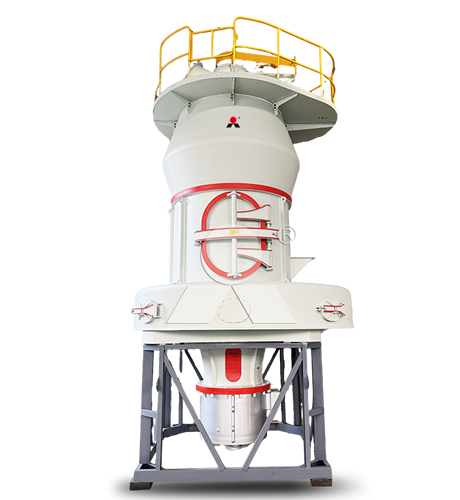
This combined arrangement is efficient because the coal does not need to travel through separate drying and grinding machines. The same gas circuit provides drying energy, particle transport, and a controlled flow path for the fine powder. Liming describes the LM Vertical Coal Mill as a specialized pulverized-coal preparation system that integrates grinding, drying, and classification.
Classification and Collection
After leaving the grinding zone, the coal-and-gas mixture reaches the classifier. Fine particles pass through the classifier and continue with the gas stream. Coarse particles are rejected and fall back onto the grinding table for additional grinding.
This internal return cycle ensures that the final product meets the required particle-size range. The classification setting, gas volume, feed rate, and grinding pressure must work together. A tighter classification setting generally produces a finer powder, but it may also reduce throughput and increase energy consumption.
The qualified coal powder then enters a dust-collection system. A cyclone can separate a substantial portion of the product, while a pulse dust collector captures fine particles remaining in the gas stream. The collected powder is conveyed to a pulverized-coal silo for controlled storage and feeding.
Heat Sources for Drying
The drying source must supply enough heat to evaporate the water entering with the raw coal while maintaining stable and safe mill conditions. Depending on the plant configuration, the hot gas may come from a dedicated hot-air furnace, boiler exhaust, kiln-related process gas, hot stove gas, or another suitable heat source.
| Heat Source | Typical Use | Key Consideration |
|---|---|---|
| Dedicated hot-air furnace | Standalone coal-powder preparation plants | Provides independent temperature control when no reliable process waste heat is available. |
| Boiler-related hot gas | Power and industrial boiler facilities | Requires coordinated control of gas temperature, flow, pressure, and dust loading. |
| Kiln or preheater waste gas | Cement and lime production facilities | Can recover available process heat when gas conditions and plant layout are suitable. |
| Hot blast stove or process furnace gas | Iron and steel fuel-preparation applications | Must be evaluated for temperature, oxygen content, moisture, composition, and pressure stability. |
When using a process-gas heat source, the gas circuit should be evaluated as a complete system. Required gas volume, inlet temperature, moisture load, pressure drop, dust concentration, fan capacity, duct diameter, air leakage, and dust-collection resistance all affect whether the mill can achieve the required drying performance.
Key Operating Variables
Coal drying and grinding work best when process settings are adjusted as a group. Changing only one parameter can solve one issue while creating another.
Raw coal moisture: Determines the basic drying load and influences the required heat input.
Feed rate: Affects mill loading, residence time, drying demand, and finished-powder output.
Hot-gas temperature: Supplies drying energy and must remain within the limits established for the coal and safety system.
Gas volume: Carries fine powder through the mill and influences both drying and classification.
Grinding pressure: Affects particle-size reduction and grinding-bed stability.
Classifier speed: Controls the separation of fine and coarse particles.
Mill differential pressure: Indicates the resistance created by material and gas flow in the mill.
Outlet temperature: Provides an important indication of drying performance and must be monitored within the approved operating envelope.
Product moisture: Confirms whether the finished coal powder is suitable for storage, conveying, and combustion.
For example, if coal moisture increases after heavy rainfall, simply increasing the coal feed rate to maintain output can overload the drying system. A better response is to first confirm the increased moisture level, then balance feed rate, inlet gas temperature, gas volume, fan operation, and outlet conditions until the mill returns to stable operation.
LM Vertical Coal Mill in the Process
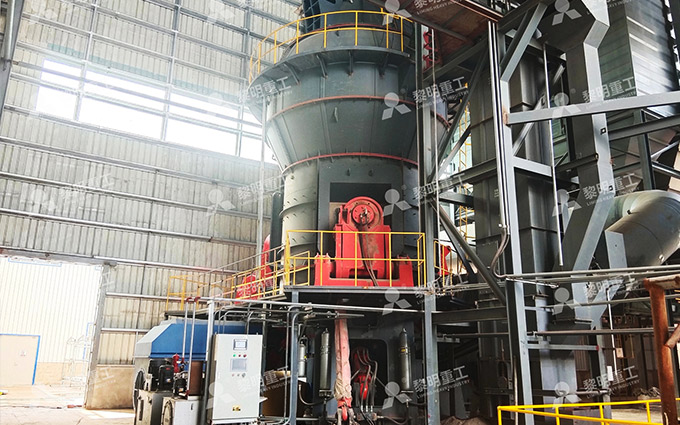
The LM Vertical Coal Mill is well suited to coal preparation lines that need integrated drying and grinding in a compact layout. Its vertical design combines the grinding table, rollers, nozzle ring, classifier, and gas flow path into one system.
| LM Mill Section | Role During Coal Grinding and Drying |
|---|---|
| Central feed chute | Delivers prepared coal into the center of the grinding table. |
| Grinding table | Distributes coal outward and forms the material bed for roller grinding. |
| Grinding rollers | Apply pressure to crush and grind coal particles. |
| Nozzle ring | Introduces hot gas into the grinding zone for drying and powder lifting. |
| Classifier | Separates qualified fine coal powder from coarse particles that require regrinding. |
| Reject system | Removes heavy impurities and rejects where included in the selected configuration. |
| Outlet duct | Transfers fine powder and gas to the collection system. |
This process arrangement can reduce the need for a separate coal dryer and external classifier in many projects. It is particularly useful where raw coal has variable moisture and where stable continuous powder supply is required.
When MTW Is Considered
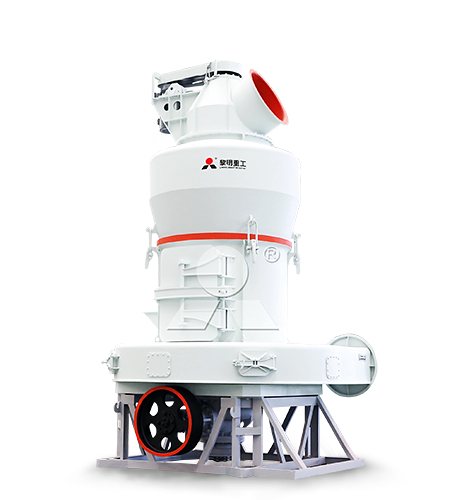
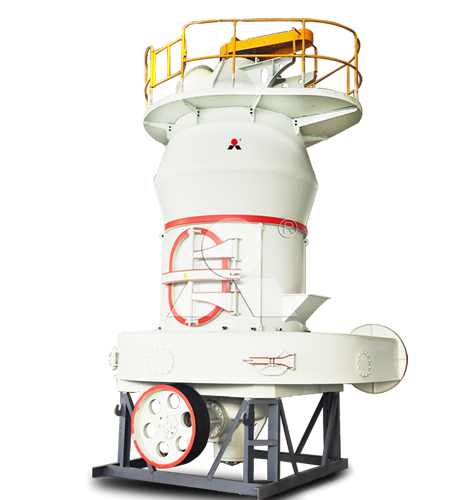
The MTW European Grinding Mill from Liming Heavy Industry can be considered for coal-powder applications with moderate capacity requirements and suitably prepared feed conditions. It uses a roller-and-ring grinding structure with air classification to produce controlled fine powder.
Compared with the LM Vertical Coal Mill, the MTW system is generally more appropriate when the required output is moderate and the coal feed is relatively dry or can be supported by a suitable hot-air arrangement. For higher-capacity projects or coal with greater drying demand, the LM Vertical Coal Mill is usually the more suitable choice because drying is integrated directly into its vertical grinding process.
Safety During Drying and Grinding
Coal dust is combustible, and drying introduces heat into a system that contains fine fuel particles. Therefore, temperature control, airflow control, dust containment, and appropriate protection measures are essential from the raw coal bunker to the finished-powder silo.
Coal-processing guidance identifies grinding and pulverizing as operations requiring measures to prevent dust explosions. Depending on the specific coal, equipment design, and project risk assessment, the system may use enclosed conveying, suitable dust collection, temperature monitoring, CO and oxygen monitoring, grounding, explosion relief, isolation devices, inerting arrangements, and controlled start-up and shutdown procedures.
Dust should not be allowed to accumulate around mills, ducts, fans, collectors, platforms, electrical equipment, or storage areas. Air leakage should also be controlled because unnecessary oxygen entering the system can affect both drying efficiency and safety conditions.
Practical Design Checklist
Before configuring a coal grinding and drying line, confirm the following information:
Coal type, proximate analysis, and calorific value.
Minimum, normal, and maximum raw coal moisture.
Maximum feed size after crushing.
Coal grindability, hardness, ash content, and volatile matter.
Required powder fineness and final moisture.
Required hourly production capacity and operating schedule.
Available heat-source temperature, flow, pressure, and gas composition.
Downstream fuel-use equipment and its powder-consumption pattern.
Space for the mill, collector, fan, silo, conveyors, and maintenance access.
Required dust-control, fire-prevention, explosion-protection, and monitoring measures.
A properly designed coal grinding and drying system turns variable raw coal into a stable, usable powder fuel. For large and continuous applications, the LM Vertical Coal Mill provides an integrated route for drying, grinding, classifying, and transporting coal powder. For applicable moderate-capacity projects, the MTW European Grinding Mill provides another route to controlled coal-powder production when feed and drying conditions are suitable.