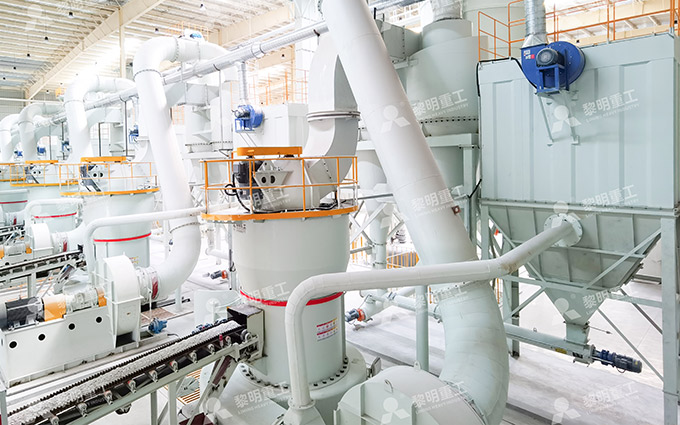
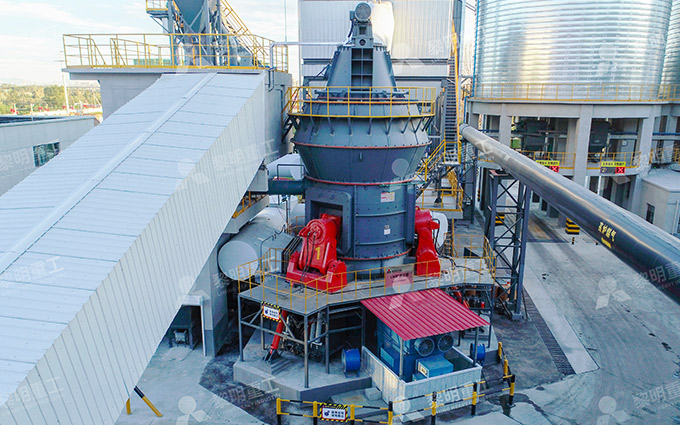
Coal Grinding Solutions
LM vs MTW: Which Coal Grinding Mill Is Right for You?
2026-09-10 18:07:42
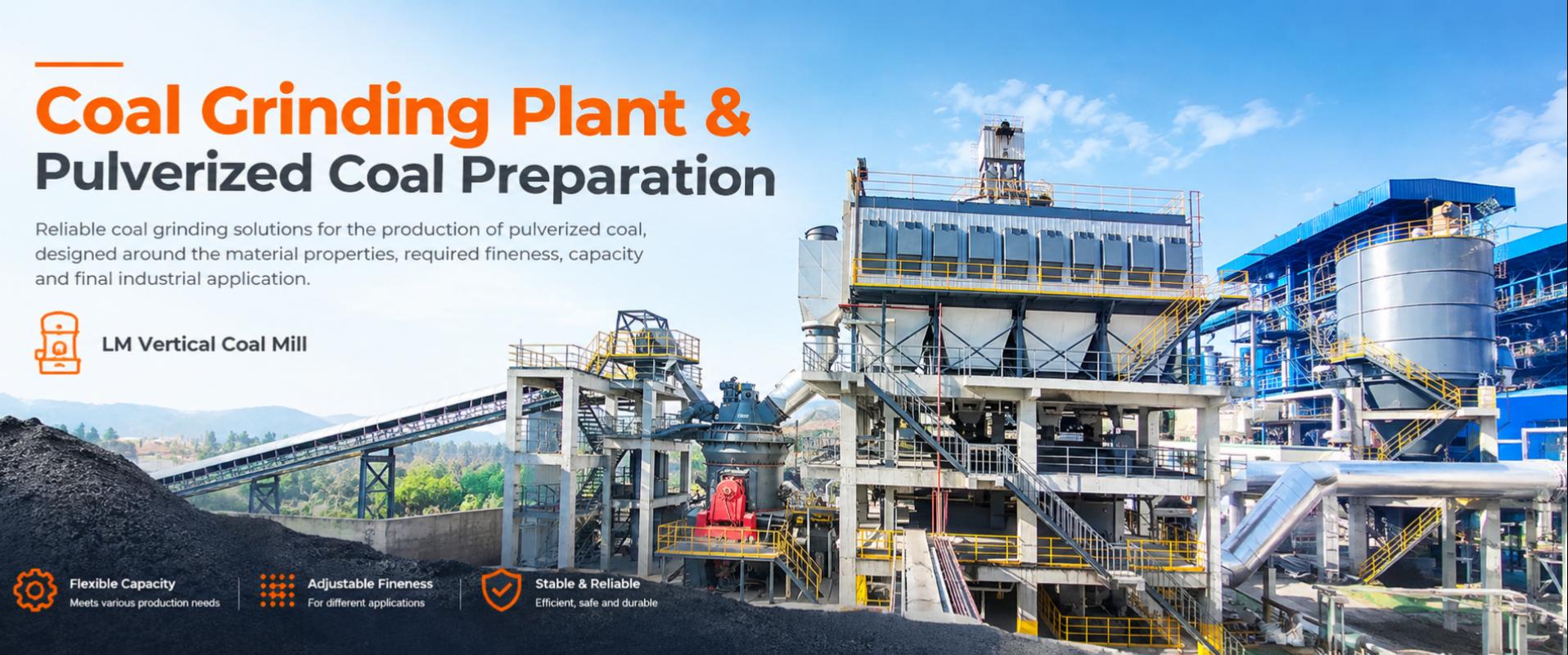
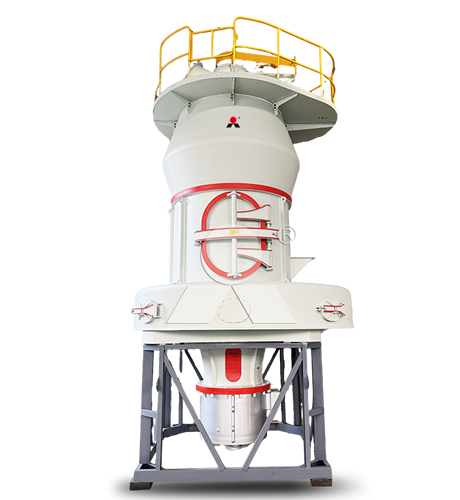
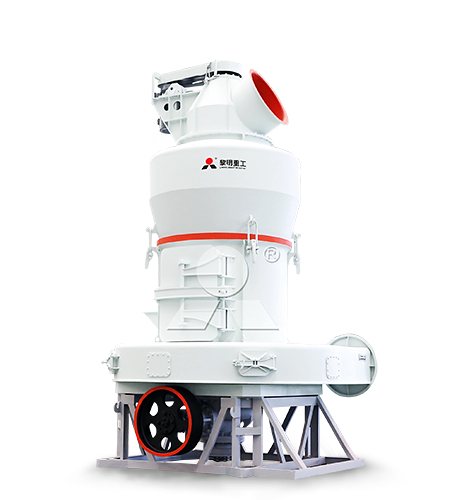
The LM Vertical Coal Mill and MTW European Grinding Mill can both produce coal powder, but they are designed for different operating conditions. The LM Vertical Coal Mill is generally the stronger choice for large, continuous coal-powder production with integrated drying requirements, while the MTW European Grinding Mill is a practical option for small to medium projects with prepared, relatively dry coal and moderate output needs.
The right decision should be based on the required capacity, incoming coal moisture, feed size, target fineness, available heat source, plant layout, and the operating pattern of the downstream kiln, boiler, or combustion system—not on mill type alone. Liming Heavy Industry includes both LM and MTW equipment in its pulverized-coal preparation product range.
Quick Comparison
| Item | LM Vertical Coal Mill | MTW European Grinding Mill |
|---|---|---|
| Grinding principle | Vertical material-bed grinding between rollers and a rotating grinding table | Roller-and-ring grinding with shovel-blade material lifting |
| Process arrangement | Integrated drying, grinding, classification, and pneumatic conveying | Grinding and classification system with external collection and air-handling equipment |
| Typical capacity range | Suitable for larger production requirements; the LM vertical mill platform is listed at 10–400 t/h, depending on model and material conditions | Suitable for small to medium production requirements; the MTW series is listed at approximately 3–55 t/h, depending on model and material conditions |
| Coal moisture handling | Well suited to coal requiring simultaneous drying through hot-gas flow in the mill | More suitable when feed moisture is within the mill’s workable range or when an appropriate drying arrangement is provided |
| Feed size | Typically accepts prepared coal within the applicable feed-size range; Liming lists 30–55 mm for its LM vertical mill platform | Requires crushed, controlled feed; listed maximum feed size is commonly about 30–50 mm depending on model |
| Product fineness | Commonly used for controlled coal powder around 80–325 mesh, with configurations reaching 400 mesh | Listed discharge range is approximately 1.6–0.038 mm; suitable fineness is selected for the downstream fuel process |
| Plant footprint | Compact for a complete large-scale process because several functions are integrated in one vertical system | Compact equipment arrangement for moderate-capacity powder production |
| Best fit | Large, continuous, moisture-sensitive coal-powder preparation lines | Small and medium industrial coal-powder projects with moderate capacity requirements |
The published ranges are reference values rather than guaranteed production figures. Actual output changes with coal moisture, hardness, grindability, feed size, target fineness, hot-gas conditions, site elevation, and the selected equipment configuration.
Choose LM for Large-Scale Coal Preparation
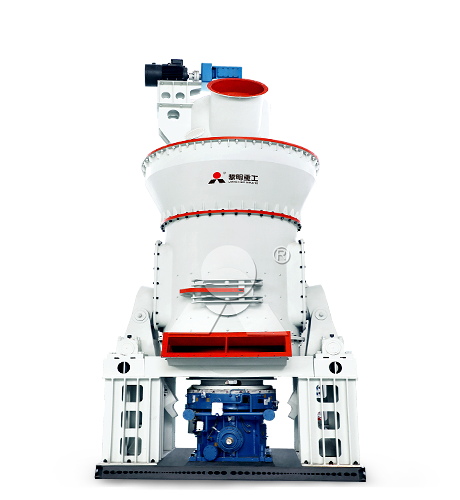
The LM Vertical Coal Mill is designed for applications where coal grinding is a major, continuous part of the production process. It is particularly appropriate when the plant must supply large volumes of pulverized coal to a cement kiln, industrial boiler system, lime kiln, or other continuous thermal operation.
Its main advantage is functional integration. Coal enters the mill and is distributed onto a rotating grinding table. Rollers press the material bed to reduce particle size, while hot gas rises through the mill to dry the coal and carry fine particles toward the classifier. The classifier separates qualified powder from oversized particles, which fall back for further grinding. This allows one mill system to perform drying, grinding, classifying, and air conveying in a continuous cycle.
LM is usually the preferred solution when the project has one or more of the following conditions:
High hourly coal-powder demand.
Continuous operation over long production periods.
Coal with moderate or variable moisture.
Available hot air, hot flue gas, or suitable waste heat for drying.
Limited space for separate drying, grinding, and classification equipment.
A requirement for stable fineness and continuous powder delivery.
A large kiln, boiler, calcination line, or fuel-preparation plant that cannot tolerate frequent interruptions.
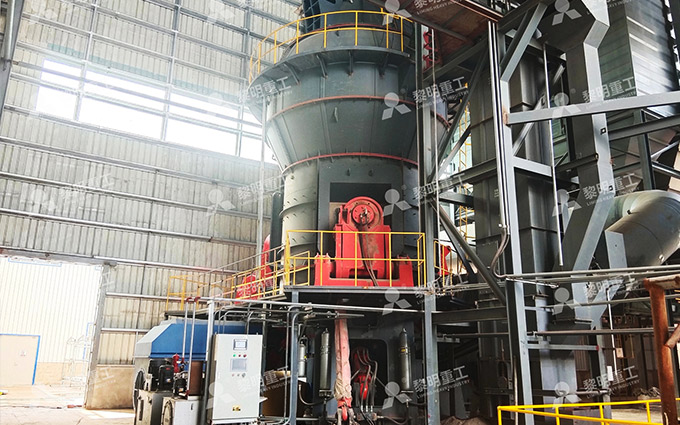
For example, a cement plant consuming coal powder continuously throughout the day normally benefits from the LM arrangement. The mill can receive crushed coal from a bunker, use available process heat for drying, classify the finished powder internally, and send the collected coal powder to storage for controlled feeding to the kiln burner.
Choose MTW for Moderate Capacity
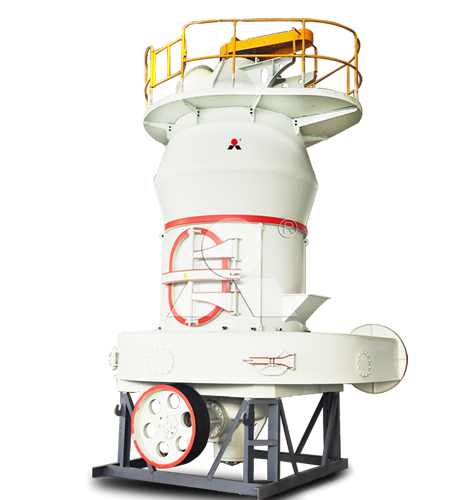
The MTW European Grinding Mill is suited to coal-powder projects with moderate output requirements. It is a practical choice when the coal has been properly crushed, feed conditions are reasonably stable, and the project does not require the large integrated capacity normally associated with a vertical coal mill.
In the MTW grinding chamber, shovel blades lift material into the grinding area between the rollers and grinding ring. The ground coal is lifted by airflow to the classifier. Fine particles move forward to the collection system, while coarse particles return to the grinding chamber for additional grinding. This circulation supports adjustable powder fineness and consistent product quality.
MTW is often suitable when the project has these characteristics:
Small or medium coal-powder consumption.
Moderate hourly output requirement.
Coal that can be crushed to a stable and suitable feed size.
Relatively low feed moisture or a separate hot-air arrangement when drying is needed.
Industrial boilers, small thermal plants, brick lines, ceramic kilns, asphalt plants, or similar fuel-use applications.
A project that needs controlled coal powder but does not require a high-capacity vertical grinding system.
For instance, an industrial boiler plant that needs a steady but moderate supply of fine coal powder may select an MTW European Grinding Mill with a crusher, sealed feeder, classifier, dust collector, fan, and pulverized-coal silo. The system can be configured around the boiler’s hourly consumption and the required fuel fineness.
Selection by Project Condition
| Your Project Condition | More Suitable Mill | Reason |
|---|---|---|
| Required output is high and production runs continuously | LM Vertical Coal Mill | Designed for larger integrated coal-powder preparation systems. |
| Coal has moderate to high moisture | LM Vertical Coal Mill | Hot gas can dry the coal inside the grinding system while milling proceeds. |
| Available heat source can be connected to the grinding system | LM Vertical Coal Mill | Integrated drying makes effective use of hot air or process gas. |
| Plant needs high production with a compact integrated layout | LM Vertical Coal Mill | Grinding, drying, classification, and conveying are combined in one vertical process unit. |
| Required capacity is moderate | MTW European Grinding Mill | Its listed operating range is suited to many small and medium powder-production lines. |
| Coal is well prepared and relatively dry | MTW European Grinding Mill | Stable feed conditions support efficient roller-and-ring grinding. |
| The project uses a small or medium industrial boiler or thermal furnace | MTW European Grinding Mill | It can provide controlled coal powder without selecting an unnecessarily large system. |
| Future output may increase substantially | LM Vertical Coal Mill | It is generally more appropriate for a long-term high-capacity coal-powder preparation strategy. |
Do Not Compare Capacity Alone
Capacity is important, but it is not the only selection criterion. A mill rated at a certain output under dry, easy-to-grind coal conditions may not achieve the same output with wet coal, hard coal, or a much finer powder requirement.
Consider a project requiring 25 t/h of coal powder. On paper, both an MTW model and an LM model may appear capable of meeting that requirement. However, if the incoming coal moisture rises during the rainy season and the plant requires uninterrupted powder supply to a continuous kiln, the LM Vertical Coal Mill may provide the more appropriate process arrangement because drying is integrated directly into the mill. If the coal is dry, the operating schedule is less demanding, and the powder requirement remains moderate, an MTW European Grinding Mill may be the more practical solution.
The most useful approach is to evaluate the full operating envelope:
Minimum, normal, and maximum required output.
Minimum, normal, and maximum coal moisture.
Maximum feed size after crushing.
Coal grindability, ash, volatile matter, and abrasiveness.
Required powder fineness and allowable final moisture.
Available heat source and gas conditions.
Daily operating hours and planned production continuity.
Available installation space and structural conditions.
Powder storage capacity and downstream consumption pattern.
Dust collection, explosion protection, monitoring, and plant safety requirements.
Safety and System Design
Both mill types must be part of a properly engineered coal-powder system. Fine coal dust is combustible, so safe operation depends on the mill as well as the feeder, ducts, fan, dust collector, storage silo, discharge equipment, instrumentation, and operating procedures.
A complete line may require sealed material handling, controlled airflow, suitable dust collection, temperature monitoring, carbon-monoxide and oxygen monitoring where applicable, grounding, explosion-relief or isolation measures, and inerting provisions based on the project-specific hazard assessment. Coal-processing guidance identifies grinding and pulverizing as operations requiring explosion-prevention controls.
LM and MTW should therefore be selected as part of a complete production line, not as isolated machines. Correct upstream crushing, stable feeding, effective classification, reliable powder collection, and safe storage are all essential to the final result.
Final Recommendation
Choose the LM Vertical Coal Mill when your project requires large-scale, continuous coal-powder production, integrated drying, stable performance with variable coal moisture, and a compact process layout for a major fuel-preparation line.
Choose the MTW European Grinding Mill when your project requires moderate coal-powder output, controlled fineness, practical equipment configuration, and efficient processing of properly prepared coal under stable feed conditions.
For either solution, final model selection should be based on coal test data and the complete operating requirement: feed size, moisture, target fineness, required capacity, heat source, site conditions, and downstream fuel-use equipment. Liming Heavy Industry’s LM and MTW platforms cover different practical coal-grinding needs, allowing the equipment configuration to match the scale and conditions of the project.