Coal Grinding Solutions
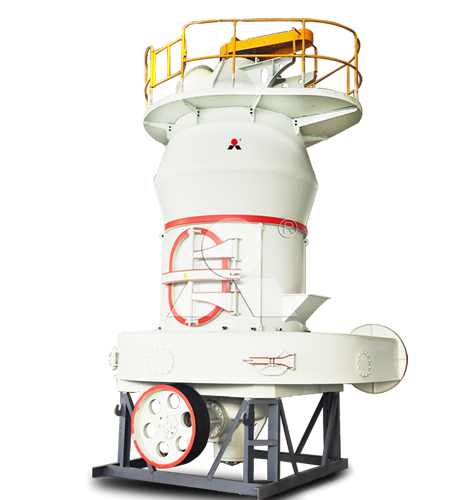
MTW European Grinding Mill for Coal Powder
2026-09-10 18:07:10
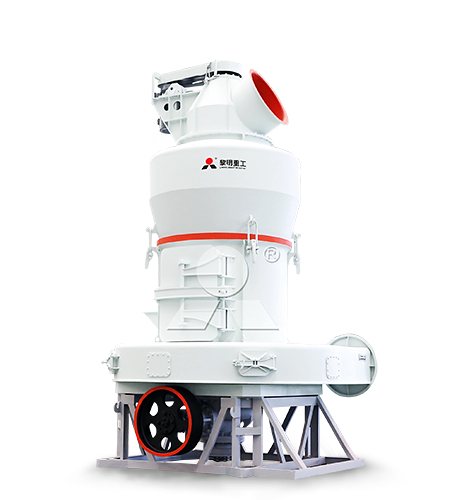
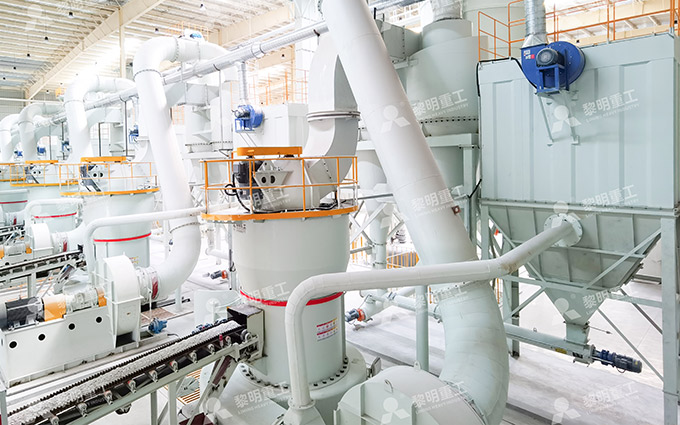
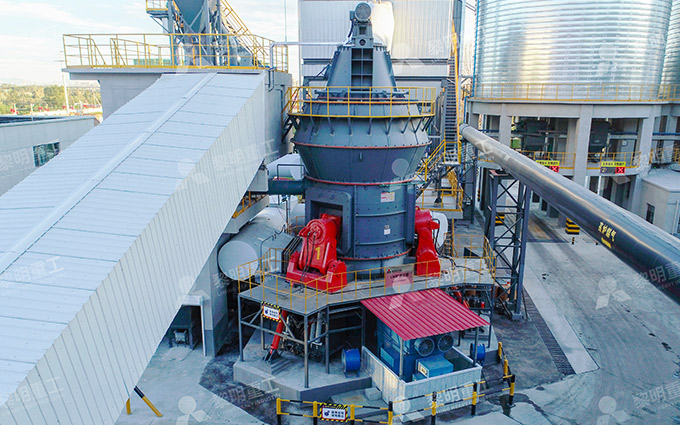
The MTW European Grinding Mill from Liming Heavy Industry is a medium-speed roller grinding solution for producing controlled coal powder. It is suitable for projects that require reliable fine grinding, adjustable product fineness, compact equipment arrangement, and steady output for industrial fuel preparation.
Coal powder produced by an MTW European Grinding Mill can be used in applications such as industrial boilers, asphalt-mixing plants, brick and ceramic kilns, lime production, small and medium cement-related fuel systems, and other thermal processes where dry, consistently sized coal powder is required. Liming Heavy Industry lists coal powder and petroleum coke among the applicable materials for its MTW European Trapezium Grinding Mill.
What the MTW Mill Does
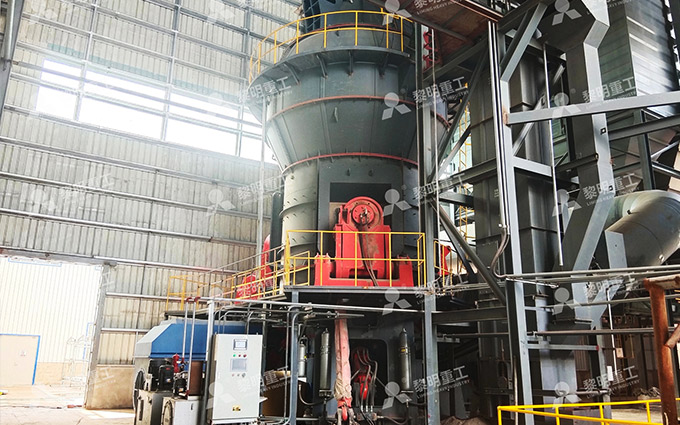
The MTW European Grinding Mill reduces prepared coal into fine powder through a roller-and-ring grinding mechanism. Coal is fed into the grinding chamber, lifted by shovel blades, and delivered into the space between the grinding rollers and grinding ring. The rollers apply pressure to the material, while the grinding ring provides the stationary grinding surface.
As the coal is ground, airflow carries the fine particles upward to the classifier. Qualified powder moves with the air stream to the collection system, while coarse particles return to the grinding chamber for further processing. This repeated circulation helps control the final powder size and prevents oversized particles from entering the finished product.
The basic operating route is:
Crushed coal → feeder → MTW grinding chamber → roller-and-ring grinding → air classification → cyclone or pulse dust collection → coal-powder silo → burner or fuel-use point.
Working Principle
After entering the mill, coal falls into the lower grinding zone. A rotating grinding assembly drives the rollers, while shovel blades scoop material from the bottom of the chamber and throw it into the gap between the roller and ring.
The material is compressed and ground as it passes through this gap. Ground particles are then lifted by the mill’s airflow. The classifier at the upper section of the machine separates material by size:
Fine coal powder passes through the classifier and exits with the air stream.
Coarse particles cannot pass through the classifier and fall back into the grinding chamber.
Heavier impurities may drop into the lower section and be discharged during scheduled maintenance or through the designed handling arrangement.
After classification, the fine powder enters the collection system. A cyclone collector can separate a large proportion of the powder from the gas stream, while a pulse dust collector captures the remaining fine dust. The cleaned air is then handled by the system fan according to the process configuration.
Typical Process Configuration
| Process Section | Main Equipment | Purpose |
|---|---|---|
| Feed preparation | Raw coal bunker, belt conveyor, magnetic separator, crusher, screen | Removes tramp metal, controls feed size, and prepares coal for stable grinding. |
| Metered feeding | Sealed belt feeder, screw feeder, or rotary feeder | Supplies coal continuously and prevents large feed fluctuations. |
| Grinding | MTW European Grinding Mill | Uses rollers, grinding ring, and shovel blades to reduce coal to fine powder. |
| Air classification | Integrated classifier | Separates qualified fine powder and returns coarse particles for further grinding. |
| Powder collection | Cyclone collector and pulse dust collector | Separates finished coal powder from the conveying air. |
| Finished-product storage | Pulverized-coal silo and discharge equipment | Stores powder and supplies it at a controlled rate to the downstream process. |
The final layout should be designed around the actual coal moisture, feed size, required capacity, powder fineness, available heat source, and fuel-consumption pattern. A coal-powder line for a continuously operated kiln, for example, requires different storage and feeding arrangements from a batch-operated industrial boiler.
Capacity and Fineness Range
Liming Heavy Industry lists the MTW European Type Raymond Mill with a capacity range of approximately 3–55 t/h and a discharge fineness range of 1.6–0.038 mm. Actual coal output depends on the selected model, incoming coal size, feed moisture, coal grindability, target powder fineness, and operating configuration.
For fine coal-powder preparation, the practical target is usually determined by the downstream combustion or injection process. A boiler may require a different particle-size distribution from an asphalt plant, ceramic kiln, or lime kiln. The correct objective is a stable product specification that supports complete combustion, dependable conveying, and consistent fuel feeding—not simply the smallest achievable particle size.
| Operating Factor | Effect on Coal Grinding |
|---|---|
| Feed size | Oversized coal can reduce grinding stability and increase wear; crushing should match the selected MTW model. |
| Coal moisture | Higher moisture can reduce capacity and may require a suitable hot-air drying arrangement. |
| Coal hardness and grindability | Harder coal generally needs more grinding energy and can affect throughput. |
| Target fineness | Finer powder normally requires more residence time and classification control. |
| Airflow volume | Influences powder lifting, classification efficiency, dust collection, and drying performance. |
| Feed stability | Consistent feed improves product quality and reduces sudden changes in mill load. |
When MTW Is a Suitable Choice
The MTW European Grinding Mill is generally suitable for small to medium coal-powder projects where the required output falls within the mill’s applicable range and the feed coal can be prepared to the required size. Liming Heavy Industry identifies the MTW series as a practical solution for medium-scale coal-dust production, with a relatively compact footprint and controlled fineness performance.
It can be considered when the project needs:
Coal-powder output within a moderate production range.
Adjustable fineness for different burner or furnace requirements.
A roller grinding system rather than a traditional ball-milling arrangement.
A compact plant layout with integrated classification.
Stable production of coal powder for an industrial thermal process.
Flexible configuration with a crusher, feeder, classifier, dust collector, fan, and powder-storage system.
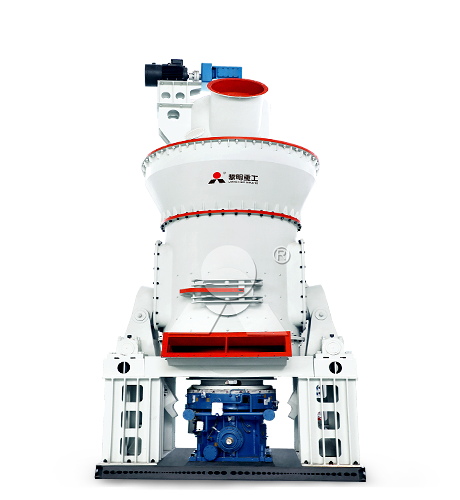
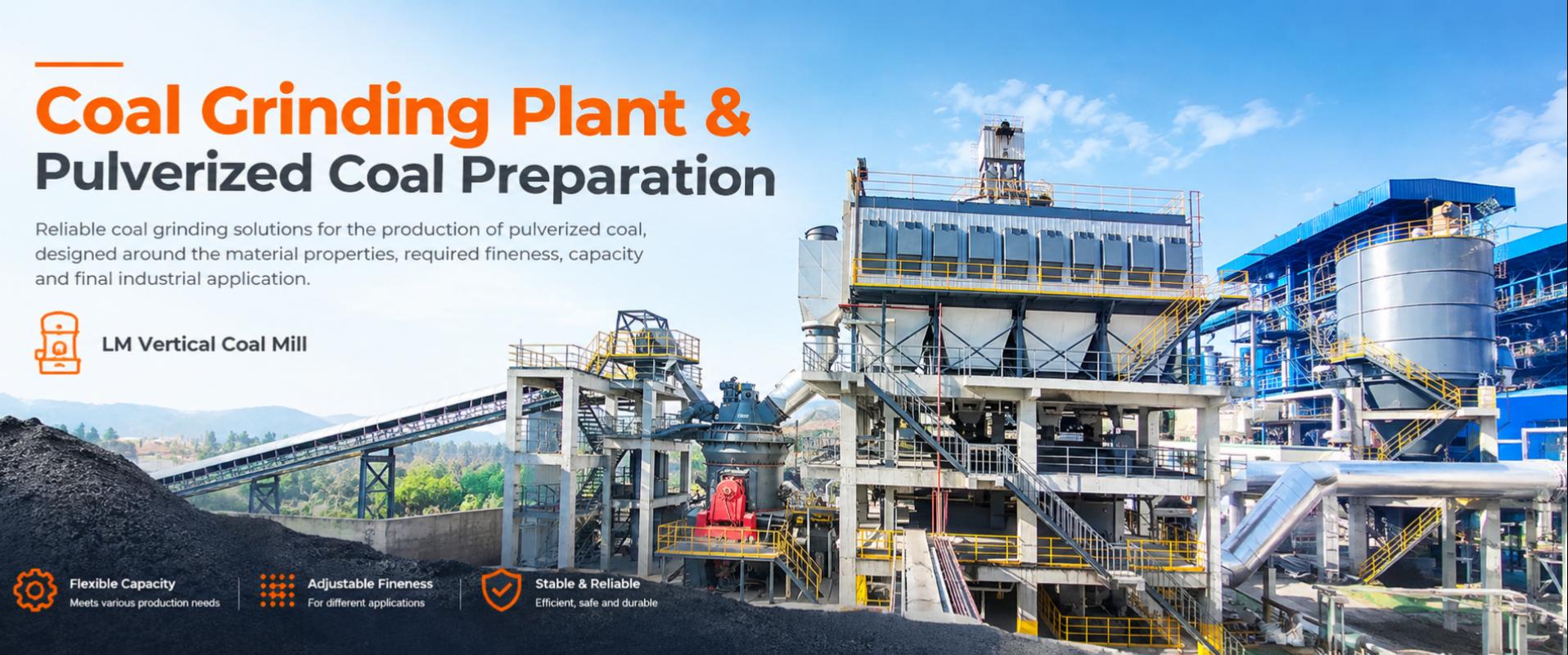
For larger continuous coal-powder production lines with substantial drying demand, the LM Vertical Coal Mill is normally the more suitable Liming Heavy Industry option because it integrates high-capacity grinding, drying, classification, and pneumatic conveying in a vertical process system. The final choice should be based on verified project data rather than capacity alone.
Practical Operation Guidance
A stable MTW coal-powder operation begins with consistent feed preparation. Coal should be screened, crushed where necessary, and passed through magnetic separation before entering the mill. Foreign metal, large hard pieces, and excessive feed-size variation can accelerate wear and disturb normal grinding.
During operation, the operator should monitor feed rate, fan current, mill current, airflow, classifier setting, dust-collector condition, finished-product fineness, and outlet powder moisture. These readings should be evaluated together. For example, lower output combined with rising fan load may indicate restricted airflow, a dust-collection issue, excessive moisture, or an operating condition that is too fine for the selected capacity.
If the finished coal powder becomes coarser than required, practical checks include classifier adjustment, roller and grinding-ring wear, feed rate, airflow balance, and the condition of the shovel blades. If powder moisture is too high, the available drying heat, gas volume, feed moisture, and throughput should be reviewed together.
Coal Dust Control and Safety
Coal powder must be handled as a combustible dust. The grinding line should be enclosed, properly sealed, and designed with appropriate dust collection and safety protection according to the coal properties, project risk assessment, and applicable local regulations. Guidance for coal-processing operations identifies grinding and pulverizing as dust-generating activities that require explosion-prevention measures.
A practical coal-powder system may include:
Sealed feeders, conveyors, ducts, and powder-storage equipment.
Dust collection suitable for fine combustible coal dust.
Temperature monitoring at relevant process locations.
Grounding and bonding of equipment to reduce electrostatic risk.
Controlled ventilation and prevention of unnecessary air leakage.
Explosion-relief, isolation, suppression, or inerting provisions where required by the project design.
Regular cleaning to prevent coal-dust accumulation around equipment and structures.
Approved procedures for start-up, shutdown, inspection, maintenance, and emergency response.
Safe operation depends on the complete plant system. The mill, collector, fan, ducting, silo, and burner-feed equipment should be considered together because coal dust can travel and accumulate beyond the grinding chamber.
Information Needed for Mill Selection
Accurate project information helps determine whether an MTW European Grinding Mill is the appropriate solution and which model should be selected. The following data should be confirmed before final equipment configuration:
Coal type and laboratory analysis.
Maximum feed size and expected particle-size distribution.
Normal and maximum coal moisture.
Required hourly output and annual operating hours.
Target coal-powder fineness and allowable product moisture.
Coal grindability and abrasiveness.
Available hot-air or hot-gas source for drying, if needed.
Downstream equipment, including burners, boilers, kilns, or injection systems.
Space limitations, site elevation, ambient conditions, and power supply.
Required safety, dust-control, and storage arrangements.
The MTW European Grinding Mill provides a practical route for preparing controlled coal powder in appropriate small and medium industrial applications. With stable feed preparation, correct airflow and classifier adjustment, efficient dust collection, and suitable safety protection, it can deliver coal powder that is ready for consistent downstream combustion or thermal processing.