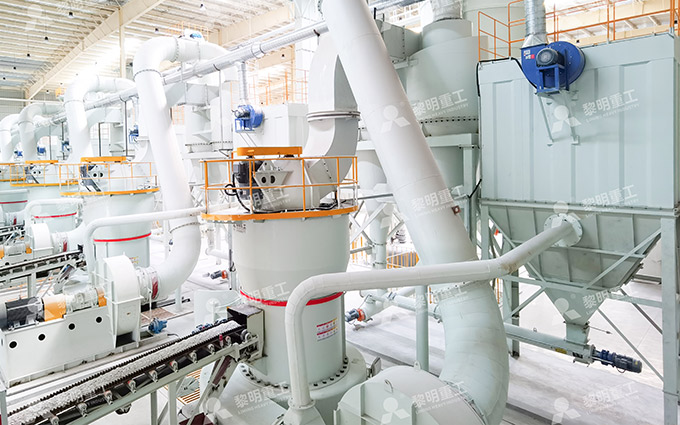
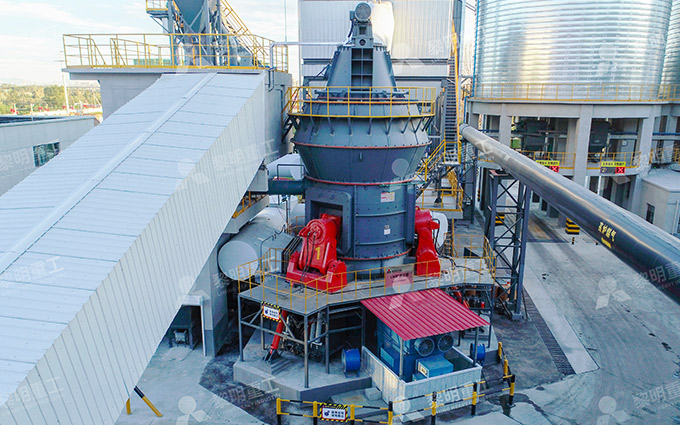
Coal Grinding Solutions
LM Vertical Roller Mill for Coal Grinding
2026-09-10 18:06:36
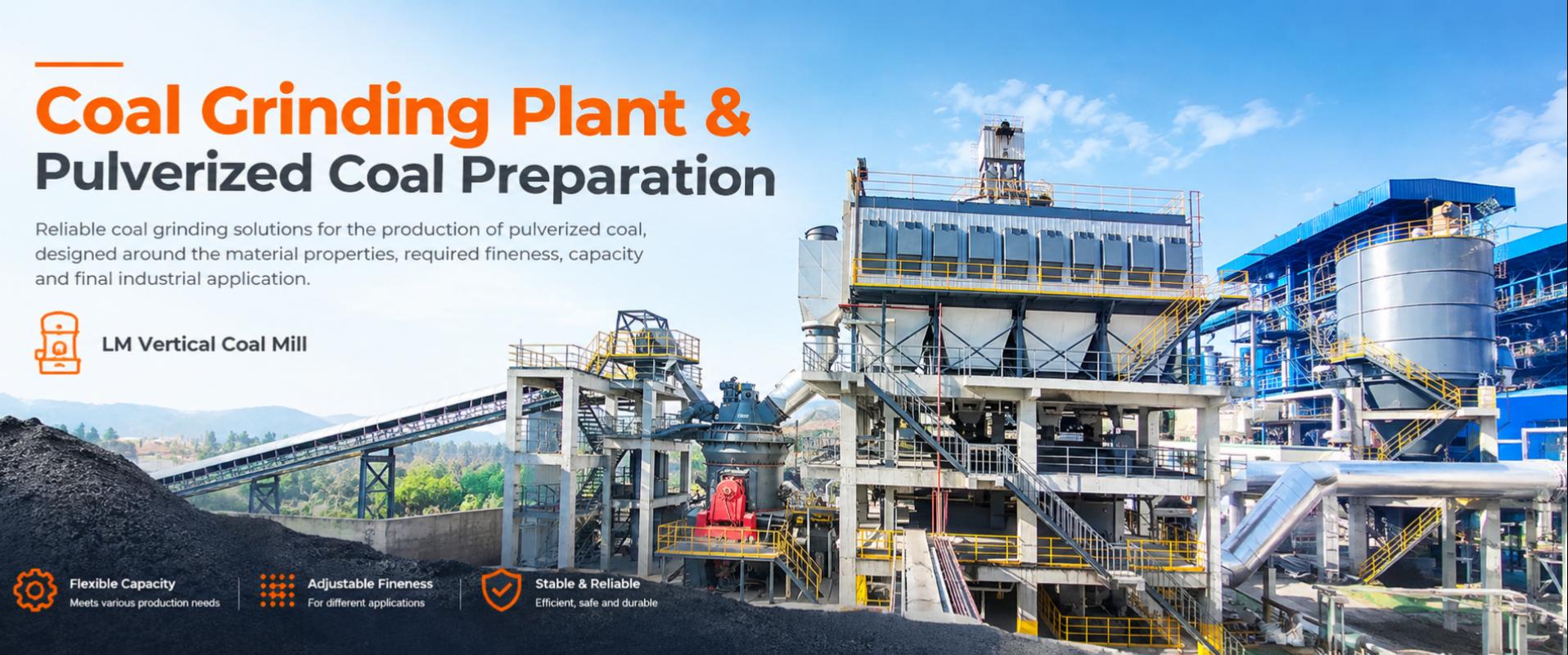
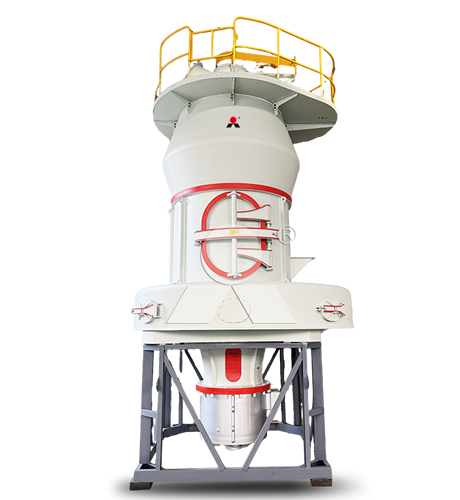
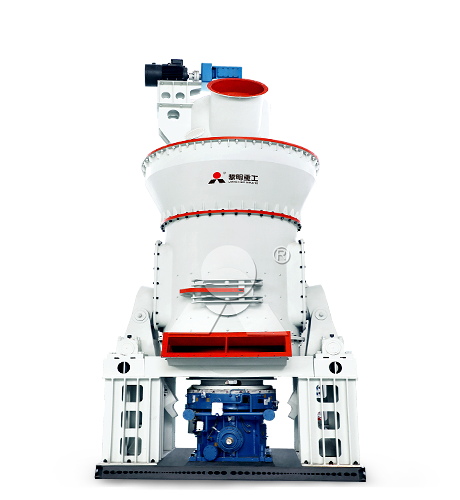
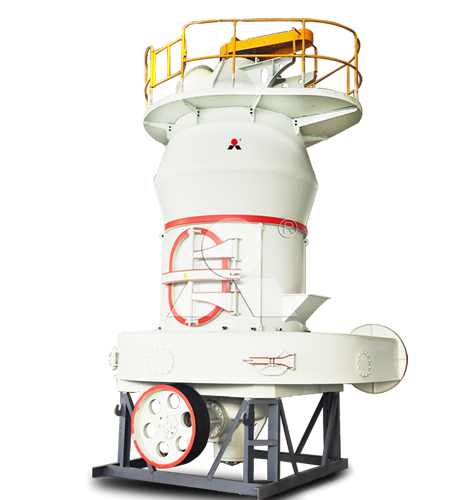
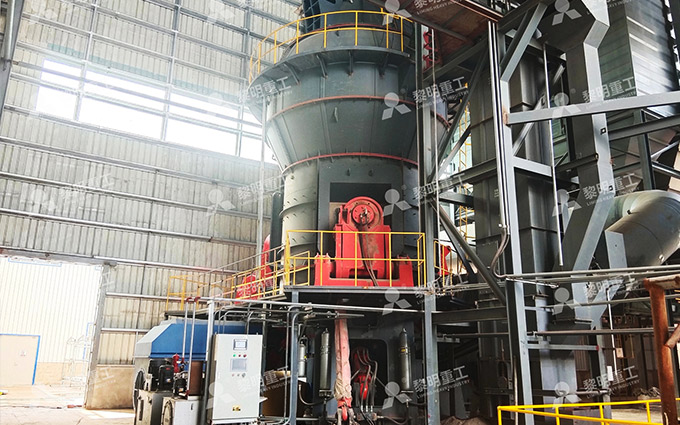
The LM Vertical Coal Mill from Liming Heavy Industry is an integrated grinding system for converting raw coal into controlled pulverized coal. It combines drying, grinding, classification, and pneumatic conveying in one continuous process, making it suitable for coal preparation lines serving cement kilns, industrial boilers, lime plants, power-related fuel systems, and other thermal processes.
Rather than moving coal through separate machines for drying, milling, and screening, the LM Vertical Coal Mill performs these functions within a single equipment system. Raw coal enters the mill, hot gas removes moisture, grinding rollers reduce the coal on the rotating table, and the classifier separates qualified powder from particles that require further grinding.
How the LM Vertical Coal Mill Works
The operating principle is based on material-bed grinding. Coal is fed through the central feed chute onto the center of the rotating grinding table. As the table turns, centrifugal force distributes the material outward across the grinding track.
Grinding rollers apply pressure to the coal bed on the table. The coal is compressed, sheared, and crushed between the roller and the grinding track. The resulting fine particles move toward the outer edge of the table, where a high-velocity gas stream carries them upward into the mill body.
Hot air or hot process gas enters through the nozzle ring around the grinding table. This gas has two essential jobs:
It dries the coal while it is being ground.
It transports fine particles upward to the classifier.
Inside the classifier, the material is separated by particle size. Fine powder passes through the classifier with the gas stream and leaves the mill for collection. Coarse particles are rejected and fall back onto the grinding table, where they are ground again. This closed internal circulation helps maintain a stable and controlled final coal-powder fineness.
From Raw Coal to Finished Powder
A complete LM coal grinding line generally includes more than the mill itself. The upstream equipment prepares the feed, while downstream equipment collects, stores, and delivers the finished pulverized coal.
The typical material flow is:
Raw coal stockyard → belt conveyor → screening and magnetic separation → crusher → raw coal bunker → sealed coal feeder → LM Vertical Coal Mill → dust collector → pulverized-coal silo → burner, kiln, boiler, or injection system.
Before the coal enters the mill, oversized lumps should be crushed and tramp metal should be removed. Stable feed size is important because large or inconsistent pieces can disturb the grinding bed, increase vibration, and reduce output consistency.
In the mill, drying occurs at the same time as grinding. This is particularly useful for coal with moderate moisture because the heat carried by the process gas can evaporate water without adding a separate drying stage. The final powder is then collected by a dust collector and conveyed to storage under enclosed conditions.
Main Components
| Component | Function in Coal Grinding |
|---|---|
| Central feed chute | Directs prepared raw coal into the center of the grinding table. |
| Grinding table | Rotates to spread coal outward and create the grinding bed. |
| Grinding rollers | Apply pressure to crush and grind coal between the rollers and table. |
| Nozzle ring | Introduces hot gas for drying coal and lifting fine powder. |
| Dynamic classifier | Separates fine qualified powder from coarse material and returns oversize particles for regrinding. |
| Mill reducer and drive | Transfers motor power to the grinding table at the required speed. |
| Hydraulic loading system | Controls grinding force applied by the rollers. |
| Reject discharge system | Removes heavy foreign matter, pyrite, and oversized rejects from the mill circuit where included. |
| Dust collector | Separates finished pulverized coal from the conveying gas before storage. |
Coal Materials and Product Range
The LM Vertical Coal Mill can be configured for coal materials such as bituminous coal, anthracite, lignite, and petroleum coke, subject to confirmation of the actual material properties and project conditions. Different fuels require different process settings because moisture, grindability, ash content, volatile matter, and hardness can significantly affect mill performance.
For LM coal mill models listed by Liming Heavy Industry, raw coal moisture is commonly specified at below 15%, while finished coal-powder moisture may be controlled within approximately 1% to 5%, depending on the model, heat source, coal properties, and operating conditions. The listed coal-powder fineness range includes approximately R0.08 = 5%–20%, equivalent to about 80%–95% passing 200 mesh.
Coal mill capacity should always be selected from verified feed and product data rather than from a nominal production figure alone. For example, a line designed for 40 t/h under favorable coal moisture and fineness conditions may produce less when processing wetter, harder, or finer-target coal.
| Selection Factor | Why It Matters |
|---|---|
| Raw coal feed size | Coal must be crushed to a size suitable for stable entry and distribution on the grinding table. |
| Coal moisture | Higher moisture increases the required drying heat and gas volume. |
| Grindability | Harder-to-grind coal requires more grinding energy and may influence mill size selection. |
| Required fineness | A finer product requires more classification control and may reduce throughput. |
| Required production capacity | Determines the appropriate mill model, installed power, gas volume, and auxiliary equipment size. |
| Heat-source conditions | Available hot air, hot gas, or waste heat determines the drying arrangement. |
| Downstream application | Kilns, boilers, and injection systems can require different powder quality and storage arrangements. |
Why Use an LM Vertical Coal Mill
Integrated processing. The LM system can combine coal grinding, drying, classification, and air conveying, helping simplify the process flow and reduce the need for separate equipment between these stages. Liming describes its LM vertical mill platform as integrating grinding, drying, and classification.
Controlled powder fineness. The classifier allows the operator to control the cut size of the finished product. Coarse particles return to the grinding table rather than entering the finished powder stream, helping the system deliver a more uniform coal powder.
Adaptability to moisture. Hot gas flows through the mill and contacts the finely dispersed coal particles, allowing drying to occur during the grinding cycle. This is important in regions where coal is exposed to rain during storage or where the delivered coal contains elevated inherent moisture.
Continuous operation. Coal can be fed, ground, classified, collected, and transported continuously. With a correctly designed feeding system and stable process control, the mill can support steady fuel supply to downstream thermal equipment.
Compact process arrangement. Combining several process duties in one vertical mill can reduce the overall footprint compared with a layout that uses separate grinding, drying, and external classification equipment.
Operating Conditions for Stable Performance
The best results come from balancing the mill’s material load, grinding force, drying capacity, and airflow. Operators should not treat these variables independently because a change in one often affects the others.
Keep the feed rate stable to maintain a consistent grinding bed.
Control feed size through proper crushing before the mill.
Match hot-gas temperature and volume to the actual moisture of the raw coal.
Adjust classifier speed to meet the target fineness without unnecessary over-grinding.
Monitor mill differential pressure to identify excessive material buildup or airflow restrictions.
Track mill vibration to detect unstable material distribution, foreign material, or wear-related problems.
Inspect grinding rollers, table liners, and classifier components as part of routine maintenance.
Maintain effective dust collection and sealed powder conveying throughout the system.
As an operating example, consider a cement plant receiving coal with higher-than-normal moisture after seasonal rainfall. If the plant keeps the same feed rate and hot-gas settings used for dry coal, the powder may leave the mill with excessive moisture or the mill differential pressure may rise. The practical response is to reassess feed rate, inlet gas conditions, airflow, and outlet temperature as a coordinated group rather than changing only the grinding pressure.
Safety in Coal Grinding
Coal grinding requires strict attention to dust, temperature, air ingress, and ignition sources. Pulverized coal is combustible, and a safe system should be designed around the actual coal characteristics, local requirements, and the complete line—from raw coal storage to pulverized-coal silo.
Industry coal-processing guidance identifies grinding and pulverizing as dust-generating operations that require explosion-prevention measures. Depending on the plant design and risk assessment, a coal grinding line may use sealed conveying, suitable dust collection, temperature monitoring, carbon-monoxide and oxygen measurement, explosion-relief arrangements, isolation devices, inerting systems, grounding, and controlled start-up and shutdown procedures.
Good housekeeping is equally important. Coal dust should not be allowed to accumulate on equipment, floors, cable trays, platforms, ducts, or structural surfaces. Inspection doors must remain sealed during normal operation, and maintenance work should follow approved isolation and gas-testing procedures.
Project Planning Checklist
Before final mill selection, prepare the following information:
Coal type and laboratory analysis
Maximum raw-coal size and expected size distribution
Minimum, normal, and maximum feed moisture
Hardgrove Grindability Index or comparable grindability information
Target coal-powder fineness and allowable moisture
Required hourly, daily, and annual output
Available hot-gas source, temperature, and flow conditions
Site elevation, ambient temperature, and electrical conditions
Downstream use of the coal powder
Required storage time and powder-discharge rate
Applicable safety, environmental, and plant-integration requirements
The LM Vertical Coal Mill is most effective when it is designed as part of a complete pulverized-coal preparation line rather than as an isolated grinding machine. With appropriate feed preparation, drying-gas design, classification control, powder collection, and safety protection, it can provide a stable source of fine coal powder for continuous industrial fuel applications.