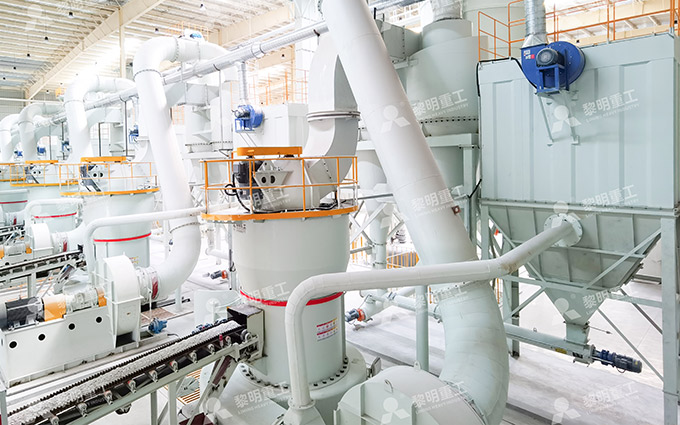
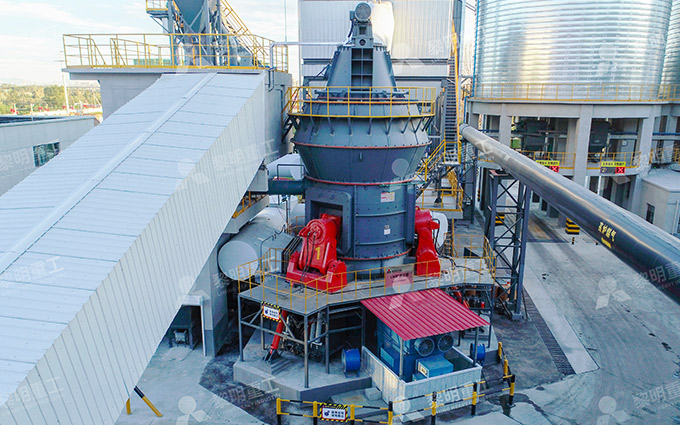
Coal Grinding Solutions
Coal Grinding Process: A Practical Guide
2026-09-10 18:05:39
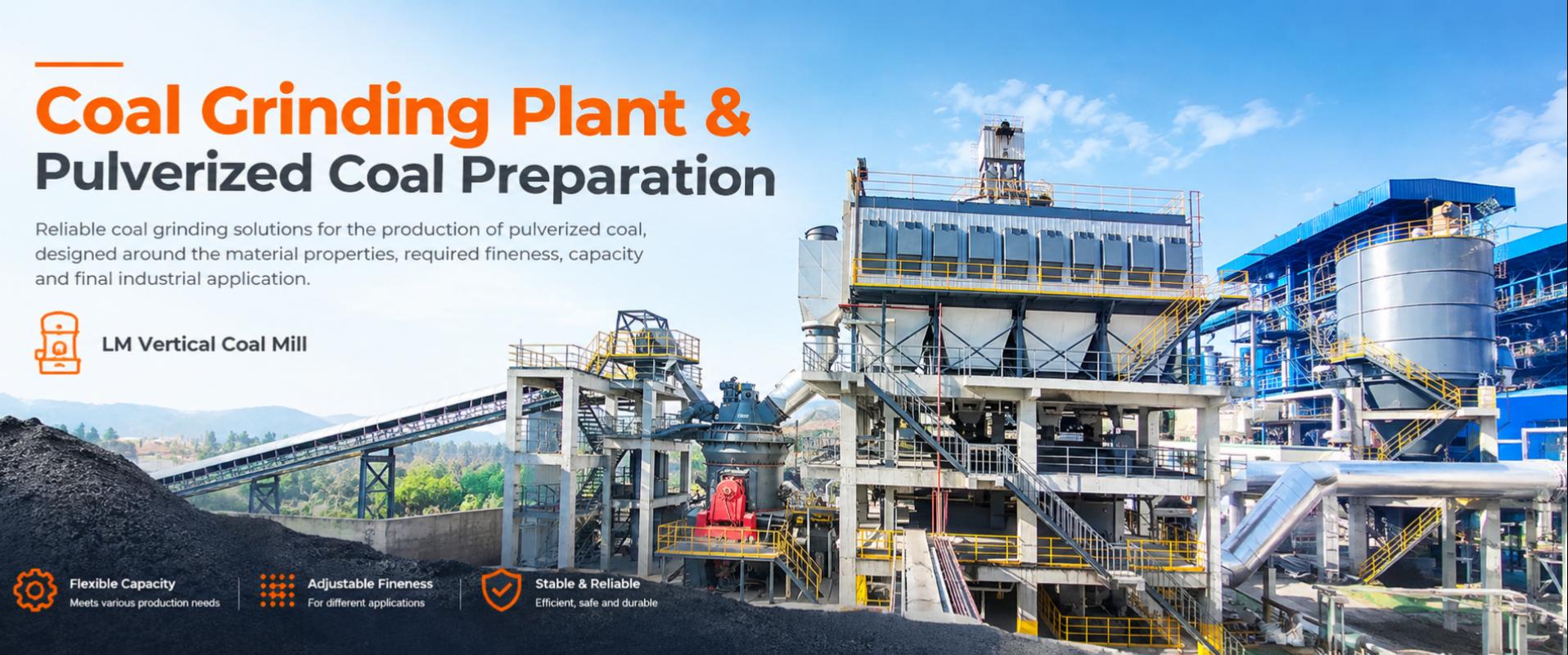
Coal grinding converts prepared raw coal into a dry, controlled fine powder for combustion, calcination, kiln firing, boiler operation, or pulverized-coal injection. A reliable system must do more than reduce particle size: it must handle moisture, remove impurities, maintain the required fineness, convey powder safely, and keep the entire process stable under changing coal conditions.
In practice, coal grinding is a connected preparation process. The quality of the final pulverized coal depends on the feed material, the heat available for drying, the grinding and classification performance, and the design of the collection, storage, and safety systems. Coal is commonly dried and ground together in an air-swept mill, with the fine fraction classified and conveyed by the process gas.
Understand the Raw Coal First
Before selecting equipment or setting operating parameters, evaluate the coal that will enter the plant. Two coals with the same nominal calorific value may behave very differently in a grinding system because of differences in moisture, volatile matter, hardness, ash, sulfur, and particle-size distribution.
Important raw-material data normally include:
Maximum feed size after crushing
Total and surface moisture
Hardgrove Grindability Index or equivalent grindability data
Volatile-matter content
Ash content and ash composition
Calorific value
Sulfur content where required by the downstream process
Required product fineness and output capacity
Available hot-air, hot-gas, or waste-heat source
High-moisture coal requires more drying energy and a larger gas-handling capacity. Coal with poor grindability may require more grinding pressure or installed power. High-volatile coal requires particular attention to temperature, oxygen control, dust containment, and operating procedures because fine coal dust can form an explosive mixture with air under suitable conditions.
The Practical Process Route
A typical coal grinding plant follows the route below:
Raw coal receiving → storage → screening and magnetic separation → crushing → raw coal bunker → controlled feeding → drying and grinding → dynamic classification → powder collection → pulverized-coal storage → controlled discharge to the consumer.
The exact arrangement varies by application, but each stage has a clear operational purpose.
1. Prepare the Feed
Coal arriving from the stockyard is usually transferred by belt conveyor to a receiving hopper or bunker. A screen removes oversized material where necessary, while a magnetic separator captures tramp iron and metal fragments before they can damage the crusher or mill.
Crushing reduces large coal lumps to a consistent mill-feed size. A uniform feed improves mill stability, reduces sudden pressure fluctuations, and helps the classifier maintain a consistent product. In many industrial applications, coal is crushed to a maximum size suitable for the selected grinding equipment before entering the feed bunker.
2. Feed Coal at a Controlled Rate
The raw coal bunker provides short-term storage and helps isolate upstream material handling from the grinding circuit. Below the bunker, a sealed belt feeder, screw feeder, rotary valve, or weigh feeder supplies coal to the mill at a controlled rate.
Stable feeding is essential. If the feed rate increases suddenly, the mill may experience higher differential pressure, incomplete drying, elevated vibration, or a coarser finished product. If the feed becomes too low, the grinding bed can become unstable and the system may operate inefficiently. The feeder should therefore be linked to the mill load, airflow, pressure, temperature, and product-fineness requirements.
3. Dry and Grind at the Same Time
For most modern coal-powder systems, drying and grinding occur simultaneously. Hot air or hot process gas enters the mill and comes into direct contact with the falling and circulating coal particles. The gas evaporates moisture while also lifting the fine material toward the classifier.
This integrated arrangement is especially valuable when the feed coal contains significant moisture. Instead of installing separate drying equipment for every project, the grinding system can use the thermal energy of hot air, kiln exhaust gas, hot stove gas, or another suitable heat source according to plant conditions.
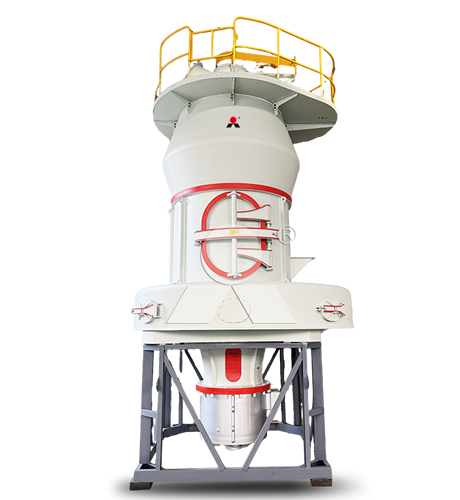
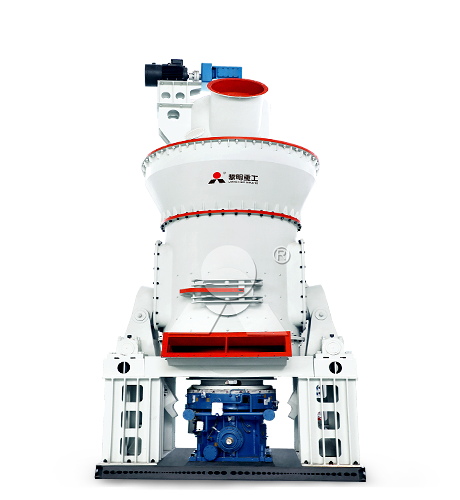
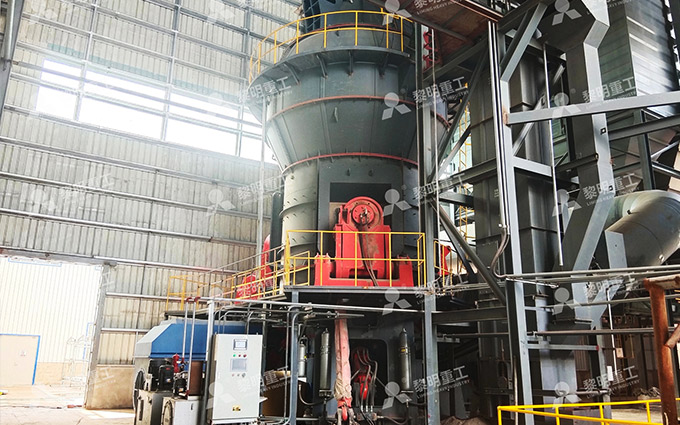
The LM Vertical Coal Mill from Liming Heavy Industry is designed around this combined process. Raw coal is fed onto the grinding table, where it is pressed and ground between the table and rollers. Hot gas enters the mill to dry the material and transport the fine fraction upward. The system integrates grinding, drying, classification, and pneumatic conveying in a compact process arrangement.
4. Separate Fine Coal from Coarse Coal
After grinding, the material is carried upward with the gas stream to the classifier. The classifier separates particles according to size: qualified fine powder moves forward with the gas, while coarse material returns to the grinding zone for another pass.
This circulation is what allows the system to produce a controlled final powder rather than a mixture of random sizes. Classifier speed, airflow, feed rate, grinding pressure, and separator condition all affect the final fineness.
For example, if a kiln requires a finer coal powder, the classification setting can be adjusted so that more coarse particles return for regrinding. If the target fineness is relaxed, the system can allow a larger fraction to pass through, potentially increasing mill throughput. The correct setting is always a balance among combustion performance, mill capacity, electricity consumption, and downstream fuel-delivery requirements.
5. Collect and Store the Finished Powder
The qualified coal powder and conveying gas leave the mill and enter a high-efficiency dust collector. The collector separates the powder from the gas stream. Cleaned gas is discharged or recirculated according to the plant design, while the collected fine coal is transferred to a pulverized-coal silo.
The storage silo should be designed to ensure smooth powder flow and prevent excessive material buildup. It is normally connected to level instrumentation, temperature monitoring, dust-control equipment, and a discharge system that matches the demand of the burner, boiler, kiln, or injection line.
Choosing the Grinding Solution
| Operating Requirement | Practical Consideration | Recommended Liming Heavy Industry Solution |
|---|---|---|
| Large-capacity continuous coal-powder production | Requires integrated drying, grinding, classification, and stable continuous operation | LM Vertical Coal Mill |
| Coal with variable moisture | Needs sufficient hot-gas contact and drying capacity during milling | LM Vertical Coal Mill |
| Compact plant layout | Benefits from combining several process functions in one system | LM Vertical Coal Mill |
| Moderate-capacity industrial coal grinding | Requires controlled powder fineness and reliable air classification | MTW European Trapezium Mill |
| Projects requiring flexible mill selection based on feed size, capacity, and product specification | Should be matched with actual coal data and downstream fuel-use conditions | LM Vertical Coal Mill or MTW European Trapezium Mill |
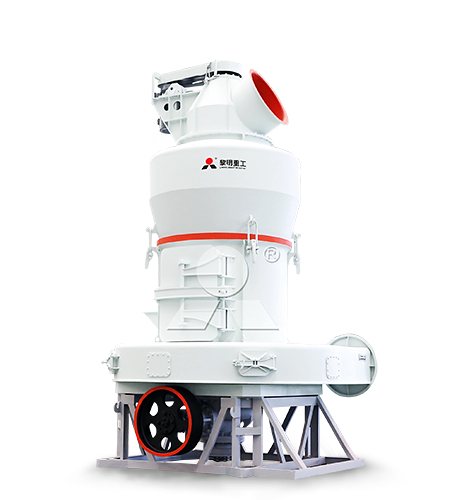
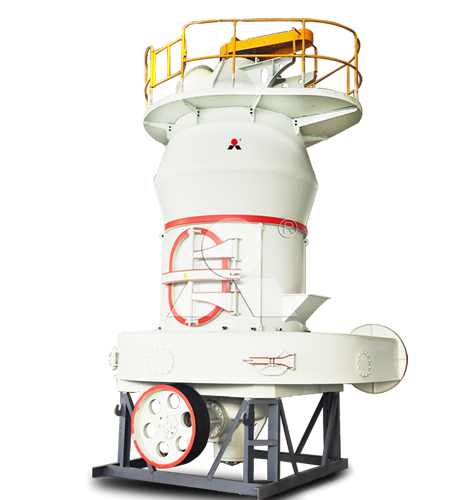
The MTW European Trapezium Mill from Liming Heavy Industry is suitable for projects requiring controlled coal-powder production within its applicable capacity range. It uses a grinding and air-classification system to produce fine powder, with process parameters selected according to feed size, moisture, required output, and target fineness.
Operating Parameters That Need Attention
Coal grinding performance is not determined by a single setting. Operators usually monitor several connected parameters throughout the production cycle.
Feed rate: Controls mill loading and directly affects output, residence time, and product fineness.
Feed moisture: Determines the required drying capacity and influences mill outlet conditions.
Hot-gas volume: Provides drying energy and carries fine powder through the system.
Inlet and outlet temperature: Must be controlled according to coal properties and the plant’s safety design.
Mill differential pressure: Indicates the resistance created by the material bed and gas flow inside the system.
Grinding pressure: Affects the ability of the mill to reduce coal particles efficiently.
Classifier setting: Influences the fineness of the finished coal powder.
Dust collector pressure loss: Helps indicate whether the collection system is operating normally.
CO and oxygen readings: Can provide important early warning information for abnormal combustion, smoldering, or air ingress when such monitoring is included in the system.
Routine trend monitoring is often more useful than looking at a single reading. For instance, a gradual increase in mill vibration together with declining output may indicate wear, an unstable grinding bed, oversized feed, or changing coal characteristics. A rising pressure drop across a dust collector may indicate that cleaning performance or filter condition requires inspection.
Safety Is Part of the Process
Fine coal dust is combustible. Coal can also oxidize and self-heat under certain storage and process conditions. Therefore, safe operation must be incorporated into equipment selection, system layout, instrumentation, start-up and shutdown procedures, and routine maintenance—not treated as an additional item after the grinding system is installed. Coal-processing guidance recommends applying explosion-prevention measures to dust-producing operations, including grinding and pulverizing.
Common safety provisions for a coal grinding plant may include:
Enclosed and sealed material-handling equipment to minimize dust leakage and air ingress
Dust collection designed for combustible coal dust
Appropriate explosion-relief, isolation, or suppression measures based on the project risk assessment
Temperature monitoring at relevant mill, gas, bearing, and storage locations
CO and oxygen monitoring where required by the process design
Inerting or protective-gas arrangements when applicable
Grounding and bonding to reduce electrostatic ignition risk
Controlled start-up, shutdown, purging, inspection, and cleaning procedures
Regular removal of coal deposits from ducts, chutes, silos, and conveying lines
Personnel should never open inspection doors or enter equipment without following the approved isolation, cooling, gas-testing, and maintenance procedure. Fine coal dust can create both respiratory exposure and explosion risks, while hot deposits or sparks can become ignition sources.
Common Production Problems
| Observed Issue | Likely Causes | Practical Checks |
|---|---|---|
| Finished coal is too coarse | High feed rate, low grinding pressure, incorrect classifier setting, worn grinding parts, insufficient residence time | Check separator setting, roller and table wear, feed stability, and mill loading |
| Output is lower than expected | Wet feed, insufficient drying gas, excessive fineness target, poor grindability, restricted gas flow | Review incoming moisture, gas temperature and volume, airflow resistance, and product specification |
| Mill vibration rises | Unstable grinding bed, abrupt feed changes, oversized material, foreign material, worn components | Stabilize feeding, inspect crusher performance, verify metal removal, and inspect wear parts |
| Coal powder moisture is too high | Low hot-gas temperature, inadequate gas volume, high feed moisture, excessive feed rate | Verify drying heat source, airflow, coal moisture, and mill throughput |
| Dust leakage occurs | Poor sealing, negative-pressure imbalance, damaged ducting, dust collector problems | Inspect seals, ducts, fan performance, filter condition, and system pressure balance |
| Abnormal temperature or CO trend | Coal accumulation, self-heating, smoldering, air ingress, process upset | Follow the plant emergency procedure immediately; do not rely on production adjustments alone |
Final Considerations
A coal grinding project should begin with the actual fuel and the actual production requirement. The required capacity, final powder fineness, raw-coal moisture, available heat source, site layout, fuel-consumption pattern, and safety requirements all determine the most suitable process arrangement.
For large and continuous pulverized-coal preparation lines, the LM Vertical Coal Mill provides an integrated route for drying, grinding, classifying, and conveying coal powder. For applicable industrial coal-grinding projects, the MTW European Trapezium Mill provides another practical option for producing controlled fine coal powder. Proper feed preparation, stable operation, accurate classification, effective dust collection, and disciplined safety management are what turn a mill into a dependable coal-powder production system.