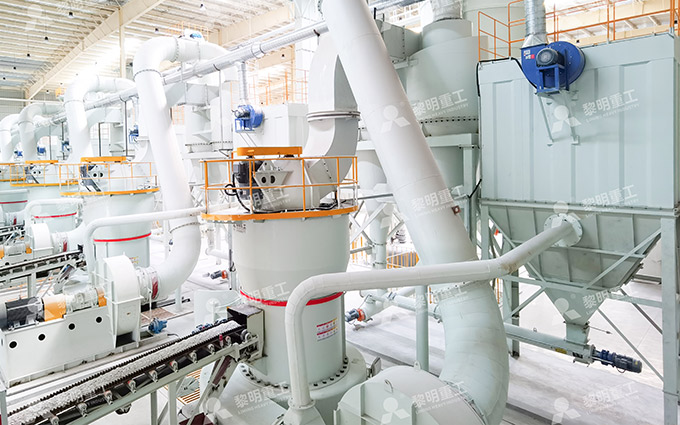
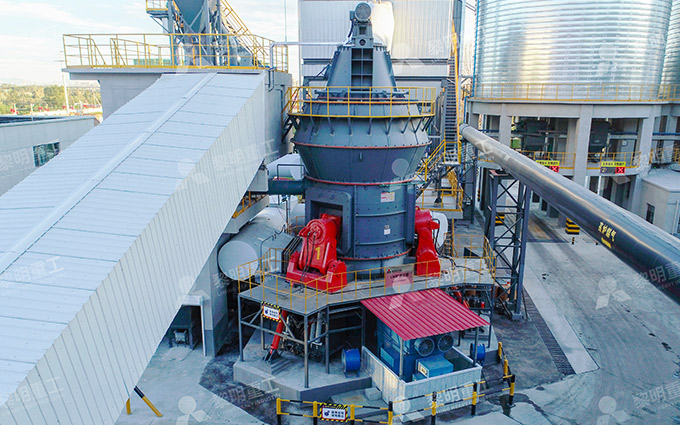
Coal Grinding Solutions
What Is Pulverized Coal and How Is It Produced?
2026-09-10 17:58:25
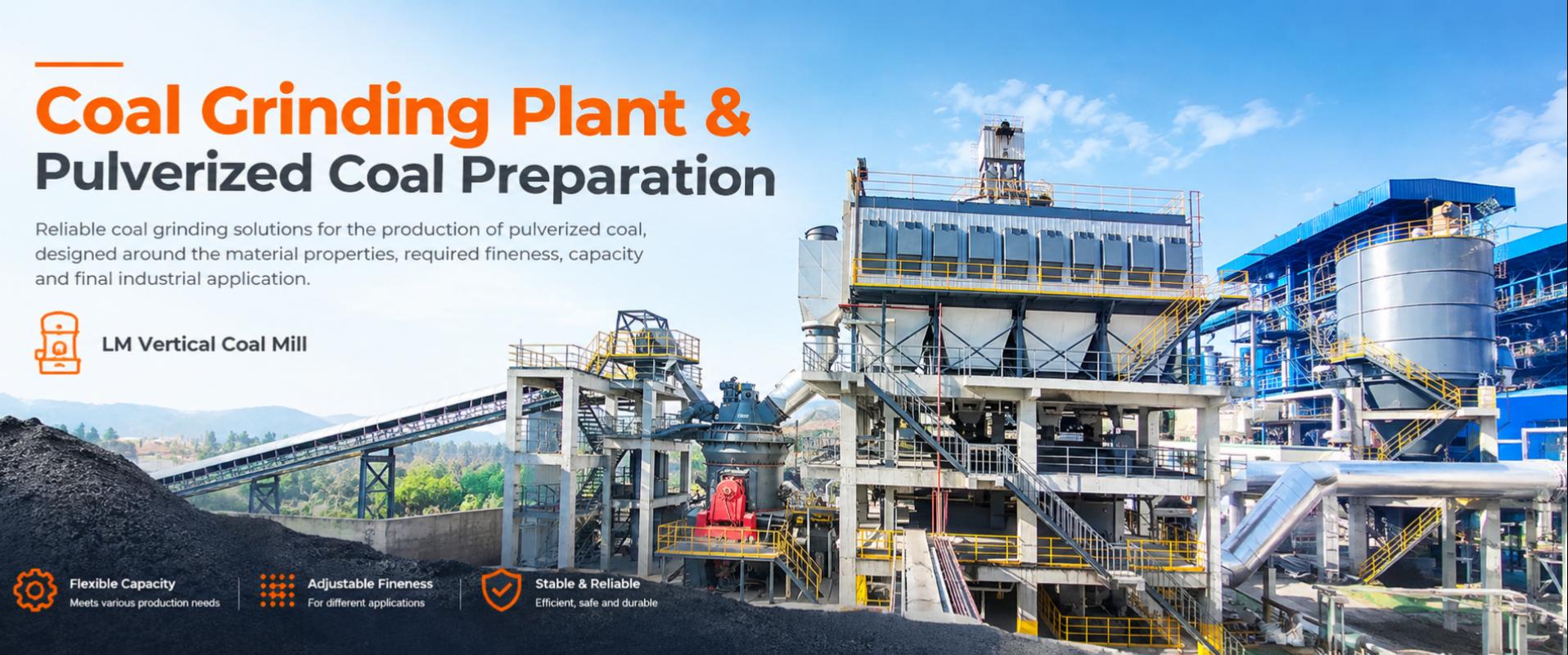
Pulverized coal is a dry, fine coal powder produced by crushing, drying, grinding, and classifying raw coal. Instead of being fed into a furnace or kiln as large lumps, the coal is prepared as uniformly sized particles that can be transported by air and burned more steadily.
Its main advantage is the much larger exposed surface area created by fine grinding. When coal particles become smaller, heat can reach them more quickly and combustion can proceed more completely. This makes pulverized coal a common fuel form for cement kilns, industrial boilers, lime production, power-generation systems, and pulverized coal injection processes in ironmaking.
From Raw Coal to Fine Fuel
Raw coal delivered from a mine or storage yard is rarely suitable for direct grinding. It may contain oversized lumps, gangue, tramp metal, high moisture, and inconsistent particle sizes. A practical pulverized-coal preparation system therefore handles the material in several connected stages:
Raw coal receiving and storage. Coal is unloaded and stored in a covered stockyard, bunker, or raw coal silo. Good storage management helps maintain a stable feed and reduces contamination by water, soil, metal, or other foreign materials.
Screening, removal of metal, and crushing. Before entering the mill, raw coal normally passes through a screen and magnetic separator. Oversized pieces are reduced by a crusher so the coal reaches a size acceptable for stable mill feeding. In many industrial systems, feed coal is controlled to a maximum size of approximately 50 mm, although the actual limit depends on the selected mill and process design.
Metered feeding. A sealed belt feeder, rotary feeder, or weigh feeder transfers coal from the bunker into the grinding system at a controlled rate. Stable feeding is important because sudden fluctuations can affect mill vibration, outlet temperature, product fineness, and final fuel quality.
Drying during grinding. Coal moisture is one of the central variables in pulverized-coal production. Hot air or hot flue gas enters the grinding system and evaporates the coal’s surface and internal moisture while the material is being ground. Integrating drying with grinding can reduce equipment count and avoid the need for a separate dryer in many applications.
Fine grinding and classification. The mill reduces coal to the required powder size. Airflow carries fine particles toward a classifier, while particles that remain too coarse are separated and returned to the grinding zone. This internal circulation continues until the powder meets the specified fineness.
Collection and storage. Qualified coal powder is separated from the conveying gas by a dust-collection system and then conveyed into a pulverized-coal silo. From there, it can be metered to burners, kiln injection points, boilers, or blast-furnace injection equipment.
Why Particle Size Matters
Pulverized coal is not simply “ground coal.” It is coal prepared to a controlled particle-size distribution and moisture level for a specific combustion or injection process. The correct fineness depends on the fuel properties, burner type, combustion temperature, production capacity, and the required flame characteristics.
For many kiln and boiler applications, the finished powder is commonly controlled by sieve residue, such as the percentage remaining on a 90 μm sieve. A cement kiln, for example, may require a different coal fineness from a blast-furnace injection system. The objective is not always to produce the finest possible powder; it is to produce powder that burns, conveys, and feeds reliably under the operating conditions of the plant.
Excessively coarse coal can lead to incomplete burnout and unstable combustion. Over-grinding, on the other hand, consumes unnecessary power and can increase the load on the dust-collection and conveying systems. The most effective solution is a grinding system that maintains the required fineness consistently while matching the capacity and moisture conditions of the raw coal.
How a Vertical Coal Mill Produces Pulverized Coal
In an integrated vertical grinding system, coal enters the center of a rotating grinding table. Centrifugal force moves the material outward beneath grinding rollers, where pressure reduces the coal into smaller particles. At the same time, hot gas rises through the mill, drying the coal and lifting the fine fraction toward the classifier.
The classifier performs a continuous separation task. Fine particles pass through with the gas stream, while coarse particles fall back to the grinding table for further size reduction. Foreign heavy materials, such as gangue or metal fragments that reach the mill, can be discharged through the reject system rather than remaining in the finished product.
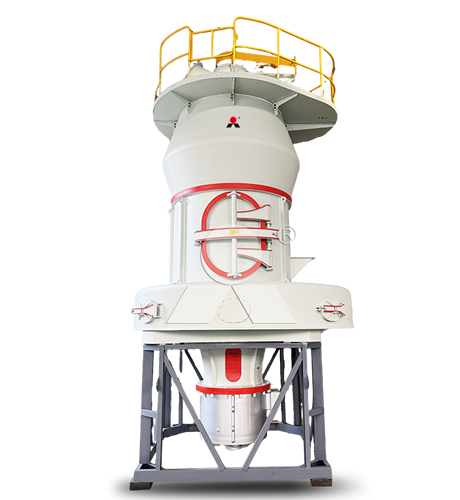
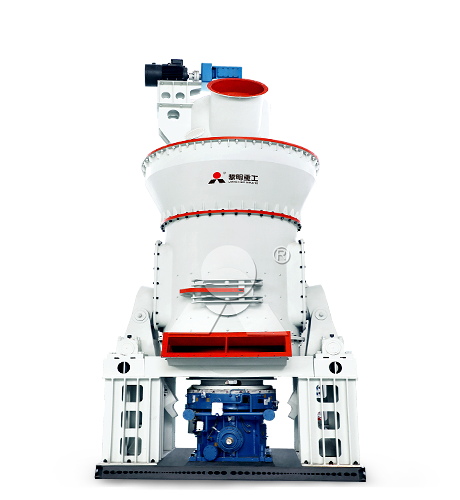
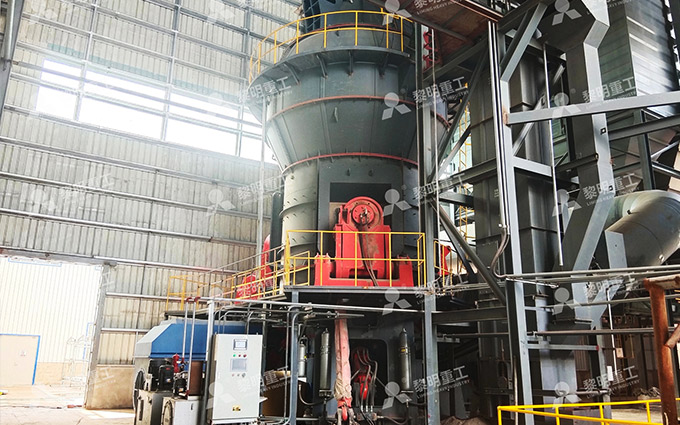
The LM Vertical Coal Mill from Liming Heavy Industry is designed for this integrated process. It combines grinding, drying, classifying, and pneumatic conveying in one system, making it well suited to coal-powder preparation lines that need compact layout, continuous operation, and adjustable product fineness.
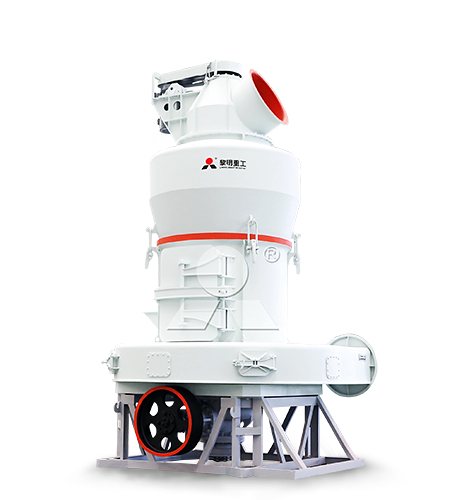
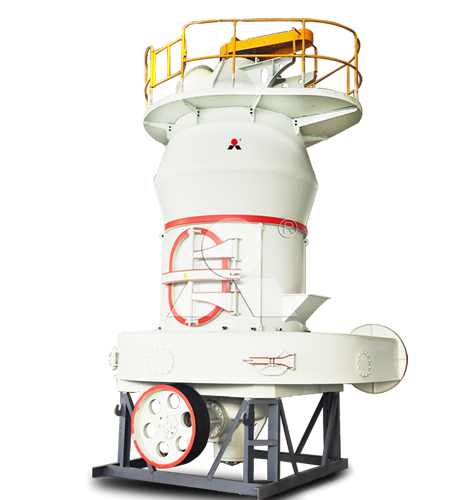
For applications with suitable feed conditions and capacity requirements, the MTW European Trapezium Mill from Liming Heavy Industry can also be used for coal grinding. Its grinding and air-classification arrangement supports the production of controlled coal powder for industrial fuel applications.
A Typical Pulverized-Coal Flow
A standard production route can be summarized as follows:
Raw coal storage → screening and iron removal → crushing when required → raw coal bunker → sealed and measured feeding → drying and grinding → classification → dust collection → pulverized-coal silo → combustion or injection point.
Although this flow is straightforward, the final configuration must reflect actual operating conditions. Coal rank, moisture, volatile matter, abrasiveness, feed size, required output, product fineness, available heat source, and site safety requirements all influence the final equipment arrangement.
Key Conditions for Reliable Production
Successful pulverized-coal preparation depends on more than selecting a mill. The entire system must be coordinated around the properties of the coal and the needs of the downstream process.
Maintain a stable and accurately controlled raw-coal feed.
Remove metal and hard foreign materials before they reach the mill.
Provide enough drying capacity for the actual incoming coal moisture.
Control hot-gas temperature and airflow to maintain safe, stable operation.
Use efficient classification to keep product fineness within the required range.
Provide sealed conveying, suitable dust collection, and appropriate explosion-protection measures.
Match pulverized-coal silo capacity and discharge equipment to the consumption rate of the kiln, boiler, or injection system.
Coal dust is combustible and, under certain conditions, can create fire or explosion hazards. For that reason, a pulverized-coal line should be engineered with suitable monitoring, sealing, dust control, grounding, and protection arrangements based on the coal characteristics and local operating requirements. Systems may include oxygen or carbon-monoxide monitoring, explosion-relief provisions, inerting arrangements, and fire-suppression equipment where applicable.
Conclusion
Pulverized coal is a precisely prepared fuel made by converting raw coal into dry, fine, consistently classified powder. Its production involves more than milling: preparation begins with controlled feeding and impurity removal, continues through simultaneous drying, grinding, and classification, and ends with safe collection and storage.
For industrial coal-powder projects, an LM Vertical Coal Mill or MTW European Trapezium Mill from Liming Heavy Industry can be selected according to feed conditions, moisture level, target fineness, required capacity, plant layout, and the fuel-use process. A properly designed system helps deliver stable coal powder for reliable downstream combustion or injection.