Concrete SCM Grinding Plant Solutions
How Blaine Fineness Affects SCM Performance and Grinding Energy
2026-11-15 10:34:30
Increasing Blaine fineness can improve the reaction rate and strength contribution of a supplementary cementitious material, particularly ground granulated blast-furnace slag. However, producing a finer powder generally requires more grinding energy, can reduce mill throughput, and may increase water or admixture demand. The practical objective is not the highest possible Blaine value, but a powder that delivers the required concrete performance at a sustainable production cost.
This balance matters when developing a new SCM product, upgrading a slag grinding line, or investigating why a powder meets its fineness target but performs inconsistently. Blaine is a useful control measurement, but it cannot fully describe particle-size distribution, material reactivity, or concrete behavior.
What Blaine Fineness Actually Measures
Blaine fineness is a specific-surface estimate obtained by measuring the resistance to airflow through a prepared, compacted powder bed. Results are commonly expressed in square metres per kilogram or square centimetres per gram. A higher value generally indicates more surface area per unit mass under the conditions of the test.
Unlike a sieve test, Blaine does not identify the percentage of particles above a particular size. Unlike laser particle-size analysis, it does not provide a complete distribution of particle sizes. Its result also depends on how particle shape, packing, and other powder characteristics influence permeability.
For production control, this leads to an important distinction: Blaine is most useful when comparing a consistent material tested using a consistent procedure. Comparing different SCM types solely by their Blaine values can be misleading because their density, morphology, and surface characteristics differ.
Why Finer SCMs Can Perform Better
Grinding exposes additional surface that can participate in reactions and changes how particles fit together in a cementitious mixture. For a suitable reactive material, this can improve the rate at which its contribution develops. However, the benefit depends on what is being ground and the particle-size distribution produced—not simply the final Blaine number.
More accessible surface can accelerate reaction
For GGBS, reducing particle size can make more of the material available to react in the cementitious environment. This can improve strength development, provided that the slag has suitable chemistry and reactive phases. Finer grinding changes physical accessibility; it does not make every slag source equally reactive.
Particle distribution influences packing
An SCM can contribute physically as well as chemically. Its particles interact with the cement and other fines, influencing packing and the water needed to produce a workable mixture. A useful distribution contains appropriate proportions of particle sizes rather than simply the largest possible amount of ultrafine material.
Early-age and later-age benefits may differ
A grinding change that improves early strength does not necessarily deliver the same proportional improvement at later ages. The result depends on the original powder, material reactivity, cement compatibility, mixture proportions, and curing. Comparing performance at the ages required by the customer is more informative than optimizing against one laboratory result.
Why the Same Blaine Value Can Produce Different Results
Consider two slag powders made from the same raw material. Both meet the same Blaine target, but one contains a relatively balanced distribution while the other contains more ultrafine particles together with a larger coarse fraction. Their airflow measurements can be similar even though their behavior in mortar and concrete differs.
Research comparing slag powders produced by different grinding systems has found that similar specific surface areas or sieve residues can accompany different particle-size distributions and properties. Particle morphology also changes with the grinding method.
| Measurement | What it helps reveal | What it cannot establish alone |
|---|---|---|
| Blaine specific surface | Changes in air-permeability-related fineness. | The full distribution of coarse, intermediate, and ultrafine particles. |
| Sieve residue | The fraction remaining above a selected sieve opening. | How the finer particles are distributed below that opening. |
| Laser particle-size distribution | The distribution of equivalent particle sizes under a defined dispersion procedure. | Chemical reactivity or concrete performance. |
| Mortar and concrete testing | Performance under the selected mixture and curing conditions. | The precise cause of a change without supporting material and process data. |
These measurements are complementary. Using them together helps distinguish a genuine improvement in powder quality from a change that merely raises the Blaine result. Consistent sample preparation also matters, particularly for particle-size analysis, where dispersion conditions influence the measured distribution.
The Energy Cost of Raising Blaine Fineness
Producing additional fine surface requires grinding work. As a plant moves toward finer products, it may need more grinding effort and classification duty for each tonne of saleable powder. The actual increase depends on feed grindability, moisture, mill condition, classifier performance, and the required particle-size distribution. There is no universal energy penalty for a specified increase in Blaine.
Mill throughput can fall
In a closed-circuit grinding system, particles that do not meet the separation conditions return for further grinding. A finer product setting can increase this internal circulation and reduce finished-product output unless other operating conditions or equipment capabilities compensate. The result should be assessed from stable operating data rather than assumed from classifier speed alone.
Auxiliary power becomes part of the comparison
The grinding motor is not the only electrical consumer. Classification, air movement, collection, and conveying are also required to produce and deliver finished powder. A comparison based only on the main motor can therefore miss changes elsewhere in the system. For production decisions, define the measurement boundary and compare electrical consumption per tonne of acceptable finished product.
Drying energy should remain visible
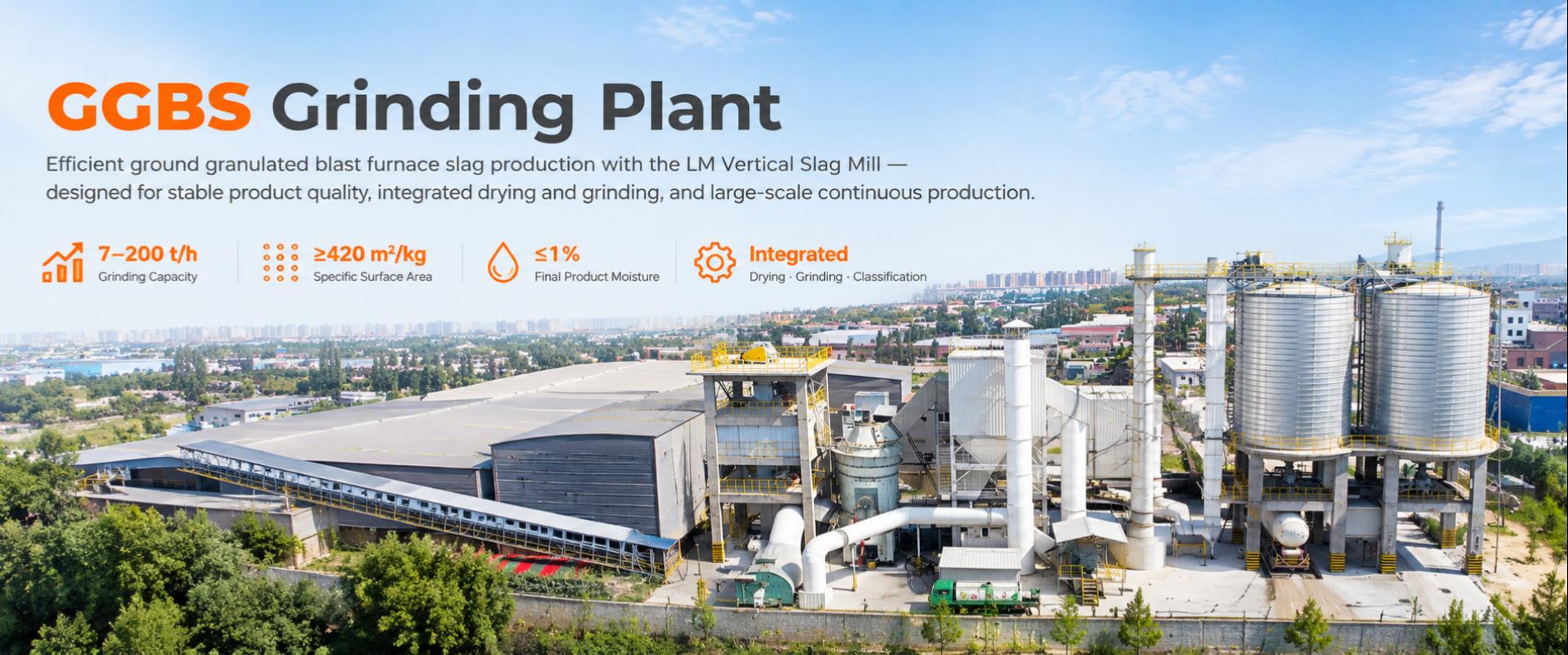
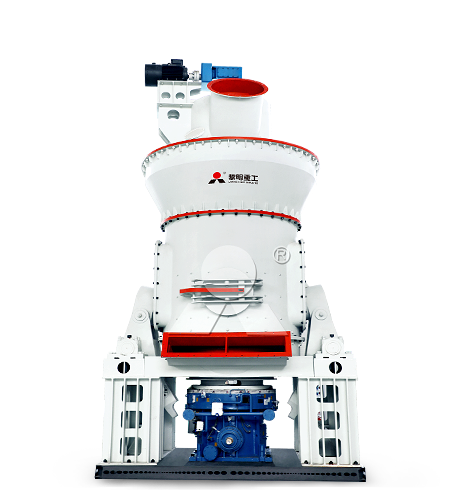
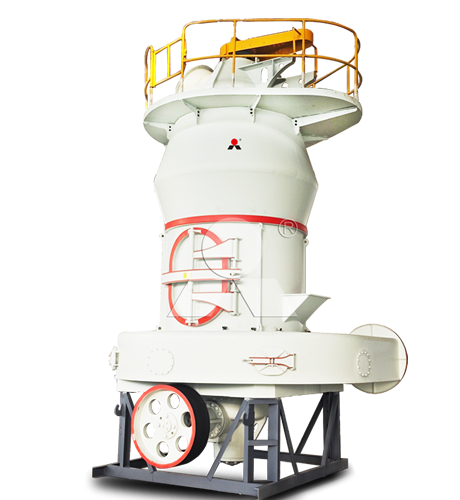
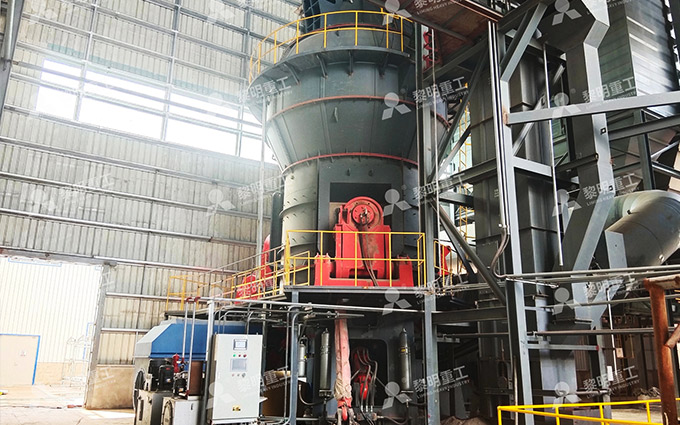
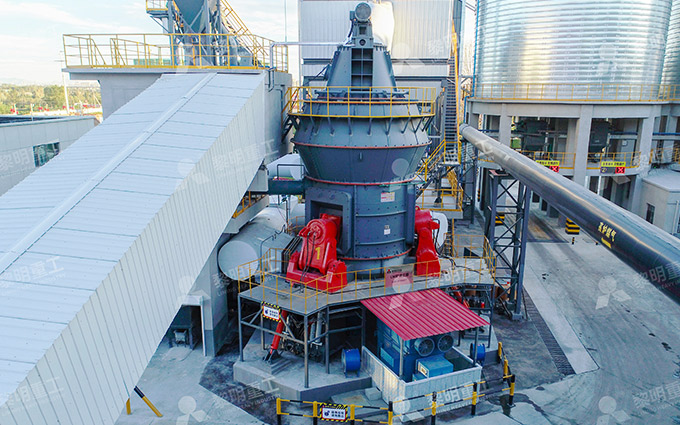
Wet slag introduces a separate thermal requirement. An integrated vertical mill can dry and grind in the same system, but the heat needed to remove water still has to be supplied. Changes in incoming moisture should be recorded when comparing operating periods so that a drying change is not mistaken for a grinding-efficiency change. The Liming Heavy Industry LM Vertical Slag Mill uses an air-swept process that combines these functions.
Agglomeration can reduce the value of extra grinding
Very fine particles can agglomerate, making grinding and dispersion more difficult. Additional energy may then produce less useful improvement in the finished powder than expected. This is one reason to evaluate fineness alongside particle-size distribution and performance rather than assume that every increase in surface measurement creates an equivalent benefit.
When Higher Fineness Stops Helping the Concrete Customer
The customer buys usable concrete performance, not surface area in isolation. A finer SCM may improve strength while creating a separate workability problem, or it may deliver only a small strength improvement at a much higher production cost.
Water demand may increase. Additional fine surface can require more water for wetting or more admixture to maintain workability.
Mixture adjustments may offset benefits. Adding water without controlling the mixture can undermine the intended strength or durability improvement.
Performance gains may become smaller. Once a suitable distribution has been achieved, further grinding may provide limited additional value for the intended application.
Handling behavior can change. A more cohesive powder may behave differently during storage, conveying, and dispersion.
These effects depend on the particular SCM. They should be checked in trial mixtures at controlled water content and with the intended admixture system, rather than inferred from Blaine alone.
Do Not Apply One Blaine Target to Every SCM
GGBS: a useful production-control indicator
For ground granulated blast-furnace slag, Blaine is a useful way to monitor grinding consistency. Its value increases when it is linked to sieve residue, particle-size distribution, activity results, and customer mixture performance. A relationship developed for one slag supply should be rechecked after a significant raw-material change.
Fly ash: morphology matters as well as size
A fineness change in fly ash can involve changes in particle distribution and morphology, not merely more exposed surface. For this reason, matching the Blaine value of a successful slag powder is not a meaningful standalone target for a fly ash product. Different SCMs require their own links between physical measurements and concrete performance.
Calcined clay: physical fineness cannot replace reactivity
For calcined-clay materials, particle characteristics need to be considered together with mineralogy, reactivity, and water demand. A high Blaine result does not establish that the material has been suitably activated or that it will be compatible with a particular concrete mixture.
A Practical Trial Program for Selecting the Right Fineness
The most useful target comes from controlled testing of the actual material. The following approach connects grinding decisions with product value.
Define the required performance first. Identify the applicable product specification, customer strength ages, workability requirements, and any relevant durability criteria. This prevents the trial from becoming a search for the highest laboratory fineness.
Use a representative, consistent feed. Keep the raw-material source as stable as practicable and record moisture and feed characteristics. Otherwise, changes in the feed can obscure the effect of grinding.
Produce several controlled fineness levels. Select operating points that the equipment can sustain. Take representative samples only after the system has stabilized.
Measure more than Blaine. Include coarse residue, particle-size distribution, and the physical and chemical tests needed for the product. Keep test preparation and measurement procedures consistent.
Record the production consequences. Compare finished-product throughput, defined electrical consumption, thermal input where applicable, and operating stability.
Test mortar and concrete performance. Use consistent reference materials and curing conditions. Include workability and admixture demand as well as strength.
Choose a robust operating range. Select a target that provides a practical margin above the required performance while avoiding unnecessary grinding.
This approach recognizes that fineness, particle distribution, and strength are related but not interchangeable. It also produces a more useful basis for equipment selection than a Blaine target without supporting material tests.
Matching a Slag Grinding System to the Product
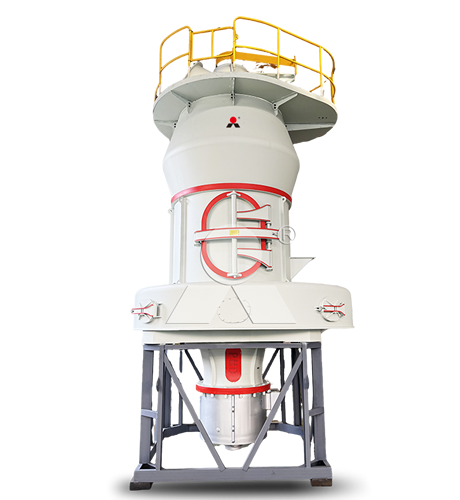
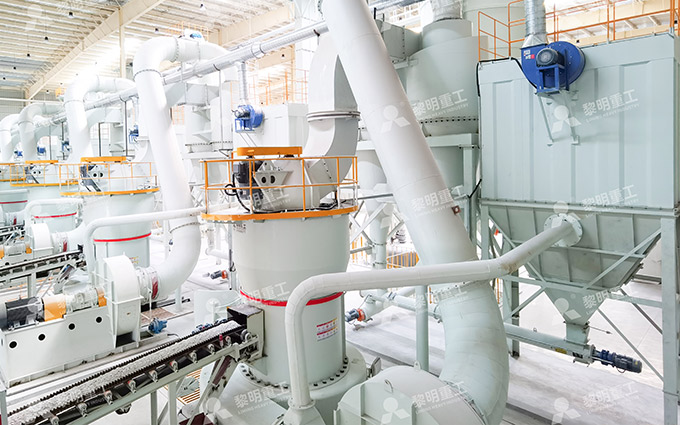
For a dedicated GGBS line, the Liming Heavy Industry LM Vertical Slag Mill is an option to evaluate where integrated drying, grinding, classification, and conveying are required. Coarse material is returned to the grinding zone, while qualified powder leaves with the airflow for collection.
The equipment assessment should specify the raw slag, feed moisture range, required output, target Blaine, acceptable coarse residue, and intended performance criteria. Capacity and energy expectations should relate to those conditions, rather than to a nominal output quoted for a different material or fineness.
Classifier adjustment, grinding conditions, airflow, and feed rate must work together. Increasing the fineness setting without checking the rest of the system can shift the limitation elsewhere. A successful installation therefore needs both suitable equipment and a product-control plan that connects operating settings with finished-powder results.
What to Check When Blaine and Performance Disagree
| Observed result | Useful checks |
|---|---|
| Blaine increases, but strength changes little. | Check the full particle-size distribution, raw-material consistency, reference cement, and repeatability of strength testing. |
| Blaine remains stable, but strength falls. | Investigate chemistry, mineralogy, coarse residue, cement compatibility, and curing conditions. |
| The fineness target is met, but workability deteriorates. | Review ultrafine content, morphology, water demand, and admixture compatibility. |
| Energy consumption rises at a similar Blaine. | Check feed moisture and grindability, operating stability, classifier behavior, and the consistency of the energy-measurement boundary. |
| Blaine results become unusually variable. | Verify sampling, material density inputs, powder-bed preparation, apparatus condition, and test procedure before changing production settings. |
These checks help separate measurement variation from a genuine material or process change. They also avoid the common response of applying more grinding when the underlying problem lies elsewhere.
The right Blaine fineness is a validated operating range, not a universal number. For an SCM producer, the strongest target is one supported by repeatable powder measurements, reliable concrete performance, and measured production cost. Additional grinding is justified when it creates useful performance—not simply when it produces a higher reading.