Fertilizer Mineral Grinding Solutions
How to Build a Fertilizer Mineral Powder Processing Plant?
2026-10-19 10:29:23
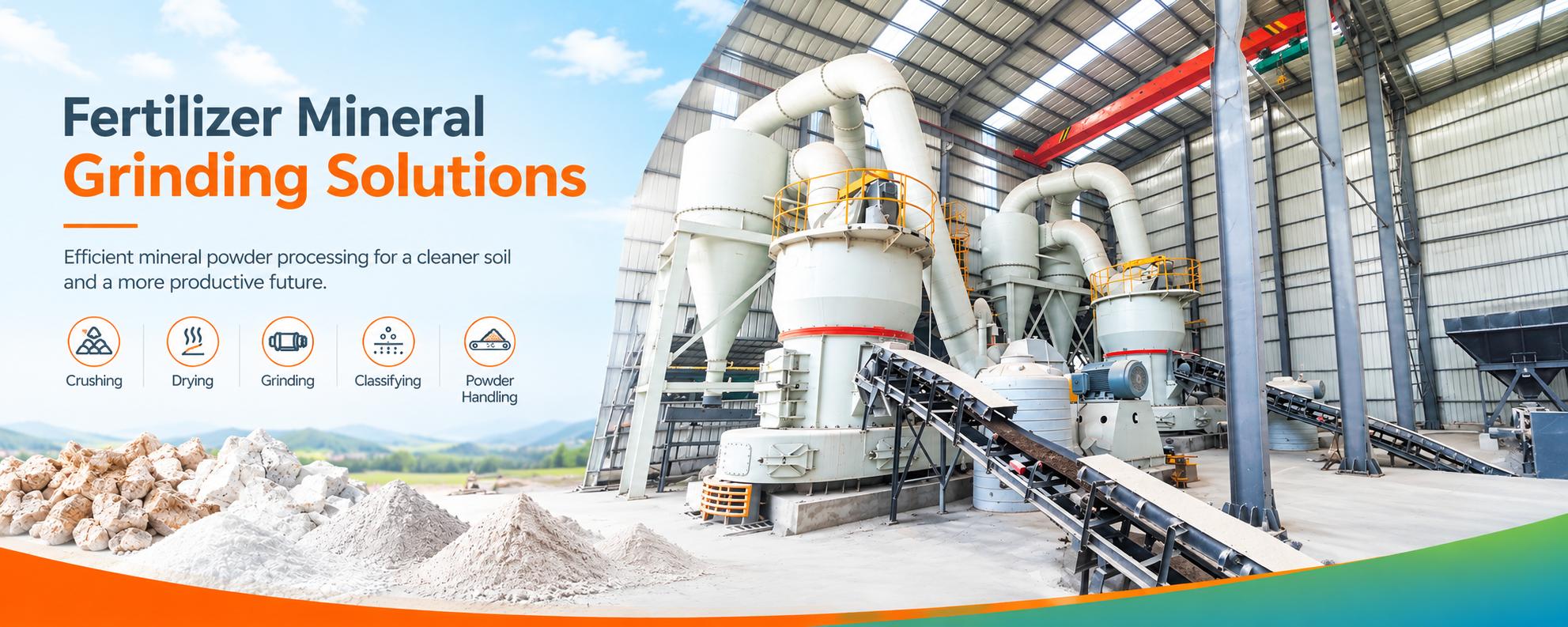
Building a fertilizer mineral powder processing plant starts with defining the powder your downstream process needs—not choosing a grinding mill first. The raw material, required particle size distribution, moisture limit, production capacity, and delivery method determine the equipment configuration and plant layout.
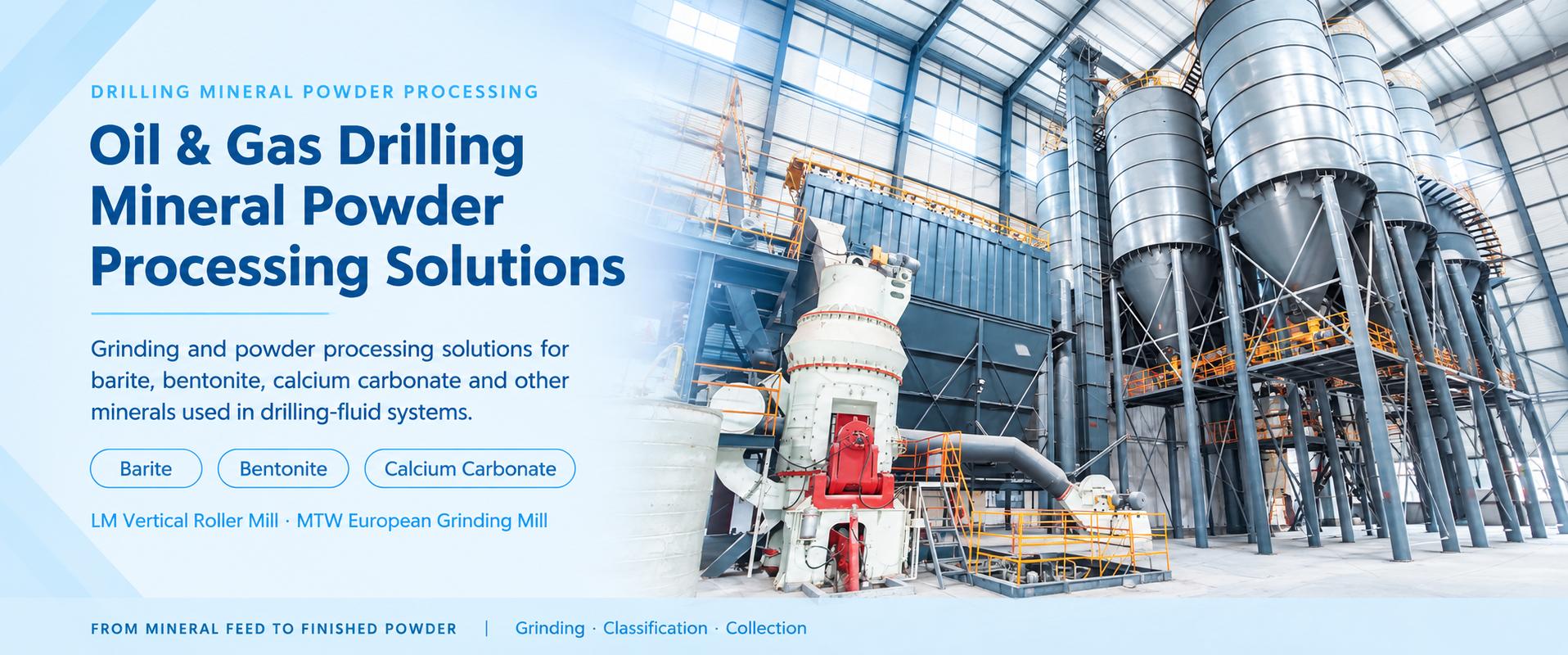
A complete project normally includes raw material receiving, crushing where necessary, controlled feeding, drying when required, grinding, classification, dust collection, and finished powder handling. This prepares mineral ingredients for subsequent processing; it does not automatically constitute a complete fertilizer manufacturing plant.
Start with the Destination of the Powder
Before designing the production line, establish whether the powder will enter chemical processing, fertilizer blending, granulation, or a separately qualified agricultural mineral product. Each destination creates different requirements for fineness, moisture, composition, and handling.
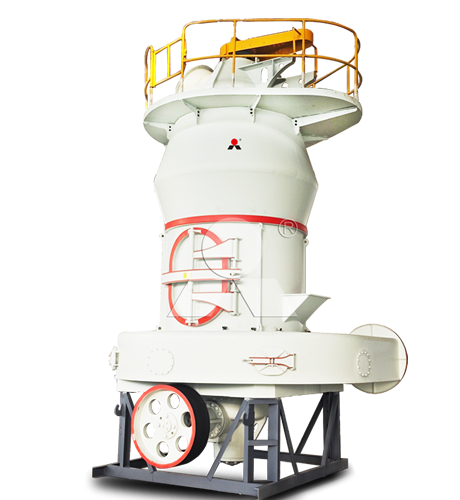
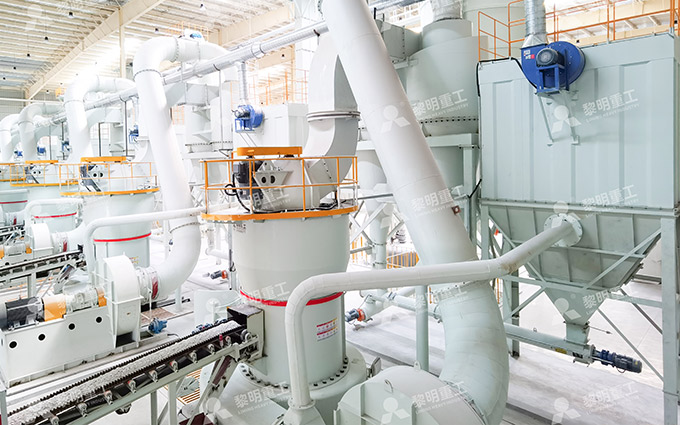
For phosphate rock, grinding is closely connected with downstream fertilizer processing. Liming Heavy Industry has applied MTW European Trapezium Grinding Mills to phosphate rock preparation for phosphate fertilizer production.
The practical starting point is a written product specification. “Fine powder” is not sufficient for equipment selection or performance acceptance.
Identify the mineral and its intended downstream use.
Specify particle size limits and the required passing percentage.
Define the acceptable finished moisture range.
Set the required output in tonnes per hour of saleable powder.
State whether the product will be transferred directly, stored in silos, bagged, or loaded in bulk.
Confirm applicable product quality and environmental requirements.
Investigate the Raw Material Before Fixing the Process
A mineral name alone does not describe how a material will behave in a grinding circuit. Different deposits—and different deliveries from the same deposit—can vary in hardness, moisture, impurity content, and feed size.
Obtain representative samples covering normal production and foreseeable difficult conditions. A dry sample collected during favorable weather should not be the only basis for designing a plant that must also process wet-season material.
| Information to Confirm | Why It Matters to Plant Design |
|---|---|
| Maximum feed size and size distribution | Determines whether pre-crushing is required and helps define crusher, screen, and feeder duties. |
| Normal and maximum moisture | Influences storage behavior, feeder selection, drying requirements, and available grinding capacity. |
| Hardness, abrasiveness, and grindability | Supports realistic estimates of throughput, power demand, and wear-part consumption. |
| Chemical composition and impurities | Establishes whether the feed is suitable for the intended product and whether treatment beyond grinding is necessary. |
| Bulk density and flow behavior | Guides hopper geometry, conveying arrangements, silo sizing, and discharge equipment. |
Grinding should not be treated as a substitute for beneficiation or chemical treatment. If the feed fails the required composition or impurity specification, reducing particle size alone will not resolve that problem.
Develop the Process Around Stable Material Flow
A practical dry mineral powder line can follow this sequence:
Raw material receiving → inspection and removal of foreign objects → crushing if required → covered buffer storage → metered feeding → grinding with drying where appropriate → classification → powder collection → finished storage → packing or downstream transfer.
Receiving, Crushing, and Buffer Storage
The receiving area should accommodate the actual delivery method, whether trucks, loaders, or conveyors. Allow space for inspection, sampling, and segregating unsuitable material before it enters the production line.
Select the crushing stage around the mill’s permitted feed conditions. Oversized lumps and irregular crusher discharge can make feeding unstable. A buffer bin between crushing and grinding helps prevent short interruptions upstream from immediately stopping powder production.
Metered Feeding and Drying
Use a controllable feeder to deliver material at a steady rate. Feed surges can disturb mill operation and powder fineness, while insufficient feed reduces productive utilization.
Where drying is necessary, assess the moisture load, available heat source, exhaust conditions, and material temperature sensitivity together. Do not assume that a mill’s drying capability eliminates the need to evaluate wet feed storage and handling.
Grinding, Classification, and Collection
The grinding mill reduces particle size, while the classifier controls which particles leave as product. Coarse material returns for further grinding. These functions must be balanced with airflow and feed rate rather than adjusted independently.
Powder collection and conveying equipment must also match the selected production duty. A mill with adequate nominal capacity cannot deliver consistent plant output if the collector, discharge system, or finished powder conveyor becomes the bottleneck.
Choose Between Liming Heavy Industry LM and MTW Grinding Mills
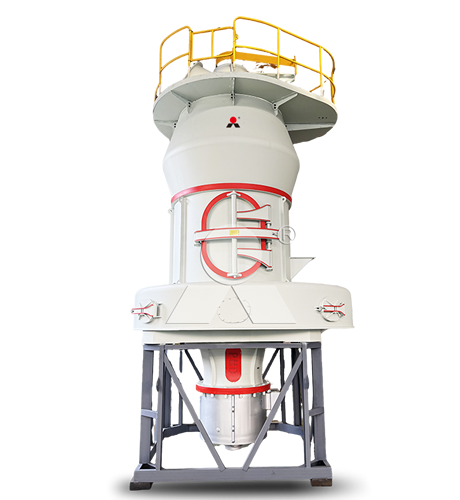
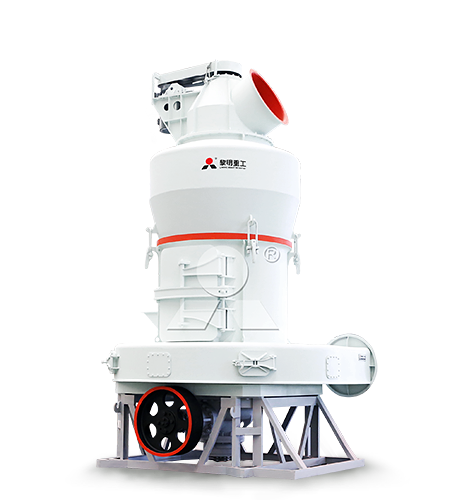
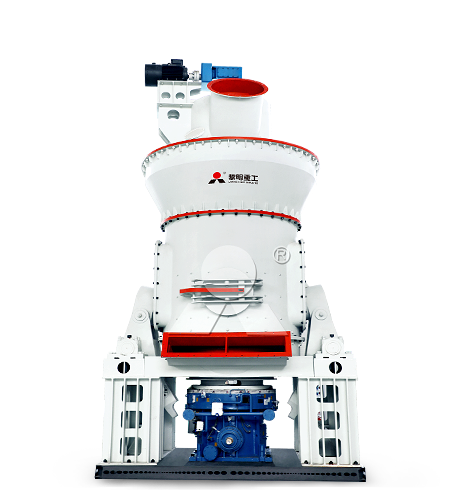
For this type of project, the principal equipment comparison should focus on the Liming Heavy Industry LM Vertical Grinding Mill and MTW European Trapezium Grinding Mill. The final choice should follow material testing and a review of the complete production duty, not a capacity figure taken in isolation.
| Project Situation | Mill to Evaluate | What to Confirm Before Selection |
|---|---|---|
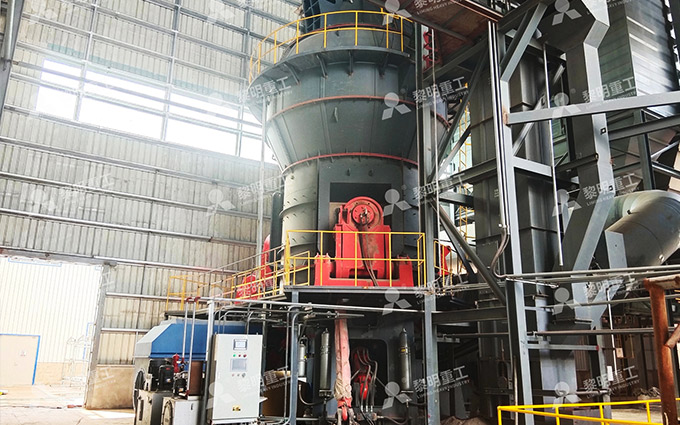
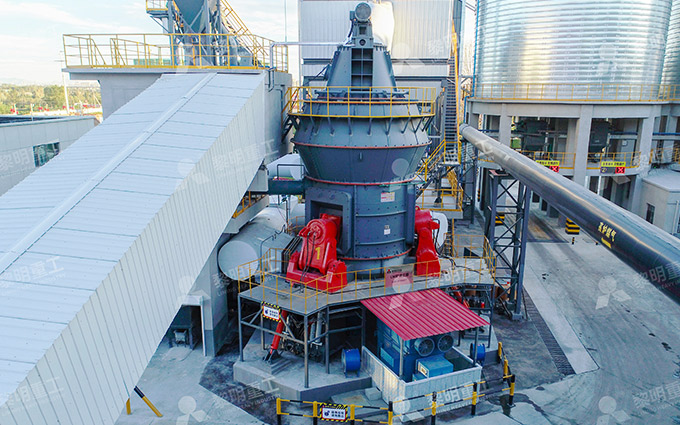
| A continuous production project requiring an integrated review of grinding, classification, and drying | Liming Heavy Industry LM Vertical Grinding Mill | Material compatibility, tested capacity at the specified fineness, moisture load, heat demand, and maintenance access. |
| A mineral powder project considering a pendulum roller grinding arrangement | Liming Heavy Industry MTW European Trapezium Grinding Mill | Feed condition, achievable particle size distribution, wear characteristics, airflow requirements, and installation layout. |
| A phosphate rock preparation project | Compare suitable Liming Heavy Industry LM and MTW configurations | Actual ore grindability, abrasive impurities, downstream requirements, and sample-test results. |
Ask for a proposal that identifies the feed conditions behind the stated output. A useful capacity commitment must relate to a defined mineral, moisture level, feed size, product specification, and operating arrangement.
Specify Fineness Without Paying for Unnecessary Grinding
The correct target is consistency, not the finest powder the equipment can produce.
Specify both the particle size limit and the proportion of material that must meet it. If the customer uses mesh terminology, identify the sieve standard and passing requirement. Where appropriate, use a particle size distribution report rather than relying on a single descriptive grade.
For phosphate rock processing, the required grinding fineness depends on the downstream route. An established processing reference describes one dry-ground product specification as 60 percent by weight passing a 200-mesh sieve, illustrating why a mesh number without its passing percentage is incomplete. This is an example, not a universal fertilizer powder requirement.
Confirm the proposed specification through downstream trials wherever possible. Additional grinding should have a demonstrated purpose, such as meeting a reaction, mixing, or product-quality requirement.
Design Storage and Transfer as Carefully as the Mill
Decide early whether the plant will produce one mineral continuously or switch between several materials. A shared line may reduce duplicated equipment, but it also introduces changeover time, cleaning requirements, and possible carryover between products.
Separate raw material bays where mixing would affect product quality.
Provide accessible inspection and cleaning points.
Select silo discharge equipment using the powder’s actual flow behavior.
Provide sampling points after collection and before dispatch.
Coordinate finished storage capacity with truck loading, bagging, or downstream consumption.
For a plant connected directly to fertilizer production, agree on the transfer interface with the downstream equipment supplier. Required powder temperature, moisture, delivery rate, and available buffer capacity should be defined before the layout is finalized.
Include Dust Control, Utilities, and Maintenance in the Initial Layout
Dust control should cover receiving hoppers, crushers, transfer points, mill feeding, silo vents, and packing stations—not only the main grinding circuit. The collection system must be engineered for the dust characteristics and applicable local requirements.
Prepare a utility schedule covering electrical demand, compressed air, drying fuel where needed, and control requirements. Review worker exposure, material hazards, noise, and access arrangements as part of the project design.
Leave practical space for replacing grinding components, inspecting the classifier, servicing fans, and maintaining collection equipment. A tightly packed layout may appear economical on a drawing while creating expensive maintenance delays after installation.
Evaluate the Investment as a Complete Operating System
The mill purchase price is only one part of the project budget. Compare proposals using the same scope so that a lower equipment quotation does not conceal missing plant functions.
Include crushing, feeding, conveying, classification, collection, storage, and packing where required.
Account for foundations, structural steel, electrical installation, controls, and utility connections.
Include the drying system and fuel infrastructure if the feed conditions require them.
Assess electricity, fuel, wear parts, filter maintenance, labor, and planned downtime.
Allow for commissioning, initial spare parts, operator training, and product testing.
Evaluate operating cost against accepted finished powder rather than total material entering the mill. This keeps the comparison connected to usable production.
Commission Against Measurable Acceptance Criteria
Before delivery, agree on how plant performance will be tested. Define the test material, feed moisture, product fineness, sampling method, test duration, and equipment included in energy measurements.
Commissioning should progress from individual equipment checks to integrated operation under load. Verify feeder stability, mill operation, classifier settings, collector performance, conveying reliability, and product quality before moving to a sustained production test.
A short run at maximum feed rate does not demonstrate reliable production. Acceptance should establish that the complete line can maintain the agreed output and powder specification under defined operating conditions.
Prepare These Details for a Plant Configuration Proposal
To develop a fertilizer mineral powder processing plant around Liming Heavy Industry grinding equipment, provide the mineral name, representative analysis, maximum feed size, normal and maximum moisture, required particle size distribution, target hourly output, annual operating schedule, and downstream application.
Add the installation location, available power supply, drying fuel options, site dimensions, and preferred dispatch method. With these details, the project team can compare suitable LM and MTW configurations, identify supporting equipment, and develop a plant layout matched to the actual production task.