Fertilizer Mineral Grinding Solutions
Phosphate Rock Grinding Plant for Fertilizer Production
2026-10-19 10:40:26
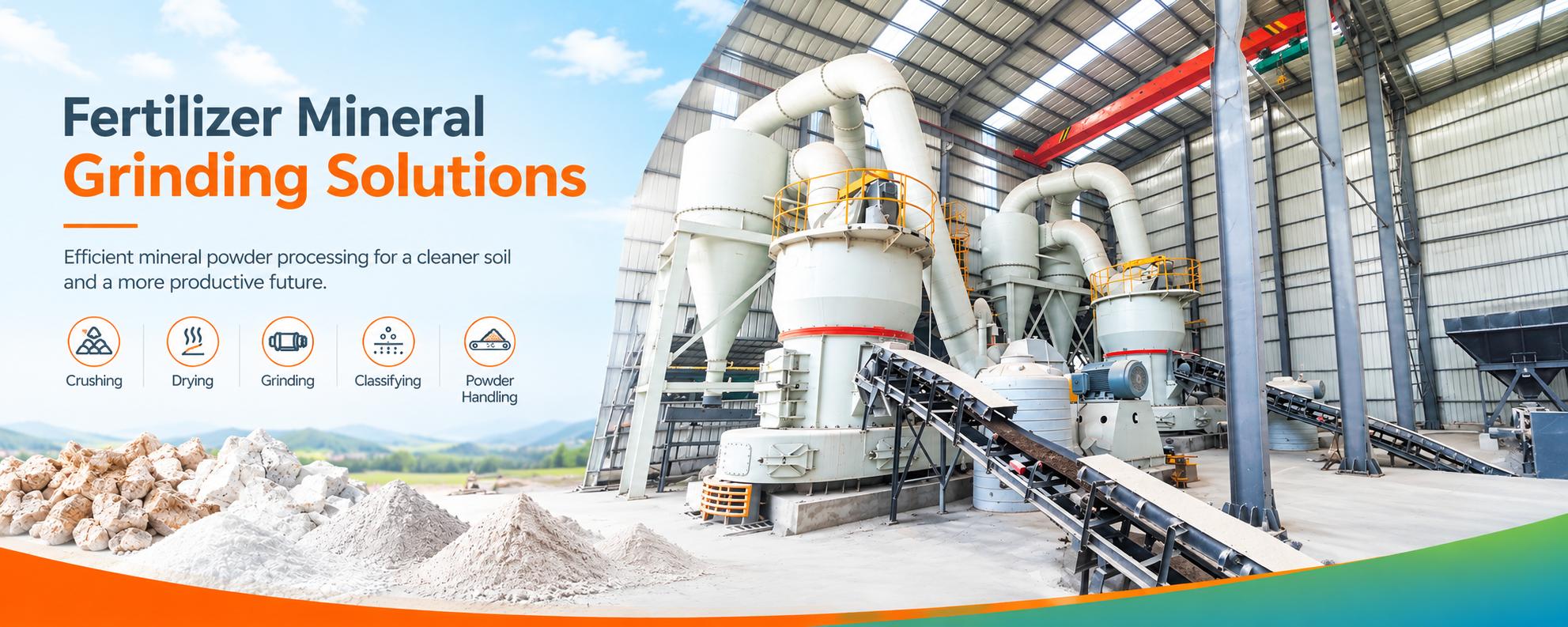
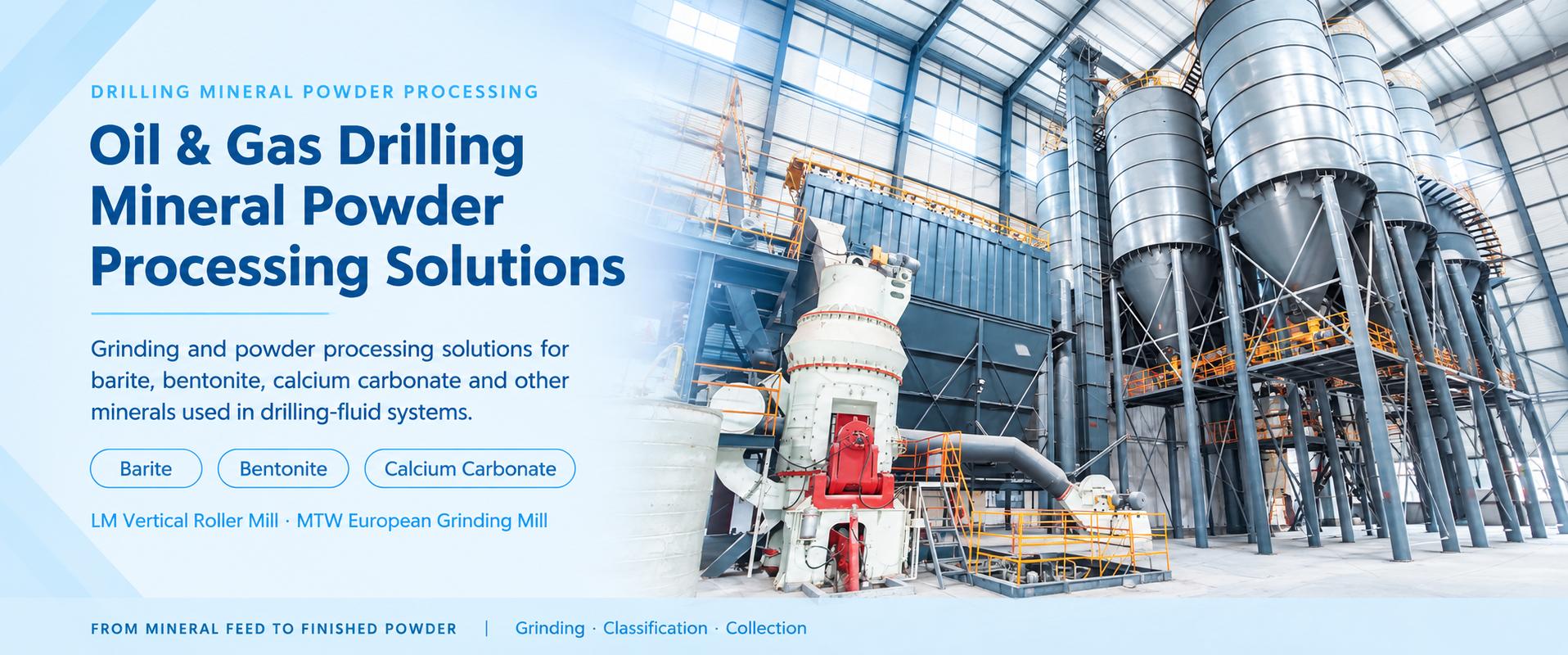
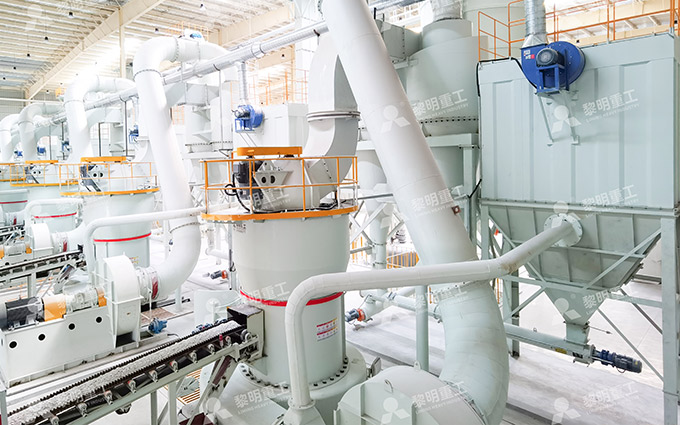
A phosphate rock grinding plant prepares phosphate-bearing mineral feed for downstream fertilizer processing by controlling particle size, moisture, and powder delivery. A typical dry processing system combines crushing, metered feeding, grinding, classification, dust collection, and finished powder storage.
The main design challenge is not simply reducing rock to powder. It is producing a consistent feed that matches the requirements of the next process while keeping energy use, wear, and material handling under control. For a new installation or an expansion, the grinding specification should therefore begin with the fertilizer production route and the characteristics of the actual phosphate rock.
One Mineral, Different Processing Requirements
Phosphate rock powder can serve different purposes, and these should not be treated as interchangeable.
Feed Preparation for Chemical Fertilizer Production
Much of the phosphate rock used in fertilizer production undergoes chemical processing to produce more soluble phosphorus fertilizers. In this application, the grinding plant supplies a prepared mineral feed; it does not replace the downstream chemical conversion stages.
The receiving process should define the required particle size distribution, allowable moisture, and delivery rate. These requirements become the basis for selecting the grinding circuit and its storage and transfer equipment.
Powder for Direct Agricultural Application
Some phosphate rocks can be used directly in agriculture under suitable conditions. However, suitability depends on mineral reactivity, soil conditions, crop requirements, and product quality—not fineness alone. A high total phosphorus content does not necessarily indicate that the phosphorus will become available to plants quickly enough.
Fine grinding can increase contact between phosphate rock and soil, but it cannot reliably turn an inherently low-reactivity rock into a highly effective direct-application product. This distinction should be resolved before investing in additional grinding capacity.
What Should Be Tested Before Selecting the Mill?
A grinding proposal based only on the words “phosphate rock” leaves too many important questions unanswered. Representative material testing helps establish whether the proposed production duty is realistic.
| Material Characteristic | Practical Design Question |
|---|---|
| Feed size distribution | Can the material enter the mill directly, or is a crushing and screening stage required? |
| Normal and maximum moisture | Will covered storage be sufficient, or must the plant include a drying duty? |
| Grindability | What output can be maintained at the required finished fineness? |
| Abrasive mineral content | What wear protection, replacement strategy, and maintenance allowance are appropriate? |
| Chemical composition and impurities | Does the material meet the downstream feed specification, or is additional treatment necessary? |
| Powder flow behavior | How should the collection hopper, conveyors, storage silos, and discharge equipment be configured? |
Where feed comes from several mining areas or suppliers, test more than one sample. The plant should be evaluated against the expected operating range, including difficult material, rather than only the easiest sample to grind.
Keep beneficiation and powder preparation separate in the project scope. Grinding reduces particle size; it should not be assumed to remove unwanted minerals or make an unsuitable chemical composition acceptable.
Inside a Dry Phosphate Rock Grinding Circuit
The production line should maintain a controlled flow from raw rock receiving to finished powder delivery. Each stage supports the stability of the next.
Receiving and Feed Preparation
Raw phosphate rock enters a receiving hopper or covered storage area. Inspection and suitable foreign-object removal help protect downstream machinery. Where the incoming rock exceeds the selected mill’s feed limit, a crusher reduces it to the agreed size.
A buffer bin separates the grinding circuit from short interruptions in crushing or loading. The bin and outlet arrangement should suit the material’s moisture and flow characteristics, with access for inspection and clearing blockages safely.
Controlled Feeding and Moisture Management
A metering feeder supplies the mill at a controllable rate. Stable feeding helps the operator balance grinding load, airflow, and classification rather than repeatedly correcting for feed surges.
If drying is required, determine the duty from the expected moisture range and required product condition. The heat source, gas handling system, temperature controls, and material compatibility must be reviewed together. Wet, sticky feed may also require changes to upstream storage and conveying.
Grinding and Classification
The mill reduces the phosphate rock to powder, and the classifier separates acceptable product from particles requiring further grinding. Coarse material returns to the grinding zone rather than being accepted as finished powder.
The operating objective is a stable particle size distribution at the required output. Classifier settings, feed rate, airflow, and grinding conditions must work together; changing one setting can affect the performance of the complete circuit.
Collection, Storage, and Delivery
The powder collection system separates product from the conveying air. Collected powder then moves to a finished product silo, packing system, or downstream process.
Storage and discharge capacity should match the actual production schedule. If the fertilizer process stops while the grinding plant continues operating, sufficient buffer storage—or an agreed shutdown sequence—is necessary.
Selecting a Liming Heavy Industry Grinding System
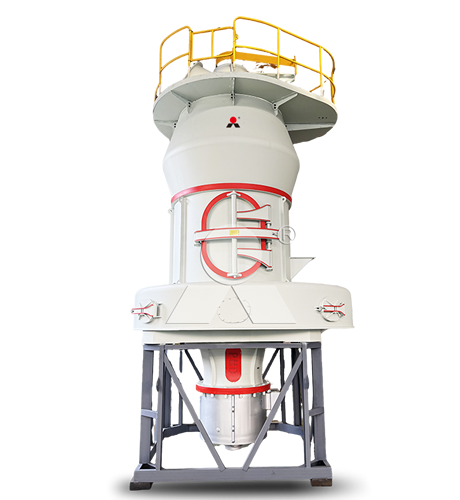
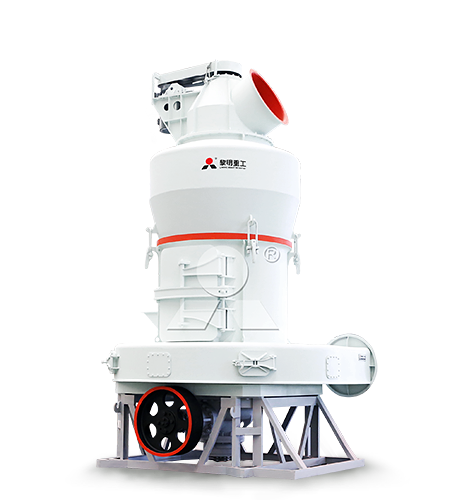
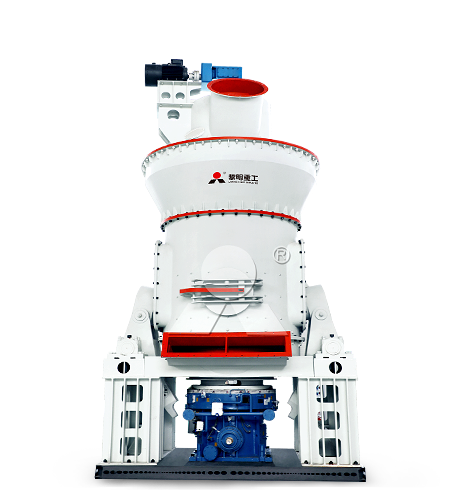
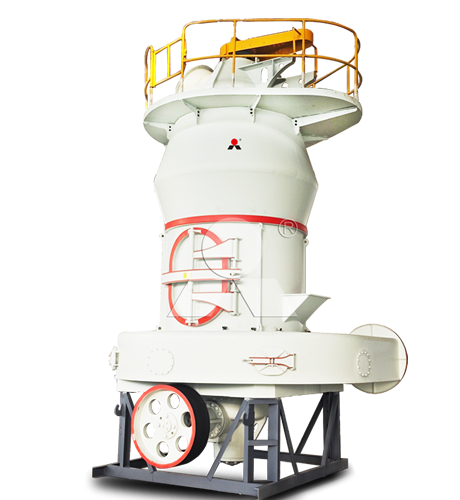
For a phosphate rock project, evaluate the Liming Heavy Industry LM Vertical Grinding Mill and MTW European Trapezium Grinding Mill against the same material and product specification. Neither should be selected solely from a nominal capacity range.
LM Vertical Grinding Mill
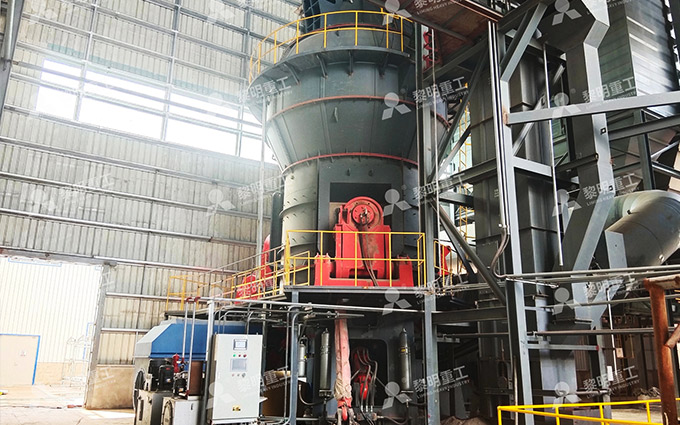
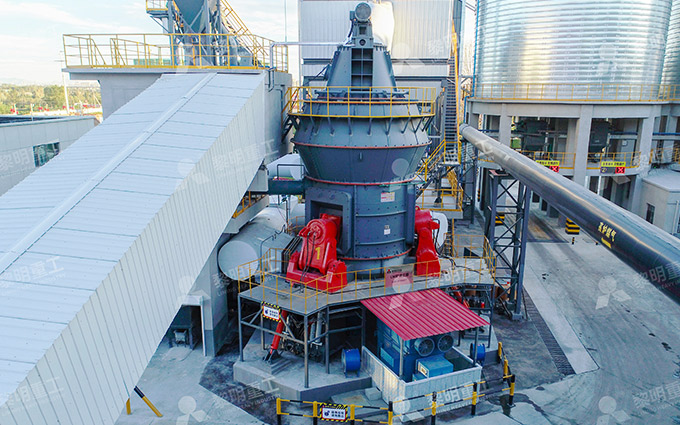
Consider an LM-based proposal where the project requires a coordinated review of continuous grinding, classification, and potential drying requirements. Ask Liming Heavy Industry to confirm the applicable configuration, material suitability, heat balance where relevant, and expected output at the specified fineness.
The layout review should include foundations, equipment height, duct routing, maintenance access, and replacement of major wear components. These details can materially affect installation and long-term serviceability.
MTW European Trapezium Grinding Mill
Consider an MTW-based proposal for a phosphate rock powder line using a pendulum roller grinding arrangement. Confirm its suitability through the actual feed characteristics, required particle size distribution, and target operating schedule.
Pay particular attention to the complete equipment package: feeder, classifier, fan, collection system, conveying equipment, and controls. A well-matched system matters more than selecting the main mill independently.
For either option, request a clear statement of the conditions behind the proposed performance: feed size, moisture, material characteristics, finished fineness, and equipment included in the quoted power demand.
How Fine Should Phosphate Rock Be Ground?
There is no single fineness that suits every phosphate rock fertilizer application. The correct specification depends on the downstream process or, for direct application, the rock’s reactivity and intended agricultural use.
For direct agricultural application, material finer than approximately 0.15 mm is commonly discussed because smaller particles increase contact with soil and can support dissolution. However, this is not a universal production specification or a reason to pursue unlimited fineness.
The commercial target should be fitness for the intended process, not the smallest achievable particle size.
State the required passing percentage as well as the particle size limit.
Identify the sieve standard when specifying fineness in mesh.
Agree on the sampling and testing method before performance acceptance.
Use downstream trials to determine whether additional grinding provides a useful benefit.
Where direct-application products are involved, evaluate reactivity on material representative of the finished product. Particle size can influence measured solubility, so comparisons between differently prepared samples can be misleading.
Four Problems to Resolve Before Construction
Variable raw material
Different deliveries may require different operating settings. Establish feed acceptance limits, representative sampling, and a blending strategy where appropriate.
Wear-related production losses
Evaluate abrasive impurities rather than assuming all phosphate rocks have the same wear behavior. Include inspection access, an initial spare-parts plan, and realistic maintenance allowances.
Dust at transfer and dispatch points
Include receiving, crushing, conveying, silo venting, and bagging in the dust-control scope. Assess worker exposure and environmental requirements using the actual material composition and local rules.
A mismatch with downstream consumption
Agree on powder temperature, moisture, delivery rate, and storage capacity with the receiving process. Define what happens when either the grinding line or downstream plant stops.
Compare Complete Plant Performance, Not Mill Price Alone
A useful investment comparison includes the main mill and all equipment required to produce and deliver accepted powder. Crushing, drying where necessary, collection, silos, electrical systems, foundations, installation, and commissioning should be clearly included or excluded.
Operating estimates should address electricity, drying fuel where applicable, wear parts, collection-system maintenance, labor, and expected downtime. Compare these costs at the same finished powder specification and feed conditions.
Before commissioning, agree on a sustained performance test covering output, particle size distribution, moisture, and the boundaries of energy measurement. The test should demonstrate stable operation of the complete line—not merely a brief period of high mill feed.
Information Needed for a Phosphate Rock Grinding Plant Proposal
Provide Liming Heavy Industry with a representative phosphate rock sample or test report, maximum feed size, moisture range, target particle size distribution, required tonnes per hour, annual operating hours, and downstream fertilizer application.
Include the installation location, available power supply, potential drying fuel, site dimensions, and preferred powder delivery method. These inputs provide a practical basis for comparing LM and MTW grinding configurations and developing a plant scope matched to your phosphate rock and production requirements.