Fertilizer Mineral Grinding Solutions
How Fine Should Phosphate Rock Be Ground for Fertilizer Applications?
2026-10-19 10:41:06
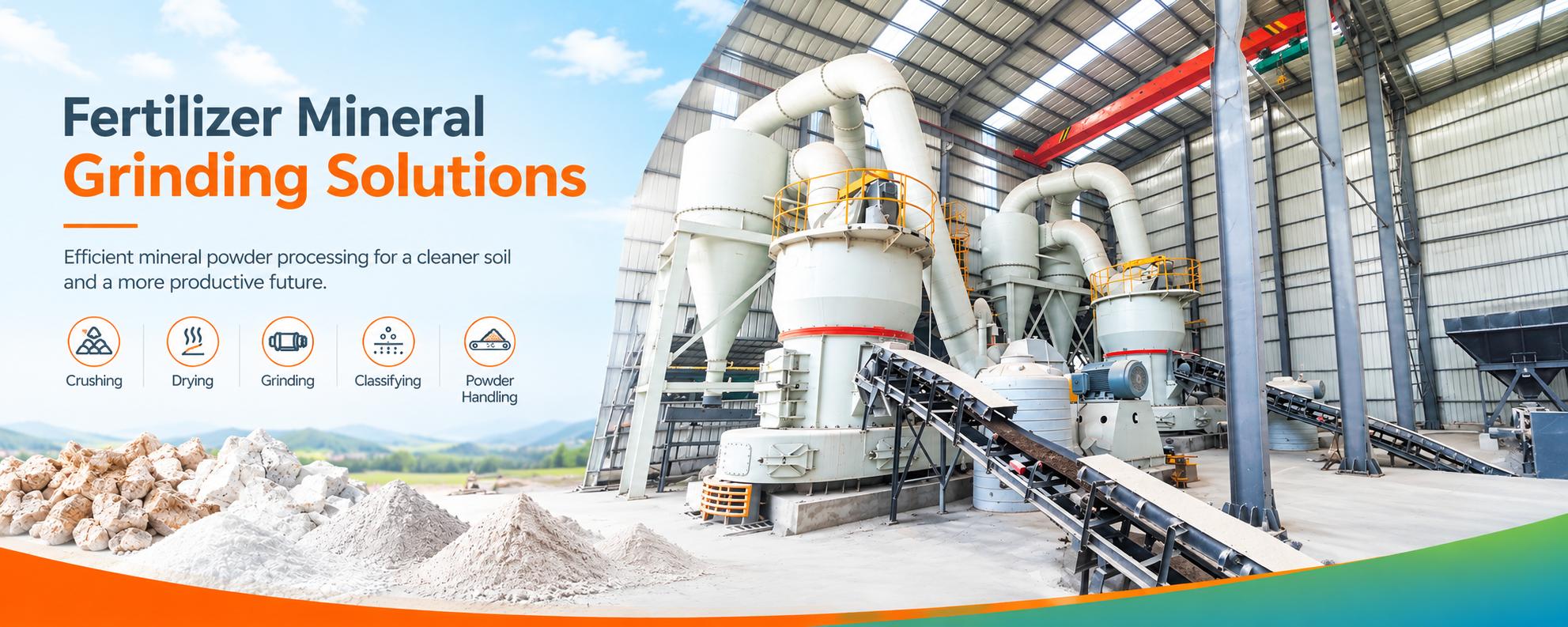
Phosphate rock should be ground to the particle size required by its intended fertilizer application, rather than to a universal mesh specification. For direct agricultural application, particles finer than approximately 150 micrometers are an important reference point. For chemical fertilizer production, the required fineness must match the receiving process; an established industrial example is 60 percent by weight passing a 200-mesh sieve. These specifications describe different applications and should not be treated as interchangeable.
The practical objective is suitability: enough grinding to achieve the required reaction or agricultural performance, without paying for unnecessary size reduction.
A Practical Guide to Phosphate Rock Fineness
| Application | Fineness Reference | How to Use It |
|---|---|---|
| Direct agricultural application | Material finer than approximately 150 micrometers can support greater reactivity and agronomic effectiveness. | Evaluate alongside rock reactivity, soil conditions, crop requirements, and applicable product specifications. Do not interpret this size as a complete product standard. |
| Feed for chemical fertilizer production | One established industrial reference describes powder with 60 percent by weight passing a 200-mesh sieve. | Use only as a process example. Obtain the actual requirement from the receiving fertilizer plant or process designer. |
| Feed for wet-process phosphoric acid production | Historical industrial descriptions include 60–80 percent passing approximately 74 micrometers. | Confirm the required distribution through the specific process design and representative feed testing, rather than adopting this range automatically. |
| Powder entering a blended or granulated product | No single fineness applies to every formulation. | Agree on particle size, moisture, and handling requirements with the downstream producer, and confirm them through product trials. |
These references provide starting points for discussion, not guaranteed operating specifications. A grinding plant should be designed around the actual rock and the powder acceptance criteria agreed for the project.
Why Direct-Application Rock Needs More Than a Fine Grind
For phosphate rock applied directly to soil, reducing particle size increases the surface available for interaction with the surrounding soil environment. Fine particle size, particularly below approximately 0.15 mm, is one factor associated with improved reactivity and agronomic effectiveness. Mineral characteristics remain important, however.
Two phosphate rocks ground to the same particle size can therefore perform differently. Total phosphorus content, mineralogical composition, solubility, and physical properties all contribute to evaluating a material for direct agricultural use.
This distinction matters when deciding whether to install additional grinding capacity. A low-reactivity rock should not be assumed to become an effective direct-application fertilizer simply because it has been ground more finely.
For this application, a useful evaluation sequence is:
Characterize the rock’s composition and reactivity.
Prepare representative samples at several practical fineness levels.
Evaluate their suitability for the intended soil and crop conditions.
Select the fineness that provides a justified performance benefit.
Evaluation can include solubility testing, soil incubation, greenhouse trials, and field assessment. Grinding trials alone do not establish agricultural effectiveness.
Why Chemical Fertilizer Plants May Specify a Different Distribution
When phosphate rock enters an acid-based production process, grinding prepares the mineral for chemical reaction. The required particle size is therefore tied to the receiving process rather than to direct interaction with soil. Industrial processing descriptions explicitly connect size reduction with improved reactivity during acidulation.
The receiving plant should supply a complete feed specification. Asking for “phosphate powder for fertilizer” is not enough to establish the grinding duty.
What proportion of the powder must pass the specified sieve?
Is there a separate limit on coarse particles?
What moisture range is acceptable?
Will the material be delivered as dry powder or prepared for a slurry process?
Which sampling and testing methods will determine acceptance?
A powder specification accepted by one fertilizer facility should not automatically be copied to another. The process owner’s requirements take priority over a generic mesh recommendation.
“200 Mesh” Is Not a Complete Powder Specification
A mesh designation identifies a sieve classification, but it does not state how much material must pass that sieve. A requirement of 60 percent passing is substantially different from a requirement of 95 percent passing, even when both refer to the same sieve opening.
Likewise, a median particle size does not establish the maximum particle size. A powder can have a fine median while still containing a coarse fraction that matters to the receiving process.
For a clear purchasing or equipment specification, record:
The sieve standard or particle size measurement method.
The particle size limit in micrometers where practical.
The required passing percentage by mass for sieve-based specifications.
Any additional coarse-particle limit.
The sampling location, frequency, and sample preparation procedure.
For example, “phosphate rock powder with at least 80 percent by mass passing a 150-micrometer test sieve” is more precise than “fine phosphate powder.” This is an illustration of specification wording, not a recommended fineness for every project.
When Finer Grinding Stops Being the Better Choice
Before moving to a finer target, establish what the additional grinding is expected to achieve. The benefit should be measurable in the downstream process or finished product.
| Question | Evidence to Review |
|---|---|
| Does the finer powder improve the intended result? | Downstream process trials or agricultural evaluation appropriate to the product. |
| Can the plant maintain the required output? | Grinding trials using representative phosphate rock at the proposed fineness. |
| Is the additional operating cost justified? | Measured energy demand, wear allowance, production rate, and accepted product output. |
| Can the powder still be stored and delivered reliably? | Flow testing and review of collection, conveying, silo discharge, and packing arrangements. |
Do not approve a finer specification solely because it sounds like a higher-quality product. Compare the resulting benefit with the full cost and operational consequences of producing it.
Match the Liming Heavy Industry Grinding System to the Agreed Target
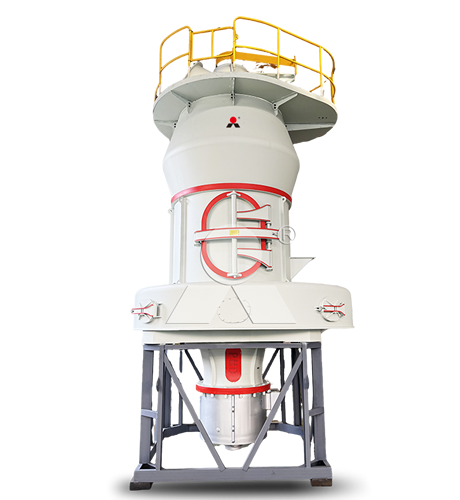
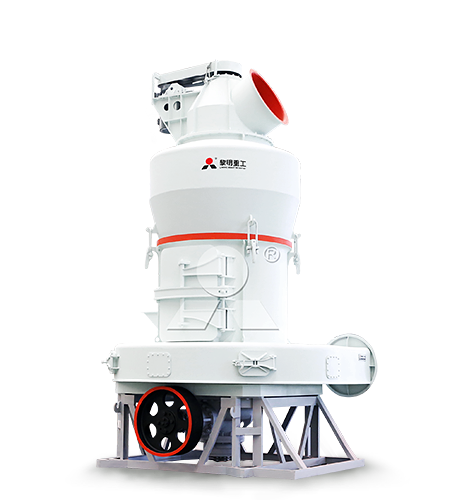
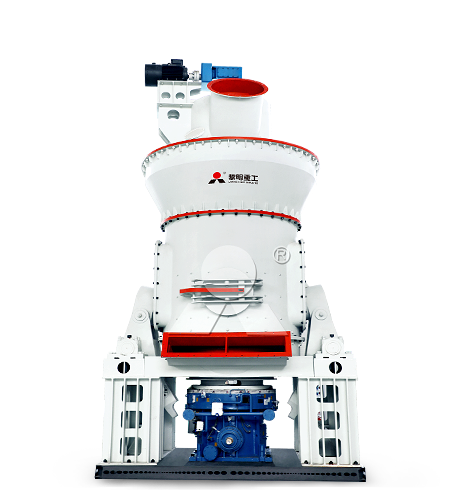
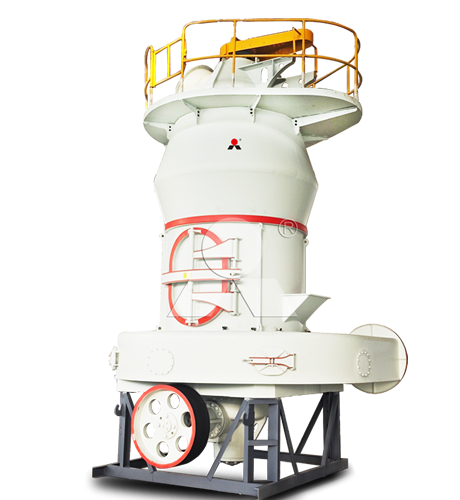
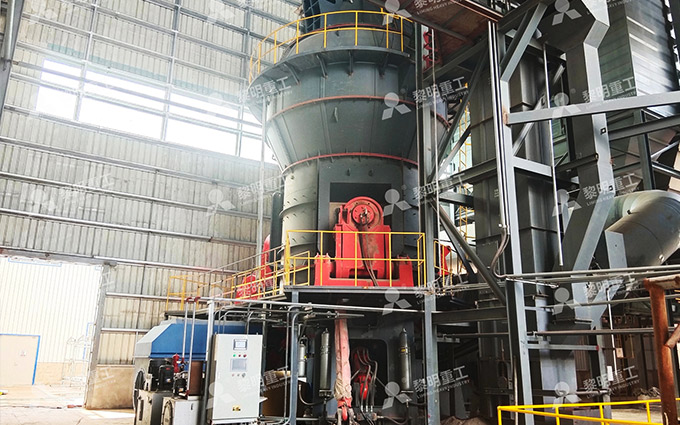
Once the product specification is established, evaluate suitable Liming Heavy Industry LM Vertical Grinding Mill and MTW European Trapezium Grinding Mill configurations. Request a material-specific assessment rather than selecting a mill from fineness capability alone.
The equipment comparison should use the same feed sample, feed moisture, target particle size distribution, and required hourly output. Ask each proposed configuration to address the complete grinding circuit, including feeding, classification, airflow, powder collection, and finished material transfer.
For an LM Vertical Grinding Mill Proposal
Request confirmation of the applicable model and configuration, expected output at the agreed fineness, and any proposed drying duty. Review the installation dimensions, utility requirements, and maintenance access before finalizing the layout.
For an MTW European Trapezium Grinding Mill Proposal
Request confirmation of suitability for the phosphate rock sample, the achievable particle size distribution, and the supporting classifier and collection arrangement. Include wear-part inspection and replacement requirements in the operating review.
For either system, the central question is the same: can the complete plant continuously produce accepted powder from the expected feed—not simply produce a fine sample during a short test?
Use a Fineness Trial to Make the Final Decision
Where the final target remains uncertain, prepare several powder grades from the same representative phosphate rock. Keep the test conditions and measurement methods consistent so that the results can be compared meaningfully.
Agree on a small number of candidate particle size distributions with the receiving process owner.
Produce and sample each grade under recorded grinding conditions.
Measure the complete agreed powder specification, including moisture where relevant.
Evaluate each grade in the intended fertilizer process or agricultural assessment.
Select the least demanding grinding specification that consistently meets the required performance.
Record that specification in the equipment proposal and commissioning acceptance procedure. This turns an ambiguous request for “fine phosphate rock” into a measurable production duty and gives the project a sound basis for mill selection, operating-cost comparison, and quality control.