Fertilizer Mineral Grinding Solutions
Limestone Powder Processing for Fertilizer and Soil Amendment Materials
2026-10-19 10:41:57
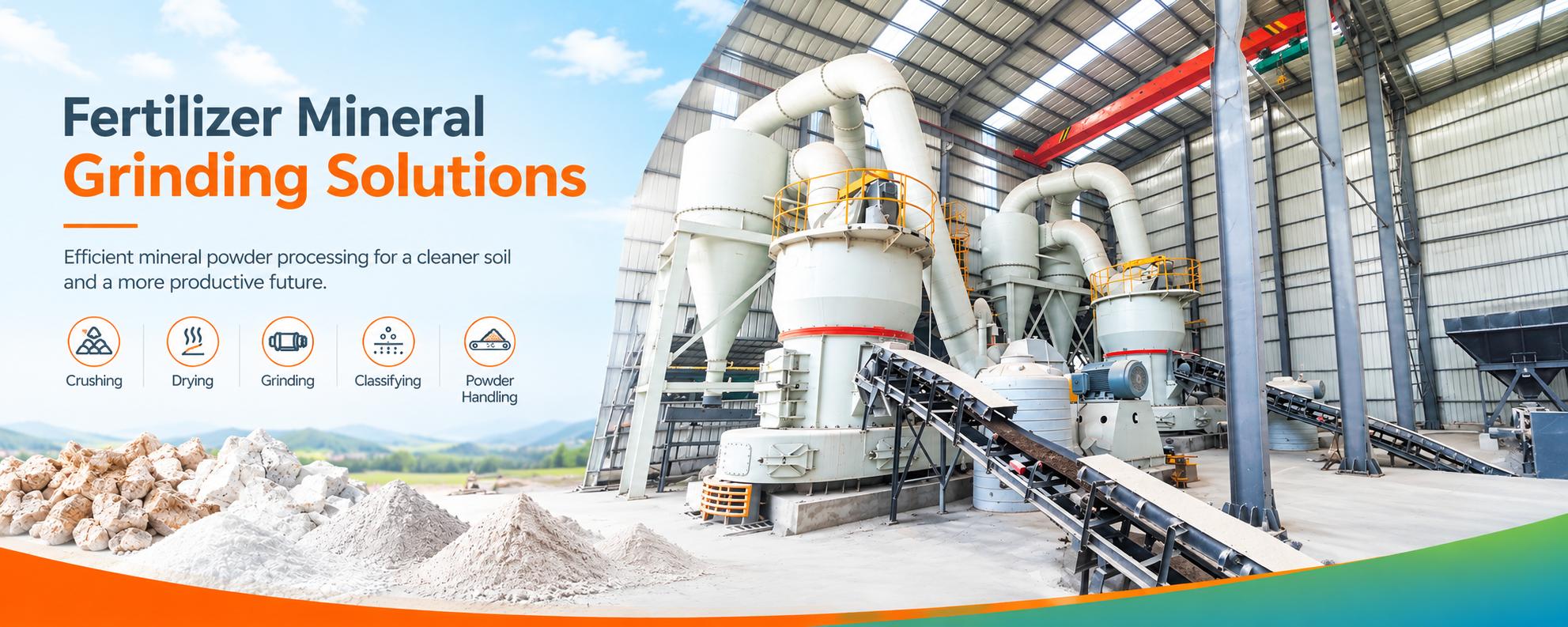
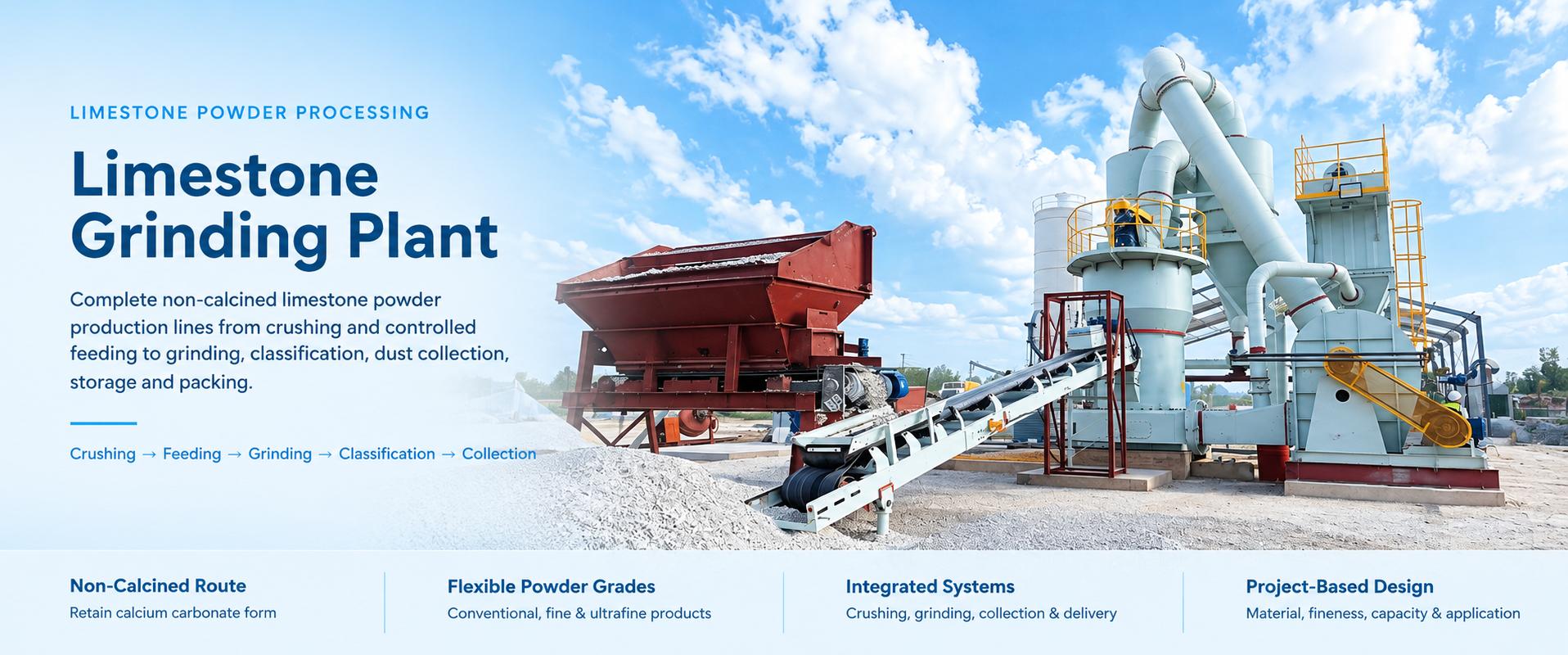
Limestone powder processing converts suitable limestone into a controlled mineral product for agricultural liming, soil amendment formulations, and selected fertilizer manufacturing applications. A practical production line combines feed preparation, grinding, classification, powder collection, and storage or packing, with drying included where feed moisture requires it.
The finished product should be defined by its intended use—not simply by a mesh number. For agricultural limestone, acid-neutralizing capacity and particle size are central quality characteristics, while calcium, magnesium, and moisture content also matter.
Define the Product Before Designing the Processing Line
A producer selling ground agricultural limestone needs a different product specification from a supplier preparing powder for a downstream formulation or pelletizing plant. Establishing that distinction early prevents unnecessary grinding and avoids gaps between equipment performance and customer acceptance.
| Intended Product | Primary Design Focus | What to Confirm with the Customer |
|---|---|---|
| Ground agricultural limestone | Neutralizing value, sieve distribution, moisture, and practical handling. | Required product grade, local labeling requirements, delivery method, and spreading arrangements. |
| Limestone powder for a soil amendment formulation | Consistent composition and particle size within an agreed formulation. | Calcium and magnesium requirements, impurity limits, and compatibility with other ingredients. |
| Feed powder for pelletized limestone | Powder suitable for the receiving agglomeration process. | Particle size distribution, moisture range, binder system, and trial acceptance criteria. |
| Limestone powder for a fertilizer manufacturing process | Suitability for the specific receiving process. | Approved formulation role, chemical compatibility, fineness, moisture, and delivery rate. |
Limestone should not be presented as a universally interchangeable fertilizer ingredient. Before designing a powder line for a fertilizer producer, obtain the receiving plant’s material specification and confirm the proposed application through its formulation or process team.
What Limestone Does in Agricultural Soil
Ground agricultural limestone is used primarily to neutralize soil acidity and raise soil pH where liming is required. Calcitic materials provide calcium, while dolomitic materials also supply magnesium. Choosing between them should reflect the soil’s needs rather than assuming that a higher magnesium content is always preferable.
Agricultural limestone is also different from gypsum. Although both can supply calcium, gypsum is not an agricultural liming material and should not be treated as an equivalent product for neutralizing soil acidity.
Ground limestone must likewise be distinguished from quicklime and hydrated lime. A limestone grinding plant produces a ground carbonate material; it does not become a lime calcination plant merely by producing a finer powder.
Understand the Difference Between Neutralizing Capacity and Fineness
The key relationship is capacity versus reaction speed.
Calcium carbonate equivalent, commonly called CCE, expresses a material’s acid-neutralizing ability relative to pure calcium carbonate. Fineness influences how quickly the material reacts in soil. Two limestone products can have similar CCE values but different reaction rates because their particle size distributions differ.
What Grinding Can Improve
Grinding increases the surface area available for contact with soil. Finer particles generally react faster when moisture and soil contact are adequate. This makes particle size control an important part of producing a consistent agricultural limestone product.
What Grinding Cannot Correct
Grinding should not be expected to compensate for unsuitable chemistry. If the rock contains substantial non-neutralizing material, reducing particle size does not remove that material. Raw material qualification and finished powder testing therefore remain necessary alongside mill performance checks.
For product acceptance, keep chemical quality and physical grading as separate requirements. A powder can meet its fineness target while failing its neutralizing-value specification, or meet its chemical requirement while containing too much coarse material.
How Fine Should Agricultural Limestone Be?
There is no single fineness requirement for every agricultural limestone market. Specify the required distribution using the applicable local standard and the customer’s product requirements.
As one practical agricultural reference, a product with at least 95 percent passing a 20-mesh sieve, 60 percent passing a 60-mesh sieve, and 50 percent passing a 100-mesh sieve is described as generally adequate. This is a graded agricultural limestone example—not a universal specification and not a requirement for ultrafine powder.
That distinction matters when selecting equipment. A producer should not automatically specify 200-mesh or 325-mesh powder simply because the mill can produce it. First establish whether the additional grinding is required by the intended product.
State the sieve standard and required passing percentages.
Include a coarse-particle limit where the product specification requires one.
Agree on the moisture condition used for testing.
Use a representative composite sample rather than a single convenient grab sample.
Confirm that the proposed powder remains suitable for storage, transport, and application.
From Quarry Feed to Finished Limestone Powder
A typical dry processing route is:
Raw limestone receiving → inspection and foreign-object removal → crushing where required → covered buffer storage → metered feeding → grinding and classification → powder collection → finished storage → bulk loading, bagging, or downstream transfer.
Prepare a Consistent Feed
The crusher and feeder should deliver material within the selected mill’s permitted feed conditions. Avoid designing the system around average lump size alone; occasional oversized pieces and wet, sticky deliveries also need to be considered.
A buffer bin helps separate grinding operation from short interruptions in quarry loading or crushing. Its capacity and discharge arrangement should reflect the production schedule and material flow behavior.
Assess Moisture Before Adding Drying Equipment
Measure normal and maximum feed moisture, including seasonal variation. Where drying is necessary, evaluate the moisture load, available heat source, required product condition, and exhaust handling together.
Do not assume that adding hot air resolves every wet-feed problem. Receiving hoppers, conveyors, and feeders must also handle the incoming material reliably.
Control Classification and Product Collection
The classifier determines which particles leave the circuit as product and which return for further grinding. Its operating settings should be coordinated with feed rate, airflow, and mill conditions.
Collection and discharge equipment must match the production duty. Restricted collector discharge or an undersized finished powder conveyor can limit output even when the mill itself has adequate capacity.
Liming Heavy Industry Grinding Mill Options
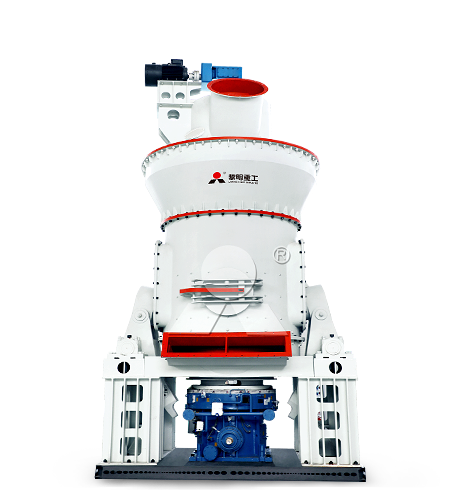
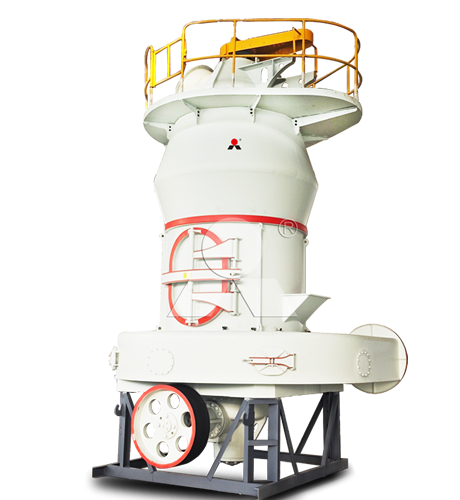
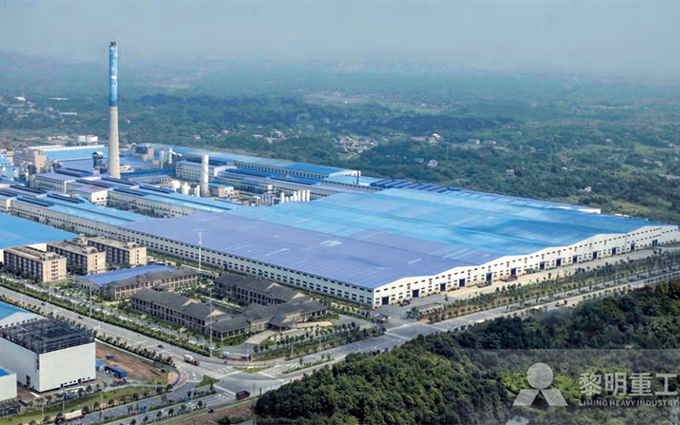
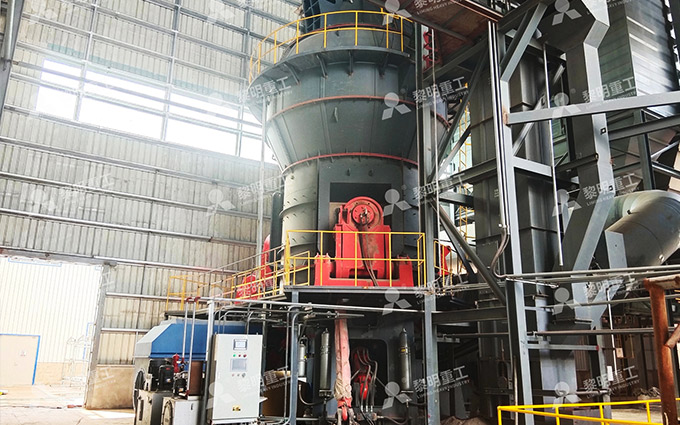
Liming Heavy Industry identifies the LM Vertical Grinding Mill and MTW European Trapezium Grinding Mill as principal equipment options for limestone grinding. Evaluate the appropriate configuration against the actual feed and finished product requirements.
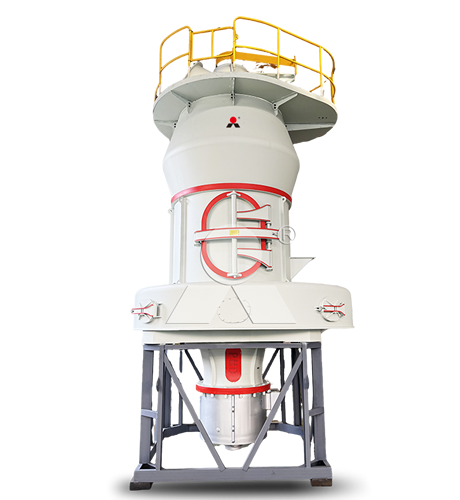
LM Vertical Grinding Mill
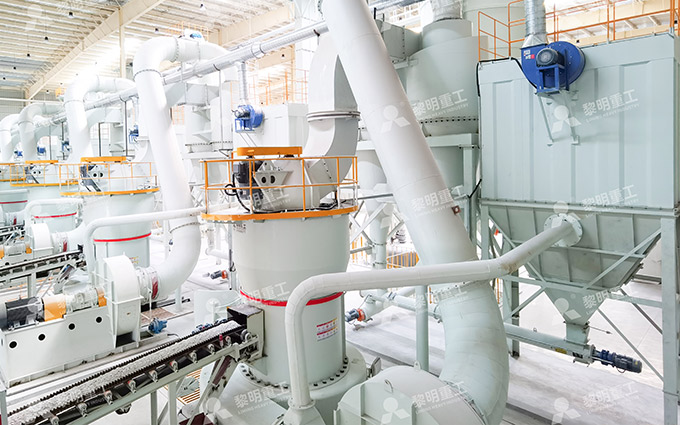
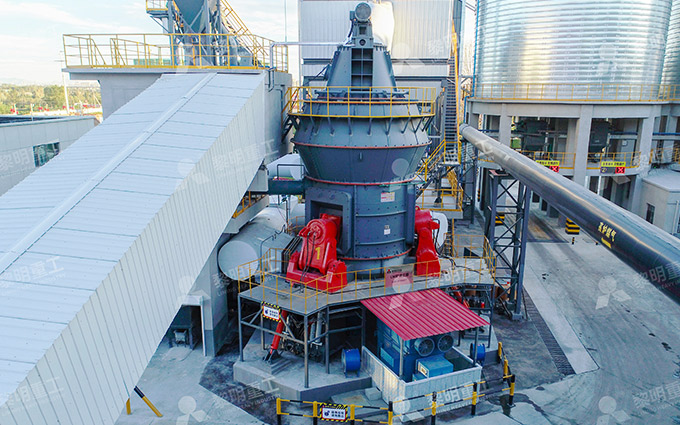
The LM Vertical Grinding Mill integrates grinding, classification, drying, and conveying functions in a coordinated system. For a limestone project, the proposed drying duty and output should still be verified against feed moisture and the required powder specification.
Request a project-specific review covering the selected model, expected production rate, utility demand, equipment height, duct arrangement, foundations, and maintenance access.
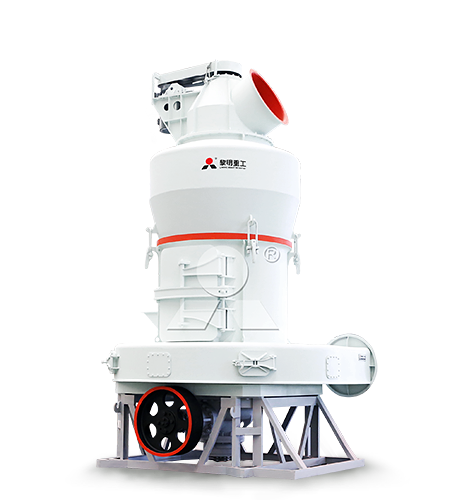
MTW European Trapezium Grinding Mill
The MTW European Trapezium Grinding Mill is another Liming Heavy Industry option for limestone powder production. Its selection should be based on the agreed feed conditions, required fineness, and output rather than a generic capacity figure.
Review the complete package, including feeding, classification, fan, collector, controls, and finished powder transfer. Where several product grades are planned, ask how operating settings, changeovers, and product segregation will be managed.
Powder Supply and Pelletized Products Need Different Plant Boundaries
If the finished product is loose powder, the project must address bulk loading or bagging, dust containment, storage conditions, and dispatch capacity.
If the powder will enter a pelletizing plant, the grinding section should be designed around the receiving process. Agree on powder fineness, moisture, feed consistency, and the required buffer between grinding and pelletizing before equipment procurement.
The grinding plant supplies prepared limestone powder. Agglomeration, drying or curing where applicable, screening, product recycling, and final packing belong to additional process stages and should be identified separately in the project scope.
Build Quality Control Around the Product You Sell
A practical quality plan connects raw material acceptance, production control, and dispatch testing.
| Control Point | Recommended Check | Purpose |
|---|---|---|
| Raw material receiving | Source identification, representative chemistry, moisture, and feed size. | Detect material changes before they affect production or product quality. |
| Grinding circuit | Feed rate, operating stability, and scheduled particle size testing. | Maintain the agreed powder grade. |
| Finished product storage | Product identity, moisture where specified, and segregation. | Prevent unintended mixing and protect accepted material. |
| Dispatch | Required chemical and physical acceptance results, batch identification, and net weight. | Provide a traceable product that matches the sales specification. |
Where the market uses an effective neutralizing-value classification, confirm the applicable testing and reporting rules before defining the product grade. Do not assume that a commercial description used in one region satisfies another region’s requirements.
Prepare a Processing Proposal Around Your Limestone and Market
For a practical plant configuration, provide Liming Heavy Industry with the limestone source, representative analysis, CCE where available, calcium and magnesium content, maximum feed size, moisture range, required sieve distribution, and target hourly output.
Also identify whether the product will be sold as agricultural limestone, supplied to a formulation plant, or transferred to pelletizing equipment. Site dimensions, power supply, operating hours, storage requirements, and dispatch method complete the basis for comparing suitable LM and MTW grinding systems.
Defining these conditions before equipment selection helps keep the project focused on a saleable, consistently specified limestone product rather than unnecessary fineness or nominal mill capacity.