Fertilizer Mineral Grinding Solutions
Gypsum Powder Processing Plant for Fertilizer Applications
2026-10-19 10:44:59
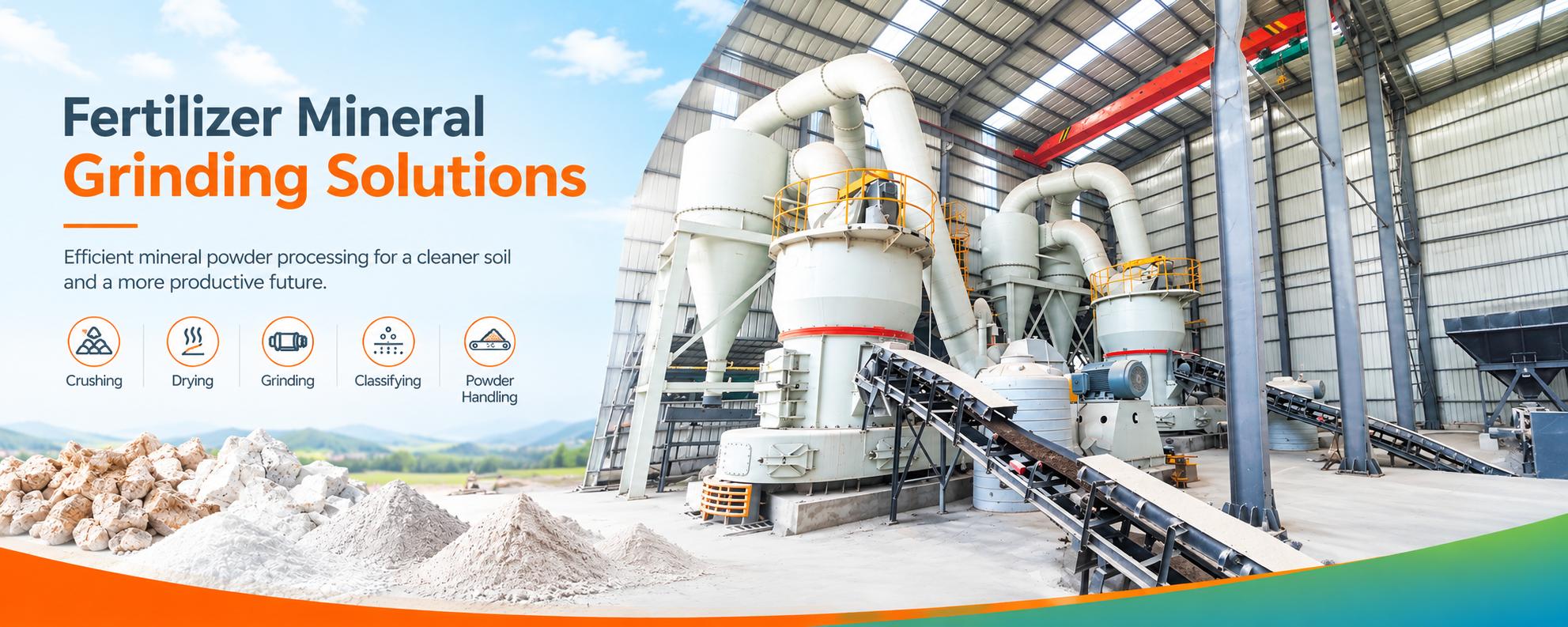
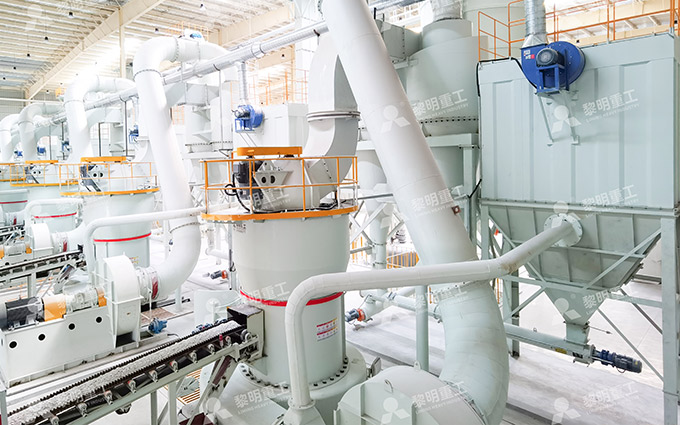
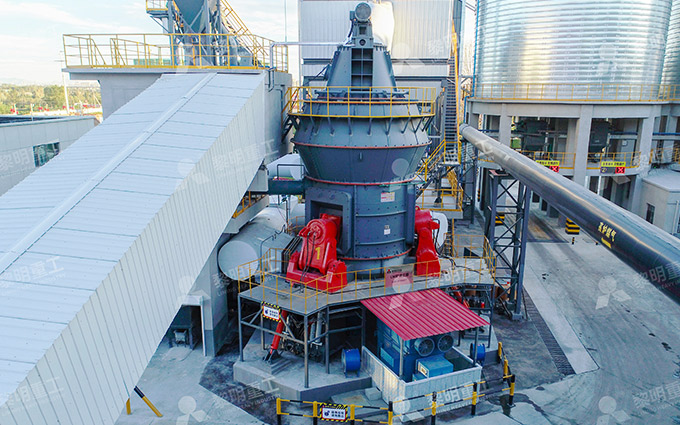
A gypsum powder processing plant prepares qualified gypsum into a controlled mineral ingredient for calcium and sulfur products, soil amendments, and selected fertilizer formulations. The processing line normally includes feed preparation, grinding, classification, powder collection, and finished material handling. Drying is added only where the incoming moisture and product requirements justify it.
The most important distinction is that agricultural gypsum processing is not automatically a plaster manufacturing process. A plant intended to supply ground gypsum should preserve the required mineral condition rather than unintentionally converting the material through excessive heating.
What Product Will the Plant Supply?
Gypsum supplies calcium and sulfur for plant nutrition. It may also serve specific soil amendment purposes, but pure gypsum is not a liming agent and should not be sold as a direct substitute for agricultural limestone when the objective is to raise soil pH.
Before selecting equipment, identify which of the following products the project will produce:
Ground gypsum supplied as an agricultural mineral product.
Gypsum powder delivered to a fertilizer formulation or blending plant.
Prepared powder supplied to a separate granulation or pelletizing process.
A gypsum-containing soil amendment manufactured to an agreed composition and physical specification.
Each route creates different acceptance requirements. A powder suitable for a downstream granulation trial may not be the most practical product for direct field spreading, while a broadly graded agricultural material may not meet a formulation plant’s powder specification.
Qualify the Gypsum Before Designing the Grinding Circuit
Gypsum can come from natural deposits or industrial by-product streams. These materials should not be considered interchangeable simply because they contain calcium sulfate. Their moisture, mineral composition, impurities, and trace-element content can differ.
| Feed Material | Initial Evaluation | Processing Implication |
|---|---|---|
| Natural gypsum rock | Confirm gypsum content, associated minerals, moisture, lump size, and agricultural suitability. | May require crushing before grinding, depending on the selected mill’s feed limits. |
| Qualified industrial by-product gypsum | Confirm the production source, batch consistency, free moisture, soluble constituents, and relevant contaminants. | May require dewatering, drying, or different feeding arrangements rather than conventional rock crushing. |
| Phosphogypsum | Establish legal eligibility and material-specific environmental and quality acceptance before equipment selection. | Do not assume that grinding alone makes the material suitable for agricultural use. |
Phosphogypsum requires particular caution because it can contain residual acidity, fluorine-bearing impurities, trace metals, and naturally occurring radionuclides. Its suitability depends on the specific material, treatment history, proposed use, and applicable regulations—not just its gypsum content.
Keep unqualified material outside the approved production stream. A grinding plant reduces particle size; it does not inherently remove dissolved salts, trace metals, or radionuclides.
Drying and Calcination Are Different Duties
For this application, the central temperature-control objective is preservation of the required gypsum product.
Gypsum contains water within its crystal structure as well as potentially carrying free moisture on particle surfaces. Agricultural gypsum processing should distinguish removing excess free moisture from changing the hydrated mineral through calcination. Gypsum’s hydrated mineral identity is an important part of its characterization.
If a drying system is proposed, ask the equipment supplier to define:
The normal and maximum incoming free-moisture content.
The required finished free-moisture range.
The proposed heat source and operating temperature controls.
How material condition will be checked during commissioning.
The response to low feed rate, interrupted feeding, or abnormal temperature.
Do not adopt a construction-plaster process simply because it also handles gypsum. The required agricultural material, operating conditions, and acceptance tests should determine the plant configuration.
A Practical Process Flow for Ground Gypsum
For qualified natural gypsum rock, a typical dry processing route is:
Receiving and inspection → foreign-object removal → crushing where required → covered buffer storage → controlled feeding → grinding and classification → powder collection → finished storage → packing or downstream transfer.
For a damp by-product feed, the front end may instead require dewatering, conditioning, or drying. That decision should follow material testing rather than being copied from a rock-processing layout.
Receiving and Feed Preparation
Provide a receiving area that allows inspection, sampling, and separation of nonconforming deliveries. Where crushing is necessary, define both the maximum mill feed size and the expected crusher discharge distribution.
Review wet-material behavior early. A mill cannot maintain stable production if the receiving hopper or feeder repeatedly bridges or discharges in large surges.
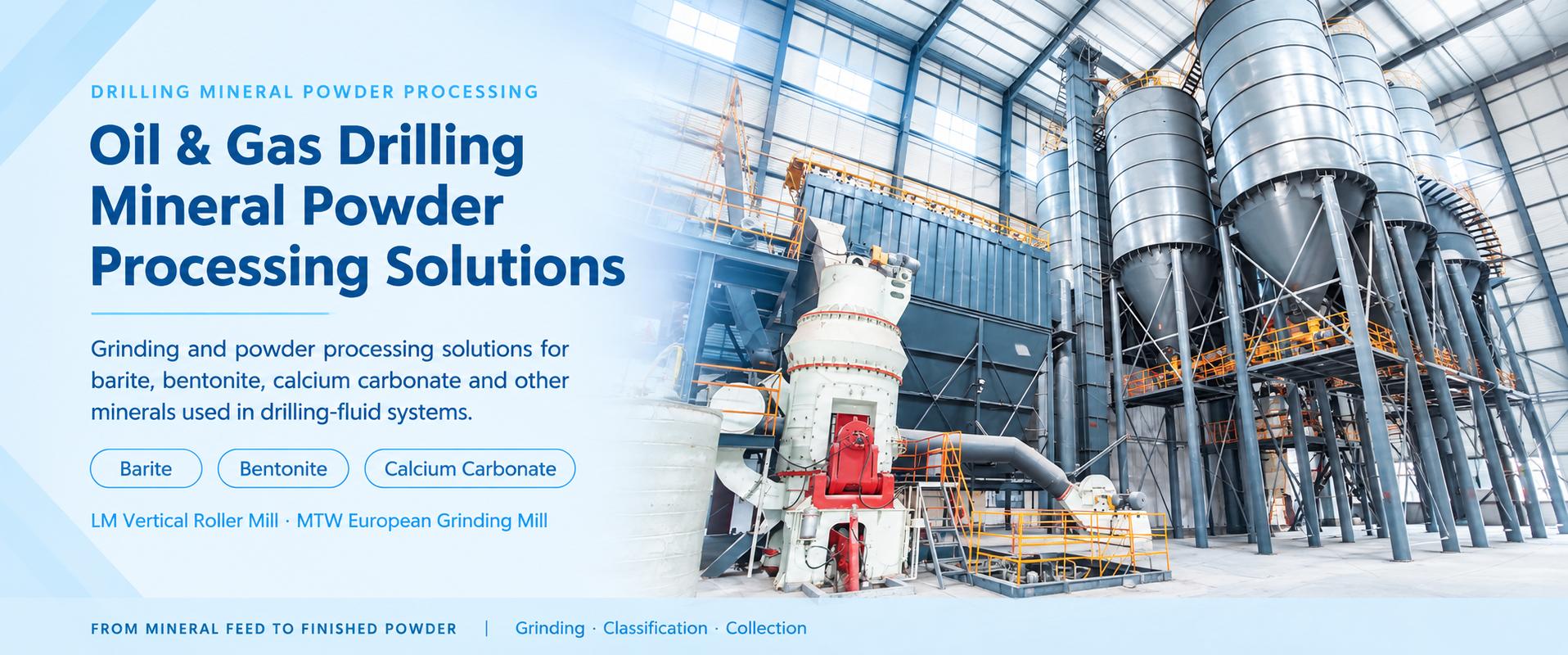
Grinding and Classification
Metered feeding supplies the grinding circuit at a controllable rate. The classifier separates acceptable powder from particles requiring further grinding, allowing the circuit to work toward the agreed product distribution.
Feed rate, airflow, classifier setting, and grinding conditions should be adjusted as a coordinated system. Increasing feed without checking finished powder quality is not a reliable way to demonstrate useful plant output.
Collection and Finished Handling
The collection system separates powder from the conveying air and discharges it into the finished handling system. Size the conveyors, silo outlets, and packing equipment for the intended production rate and operating schedule.
If the powder feeds a fertilizer plant directly, agree on the transfer interface before finalizing the layout. Include delivery rate, moisture, temperature, buffer storage, and the operating sequence when either plant stops.
How Fine Should Gypsum Powder Be?
There is no single fineness specification for every fertilizer or agricultural gypsum product. The appropriate target depends on whether the material will be spread directly, incorporated into a formulation, or agglomerated into a larger product.
| Application | Fineness Decision | Validation Method |
|---|---|---|
| Direct agricultural supply | Balance the required product grade with storage, transport, dust management, and spreading arrangements. | Agreed sieve analysis and practical handling assessment. |
| Fertilizer formulation ingredient | Follow the receiving producer’s physical and chemical specification. | Representative formulation and process trials. |
| Feed for granulation or pelletizing | Match the receiving agglomeration process rather than specifying maximum fineness. | Trials using the intended powder, binder system, and operating conditions. |
Specify the required passing percentage as well as the particle size limit. “200 mesh gypsum” leaves uncertainty unless the sieve standard, passing requirement, moisture condition, and testing method are also defined.
Where the final requirement is unclear, test several practical powder grades. Select the least demanding grinding specification that consistently meets the receiving process or product requirements.
Selecting a Liming Heavy Industry Grinding Mill
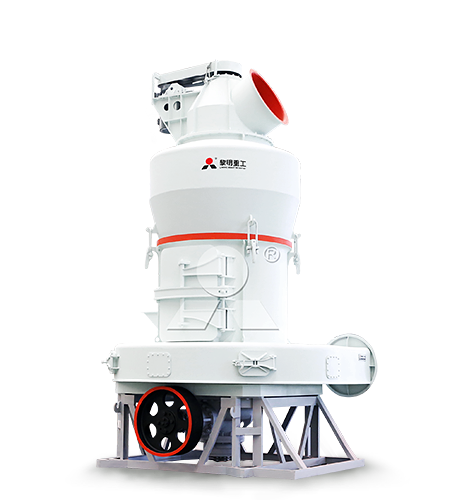
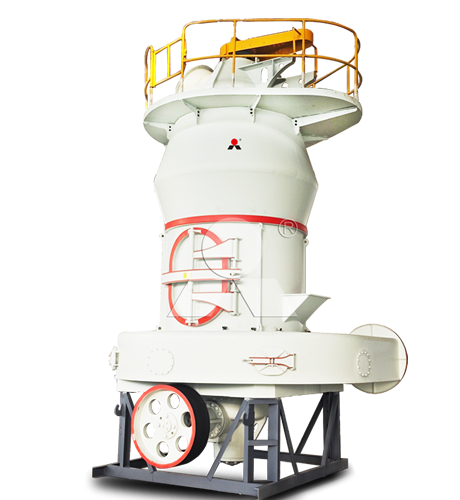
For a gypsum powder project, evaluate suitable Liming Heavy Industry grinding equipment against the actual feed and finished product specification. The MTW European Trapezium Grinding Mill explicitly lists gypsum among its applicable materials, subject to the manufacturer’s feed conditions.
MTW European Trapezium Grinding Mill
Request an MTW proposal where a pendulum roller grinding arrangement is being considered for qualified gypsum feed. Confirm the selected model, permitted feed size and moisture, required fineness, and expected production rate.
Include the feeder, classifier, fan, powder collection equipment, controls, and discharge system in the scope review. A main-mill quotation alone does not define a complete operating plant.
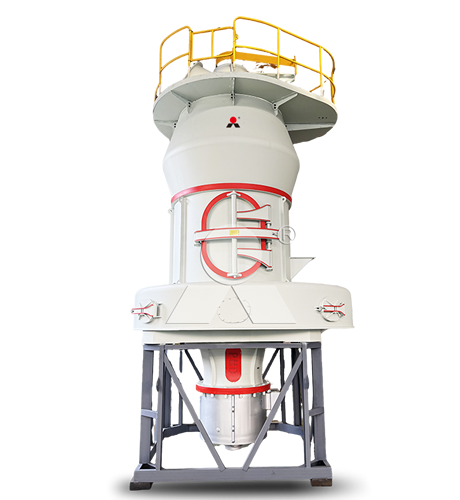
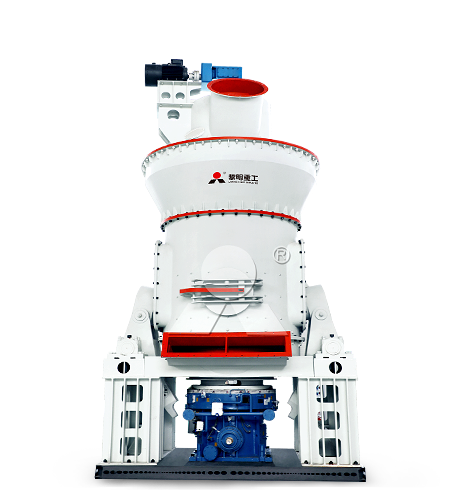
LM Vertical Grinding Mill
Where the project team is considering an LM Vertical Grinding Mill, request a material-specific assessment from Liming Heavy Industry. The review should establish whether the proposed configuration suits the gypsum feed, moisture duty, required product condition, and target output.
Do not transfer performance figures from limestone or another mineral directly to gypsum. Ask for the feed conditions and testing basis behind every proposed capacity commitment.
Control Quality Beyond Particle Size
A gypsum powder can meet its sieve requirement and still fail the customer’s chemical, moisture, or contamination limits. Establish a quality plan that connects incoming feed approval with finished product acceptance.
Confirm gypsum identity and the agreed purity or composition requirements.
Report calcium and sulfur on a clearly stated analytical basis.
Distinguish free-moisture testing from measurements that include structural water.
Test particle size using the agreed method and representative sampling.
Apply source-specific impurity and contaminant checks.
Maintain traceability between deliveries, production batches, and dispatch records.
Source-specific testing matters because natural and synthetic gypsum products can contain other mineral compounds and different trace-element concentrations. Product qualification should therefore be based on the actual supply, not a generic gypsum description.
Define the Complete Plant Scope Before Requesting a Price
A comparable quotation should identify what is included in receiving, crushing, moisture management, grinding, classification, collection, storage, and dispatch. Add foundations, electrical installation, controls, utilities, commissioning, and initial spare parts to the project budget.
For a configuration proposal, provide Liming Heavy Industry with the gypsum source, representative analysis, feed size distribution, normal and maximum free moisture, required powder specification, hourly output, annual operating schedule, and intended fertilizer application.
Include site dimensions, power availability, potential drying fuel, and the required connection to downstream equipment. These details allow the plant to be designed around accepted agricultural gypsum powder—not merely around the nominal capacity of a grinding mill.