Powder Processing for Activated Carbon
Activated Carbon Manufacturing Process: From Raw Material to Finished Product
2026-09-15 14:43:30
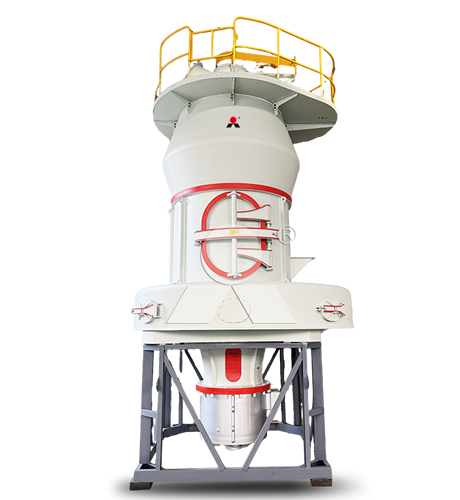
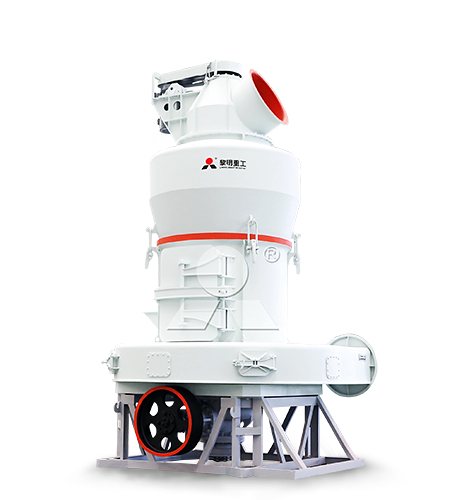
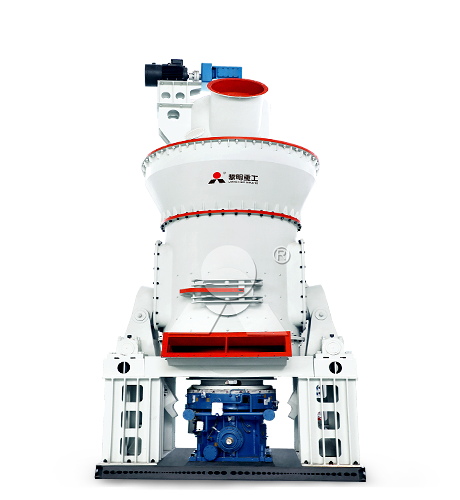
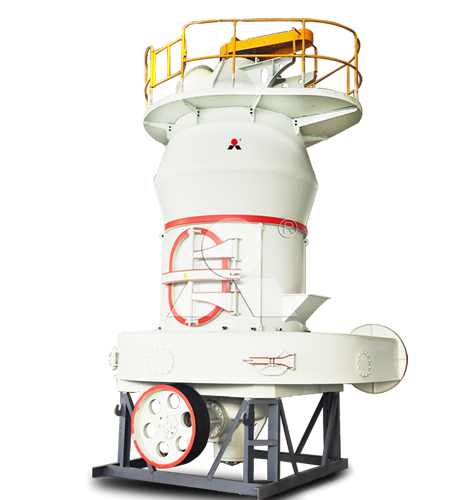
We are Liming Heavy Industry, a manufacturer of various types of industrial crushers, such as Raymond Mill, Trapezoidal Mill, Vertical Mill, Ultrafine Mill, Ball Mill, etc.
Our mills can process the following minerals:
limestone, quicklime, kaolin, talc, barite, bentonite, calcium carbonate, dolomite, coal, gypsum, clay, carbon black, slag, cement raw materials, cement clinker, etc.
If you need a mill to process stone or minerals into powder, please feel free to contact me (WhatsApp: +8615333807511). Thank you.
Activated carbon is a highly porous adsorbent material used in water purification, air treatment, solvent recovery, food processing, gold recovery, chemical production, and many other industrial applications. Its performance depends not only on the carbon source, but also on how carefully the material is prepared, carbonized, activated, cleaned, classified, and packed.
A complete activated carbon plant transforms carbon-containing feedstock into a product with controlled pore structure, particle size, hardness, moisture content, ash level, and adsorption capacity. Coconut shell, coal, wood, sawdust, peat, petroleum coke, and agricultural residues can all be used as feedstock, but each material requires an appropriate process route.
1. Raw Material Selection and Receiving
The manufacturing process begins with the selection of carbonaceous raw materials. The feedstock has a direct influence on the final activated carbon structure and its intended application.
Coconut shells are commonly selected for hard granular activated carbon with a high proportion of micropores, making the product suitable for water purification and gold recovery. Coal-based materials can produce activated carbon with balanced micropore, mesopore, and macropore structures. Wood and sawdust are often used where larger pores and faster adsorption of larger molecules are required.
Before entering the production line, incoming material should be inspected for moisture, ash, foreign matter, particle-size distribution, and consistency. Stable feed quality helps maintain stable furnace operation and reduces variation in the final product.
2. Crushing, Grinding, and Size Preparation
Most raw materials require size reduction before thermal treatment. Crushing breaks large feedstock into manageable particles, while grinding creates a more uniform powder or fine material for subsequent mixing, briquetting, granulation, or direct carbonization.
For coal-based activated carbon production, controlled grinding is especially important. Fine and uniform coal powder improves binder distribution, pellet strength, carbonization consistency, and activation efficiency. Excessively coarse particles may leave an unreacted core, while excessive ultrafine powder can increase dust generation and complicate forming operations.
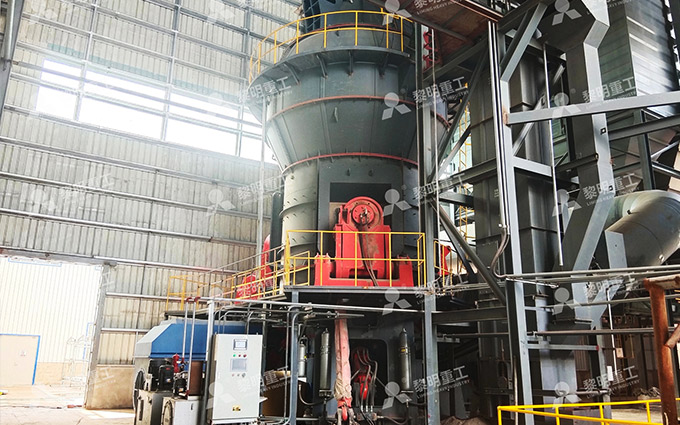
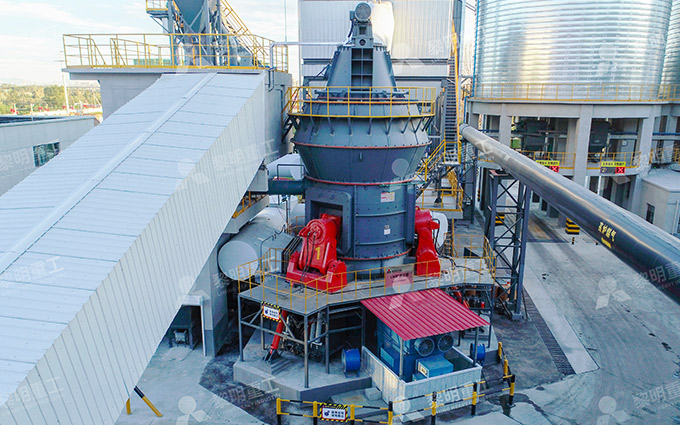
For a coal powder preparation section, the LM Vertical Coal Mill from Liming Heavy Industry can be used where a compact process arrangement, integrated drying, grinding, and classification are needed. It is suitable for processing coal materials with controlled fineness while supporting continuous plant operation.
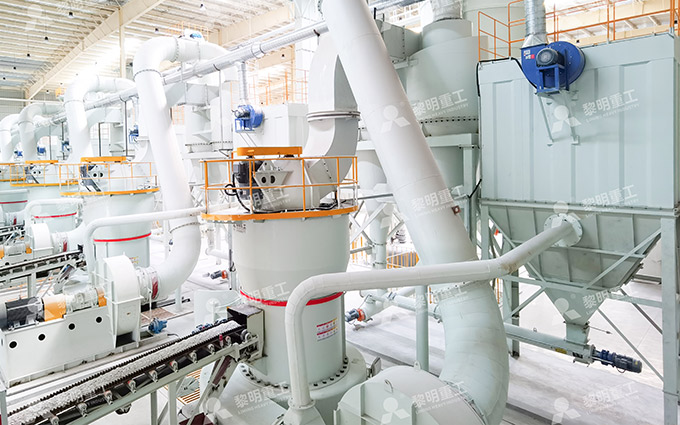
Where a separate grinding configuration is preferred, the MTW European Trapezium Grinding Mill from Liming Heavy Industry can be selected for stable powder preparation. Its adjustable fineness supports different product designs, including powdered activated carbon feed preparation and coal powder processing for formed activated carbon production.
The target particle size should be determined by the process route. Powdered feedstock for briquetting or extrusion normally requires a narrow fineness range so that binder and carbon particles are distributed evenly. Granular feedstock may require screening after crushing to remove oversize and undersize material before entering the furnace.
3. Drying and Moisture Control
Moisture control is a key preparation step. High moisture reduces thermal efficiency, increases fuel consumption, and may cause unstable temperature conditions in downstream carbonization equipment. Feedstock drying can be performed with rotary dryers, belt dryers, hot-gas drying systems, or integrated drying-grinding equipment.
The required moisture level depends on the raw material and forming method. For example, wood chips, coconut shell fragments, and coal may be dried before carbonization. In a pelletized coal-based process, moisture must also be controlled before granulation and before the green pellets enter thermal treatment.
Drying is not simply a preheating stage. It improves material flow, reduces sticking in conveying equipment, supports accurate dosing, and helps create a more consistent carbonization profile. A stable moisture level also makes it easier to control product density and furnace residence time.
4. Forming for Pelletized Products
Not every activated carbon line includes a forming section. Coconut-shell and certain coal-based granular products can be processed as crushed particles, while powdered activated carbon may be ground after activation. However, formed activated carbon production requires additional preparation steps.
In a typical coal-based pelletized activated carbon line, finely ground coal is mixed with a suitable binder and, where necessary, recycled carbon fines. The mixture is then processed by briquetting, extrusion, pelletizing, or granulation equipment to create cylindrical pellets, spheres, or irregular granules.
The green product must have enough mechanical strength to withstand conveying, drying, carbonization, activation, screening, and packaging. Poor forming quality can lead to excessive breakage, high dust content, uneven activation, and low yield.
After forming, green pellets or granules are often dried and hardened before entering the carbonization furnace. This stage removes water and improves shape retention during high-temperature processing.
5. Carbonization: Converting Feedstock into Char
Carbonization, also called pyrolysis, converts the prepared carbonaceous feedstock into char. During this step, the material is heated in an oxygen-deficient environment so that volatile compounds are driven off without allowing the feedstock to burn completely.
Carbonization temperatures vary with feedstock and equipment design, but the operation is commonly performed at several hundred degrees Celsius. The objective is to remove moisture, tar, gases, and volatile organic compounds while retaining a carbon-rich solid structure.
The product leaving the carbonization section is not yet fully activated carbon. It is a char with limited accessible porosity. Many pores remain blocked, underdeveloped, or filled with carbonaceous deposits created during thermal decomposition.
Typical carbonization equipment includes rotary kilns, multiple-hearth furnaces, vertical furnaces, retorts, and other continuous thermal systems. The choice depends on feedstock form, capacity, energy source, desired product geometry, and the planned activation method.
6. Activation: Creating the Internal Pore Network
Activation is the central stage in activated carbon manufacturing. It develops the pore system that gives the final material its high adsorption capacity. During activation, part of the carbon structure is selectively removed under controlled conditions, opening pores and increasing internal surface area.
There are two major activation routes: physical activation and chemical activation.
Physical Activation
Physical activation normally treats carbonized char with steam, carbon dioxide, or a combination of gases at high temperature. Steam activation is widely used in coal-based and coconut-shell activated carbon production.
The activating gas reacts slowly with carbon and enlarges the pore system. Temperature, gas flow, residence time, feed rate, and burn-off level must be carefully controlled. Insufficient activation can result in low adsorption capacity, while excessive activation can reduce yield, weaken particle strength, and create too much large-pore volume.
Physical activation is commonly selected for granular activated carbon used in drinking-water treatment, wastewater treatment, gas purification, solvent recovery, and gold adsorption.
Chemical Activation
Chemical activation generally involves mixing the raw material or char with an activating agent before or during thermal treatment. Agents such as phosphoric acid, potassium hydroxide, zinc chloride, or other chemical compounds may be used depending on the feedstock and product requirement.
This route is often associated with wood, sawdust, peat, and other biomass materials. The chemical agent promotes pore formation at relatively lower thermal temperatures than a conventional physical activation process. After activation, the material requires thorough washing to remove residual chemicals and soluble impurities.
The choice between physical and chemical activation should be based on raw material characteristics, target pore distribution, wastewater-treatment requirements, product application, environmental controls, and operating cost.
7. Cooling, Washing, and Neutralization
Activated carbon leaving the furnace must be cooled under controlled conditions. Direct exposure of hot activated carbon to oxygen can cause combustion, product loss, and safety risks. Cooling systems may use indirect cooling, inert-gas protection, water-cooled equipment, or carefully controlled air exclusion.
For chemically activated products, washing is an essential part of the process. Multi-stage washing removes residual activation chemicals, dissolved salts, ash, and other impurities. The washing section may include acid washing, water washing, filtration, thickening, and wastewater treatment.
The washed carbon should meet the required pH, conductivity, ash content, and impurity specifications before it moves to final drying. Water consumption, reagent recovery, and effluent treatment should be considered at the plant-design stage because they affect both operating cost and environmental performance.
8. Final Drying and Particle Classification
After washing or cooling, activated carbon is dried to meet the specified moisture content. Drying prevents agglomeration during storage, improves handling performance, and supports accurate packing by weight.
Final sizing is then carried out through crushing, milling, screening, air classification, or a combination of these operations. The product may be supplied as powdered activated carbon, granular activated carbon, pelletized activated carbon, or customized particle-size fractions.
Powdered activated carbon is generally produced by fine grinding and classification. It is frequently used for water treatment, decolorization, chemical purification, and flue-gas treatment. Granular activated carbon is commonly used in fixed-bed filters and adsorption columns. Pelletized activated carbon is often selected for gas-phase purification because its formed shape can provide low pressure drop and good mechanical strength.
A screening system separates the finished material into commercial grades while removing oversize fragments, undersize fines, and dust. Recovered off-specification fractions may be recycled when the process and product specification allow.
9. Quality Control Before Packaging
Finished activated carbon should be tested before shipment. The testing program depends on the intended application, but common indicators include iodine number, molasses number, methylene blue adsorption, carbon tetrachloride activity, butane working capacity, ash content, moisture, bulk density, abrasion resistance, hardness, particle-size distribution, pH, and water-soluble matter.
For water-treatment applications, the product may be evaluated for adsorption performance, particle integrity, extractable substances, and compliance with relevant project or regional requirements. For gas-treatment products, pore distribution, ignition behavior, hardness, and adsorption capacity for target gases may be especially important.
Consistent quality depends on controlling the entire process rather than relying only on end-product inspection. Raw material quality, grinding fineness, binder ratio, carbonization temperature, activation burn-off, washing efficiency, and screening accuracy all influence final performance.
10. Packaging and Finished Product Handling
Activated carbon is normally packed in moisture-resistant bags, valve bags, woven bags with inner liners, paper bags, jumbo bags, or bulk containers. Packaging should protect the product from moisture uptake, contamination, excessive dust loss, and mechanical damage during transport.
For powdered activated carbon, dust collection and sealed conveying are important because fine carbon powder can create handling losses and housekeeping challenges. For granular and pelletized products, packaging must prevent breakage and preserve the specified particle-size range.
Finished products should be stored in a dry, ventilated area away from strong oxidizers and ignition sources. Storage and transport practices should also consider the possibility of heat generation in certain adsorption applications, especially when activated carbon is exposed to reactive chemicals or concentrated organic vapors.
Typical Activated Carbon Production Flow
Raw material receiving → cleaning and screening → crushing or grinding → drying → mixing and forming when required → pre-drying → carbonization → physical or chemical activation → cooling → washing and neutralization when required → final drying → crushing, milling, screening, and classification → quality inspection → packaging.
The exact arrangement changes according to whether the line produces coconut-shell granular activated carbon, coal-based pelletized activated carbon, wood-based powdered activated carbon, or another specialized grade. A properly designed production line connects the preparation, thermal treatment, powder-processing, dust-collection, wastewater-treatment, and automatic-control sections into one stable process.
Building a Reliable Production Line
An activated carbon plant should be designed around the required finished product rather than around a single machine. The intended application determines the suitable raw material, activation route, pore structure, particle size, furnace configuration, finishing system, and quality-control targets.
For coal-based activated carbon projects, reliable coal powder preparation is one of the foundations of stable downstream forming and thermal treatment. The LM Vertical Coal Mill and MTW European Trapezium Grinding Mill from Liming Heavy Industry provide suitable options for preparing controlled coal powder for activated carbon production lines. Combined with appropriate conveying, dust collection, drying, carbonization, activation, classification, and packing systems, they help establish an efficient route from raw carbonaceous material to finished activated carbon.