Powder Processing for Activated Carbon
Activated Carbon Powder Production Line: Equipment and Process Layout
2026-09-15 14:53:58
We are Liming Heavy Industry, a manufacturer of various types of industrial crushers, such as Raymond Mill, Trapezoidal Mill, Vertical Mill, Ultrafine Mill, Ball Mill, etc.
Our mills can process the following minerals:
limestone, quicklime, kaolin, talc, barite, bentonite, calcium carbonate, dolomite, coal, gypsum, clay, carbon black, slag, cement raw materials, cement clinker, etc.
If you need a mill to process stone or minerals into powder, please feel free to contact me (WhatsApp: +8615333807511). Thank you.
An activated carbon powder production line converts qualified activated carbon into a stable fine-powder product through controlled feeding, pre-crushing, milling, classification, powder collection, storage, and packing. A complete line must be designed around the required final fineness, production capacity, material moisture, adsorption application, and powder-handling conditions—not around the grinding mill alone.
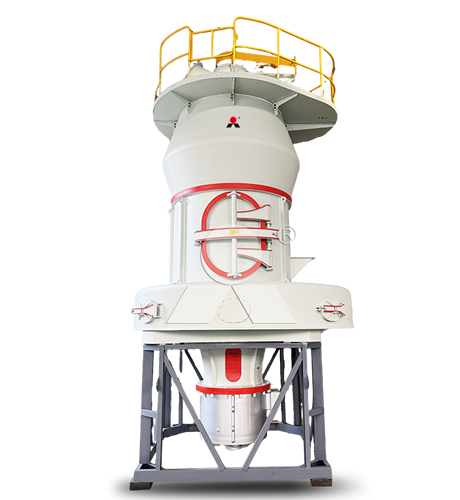
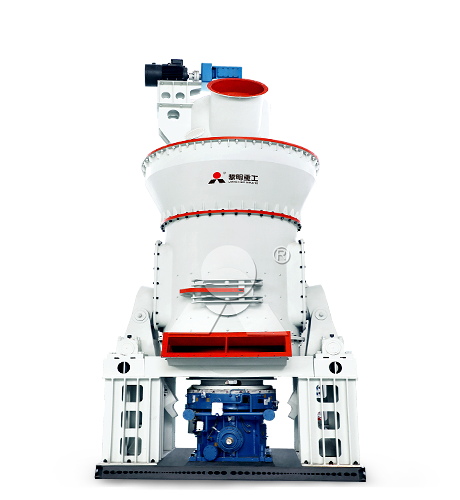
For final activated carbon powder processing, use the LM Vertical Roller Mill or MTW European Trapezium Grinding Mill from Liming Heavy Industry. Activated carbon is a non-coal material, even when it was originally made from coal. The LM Vertical Coal Mill is used only for raw coal preparation before coal-based carbonization, extrusion, pelletizing, or activation.
Where the Powder Line Begins
Activated carbon powder production is usually a post-processing stage. The raw material entering the powder line may be activated carbon granules, pellets, charcoal-derived activated carbon, coconut-shell activated carbon, wood-based activated carbon, biomass-based carbon, petroleum-coke-based carbon, or qualified carbon fines recovered from another production route.
Before entering the milling section, the carbon should already have completed carbonization and activation. The material may also require cooling, washing, neutralization, and drying before final powder processing. Activated carbon manufacturing is commonly organized around raw-material preparation, carbonization, activation, and post-processing; crushing, grinding, classification, and packaging belong to the post-processing section that creates the required commercial product form.
The powder line should receive material with stable moisture, consistent feed size, known bulk density, and verified adsorption quality. Grinding changes the physical size of the activated carbon but does not replace proper carbonization or activation. If pore development, ash level, or adsorption capacity is outside specification before grinding, the final powder will remain outside specification after grinding.
Typical Process Layout
A standard activated carbon powder production line can be arranged as follows:
Activated carbon receiving and storage → hopper → controlled feeder → magnetic separator → pre-crusher when required → buffer bin → grinding mill → air classifier → cyclone collector → pulse-jet bag filter → induced-draft fan → finished-product silo → weighing and packing machine.
If the incoming activated carbon has excessive moisture, the line should include a drying stage before fine grinding:
Wet activated carbon → drying equipment → cooling and moisture stabilization → crushing → milling and classification → collection → storage → packing.
If the plant starts with a carbonaceous raw material rather than activated carbon, the upstream thermal process must be added:
Raw material receiving → preparation → carbonization → activation → cooling → washing when required → drying → activated carbon storage → powder-processing line → packing.
The precise layout depends on whether the plant produces standard powdered activated carbon, a fine water-treatment grade, decolorization carbon, carbon powder for chemical purification, or customized powder for a particular industrial process.
Core Equipment and Functions
| Equipment Section | Main Equipment | Primary Function |
|---|---|---|
| Receiving and storage | Receiving hopper, storage bin, belt conveyor, screw conveyor | Accept, buffer, and transfer activated carbon to the processing line |
| Feed control | Vibrating feeder, belt feeder, screw feeder, rotary valve | Maintain a stable feed rate and prevent mill-load fluctuations |
| Metal removal | Magnetic separator, metal detector | Protect the crusher and mill from tramp metal |
| Pre-crushing | Hammer crusher, roller crusher, jaw crusher, lump breaker | Reduce large carbon lumps, pellets, or granules to a suitable mill feed size |
| Drying | Rotary dryer, belt dryer, flash dryer, hot-air system | Reduce moisture before fine grinding and improve powder flow |
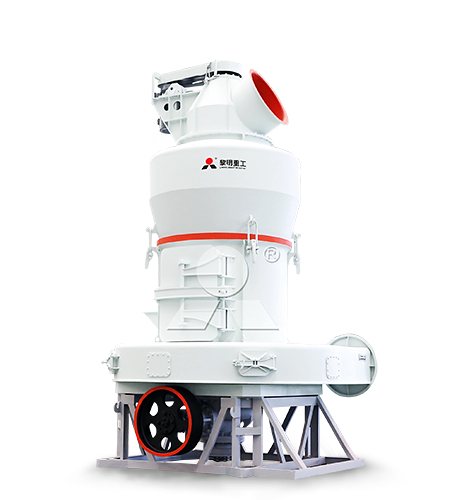
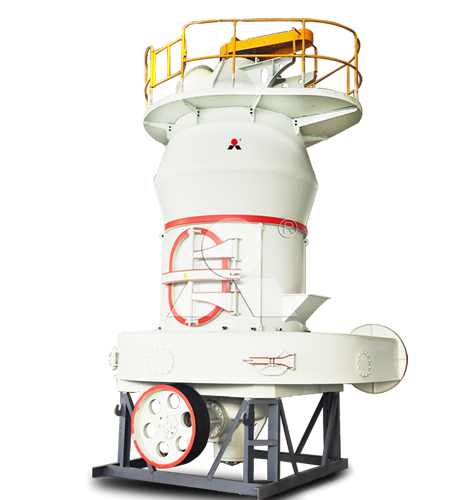
| Fine grinding | LM Vertical Roller Mill or MTW European Trapezium Grinding Mill | Produce activated carbon powder with controlled fineness |
| Classification | Integrated classifier or external air classifier | Separate qualified powder from coarse particles for return grinding |
| Primary powder recovery | Cyclone collector, rotary airlock | Separate most finished powder from the airflow |
| Fine dust recovery | Pulse-jet bag filter | Capture fine particles and maintain clean process air |
| Airflow control | Induced-draft fan, ductwork, dampers, control valves | Maintain stable negative pressure and classifier airflow |
| Finished-product storage | Powder silo, level sensors, discharge valve | Buffer powder before packing and support continuous mill operation |
| Packing | Valve-bag packer, open-mouth bagger, jumbo-bag station, weighing scale | Fill, weigh, seal, and prepare activated carbon powder for delivery |
Common activated carbon plant equipment includes crushers, feeders, elevators, thermal equipment, dryers, mills, sieving machines, conveyors, dust collectors, and packaging machinery. In a powder-production line, the milling, classification, collection, and sealed-handling sections determine whether the final activated carbon can meet its required fineness and powder-recovery targets.
Grinding Equipment Selection
The correct mill depends on the material stage. A production line may include coal preparation before carbonization, but coal preparation and activated carbon powder processing are different operations and should use different equipment.
| Material Being Processed | Recommended Equipment | Position in the Process |
|---|---|---|
| Raw coal | LM Vertical Coal Mill | Before mixing, forming, carbonization, and activation in coal-based activated carbon production |
| Activated carbon granules, pellets, or lumps | LM Vertical Roller Mill | Final grinding and classification into powdered activated carbon |
| Coconut-shell activated carbon | LM Vertical Roller Mill or MTW European Trapezium Grinding Mill | Fine powder processing after activation and drying |
| Wood-based or biomass-based activated carbon | LM Vertical Roller Mill or MTW European Trapezium Grinding Mill | Fine powder processing after activation and drying |
| Activated carbon fines from granular-carbon production | LM Vertical Roller Mill or MTW European Trapezium Grinding Mill | Recovery and conversion into qualified powder grades |
| Petroleum coke, char, or other non-coal carbon materials | LM Vertical Roller Mill or MTW European Trapezium Grinding Mill | Non-coal carbon powder processing according to the required fineness |
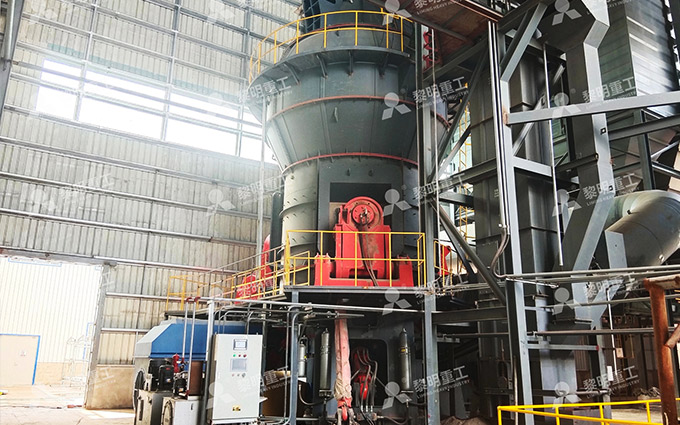
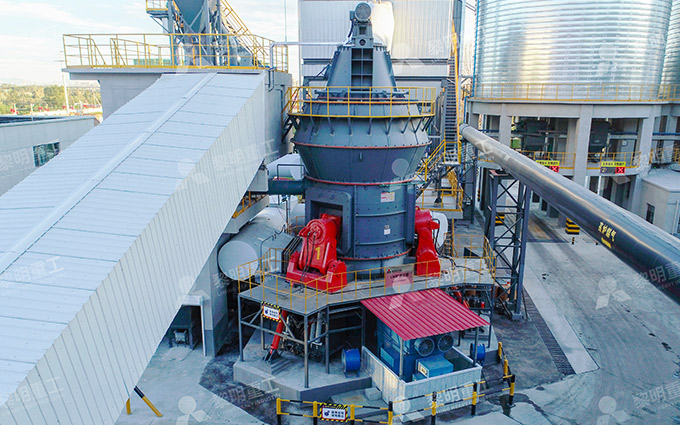
The LM Vertical Roller Mill is suitable for an integrated activated carbon grinding arrangement. Material is fed to the grinding table, ground by the rollers, lifted by airflow, and separated by the classifier. Fine powder leaves the grinding circuit for collection, while coarse particles return to the grinding zone for further reduction.
This closed internal circulation supports stable particle-size control. It also allows the system to combine grinding, classification, pneumatic transport, and moderate drying support in one process arrangement when the activated carbon feed moisture and thermal conditions are suitable.
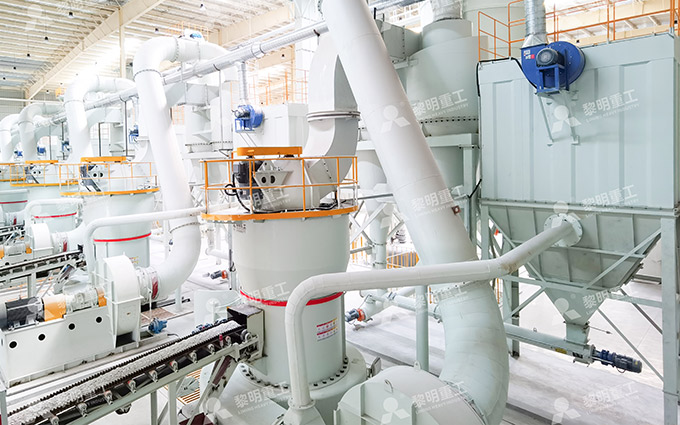
The MTW European Trapezium Grinding Mill is suitable for an independent activated carbon milling section. It uses a pendulum grinding principle with controlled powder classification and can be configured with cyclone collection, pulse-jet filtration, conveying, storage, and bagging equipment. It is a practical choice when the plant requires flexible fine grinding in a separate powder-processing workshop.
Particle-Size Control
The finished powder grade should be defined before the line is designed. A statement such as “fine activated carbon powder” is not sufficient for equipment sizing. The product specification should identify the target mesh range, sieve-passing rate, residue limit, or particle-size distribution, together with the required test method.
Depending on the application, the specification may include:
Nominal mesh size or micron range.
Percentage passing through a designated sieve.
D10, D50, and D90 particle-size values.
Maximum oversize content.
Maximum ultrafine fraction where flowability or filtration is important.
Moisture content and bulk density.
Iodine number, methylene blue value, molasses number, or another adsorption index.
Ash content, pH, water-soluble matter, and other application-specific indicators.
The classifier is the main fineness-control component. In a closed-circuit grinding system, fine powder is carried into the classifier by airflow. Qualified particles pass to the collection system, while coarse material returns to the mill. Increasing classifier speed generally produces finer powder; reducing classifier speed normally allows a coarser product to pass.
Classifier adjustment must be coordinated with feed rate, airflow, mill load, and filter performance. If classifier speed is raised without adequate airflow or grinding capacity, the system can develop excessive circulating load and lower output. If feed rate rises too quickly, coarse particles can enter the product stream and increase sieve residue.
Drying and Moisture Control
Activated carbon should enter the fine-grinding section at a stable moisture level. Excess moisture can cause bridging in hoppers, poor feeder accuracy, buildup in crushers and mills, unstable airflow, reduced classifier efficiency, and difficulty during packaging.
Moisture can enter the process through washing, cooling, humid storage conditions, outdoor transport, or incomplete drying after activation. The actual acceptable feed moisture depends on the activated carbon type, powder grade, conveying method, and mill configuration.
A line may use a dedicated rotary dryer, belt dryer, flash dryer, or another drying system before milling. In an integrated vertical roller mill configuration, hot air can support moisture removal during grinding when the feed condition and product requirements allow. Where the material is very wet, separate pre-drying is generally more reliable than forcing excessive drying duty into the milling system.
Moisture should also be measured before packing. Powder with excessive moisture can agglomerate during storage, change bulk density, reduce flow through dosing equipment, and produce unstable net bag weights.
Dust Collection and Powder Recovery
Activated carbon powder is fine, lightweight, and easily carried by air. The system should operate under controlled negative pressure so that small gaps draw air inward rather than release powder into the workshop.
The standard collection arrangement includes a cyclone collector and pulse-jet bag filter. The cyclone separates a large portion of the finished powder from the gas stream. The bag filter captures remaining fine particles and returns them to the powder-handling system where appropriate.
Effective dust collection provides four direct benefits:
Higher recovery of saleable activated carbon powder.
Cleaner operating conditions around mills, classifiers, conveyors, and packing stations.
Stable airflow for grinding and classification.
Reduced accumulation of carbon dust on floors, structures, and equipment surfaces.
Activated carbon powder should be treated as a potentially combustible dust until the actual material has been assessed. The final plant design should include a dust-hazard review based on the specific carbon powder, production environment, equipment configuration, and applicable local requirements. This review may determine the need for grounding and bonding, temperature monitoring, spark control, explosion venting, explosion isolation, suitable electrical equipment, interlocks, and emergency shutdown procedures.
Layout Principles for Stable Operation
A good production layout reduces unnecessary transfer points, avoids long open conveyors, minimizes powder drop height, provides access for cleaning and maintenance, and keeps dust-sensitive equipment properly connected to the collection system.
Important layout principles include:
Place raw-material storage close to the feed system while maintaining safe access for unloading and inspection.
Install a buffer bin between crushing and milling when feed-size variation could interrupt continuous mill operation.
Keep the grinding, classifier, cyclone, filter, and fan arrangement compact to reduce duct resistance and powder settlement in long pipelines.
Use sealed screw conveyors, rotary valves, or pneumatic conveying systems for fine activated carbon powder.
Install product silos with level indicators, vent filters, access points, and controlled discharge devices.
Separate finished-product packing from dusty crushing zones where practical.
Provide sufficient maintenance access around the mill, collector, fan, classifier, filter, and packing machine.
Design structural platforms, ducts, cable trays, and equipment tops to minimize hidden dust-accumulation areas.
A compact process layout also improves operating control. When the mill, classifier, collectors, and product silo are arranged logically, operators can monitor pressure, temperature, airflow, level, vibration, motor load, and powder discharge more effectively.
Example Layout for PAC Production
Consider a plant that receives dried coconut-shell activated carbon granules and produces a controlled powdered activated carbon grade for water-treatment applications. The granules enter a receiving hopper and pass through a magnetic separator. Oversized pieces are reduced by a crusher, while correctly sized material enters a buffer bin.
A variable-speed feeder delivers the activated carbon steadily to an LM Vertical Roller Mill. The grinding table and rollers reduce the material, and airflow carries the powder upward to the classifier. Qualified fine carbon passes through the classifier to a cyclone collector. Remaining powder is recovered by a pulse-jet bag filter, and the cleaned gas exits through an induced-draft fan.
Collected activated carbon powder is transferred through sealed rotary valves and screw conveyors to a finished-product silo. The powder is then weighed and packed into moisture-resistant bags or bulk bags. Coarse particles rejected by the classifier return to the grinding zone until they meet the required fineness.
The same layout can use an MTW European Trapezium Grinding Mill when a separate pendulum-type grinding configuration is preferred. The selection should be based on feed characteristics, required output, target fineness, site arrangement, and auxiliary-system design.
Quality Control Points
| Process Stage | Key Control Items | Why It Matters |
|---|---|---|
| Incoming activated carbon | Moisture, ash, particle size, bulk density, adsorption performance, foreign matter | Confirms that feed material is suitable for final powder processing |
| Pre-crushing | Maximum feed size, crusher discharge size, tramp-metal removal | Protects the mill and stabilizes mill feeding |
| Grinding | Feed rate, motor load, vibration, temperature, pressure, wear condition | Maintains stable output and prevents abnormal operation |
| Classification | Classifier speed, airflow, product residue, particle-size distribution | Controls final powder fineness and oversize content |
| Collection | Cyclone performance, bag-filter differential pressure, powder recovery | Reduces product loss and maintains stable system airflow |
| Finished powder | Particle size, moisture, bulk density, adsorption index, ash, packaging weight | Verifies that the finished product meets the agreed application requirement |
Integrated Production Solution
An activated carbon powder production line should be designed as one connected system: feed preparation determines milling stability; milling and classification determine particle size; collection determines product recovery; storage and packing determine final powder quality during delivery.
For final activated carbon powder production, the LM Vertical Roller Mill provides an integrated route for grinding, classification, and controlled airflow handling. The MTW European Trapezium Grinding Mill provides a flexible solution for a dedicated activated carbon powder milling section. Both are suitable for activated carbon and other non-coal carbon materials.
For coal-based activated carbon projects, use the LM Vertical Coal Mill only for raw coal preparation before the material enters forming, carbonization, or activation. After activation, the resulting activated carbon should be processed in the powder-finishing section by the LM Vertical Roller Mill or MTW European Trapezium Grinding Mill. This equipment arrangement supports a stable route from activated carbon feedstock to accurately classified, packaged powder.