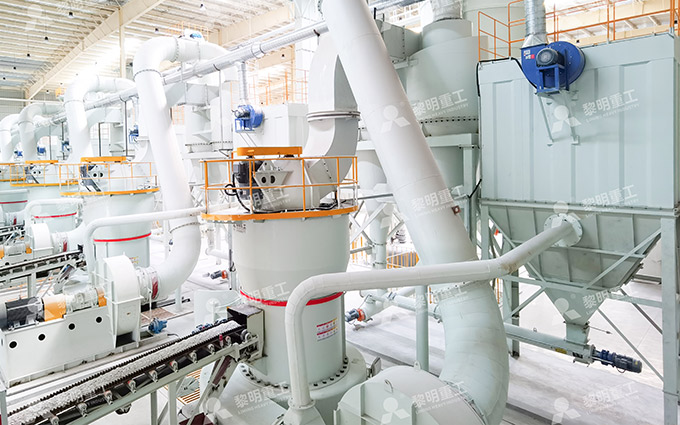
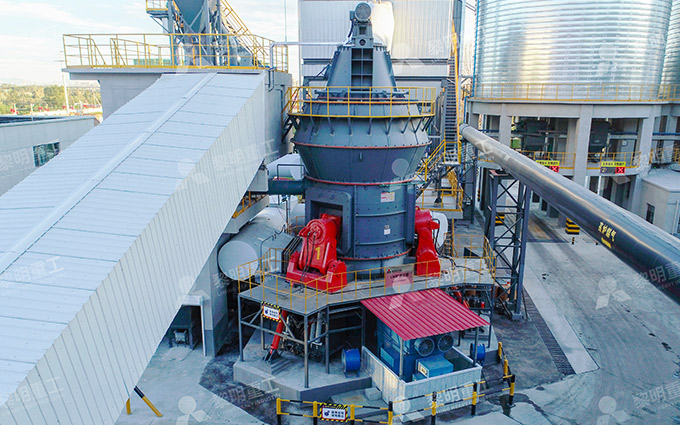
Gypsum Powder Production Line
Gypsum Powder Production Process: From Raw Gypsum to Finished Powder
2026-09-09 13:35:15
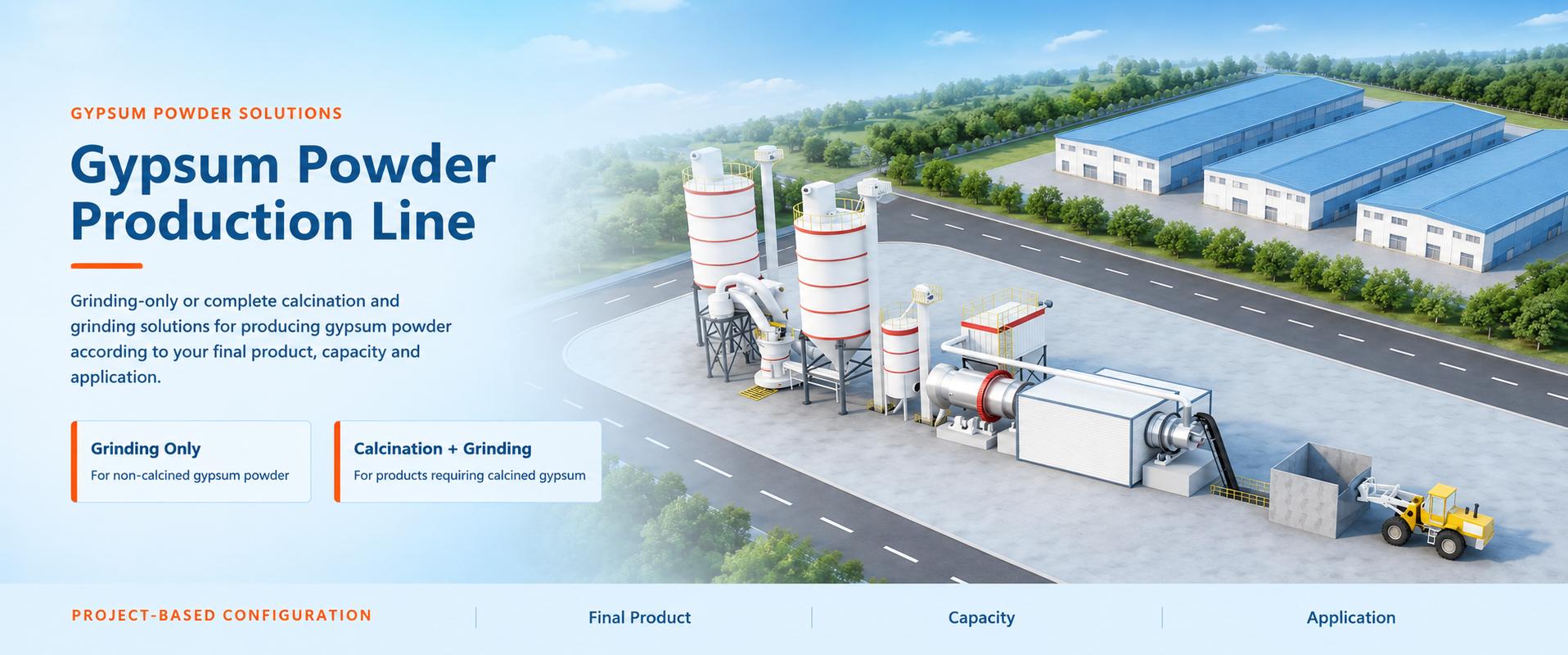
Gypsum powder production begins with raw gypsum and ends with a finished powder whose particle size, moisture level and physical properties are suited to its intended use. The exact processing route depends on whether the required product is ground natural gypsum or calcined gypsum powder for products such as gypsum plaster, Plaster of Paris, gypsum board materials and related construction applications.
A complete gypsum powder production line may include raw material handling, crushing, optional calcination, grinding, classification, dust collection, conveying and packing. Not every production line requires a thermal stage. When the final product is non-calcined natural gypsum powder, the process can proceed from crushing directly to grinding, classification and packing. When calcined gypsum is required, calcination is placed between crushing and downstream powder processing.
1. Identify the Required Gypsum Powder Product
The first step is to determine what type of finished powder is needed. This decision affects the entire process route, including whether calcination is necessary, what grinding equipment is suitable and how the finished material should be controlled.
| Finished Product Direction | Typical Process Route | Main Processing Focus |
|---|---|---|
| Ground natural gypsum powder | Raw gypsum → Crushing → Grinding → Classification → Packing | Particle size control and stable powder output |
| Calcined gypsum powder | Raw gypsum → Crushing → Calcination → Grinding → Classification → Packing | Thermal processing, powder fineness and product uniformity |
Natural gypsum is primarily composed of calcium sulfate dihydrate. During calcination, part of the chemically combined water is removed under controlled heating conditions. The resulting calcined material is then processed further according to the required powder characteristics.
2. Raw Gypsum Preparation and Storage
Raw gypsum may come from natural gypsum deposits, industrial by-products or recycled gypsum-based materials. Before the material enters the main process, its condition should be evaluated. Important factors include lump size, moisture content, impurity level, storage condition and feeding stability.
Large gypsum blocks cannot usually enter a grinding mill directly. They must first be reduced to a feed size that matches the selected mill. If the material contains excessive moisture, it may adhere to conveying equipment, accumulate in hoppers or affect the stability of downstream feeding. A suitable storage and feeding arrangement helps maintain a more consistent material flow.
Raw gypsum should be stored in a dry area whenever possible.
Oversized lumps should be removed or reduced before grinding.
Metal fragments and other foreign materials should be separated before they reach the grinding system.
The feeding system should provide a continuous and controlled supply of material.
Material properties should be checked before finalizing the crushing, calcination and grinding configuration.
3. Crushing Raw Gypsum to a Suitable Feed Size
Crushing is the first size-reduction stage in most gypsum powder plants. Its purpose is not to produce finished powder, but to prepare a stable and suitable feed for calcination equipment or grinding equipment. Proper crushing reduces the burden on the mill and supports more even operation throughout the line.
The crusher type and discharge size are selected according to the raw gypsum size and the feed-size requirement of the next process. A well-designed crushing section generally includes feeding equipment, a crusher, discharge conveying equipment and, where needed, screening or magnetic separation.
Uniform crushed material is important because large fluctuations in feed size can affect calcination consistency, mill loading and final powder quality. If the feed contains both very fine particles and large lumps, material flow may become uneven and the downstream process may require more frequent adjustment.
4. Calcination When Calcined Gypsum Is Required
Calcination is an optional stage. It is used when the final product requires calcined gypsum properties rather than ground natural gypsum. During this stage, crushed gypsum is heated under controlled conditions to convert the raw material into a suitable calcined form for downstream applications.
A calcination system may be integrated with feeding, conveying, dust collection and material cooling equipment. The thermal stage should be matched to the raw material characteristics and the requirements of the final product. Temperature control, material residence time and feeding consistency all influence the condition of the calcined gypsum.
After calcination, the material is transferred to the grinding and classification system. Depending on the process arrangement, the calcined gypsum may be cooled, conveyed, stored temporarily or fed directly into the mill. Stable material flow after calcination is important because changes in material temperature or moisture can affect grinding performance.
When Is Calcination Needed?
Calcination is generally considered when producing gypsum-based materials that require the properties of calcined gypsum, including construction gypsum, gypsum plaster, Plaster of Paris and certain gypsum board formulations. A grinding-only route is more appropriate when the finished product is ground natural gypsum powder without thermal conversion.
5. Grinding Gypsum to the Required Fineness
Grinding is the core powder-making stage. The purpose is to reduce crushed or calcined gypsum to the particle size required by the final application. The selected grinding mill should be matched to feed size, production capacity, required fineness, moisture condition and operating mode.
Different gypsum powder projects require different grinding solutions. A plant producing conventional industrial gypsum powder may prioritize stable output and a broad working range. A project requiring finer powder may place more emphasis on classification accuracy and particle-size control. Larger continuous production lines may require a more integrated arrangement for feeding, grinding, conveying, dust collection and product handling.
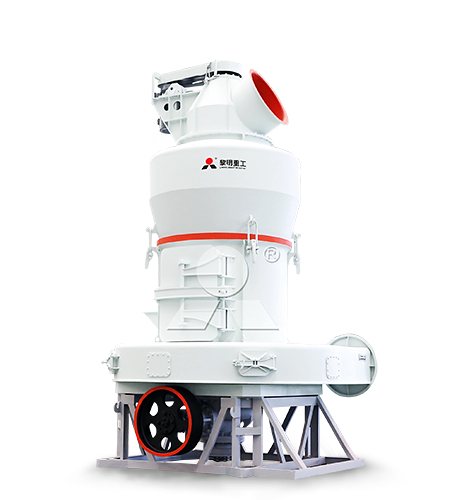
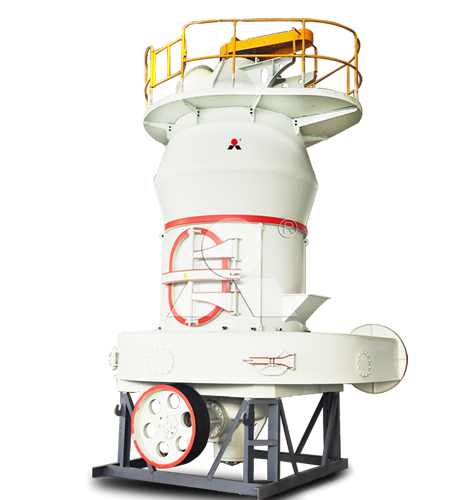
R Raymond Mill for Conventional Gypsum Powder
An R Raymond mill can be considered for conventional gypsum powder grinding where the production scale and finished powder requirements are relatively moderate. It is suitable for processing crushed gypsum into common industrial powder grades when the feed material has been prepared properly.
The operating condition of the grinding parts, the stability of feeding and the balance of air flow all affect the output and final powder condition. Regular inspection helps maintain a more stable grinding process.
MTW European Grinding Mill for Industrial Gypsum Processing
An MTW European grinding mill is suitable for conventional industrial gypsum powder processing with a broad range of fineness requirements. It can be used in grinding-only lines as well as downstream powder processing after calcination.
For gypsum processing, the mill should be configured around the required feed size, target powder fineness and desired production output. The complete system may include a feeder, mill, classifier, blower, dust collector, conveying equipment and finished-product storage or packing equipment.
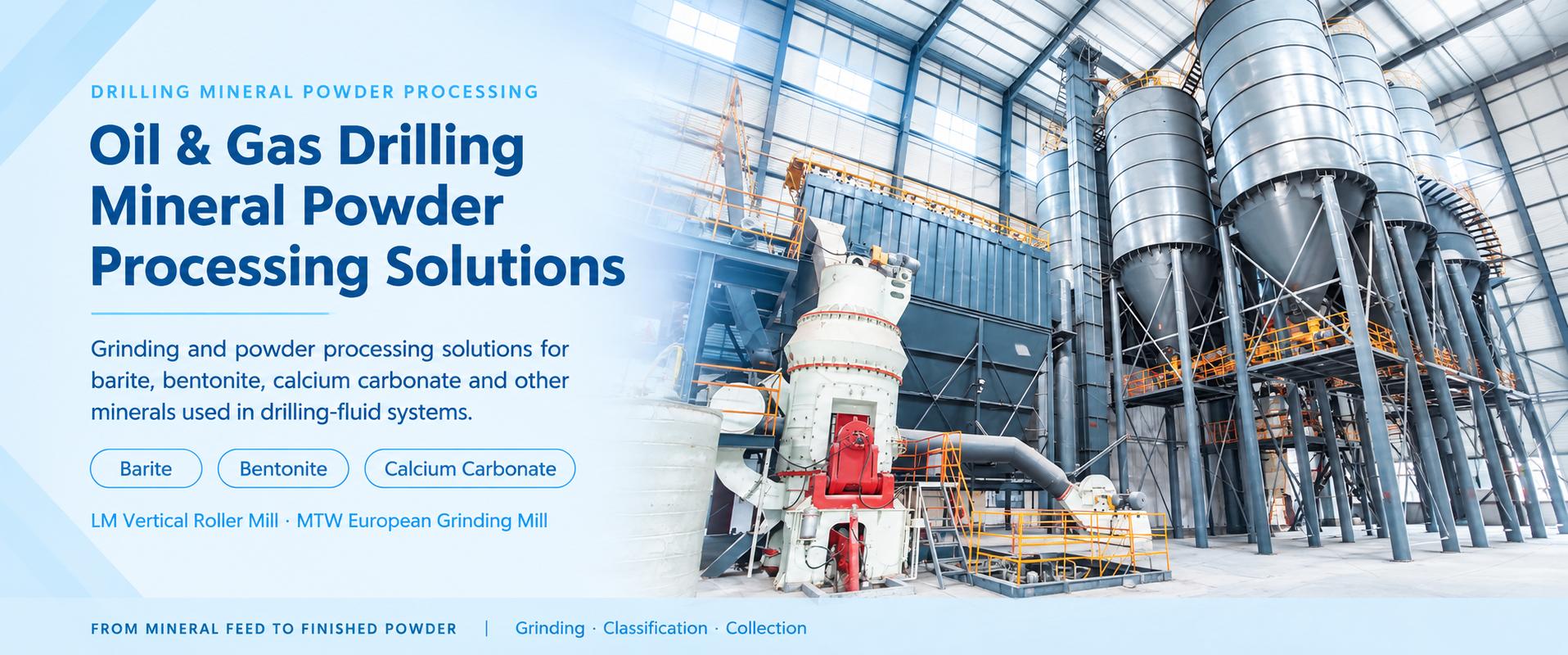
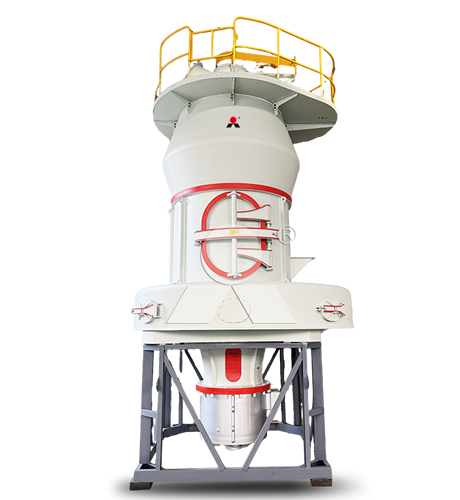
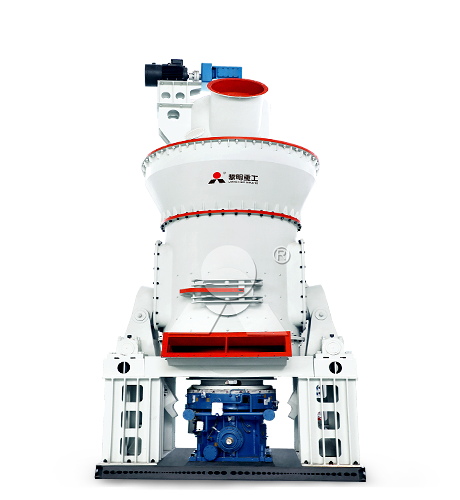
LM Vertical Grinding Mill for Larger Continuous Production
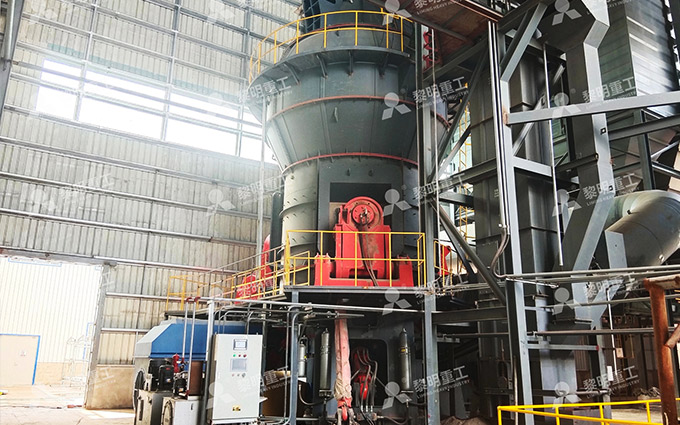
An LM vertical grinding mill can be considered for larger-scale gypsum powder production requiring stable and continuous operation. Its configuration is suitable for projects where the grinding system needs to work together with material conveying, air handling, dust collection and, where necessary, moisture control.
In a larger plant, the grinding section should not be considered as an isolated machine. Raw material supply, feed consistency, airflow balance, finished powder discharge and storage capacity all need to be coordinated. This supports smoother operation and reduces interruptions caused by material accumulation or unstable feeding.
LUM Ultrafine Vertical Mill for Finer Gypsum Powder
A LUM ultrafine vertical mill is suitable for applications requiring finer gypsum powder and more precise particle-size control. It is particularly relevant when the finished product requires a narrower particle-size distribution or a finer powder grade than conventional gypsum grinding applications.
For fine powder processing, classification becomes especially important. The grinding and classification sections must work together so that qualified particles are collected efficiently while coarser particles return for further grinding.
6. Classification Controls the Finished Particle Size
Grinding alone does not guarantee that all particles meet the target fineness. Classification separates qualified powder from particles that remain too coarse. Coarse material is returned to the grinding zone, while qualified powder moves to the collection and product-handling stage.
The classification system has a direct effect on the consistency of the finished gypsum powder. If the separator setting, airflow or material feed changes significantly, the particle-size distribution may also change. For this reason, classification should be adjusted together with the mill operating condition rather than treated as a separate process.
A higher proportion of coarse particles may indicate that the classification condition needs adjustment.
Unstable feeding can lead to fluctuating particle size.
Excessive airflow or insufficient airflow can affect powder separation and collection.
Worn grinding components can reduce grinding efficiency and change the finished product condition.
Consistent raw material properties support more stable classification results.
7. Dust Collection and Powder Conveying
Gypsum powder production involves fine particles that must be contained and collected efficiently. A dust collection system helps maintain negative pressure in the process, recover usable fine material and reduce dust release around the production line.
Dust-laden air from the grinding and classification system passes through collection equipment before being discharged or returned to the process. The collected powder may be directed back into the finished-product stream when it meets the required product condition. Proper sealing of conveyors, hoppers and transfer points helps reduce material loss and prevents air leakage from disturbing the system balance.
After collection, the finished gypsum powder is conveyed to a storage bin, a packing machine or another downstream process. Conveying equipment should be selected according to powder flow characteristics, plant layout, storage requirements and packing method.
8. Packing and Finished Product Handling
The final stage is packing or bulk storage. Finished gypsum powder should be protected from unnecessary moisture exposure during storage and transport. The packing method may vary according to the intended market, product form and delivery arrangement.
Common handling arrangements include bag packing, valve-bag packing, open-mouth bag packing, bulk loading and transfer to downstream production equipment. Before packing, the product should have stable particle size and a consistent condition suitable for the intended application.
Storage silos, packing systems and transfer equipment should be designed to avoid powder bridging, material buildup and unnecessary handling losses. A clean and stable product-handling section helps preserve the condition achieved during grinding and classification.
9. Typical Gypsum Powder Production Routes
Grinding-Only Route
This route is used when the final product is ground natural gypsum powder and does not require thermal processing.
Raw gypsum receiving and storage
Crushing to the required feed size
Controlled feeding to the grinding mill
Grinding and classification
Dust collection and powder conveying
Finished powder storage and packing
Calcination and Grinding Route
This route is used when the final product requires calcined gypsum properties.
Raw gypsum receiving and storage
Crushing and feed preparation
Controlled calcination
Material transfer, cooling or intermediate storage as required
Grinding to the target fineness
Classification and powder collection
Conveying, storage and packing
10. Factors That Influence Gypsum Powder Production
Although the general process is straightforward, the final configuration should be based on actual production conditions. The same mill or process arrangement may perform differently when the raw material, target powder grade or site condition changes.
| Factor | Why It Matters |
|---|---|
| Raw gypsum type | Natural gypsum, industrial gypsum and recycled gypsum can have different moisture levels, impurities and handling characteristics. |
| Feed size | The crusher discharge size must be compatible with the selected mill. |
| Moisture content | High moisture can affect storage, conveying, feeding and grinding stability. |
| Target fineness | Finer powder generally requires closer coordination between grinding and classification. |
| Required capacity | Production output affects the selection of feeding, grinding, conveying, dust collection and packing equipment. |
| Final application | The end use determines whether calcination is needed and what powder properties should be controlled. |
| Plant conditions | Available space, power supply, material storage and environmental requirements influence the overall layout. |
Conclusion
Gypsum powder production is built around a clear process decision: whether the final material requires only grinding or requires calcination followed by grinding. From there, the line is configured through raw material preparation, crushing, optional thermal processing, grinding, classification, dust collection, conveying and packing.
R Raymond mills, MTW European grinding mills, LM vertical grinding mills and LUM ultrafine vertical mills can be selected for different gypsum powder conditions. The appropriate choice depends on the raw gypsum properties, required capacity, target fineness and final product application. A process designed around these conditions can provide a more stable route from raw gypsum to finished powder.