Gypsum Powder Production Line
Gypsum Calcination Process: How Raw Gypsum Is Converted into Calcined Gypsum
2026-09-09 13:44:13
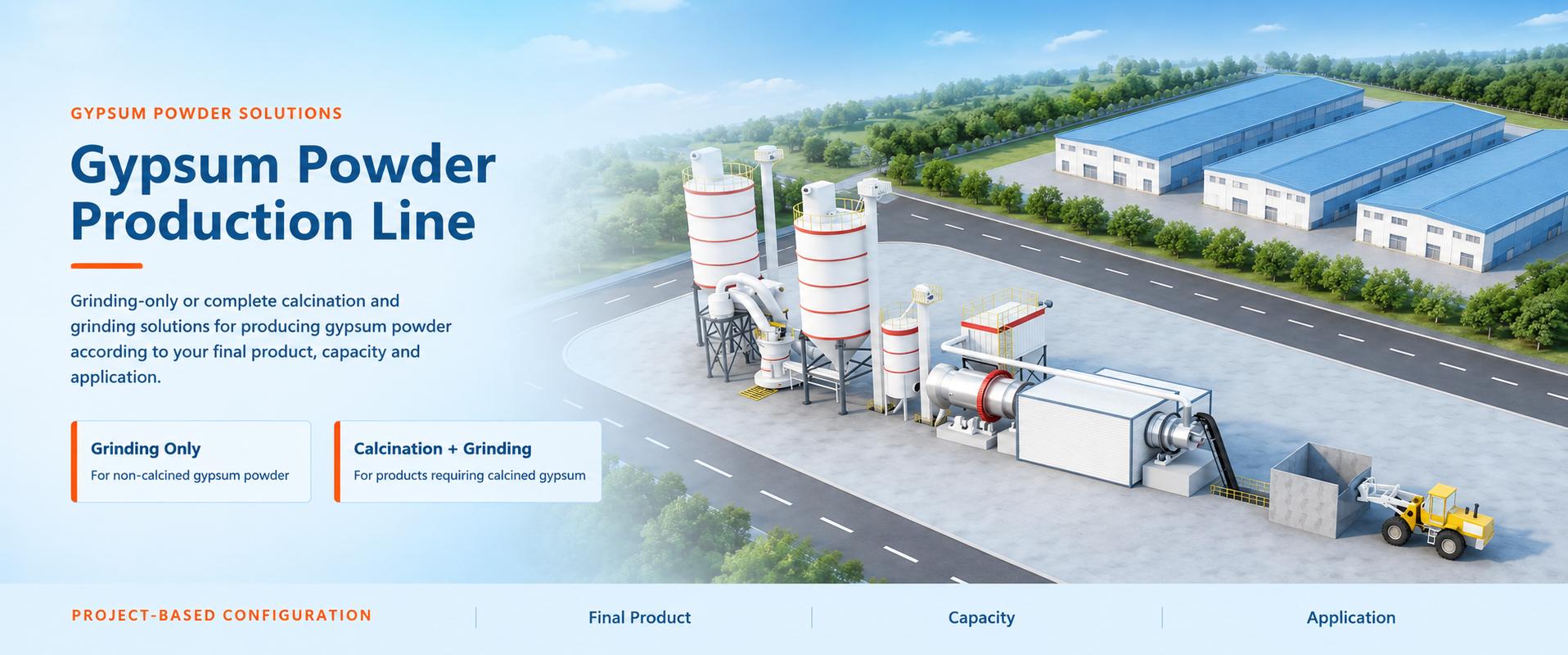
Gypsum calcination is the controlled thermal treatment of raw gypsum to produce calcined gypsum for products such as construction gypsum, gypsum plaster, Plaster of Paris, gypsum board materials and other gypsum-based formulations. The process changes the water content of the mineral and creates a material with properties different from ground natural gypsum.
A calcination line is selected only when the final product requires calcined gypsum. If the required product is simply ground natural gypsum powder, the process can follow a crushing, grinding, classification and packing route without a thermal stage. For calcined products, raw gypsum must be prepared, heated under controlled conditions and then processed into the required finished powder.
What Happens During Gypsum Calcination?
Natural gypsum is mainly calcium sulfate dihydrate, commonly written as CaSO4·2H2O. The mineral contains chemically combined water within its crystal structure. During calcination, heat removes part of this combined water and converts raw gypsum into a calcined form.
The most common calcined gypsum product is calcium sulfate hemihydrate, often written as CaSO4·½H2O. When mixed with water in a later application, this material can hydrate and set again. This setting behavior is one reason calcined gypsum is widely used in plastering, casting, board production and other building-material applications.
Calcination is not simply drying. Surface moisture may be removed at relatively low temperatures, while calcination involves controlled removal of chemically combined water. The thermal condition, material residence time, feed consistency and subsequent cooling all influence the state of the calcined material.
Raw Gypsum Before Calcination
The quality of the calcined gypsum begins with the condition of the raw material. Raw gypsum may be supplied as natural mined gypsum, industrial gypsum or another gypsum-containing material. Before entering the calcination system, the material should be checked for particle size, moisture, impurities, storage condition and flow behavior.
Large gypsum rocks or lumps are normally reduced before thermal treatment. More uniform feed material allows the calcination system to receive a steadier material flow. When the feed varies greatly in size or moisture, different portions of the material may respond differently to the same heating condition.
| Raw Material Condition | Potential Effect on Calcination | Typical Preparation Measure |
|---|---|---|
| Oversized gypsum lumps | Uneven heating and difficult material transfer | Crushing before the thermal stage |
| High free moisture | Higher thermal demand and unstable feed condition | Storage management, pre-drying or process adjustment |
| Unstable feed rate | Fluctuating residence time and inconsistent product condition | Controlled feeding equipment and buffer storage |
| Foreign materials or metal fragments | Equipment wear, blockage or damage risk | Screening and magnetic separation where required |
| Large variation in particle size | Non-uniform exposure to heat | Stable crushing and feed-size control |
The Basic Calcination Route
A gypsum calcination and grinding line is commonly arranged in the following order:
Raw gypsum receiving and storage
Crushing and feed-size reduction
Controlled feeding to the calcination system
Thermal processing of the gypsum
Cooling, conveying or intermediate storage
Grinding to the required powder fineness
Classification and dust collection
Finished powder storage and packing
The sequence may vary according to the raw material condition and the target product. However, the key principle remains the same: the thermal stage converts the raw gypsum, while the grinding and classification stages prepare the calcined material for final use.
Step 1: Crushing and Feed Preparation
Crushing prepares raw gypsum for consistent feeding into the calcination section. The goal is to reduce large gypsum pieces into a size range that can move through the process more evenly. A suitable feed size helps reduce the risk of uneven heating and supports stable material handling.
The crushing section may include a feeder, crusher, conveyor, screening equipment and storage hopper. The arrangement should prevent large lumps from entering the calcination equipment and should avoid excessive accumulation of fine material in transfer points.
Feed preparation is especially important for continuous production. If the material entering the calcination system changes suddenly in size, moisture or flow rate, the heating condition may no longer match the material load. This can lead to fluctuations in the condition of the calcined gypsum.
Step 2: Controlled Thermal Processing
After crushing and controlled feeding, gypsum enters the calcination stage. Here, the material is heated so that part of the chemically combined water is removed. The purpose is to produce a calcined gypsum material that matches the needs of the downstream product.
The thermal stage must be controlled carefully. Insufficient heating may leave the gypsum incompletely calcined, while excessive heating can change the material condition beyond the target range. The correct operating condition depends on the raw gypsum type, feed size, moisture level, production rate and required final application.
A continuous calcination system can be integrated with material feeding, conveying, dust collection and downstream grinding equipment. In a complete plant, the calcination section works together with the entire process rather than operating as an isolated unit.
Key Conditions During Calcination
Consistent feed rate helps maintain a stable material residence time.
Uniform feed size supports more even heat transfer.
Raw material moisture influences the energy demand of the thermal stage.
Stable airflow supports material movement and heat balance within the system.
Dust collection helps recover fine material and maintain a cleaner operating environment.
Controlled discharge prevents large temperature changes before downstream processing.
Rotary Kiln Calcination
A rotary kiln can be used as part of a continuous gypsum calcination process. In this arrangement, gypsum moves gradually through a rotating cylindrical kiln while receiving controlled heat. The rotation supports material movement, while the length and operating condition of the kiln provide time for the intended thermal conversion.
Rotary kiln calcination can be integrated with upstream crushing and downstream grinding. The system may include feeding equipment, a kiln, conveying equipment, dust collection equipment, cooling arrangements and storage or transfer equipment. The final configuration depends on the production scale, material condition and required gypsum product.
The material should enter the kiln at a steady rate. When feeding becomes irregular, the material residence time can change. Some material may receive less thermal treatment, while other portions may receive more than required. Controlled feeding is therefore one of the most important conditions for maintaining a stable calcination process.
Why Cooling and Material Transfer Matter
After calcination, the gypsum must be transferred to the next stage without unnecessary delays, contamination or large fluctuations in material condition. Depending on the process layout, the calcined gypsum may pass through cooling equipment, enclosed conveyors, storage bins or direct feeding equipment before entering the grinding system.
Material temperature can influence subsequent handling and grinding. A well-planned transfer section helps prevent material buildup, reduces dust escape at transfer points and supports a more stable feed to the mill. The storage capacity between calcination and grinding should also be matched to the operating rhythm of the plant.
When calcined gypsum is stored before grinding, the storage environment should be controlled to limit unnecessary moisture exposure. Moisture management is important because calcined gypsum can react differently from untreated raw gypsum during storage and handling.
Grinding Calcined Gypsum into Finished Powder
Calcination converts the gypsum, but it does not necessarily produce the particle size needed for the final application. Grinding is used after the thermal stage to produce the required powder fineness and improve product uniformity. The mill is selected according to the feed condition, target fineness, production capacity and process arrangement.
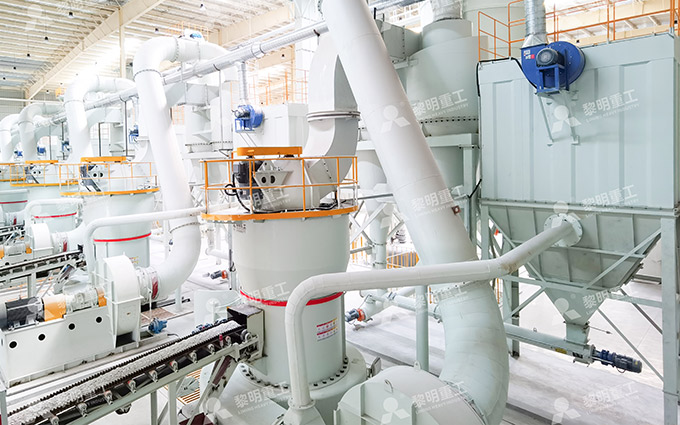
The grinding system may include feeding equipment, a mill, classifier, blower, dust collector, powder conveyor and finished-product storage equipment. The final powder should have a stable particle-size distribution suitable for its intended application.
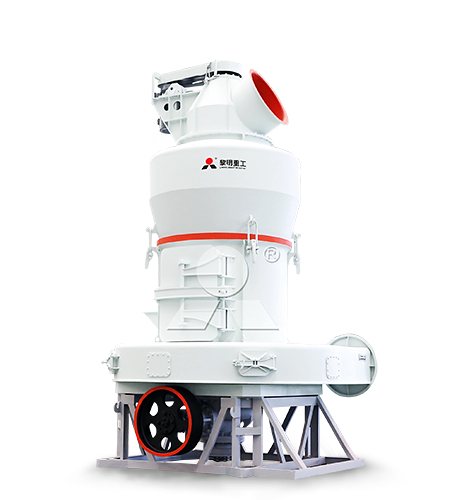
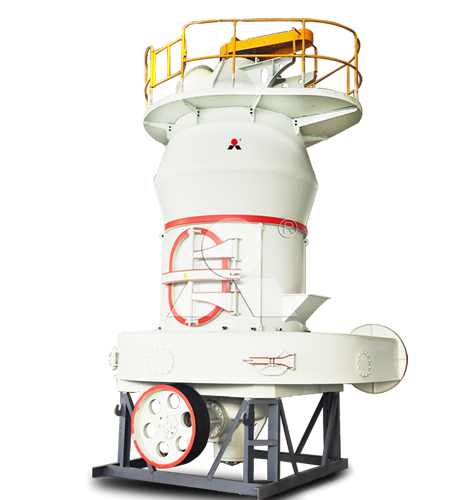
R Raymond Mill for Conventional Calcined Gypsum Powder
An R Raymond mill can be considered for conventional calcined gypsum powder production where the required capacity and fineness are within a moderate operating range. Stable feed preparation and consistent material condition after calcination are important for reliable operation.
For this type of system, mill performance is influenced by feed size, material flow, grinding component condition and airflow balance. The classifier should be adjusted according to the required finished powder grade.
MTW European Grinding Mill for Broad Fineness Requirements
An MTW European grinding mill is suitable for conventional industrial calcined gypsum powder processing with a broad range of fineness requirements. It can be arranged as part of a calcination and grinding line where the material has already completed thermal treatment.
The mill configuration should be based on the actual calcined gypsum condition. Feed stability, powder discharge, classification performance and dust collection should be considered together to maintain continuous operation.
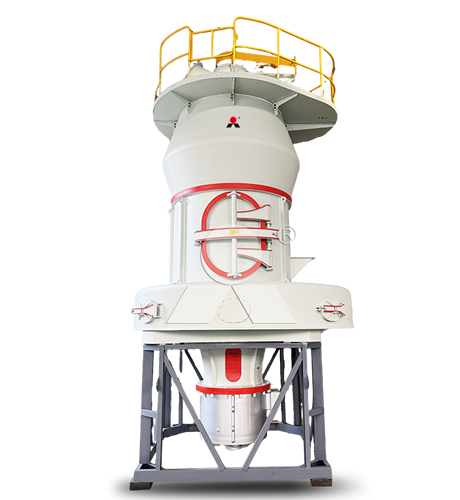
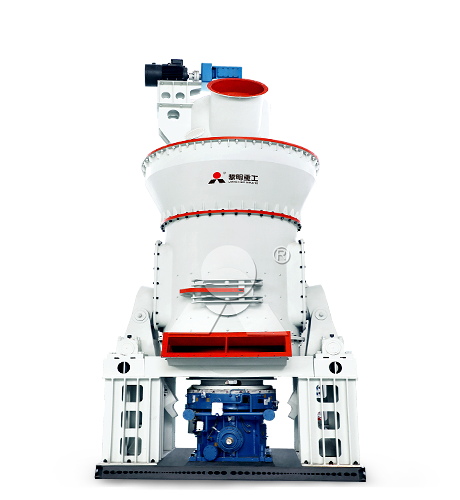
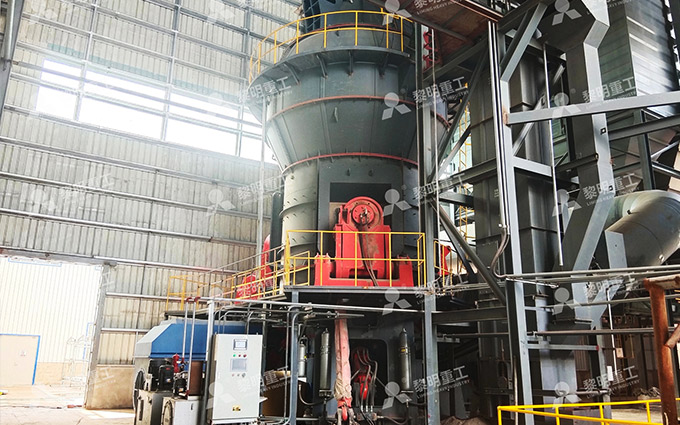
LM Vertical Grinding Mill for Continuous Production Lines
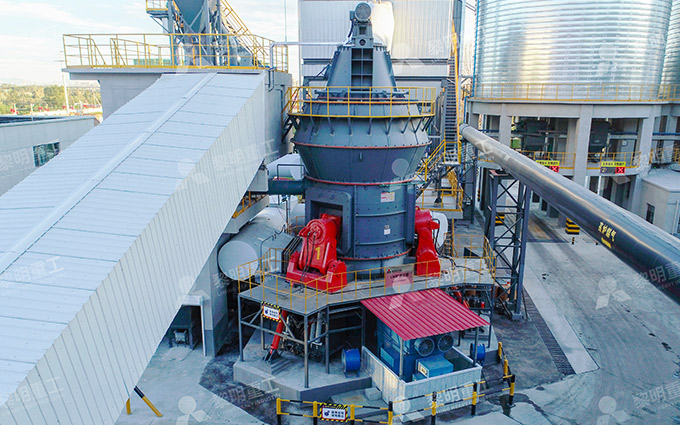
An LM vertical grinding mill can be considered for larger calcined gypsum powder production lines that require stable, continuous material processing. It is suitable for configurations where feeding, grinding, air handling, dust collection and powder transport need to operate as an integrated system.
For a larger line, the grinding section should receive a steady supply of calcined gypsum from the upstream thermal process. Proper coordination between calcination discharge, intermediate storage and mill feeding helps reduce output fluctuations.
LUM Ultrafine Vertical Mill for Finer Calcined Gypsum Powder
A LUM ultrafine vertical mill is suitable for calcined gypsum applications requiring finer powder and more controlled particle-size distribution. In these applications, the relationship between grinding and classification is particularly important.
Fine particles that meet the target condition are collected as product, while coarser material is returned for further grinding. Stable classifier operation helps maintain a more uniform finished powder and reduces unnecessary overgrinding.
Classification After Grinding
Classification separates the finished powder from particles that still require further grinding. It is an essential part of producing calcined gypsum powder with a controlled particle-size distribution. The classification condition must be coordinated with the grinding condition, material feed and airflow.
If the classifier is not properly adjusted, the final product may contain an excessive amount of coarse material or may show unnecessary variation from one operating period to another. The condition of the grinding parts, the volume of circulating material and the stability of the feed all influence the classification result.
| Observed Condition | Possible Process Area to Check |
|---|---|
| Finished powder becomes coarser than expected | Classifier setting, airflow balance, feed rate and grinding component wear |
| Production output falls | Feed stability, material moisture, system blockage, mill condition and dust collection resistance |
| Powder quality changes frequently | Raw material variation, calcination condition, storage condition and classification stability |
| Material accumulates in conveyors or hoppers | Temperature, moisture, transfer angle, flow condition and discharge equipment |
| Dust increases around transfer points | Sealing condition, negative pressure, ducting and dust collector performance |
Dust Collection in a Calcination and Grinding Line
Dust collection is required at multiple points in a gypsum calcination and grinding process. Fine gypsum particles can be generated during crushing, thermal processing, material transfer, grinding, classification and packing. A properly arranged dust collection system helps maintain process balance and recover usable material.
The system should be designed around the actual sources of dust. Transfer points, kiln discharge, mill outlets, classifier circuits and packing stations may all require suitable collection arrangements. Enclosed conveying and effective sealing help reduce uncontrolled dust release before it reaches the dust collection equipment.
Air volume, duct layout, filter condition and system sealing should be checked regularly. A change in dust collection performance can affect not only the working environment but also airflow balance in the grinding and classification system.
How Calcination Differs From a Grinding-Only Process
The main difference is the thermal conversion stage. A grinding-only line reduces natural gypsum to the required powder size without changing its mineral form through heat. A calcination and grinding line adds a controlled heating stage before final powder processing.
| Process Item | Grinding-Only Line | Calcination and Grinding Line |
|---|---|---|
| Raw material | Natural gypsum or another non-calcined gypsum feed | Raw gypsum prepared for thermal conversion |
| Thermal treatment | Not included | Included before downstream grinding |
| Main process route | Crushing → Grinding → Classification → Packing | Crushing → Calcination → Grinding → Classification → Packing |
| Product direction | Ground natural gypsum powder | Calcined gypsum powder for gypsum-based products |
| Primary control focus | Feed size, fineness and powder collection | Thermal condition, material transfer, fineness and powder collection |
Common Questions About Gypsum Calcination
Does every gypsum powder plant need a calcination system?
No. Calcination is only required when the finished product needs calcined gypsum properties. For ground natural gypsum powder, a grinding-only process may be sufficient.
Can raw gypsum enter the calcination system without crushing?
That depends on the raw material size and the feed requirement of the selected thermal equipment. In most cases, crushing is used to prepare a more uniform feed and support stable thermal processing.
Why is grinding needed after calcination?
Calcination changes the gypsum through controlled heating, while grinding produces the particle size required for final use. The calcined material may still need grinding and classification to achieve the required powder condition.
What affects the consistency of calcined gypsum?
Raw material properties, feed-size uniformity, feed rate, thermal condition, material residence time, discharge stability, cooling, storage and downstream handling all affect the final condition.
Which mill can be used after gypsum calcination?
R Raymond mills, MTW European grinding mills, LM vertical grinding mills and LUM ultrafine vertical mills can be selected according to the required production capacity, feed condition, target fineness and application.
Conclusion
Gypsum calcination is the process that converts raw gypsum into calcined gypsum through controlled thermal treatment. It is an essential stage for producing many gypsum-based materials, but it is not required for every type of gypsum powder.
A complete calcination and grinding line typically combines crushing, controlled feeding, thermal processing, material transfer, grinding, classification, dust collection and packing. Stable raw material preparation, consistent thermal conditions and properly matched downstream grinding equipment are all important for producing calcined gypsum powder with a reliable final condition.