Gypsum Powder Production Line
Gypsum Rotary Kiln: Working Principle and Calcination Process
2026-09-09 13:48:09
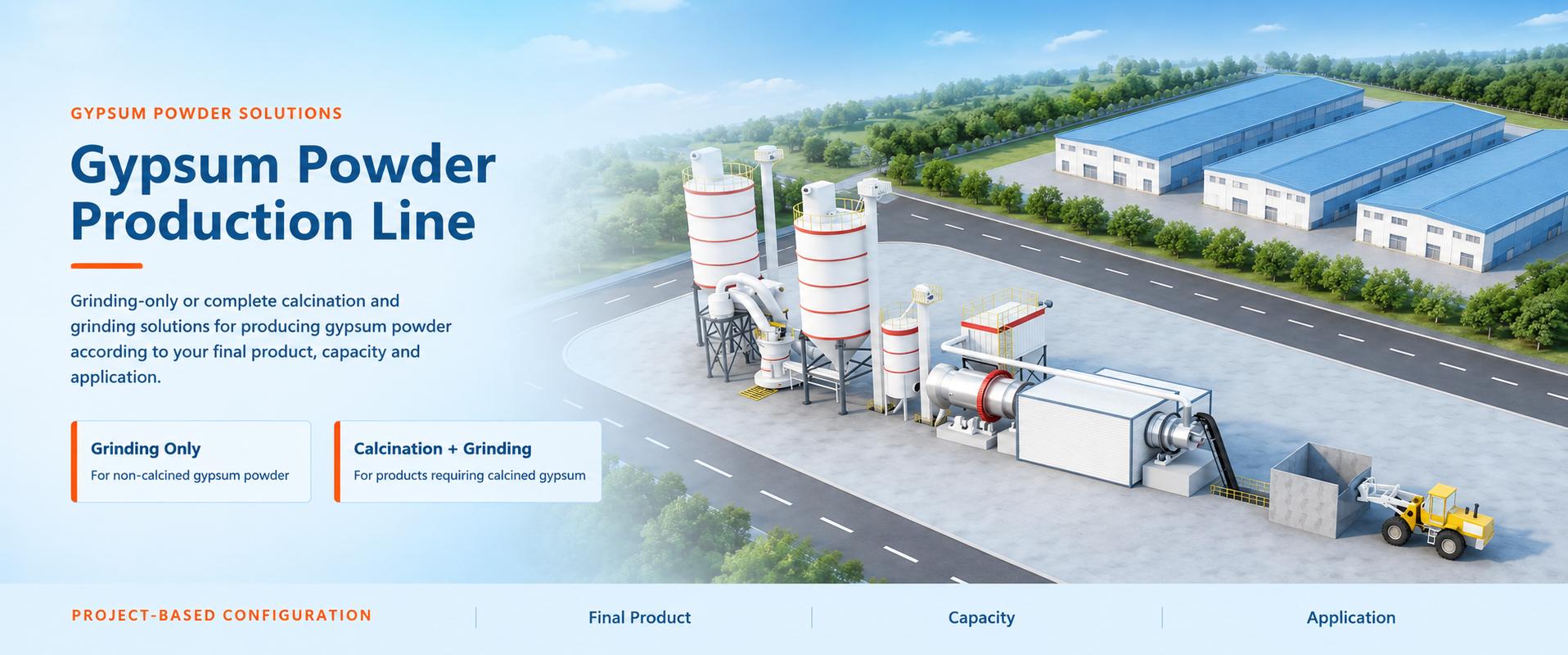
A gypsum rotary kiln is a continuous thermal processing unit used to convert prepared raw gypsum into calcined gypsum. It works by moving gypsum gradually through a rotating, slightly inclined cylindrical shell while the material receives controlled heat. The kiln is commonly arranged within a complete process that includes crushing, feeding, calcination, cooling or transfer, grinding, classification, dust collection and packing.
The rotary kiln is used when the required final product needs calcined gypsum properties. It is not required for every gypsum powder project. When the final product is ground natural gypsum powder, the line can follow a crushing, grinding, classification and packing route without calcination.
What Is a Gypsum Rotary Kiln?
A gypsum rotary kiln is a rotating cylindrical vessel used for continuous calcination. The kiln shell is installed with a slight slope from the feed end to the discharge end. As the shell rotates, the gypsum material is lifted and rolled forward gradually by the internal movement and the kiln inclination.
Heat is introduced under controlled conditions so that the gypsum undergoes thermal conversion during its movement through the kiln. The material remains in the kiln for a defined period, referred to as residence time. The combination of feed rate, kiln rotation, inclination, material condition and thermal input determines how the gypsum is processed.
In a complete gypsum powder plant, the rotary kiln is not an isolated machine. It must receive suitable feed from the crushing section and discharge calcined gypsum at a stable rate to the cooling, storage, grinding or conveying section.
Why Gypsum Is Calcined
Natural gypsum is mainly calcium sulfate dihydrate, written as CaSO4·2H2O. Its crystal structure contains chemically combined water. During calcination, controlled heat removes part of this water and changes the raw gypsum into a calcined gypsum material.
One common calcined gypsum form is calcium sulfate hemihydrate, written as CaSO4·½H2O. This material is used in products such as construction gypsum, gypsum plaster, Plaster of Paris, gypsum board-related materials and other gypsum-based applications.
Calcination is different from ordinary drying. Drying removes free surface moisture, while calcination removes part of the chemically combined water within the gypsum mineral structure. Both free moisture and chemically combined water affect the operation of a gypsum thermal process, but they are not the same.
Gypsum Rotary Kiln Working Principle
The working principle of a gypsum rotary kiln can be understood as a controlled movement-and-heating process. Prepared gypsum enters from the higher end of the kiln. The rotating shell lifts and turns the material, while the slight kiln slope allows it to move slowly toward the lower discharge end.
As the material moves through the kiln, it receives heat. The thermal condition is adjusted according to the raw gypsum properties and the required calcined product. The gypsum is exposed to heat for a controlled residence time before being discharged for downstream handling.
Crushed gypsum is fed into the kiln inlet at a controlled rate.
The kiln shell rotates and moves the material gradually forward.
The gypsum is repeatedly lifted, rolled and exposed to heat during movement.
Part of the chemically combined water is removed under controlled thermal conditions.
Calcined gypsum exits from the kiln discharge end.
The material is cooled, conveyed or stored before downstream grinding and classification.
The feed rate and kiln rotation should be coordinated. If the material enters too quickly, it may not remain in the thermal zone long enough. If the material flow becomes too slow, the thermal exposure may increase beyond the intended condition. Stable feeding is therefore essential for continuous kiln operation.
Main Sections of a Rotary Kiln System
| System Section | Main Function |
|---|---|
| Raw gypsum storage | Receives and buffers raw material before crushing and processing. |
| Crushing section | Reduces large gypsum lumps to a suitable feed size. |
| Feeding system | Supplies prepared gypsum to the kiln at a controlled rate. |
| Rotary kiln shell | Moves gypsum through the thermal zone while the material is heated. |
| Drive and support system | Rotates and supports the kiln shell during operation. |
| Thermal system | Provides controlled heat for the calcination process. |
| Gas and dust handling system | Manages process airflow and captures fine particles. |
| Discharge and cooling section | Transfers calcined gypsum to the next process stage. |
| Grinding and classification section | Produces finished calcined gypsum powder with controlled particle size. |
Raw Gypsum Preparation Before the Kiln
Raw gypsum should be prepared before it enters the rotary kiln. Large lumps, unstable feed size, high moisture and foreign materials can all affect the calcination process. The purpose of the upstream preparation section is to provide a more uniform material flow to the kiln.
Crushing reduces the raw gypsum to a size suitable for continuous thermal treatment. A feeder then controls the amount of material entering the kiln. Storage bins or hoppers may be used to buffer material between crushing and calcination.
Uniformity is important because different gypsum particle sizes can respond differently to the same thermal condition. Large particles may receive heat differently from small particles. A more consistent feed size supports more even calcination and more stable kiln discharge.
Feed Conditions to Check
Maximum particle size after crushing.
Distribution of particle sizes in the feed.
Free moisture content of the raw gypsum.
Presence of clay, soil, metal or other impurities.
Stability of the feed rate entering the kiln.
Raw material storage condition before processing.
Material Movement Inside the Kiln
Material movement inside the rotary kiln is created by the combined effect of shell rotation and kiln inclination. As the shell rotates, gypsum particles are carried upward along the inner surface and then fall or roll back down. This repeated movement exposes different portions of the material to the process environment.
The inclined position of the kiln allows the material to progress from the feed end toward the discharge end. The rate of movement depends on several conditions, including kiln slope, rotational speed, feed characteristics and internal material behavior.
Stable movement is necessary because residence time affects calcination. If material movement becomes irregular, one portion of the feed may receive less thermal treatment while another portion remains in the kiln longer than intended. Consistent crushing and feeding help reduce this variation.
Heat Transfer and Calcination Control
The rotary kiln provides controlled thermal energy to the gypsum as it moves through the cylinder. The process must be adjusted to the raw material and final product requirement. The objective is to convert the gypsum into the required calcined material while maintaining stable operation.
Several conditions work together during calcination. The feed rate determines how much material enters the process. The kiln rotation and slope influence material residence time. The raw gypsum moisture affects thermal demand. Airflow and dust collection influence the overall process environment and the handling of fine particles.
| Operating Condition | Why It Matters |
|---|---|
| Feed rate | Affects the amount of material receiving heat and the average residence time. |
| Feed size | Influences heat transfer and material movement through the kiln. |
| Raw material moisture | Changes the thermal load and may affect material handling. |
| Kiln rotation | Controls how the material is lifted, mixed and moved forward. |
| Kiln inclination | Supports gradual movement from feed end to discharge end. |
| Thermal condition | Determines the degree of gypsum conversion during calcination. |
| Residence time | Influences how long the material remains in the thermal zone. |
| Airflow and dust collection | Support process balance, gas handling and fine-particle recovery. |
Gypsum Rotary Kiln Calcination Process
The following process describes a typical gypsum rotary kiln arrangement for calcined gypsum powder production. Actual equipment layout and operating conditions should be determined according to the material properties, required output and final application.
Step 1: Raw Gypsum Receiving
Raw gypsum is delivered to the plant and transferred to a receiving area or storage bin. The material is inspected for large lumps, visible impurities and moisture condition. Storage capacity helps maintain production when delivery timing changes.
Step 2: Crushing and Feed-Size Reduction
Raw gypsum is crushed to a suitable size for kiln feeding. The crushing system may include a feeder, crusher, conveyor, screen and magnetic separation equipment. The aim is to produce a stable feed rather than final powder.
Step 3: Controlled Kiln Feeding
Prepared gypsum is fed into the rotary kiln through a controlled feeding system. The feed rate should remain as stable as possible because changes in feed quantity can alter the thermal load and material residence time.
Step 4: Rotary Kiln Calcination
The gypsum moves gradually through the rotating kiln and receives controlled heat. During this stage, part of the chemically combined water is removed. The material is converted from raw gypsum to calcined gypsum according to the intended product direction.
Step 5: Discharge, Cooling and Transfer
Calcined gypsum leaves the kiln through the discharge end. It may be cooled, conveyed directly, transferred through enclosed equipment or stored temporarily before grinding. Material temperature and storage condition should be managed to support stable downstream processing.
Step 6: Grinding and Classification
Calcined gypsum enters a grinding system to reach the required finished powder size. Classification separates powder that meets the target condition from coarser particles that need additional grinding.
Step 7: Dust Collection and Packing
Fine particles generated during calcination, grinding, classification and conveying are collected through the dust collection system. Qualified finished powder is transferred to storage bins, bagging equipment, bulk loading equipment or a downstream production process.
Cooling and Downstream Material Handling
The discharge condition of the calcined gypsum affects the next stage. After leaving the kiln, the material may have a temperature and flow condition that requires cooling or controlled transfer before grinding. The handling system should protect the material from unnecessary moisture exposure and reduce dust leakage at transfer points.
Intermediate storage can provide a buffer between the kiln and the grinding mill. This helps the calcination section and grinding section operate with greater independence. If one section experiences a short interruption, storage capacity can reduce the effect on the rest of the plant.
Hoppers, conveyors and discharge equipment should be selected according to the actual material characteristics. Poorly designed transfer points can cause material buildup, irregular mill feeding or dust escape. Stable material transfer supports stable powder production.
Grinding Calcined Gypsum After Rotary Kiln Processing
A rotary kiln produces calcined gypsum, but it does not necessarily produce the final powder fineness required by the application. After thermal treatment, grinding and classification are used to prepare the finished gypsum powder.
The selection of grinding equipment depends on the calcined gypsum feed condition, required output, target fineness and final application. The mill should receive stable material from the kiln discharge or intermediate storage section.
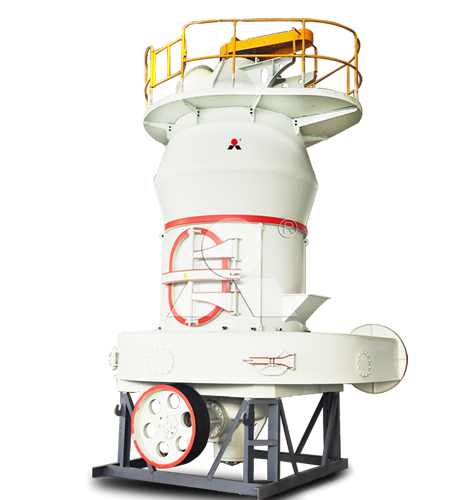
R Raymond Mill
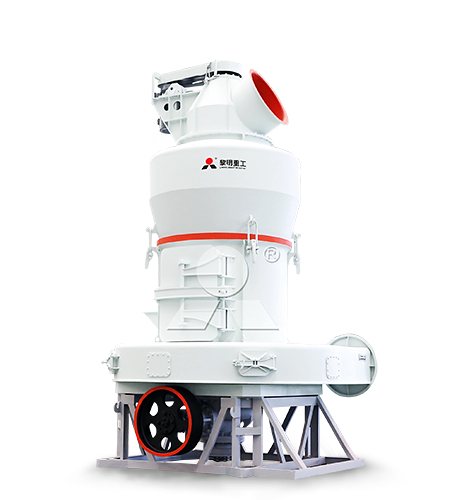
An R Raymond mill can be used for conventional calcined gypsum powder production where the required capacity and powder fineness are within a moderate range. It is suitable for grinding prepared calcined gypsum into common industrial powder grades.
MTW European Grinding Mill
An MTW European grinding mill is suitable for conventional industrial calcined gypsum powder with a broad range of fineness requirements. It can be connected to the downstream section of a rotary kiln calcination line through a stable material-transfer and feeding arrangement.
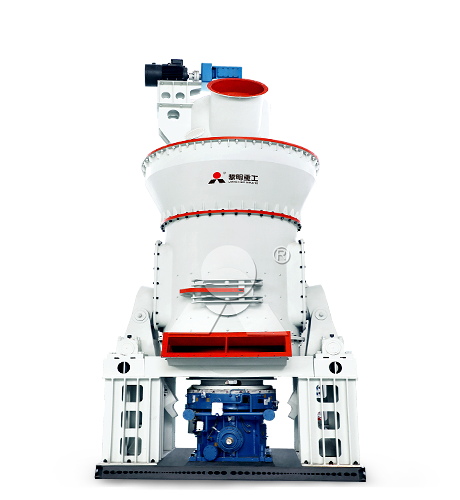
LM Vertical Grinding Mill
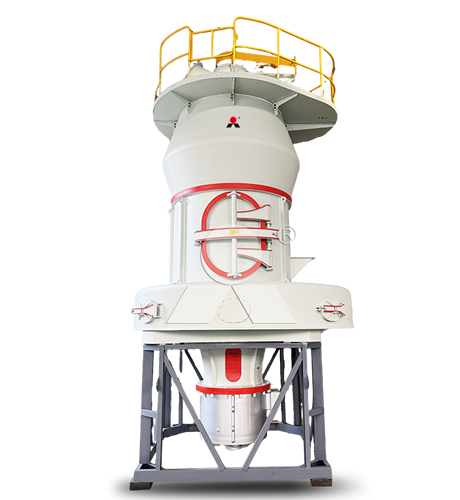
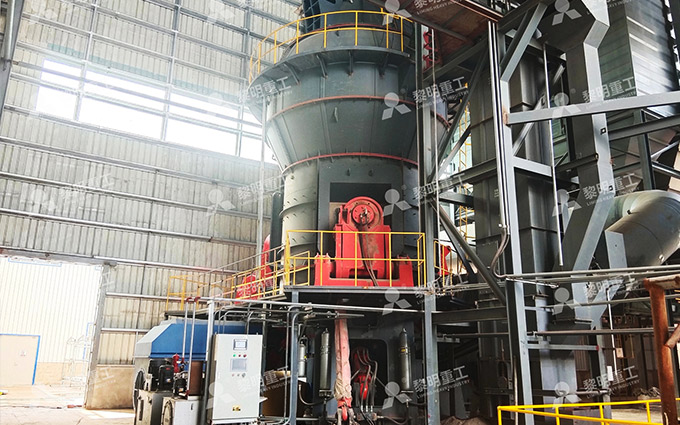
An LM vertical grinding mill can be considered for larger continuous gypsum powder production lines. It is suitable for an integrated arrangement where kiln discharge, intermediate storage, mill feeding, classification, dust collection and finished-product handling need to operate continuously.
LUM Ultrafine Vertical Mill
A LUM ultrafine vertical mill is suitable for applications requiring finer calcined gypsum powder and more precise particle-size control. In this type of process, classifier performance is especially important because the finished powder requires closer control of the fine fraction.
Dust Collection in a Rotary Kiln System
Dust collection is required at multiple points in a gypsum rotary kiln line. Fine particles may be generated during raw material crushing, kiln feeding, calcination, discharge, cooling, grinding, classification and packing.
A dust collection system typically includes collection hoods, ducts, filters, fans, discharge equipment and sealed transfer points. The system helps recover fine material and supports negative-pressure operation around dust-generating equipment.
Dust collection also affects process airflow. A change in fan operation, filter condition or duct resistance can influence the gas flow around the kiln and downstream grinding system. Routine inspection of the air system is therefore part of maintaining stable operation.
Common Rotary Kiln Operating Issues
| Observed Condition | Possible Reasons | Areas to Check |
|---|---|---|
| Calcined gypsum condition is unstable | Feed variation, raw material changes or changing thermal conditions | Feed rate, feed size, moisture, kiln operation and material residence time |
| Material flow through the kiln is irregular | Uneven feed, material buildup or changes in material condition | Feeding equipment, feed size, moisture and kiln rotation |
| Calcined material discharge fluctuates | Unstable raw material feed or variable material movement | Crusher output, feeder condition, kiln slope and rotational condition |
| Downstream mill feed is unstable | Irregular kiln discharge, insufficient storage or transfer blockage | Cooling section, conveyors, intermediate storage and mill feeding equipment |
| Dust increases around the kiln system | Leakage, ineffective collection or airflow imbalance | Seals, ducts, collection hoods, filters and fan operation |
| Material accumulates in hoppers | Moisture, temperature, poor flow conditions or unsuitable discharge design | Material condition, hopper geometry, discharge equipment and transfer chutes |
Rotary Kiln Selection Considerations
A gypsum rotary kiln should be selected as part of the complete process rather than by considering thermal capacity alone. The upstream crushing section, raw material storage, feeding equipment, dust collection system, downstream grinding mill and product handling arrangement all influence the final plant performance.
Confirm the type and condition of the raw gypsum.
Confirm whether the final product requires calcined gypsum.
Determine the required plant capacity and operating hours.
Check raw gypsum size and moisture before the kiln.
Define the required calcined gypsum product condition.
Plan cooling, storage and conveying after kiln discharge.
Select grinding equipment based on finished powder fineness and capacity.
Provide suitable dust collection for crushing, calcination, grinding and packing.
Match finished-product storage and packing capacity to the total plant output.
Conclusion
A gypsum rotary kiln uses controlled heat, shell rotation and gradual material movement to convert prepared raw gypsum into calcined gypsum. The material enters at the feed end, travels through the rotating kiln under controlled thermal conditions and exits as calcined gypsum for downstream cooling, grinding, classification and packing.
The rotary kiln works most effectively when integrated with stable crushing, controlled feeding, suitable material transfer, matched grinding equipment and effective dust collection. R Raymond mills, MTW European grinding mills, LM vertical grinding mills and LUM ultrafine vertical mills can be selected after calcination according to the required capacity, finished powder fineness and final application.