Gypsum Powder Production Line
Gypsum Processing Equipment: Crusher, Calcination, Grinding and Packing
2026-09-09 13:49:30
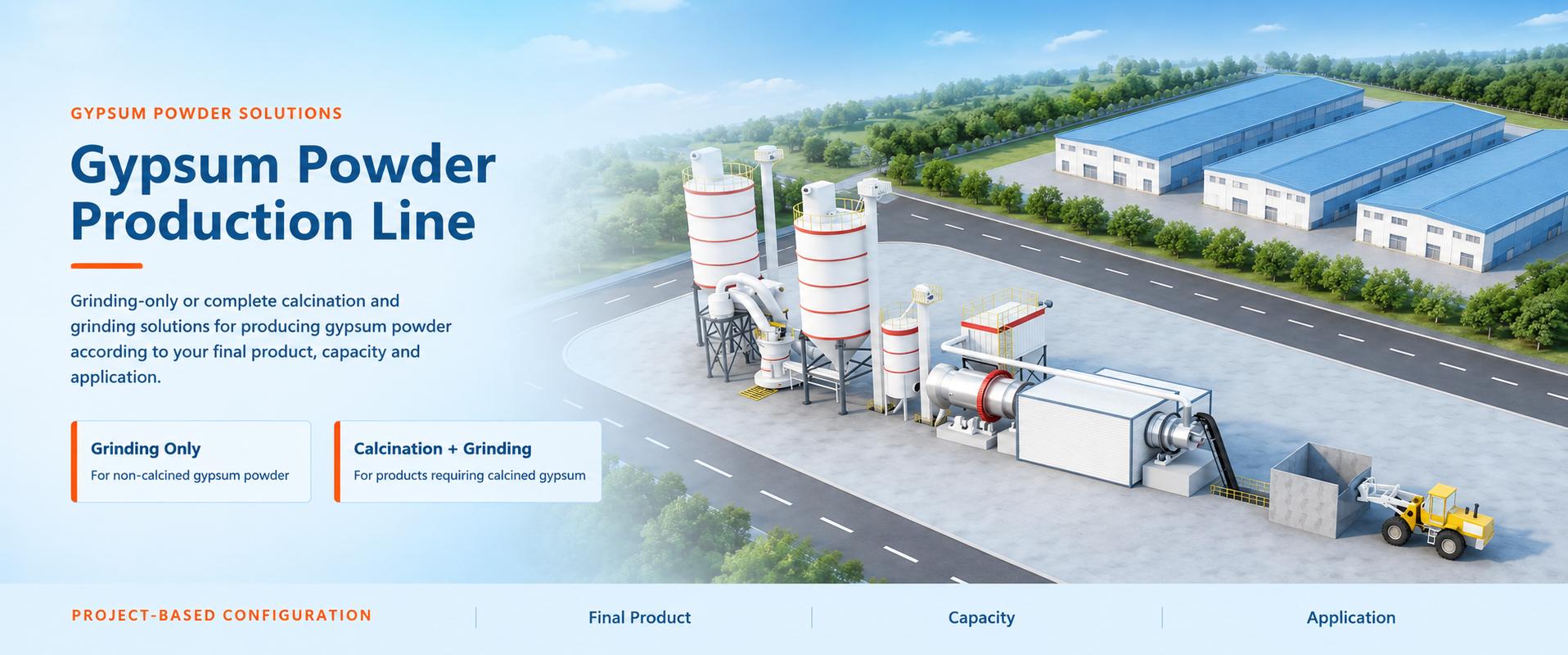
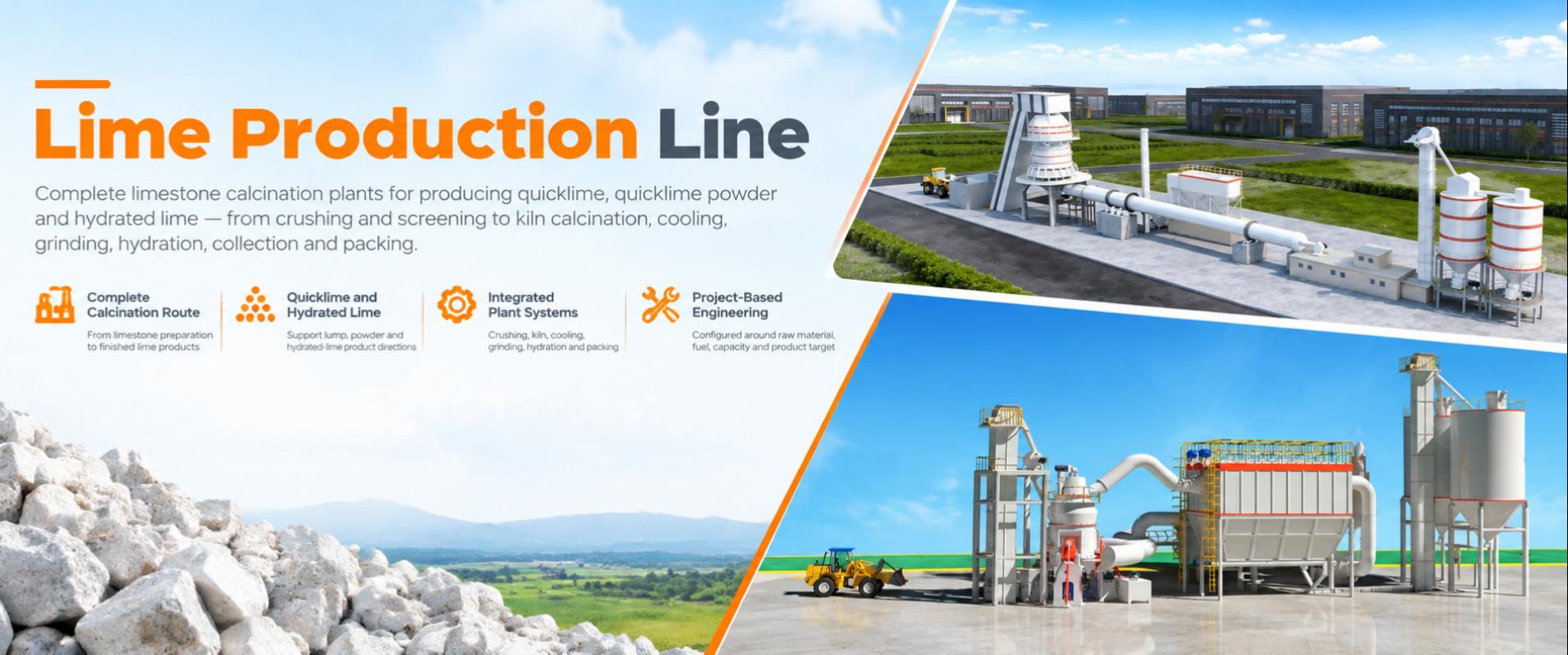
Gypsum processing equipment forms a complete material-handling and powder-production system. Depending on the required final product, the line may include raw gypsum receiving, crushing, storage, feeding, calcination, cooling, grinding, classification, dust collection, conveying and packing.
The main process route is selected according to whether the finished material requires calcined gypsum. A grinding-only line is used for ground natural gypsum powder. A calcination and grinding line is used for products that require thermal conversion before final powder processing, including construction gypsum, gypsum plaster, Plaster of Paris and other gypsum-based materials.
Two Gypsum Processing Routes
Not every gypsum powder project needs the same equipment. The central process decision is whether calcination is required before grinding.
| Processing Route | Main Equipment Sequence | Finished Product Direction |
|---|---|---|
| Grinding-Only Line | Receiving → Crushing → Storage → Grinding → Classification → Dust Collection → Packing | Ground natural gypsum powder and non-calcined gypsum materials |
| Calcination and Grinding Line | Receiving → Crushing → Storage → Calcination → Cooling → Grinding → Classification → Dust Collection → Packing | Calcined gypsum powder for plaster, construction gypsum and related products |
Equipment should be selected as a connected system. The crusher must provide suitable feed for the next stage. The calcination section must deliver stable material to the grinding system. The classifier, dust collector, storage bin and packing system must all match the output of the grinding mill.
Complete Gypsum Processing Equipment List
| Equipment Section | Main Function | Included in Grinding-Only Line | Included in Calcination and Grinding Line |
|---|---|---|---|
| Raw material receiving equipment | Receives and stores incoming gypsum. | Yes | Yes |
| Feeding equipment | Supplies material to crushers, kilns or grinding mills at a controlled rate. | Yes | Yes |
| Crusher | Reduces raw gypsum lumps to a suitable feed size. | Yes | Yes |
| Screening and magnetic separation equipment | Controls feed size and removes unwanted materials where required. | As required | As required |
| Calcination equipment | Converts raw gypsum into calcined gypsum through controlled heat. | No | Yes |
| Cooling and transfer equipment | Transfers calcined gypsum to downstream grinding or storage. | As required | Yes |
| Grinding mill | Reduces gypsum to the required powder fineness. | Yes | Yes |
| Classifier | Separates qualified powder from particles requiring further grinding. | Yes | Yes |
| Dust collection system | Recovers fine particles and maintains controlled airflow. | Yes | Yes |
| Conveying equipment | Transfers material between process stages. | Yes | Yes |
| Finished-product storage | Buffers powder before packing or bulk loading. | Yes | Yes |
| Packing equipment | Fills bags or transfers powder for bulk delivery. | Yes | Yes |
Raw Gypsum Receiving and Storage Equipment
The processing line begins with raw gypsum receiving. Incoming material may be natural gypsum, industrial gypsum or another gypsum-bearing feed. Before it enters the main process, the material should be evaluated for lump size, free moisture, impurities and flow condition.
Receiving hoppers, storage yards, bins, feeders and conveyors are used to manage material supply. Storage capacity helps balance changes in delivery schedules and gives the plant a more stable feed source. The storage system should also protect material from unnecessary moisture exposure where possible.
Functions of the Raw Material Section
Receive gypsum from trucks, loaders or upstream production equipment.
Store enough raw material to support continuous operation.
Control the flow of gypsum into the crushing section.
Separate large foreign materials before they enter downstream equipment.
Reduce sudden changes in feed quantity caused by delivery variation.
Gypsum Crusher and Feed Preparation Equipment
A crusher reduces raw gypsum lumps to a suitable size for calcination equipment or a grinding mill. Crushing is an important preparation stage because gypsum often arrives in pieces that are too large for direct feeding into the next process.
The objective of the crusher is to provide a stable and uniform feed. The crusher discharge size should be matched to the requirements of the selected grinding mill or calcination section. Oversized material can affect downstream equipment performance, while very uneven feed can lead to unstable material flow.
Typical Crushing Section Equipment
| Equipment | Function |
|---|---|
| Receiving hopper | Accepts raw gypsum before controlled feeding. |
| Vibrating feeder or belt feeder | Delivers gypsum steadily to the crusher. |
| Crusher | Reduces gypsum lumps to the required feed size. |
| Belt conveyor | Transfers crushed gypsum to storage, calcination or grinding. |
| Screen | Separates oversized material or controls the feed-size range where required. |
| Magnetic separator | Removes metal fragments that could damage downstream equipment. |
| Crushed-material bin | Provides buffer storage before the next process stage. |
When Calcination Equipment Is Required
Calcination equipment is needed only when the final product requires calcined gypsum. The thermal stage converts raw gypsum into a material with different properties from ground natural gypsum. It is used for product directions such as construction gypsum, gypsum plaster, Plaster of Paris and certain gypsum board formulations.
Natural gypsum is mainly calcium sulfate dihydrate, CaSO4·2H2O. Through controlled heating, part of the chemically combined water is removed, producing calcined gypsum that commonly includes calcium sulfate hemihydrate, CaSO4·½H2O.
Calcination should not be confused with ordinary drying. Removing free surface moisture is different from removing part of the chemically combined water within the gypsum structure. The calcination system must be controlled according to the raw material and required final product.
Rotary Kiln and Calcination System
A rotary kiln can be used as a continuous gypsum calcination unit. The kiln is a rotating, slightly inclined cylindrical shell. Prepared gypsum enters at the feed end, moves gradually through the kiln while receiving controlled heat and exits as calcined gypsum at the discharge end.
The rotary kiln can be integrated with feeding equipment, conveying equipment, dust collection, cooling and downstream grinding. Stable feed size and feed rate are important because they influence material movement, residence time and thermal exposure inside the kiln.
Calcination System Components
Crushed gypsum storage bin.
Controlled kiln feeding equipment.
Rotary kiln or another suitable calcination unit.
Thermal and air-handling system.
Dust collection equipment.
Kiln discharge equipment.
Cooling equipment or controlled material-transfer system.
Intermediate storage before grinding.
Cooling and Material Transfer Equipment
After calcination, gypsum must move to the grinding section under controlled conditions. Depending on the plant arrangement, the material may be cooled, transferred by enclosed conveyors or stored temporarily before entering the mill.
Conveyors, elevators, screw conveyors, chutes and storage bins should be selected according to the flow behavior of the calcined gypsum. The transfer section should reduce material buildup, avoid unnecessary moisture exposure and provide stable feed to downstream grinding equipment.
Intermediate storage is useful when the calcination and grinding sections have different operating rhythms. It acts as a buffer, allowing one section to continue for a limited time when another section is adjusted or temporarily stopped.
Gypsum Grinding Equipment
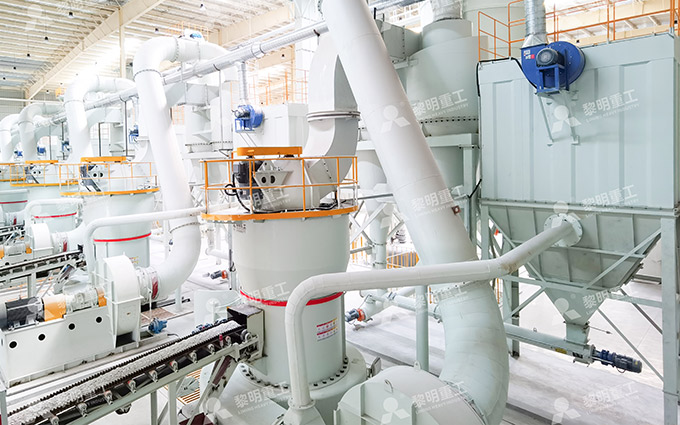
Grinding equipment converts crushed natural gypsum or calcined gypsum into finished powder. The mill selection depends on feed size, material moisture, target fineness, required capacity, particle-size control and final application.
The grinding mill should be selected together with the classifier, dust collector, fan, feeder and finished-product handling equipment. A mill cannot maintain stable powder quality if upstream feeding or downstream classification is not matched to its operating condition.
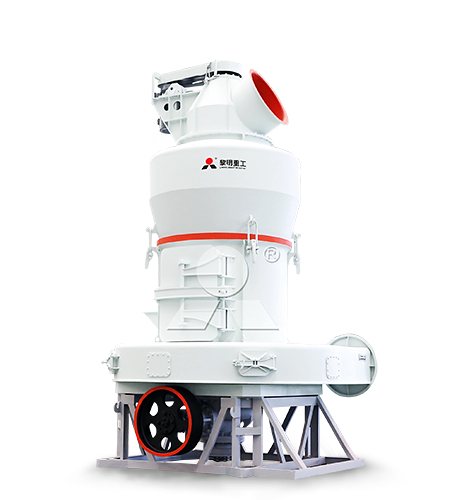
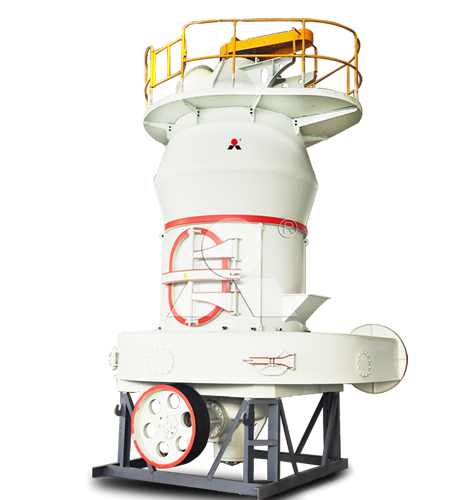
R Raymond Mill
An R Raymond mill can be used for conventional gypsum powder production where the capacity and fineness requirements are within a moderate range. It is suitable for prepared natural gypsum and for calcined gypsum that requires final grinding.
The system can include a feeder, grinding mill, classifier, blower, dust collector, powder conveyor and finished-product storage bin. Stable feed size and controlled material flow support more consistent operation.
MTW European Grinding Mill
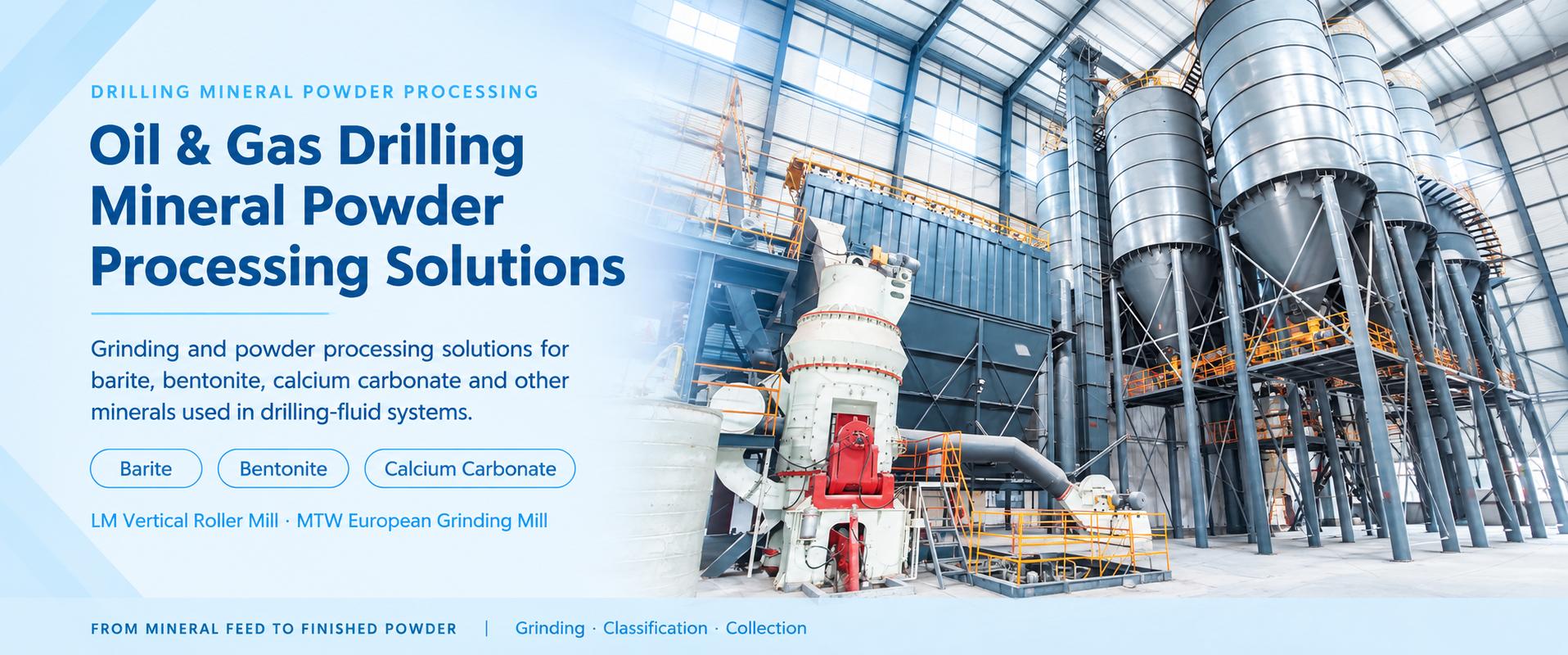
An MTW European grinding mill is suitable for industrial gypsum powder processing with a broad range of fineness requirements. It can be installed in a grinding-only line or downstream of a calcination section.
The complete arrangement can include feeding, grinding, classification, air handling, dust collection, conveying and storage. Equipment selection should be based on the actual gypsum condition and required finished powder grade.
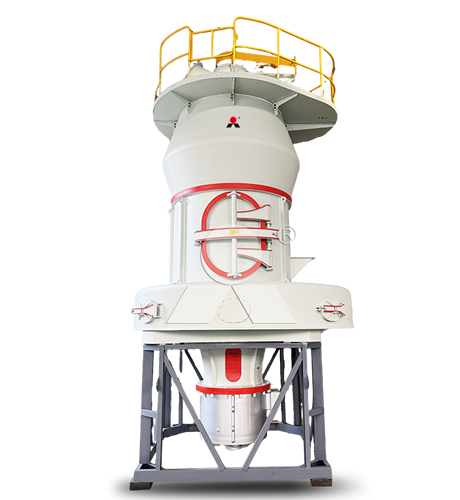
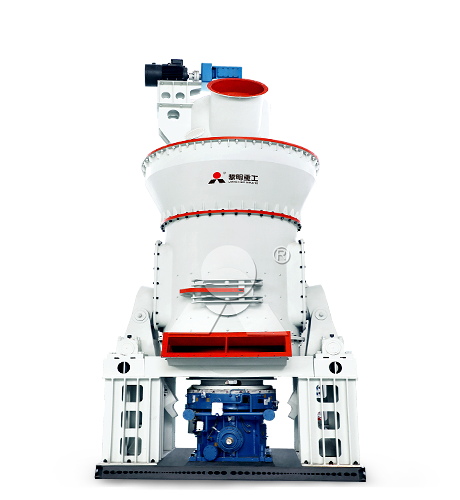
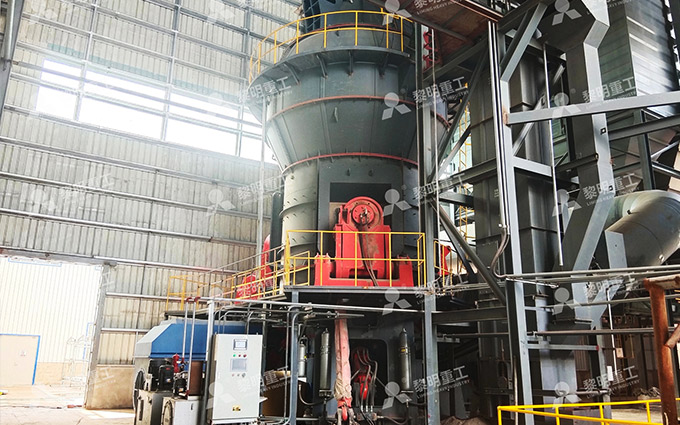
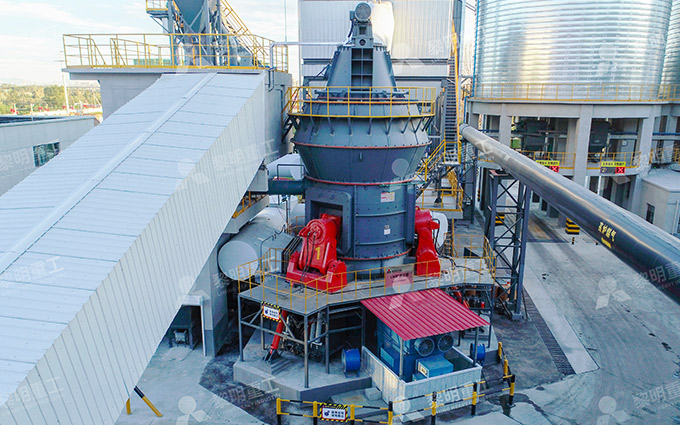
LM Vertical Grinding Mill
An LM vertical grinding mill can be considered for larger gypsum powder production lines requiring stable continuous operation. It is suitable for integrated configurations where feeding, grinding, classification, dust collection and powder conveying are coordinated.
For a larger plant, the capacity of upstream crushing, calcination when required, storage and conveying should match the mill output. This helps maintain consistent material flow and reduces unnecessary interruptions.
LUM Ultrafine Vertical Mill
A LUM ultrafine vertical mill is suitable for gypsum applications requiring finer finished powder and more precise particle-size control. It can be selected when the final product requires a finer grade than conventional gypsum powder.
Fine powder production requires coordinated operation between the grinding section and classifier. Qualified fine particles are collected as finished product, while larger particles return to the grinding zone for further size reduction.
Classification Equipment
Classification equipment controls the particle size of finished gypsum powder. After grinding, the material contains particles of different sizes. The classifier separates qualified powder from coarse particles that require further grinding.
A stable classifier setting is important for consistent finished powder. If the classifier setting is too coarse, oversized particles may enter the product. If it is set too fine, more material returns to the mill, increasing the circulating load and reducing finished-product output.
| Classification Condition | Possible Result |
|---|---|
| Coarse separation setting | More large particles may enter the finished powder. |
| Fine separation setting | Finer powder can be produced, but more material may return for grinding. |
| Unstable feed rate | Particle-size distribution can fluctuate. |
| Airflow imbalance | Powder transport and separation efficiency can change. |
| Grinding component wear | Grinding efficiency may decrease and coarse material may increase. |
Dust Collection Equipment
Dust collection equipment is required throughout a gypsum processing plant. Fine particles are generated during crushing, calcination, cooling, grinding, classification, conveying and packing. A dust collection system helps recover usable material, maintain controlled pressure and reduce dust leakage from process equipment.
The system may include dust hoods, ducts, filters, fans, discharge valves and enclosed transfer points. In the grinding section, airflow is also part of the powder transport and classification process. For this reason, dust collection performance should be checked together with mill and classifier operation.
Air leaks, damaged seals, blocked filters or incorrect fan operation can affect both dust control and finished powder consistency. The condition of filter elements, ducts, fans and equipment seals should be checked regularly.
Conveying Equipment
Conveying equipment connects each stage of gypsum processing. Raw gypsum may move from receiving to crushing by belt conveyor. Crushed gypsum may move to storage, calcination or grinding. Calcined gypsum may be transferred through cooling equipment and intermediate storage. Finished powder may be transported to silos and packing equipment.
The selected conveyor type depends on material condition, plant layout, required capacity and transfer distance. Enclosed conveying is useful for reducing dust leakage and protecting fine powder during transport.
Common Material-Handling Functions
Transport raw gypsum from receiving to crushing.
Transfer crushed gypsum to storage or calcination.
Move calcined gypsum from discharge to cooling or grinding.
Feed gypsum powder to storage bins.
Supply finished powder to bagging or bulk-loading equipment.
Return collected dust or qualified powder to the appropriate process point where required.
Finished Powder Storage and Packing Equipment
After grinding and classification, gypsum powder is collected and transferred to a finished-product silo or packing system. Storage equipment should provide a buffer between powder production and product dispatch. It should also protect the finished powder from unnecessary moisture exposure.
Packing equipment may include bagging machines, valve-bag packers, open-mouth bag fillers, bulk-loading systems and related weighing or conveying equipment. The selected packing arrangement should match the production capacity and delivery method.
Finished-product storage and packing capacity should not be underestimated. If the packing section cannot handle the output from the grinding system, product storage may become full and force the upstream process to slow down or stop.
| Finished Product Handling Equipment | Main Function |
|---|---|
| Finished-product silo | Stores qualified gypsum powder before packing or bulk loading. |
| Powder conveyor | Transfers powder from collection equipment to storage or packing. |
| Bagging machine | Fills finished gypsum powder into bags. |
| Weighing system | Controls the packed quantity of finished powder. |
| Bulk-loading equipment | Transfers powder to bulk transport containers or downstream systems. |
| Dust collection at packing point | Controls fine powder released during bag filling and loading. |
How to Match Equipment Capacity
Every equipment section should be matched to the planned production rate. The full plant capacity is limited by its smallest effective section. A high-capacity grinding mill cannot maintain its output if the crusher, calcination unit, classifier, dust collector, conveyor or packing system is too small.
| Equipment Section | Capacity Matching Requirement |
|---|---|
| Raw material storage | Must support the planned delivery cycle and operating schedule. |
| Crusher | Must provide enough suitable feed for downstream demand. |
| Calcination system | Must supply enough calcined gypsum when thermal processing is included. |
| Grinding mill | Must achieve required fineness at the target material throughput. |
| Classifier | Must maintain particle-size control at the planned powder flow rate. |
| Dust collector | Must handle air volume and dust load from all connected equipment. |
| Conveyors and elevators | Must transfer material without restricting the process flow. |
| Storage and packing equipment | Must handle finished powder continuously or provide sufficient buffer capacity. |
Equipment Selection Checklist
Confirm whether the required product is natural gypsum powder or calcined gypsum powder.
Confirm whether calcination is required before grinding.
Identify the raw gypsum source, feed size, moisture level and impurity condition.
Determine the target finished powder fineness.
Determine the required production capacity and planned operating hours.
Select crushing equipment that provides suitable mill or kiln feed.
Select calcination equipment when the final product requires thermal conversion.
Select R Raymond, MTW European, LM vertical or LUM ultrafine vertical grinding equipment according to capacity and fineness requirements.
Match the classifier, dust collector, conveyors, storage bins and packing equipment to the grinding system.
Confirm plant layout, power supply, storage space and maintenance access.
Conclusion
Gypsum processing equipment includes more than a crusher or grinding mill. A complete line may combine raw material receiving, crushing, calcination when required, cooling, grinding, classification, dust collection, conveying, storage and packing.
The selected equipment should match the raw gypsum condition, target powder fineness, required output and final application. R Raymond mills are suitable for conventional gypsum powder production, MTW European grinding mills are suitable for broad industrial fineness requirements, LM vertical grinding mills can be used for larger continuous production lines and LUM ultrafine vertical mills are suitable for finer gypsum powder with closer particle-size control.