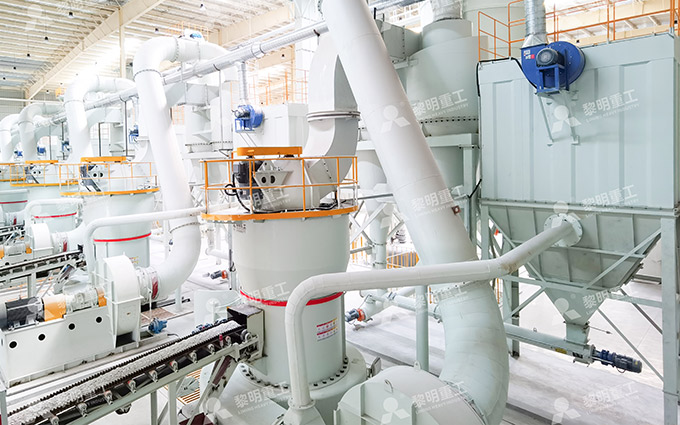
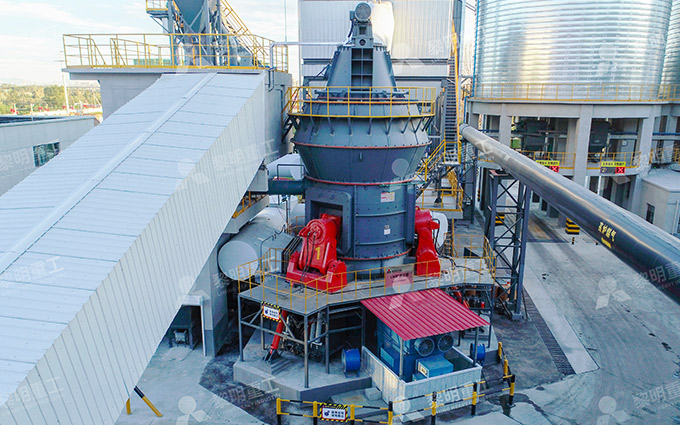
Gypsum Powder Production Line
Gypsum Powder Grinding Machine: Capacity, Fineness and Equipment Selection
2026-09-09 13:48:47
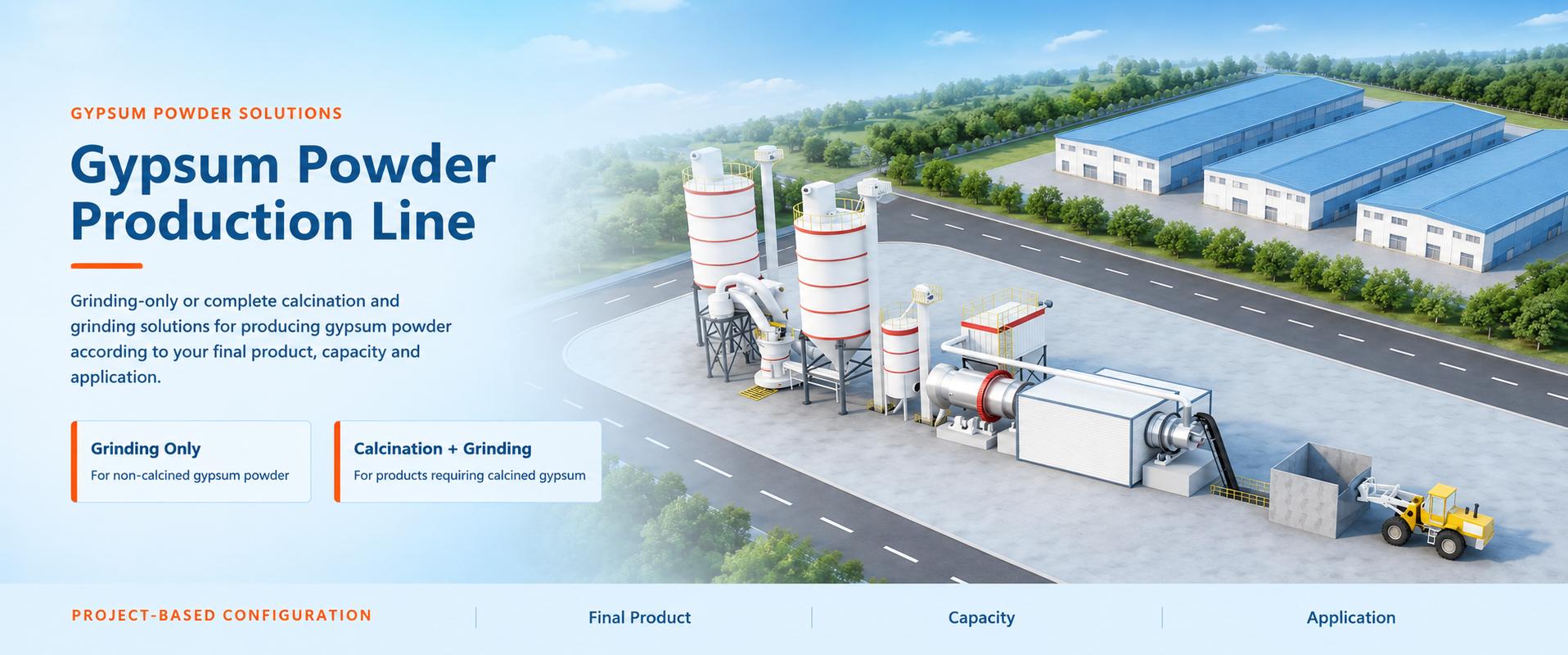
A gypsum powder grinding machine should be selected according to three connected requirements: production capacity, finished powder fineness and raw material condition. These factors determine not only the mill type, but also the crushing arrangement, feeding method, classification system, dust collection equipment, storage capacity and packing configuration.
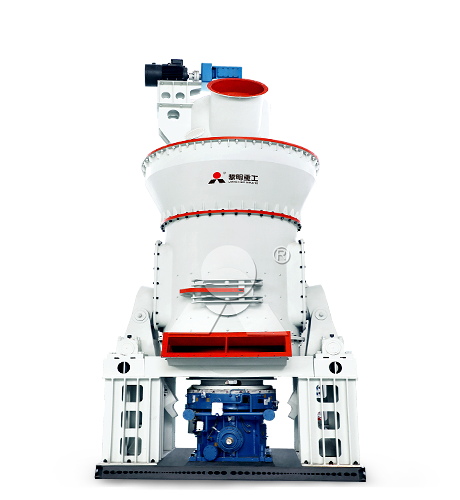
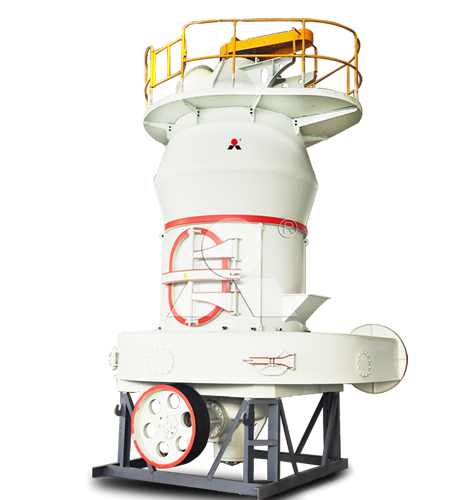
Gypsum grinding can be part of a grinding-only line for natural gypsum powder or the downstream section of a calcination and grinding plant. In either case, the equipment must be matched to the material entering the mill. R Raymond mills, MTW European grinding mills, LM vertical grinding mills and LUM ultrafine vertical mills are suitable for different gypsum powder production conditions.
Capacity and Fineness Must Be Considered Together
Capacity and fineness are closely connected. When a finer gypsum powder is required, the material normally spends more time in the grinding and classification circuit. More coarse particles may return for additional grinding, which can affect the amount of finished powder produced within a given operating period.
For this reason, a gypsum grinding machine should not be selected by capacity alone or by fineness alone. The selected system must be able to produce the required powder size while maintaining the required throughput under the actual material conditions.
| Selection Factor | Why It Matters |
|---|---|
| Required capacity | Determines the scale of the mill, feeder, conveyor, classifier, dust collector and packing system. |
| Target fineness | Determines the grinding intensity and classification requirement. |
| Feed size | Determines the required crushing stage and the suitability of the selected mill. |
| Material moisture | Affects storage, feeding, transfer, grinding stability and powder collection. |
| Gypsum type | Natural gypsum and calcined gypsum may require different upstream processing conditions. |
| Final application | Determines the required powder condition and particle-size control level. |
| Plant layout | Influences the installation of the mill, classifier, dust collector, storage bins and conveyors. |
First Decide: Natural Gypsum or Calcined Gypsum?
The grinding machine selection starts with the material type. Some projects produce ground natural gypsum powder without thermal treatment. Other projects first convert raw gypsum into calcined gypsum, then grind the calcined material into finished powder.
Grinding-Only Process
Raw Gypsum → Crushing → Grinding → Classification → Dust Collection → Packing
This route is suitable when the final product is non-calcined gypsum powder. The grinding machine receives prepared natural gypsum after the crushing section.
Calcination and Grinding Process
Raw Gypsum → Crushing → Calcination → Cooling or Storage → Grinding → Classification → Dust Collection → Packing
This route is used when the final product requires calcined gypsum properties. The grinding machine receives calcined gypsum after the thermal stage and material-transfer section.
The grinding mill does not perform calcination. If the required product is construction gypsum, gypsum plaster, Plaster of Paris or another calcined gypsum material, thermal processing must be included before final grinding.
Capacity: How to Define the Required Output
Capacity should be defined as the amount of finished gypsum powder required over a specific period, such as per hour, per day or per year. The production target should also account for planned operating hours, maintenance periods, raw material supply and product-storage capacity.
A line designed for intermittent operation may require a different equipment arrangement from a plant intended for continuous production. The capacity of every section should be coordinated. The grinding machine cannot maintain stable output if upstream material preparation or downstream powder handling becomes a bottleneck.
Capacity Planning Questions
What is the required finished gypsum powder output per hour?
How many hours per day will the plant operate?
Will the process run continuously or in batches?
What is the expected variation in raw gypsum supply?
How much finished-product storage is available?
Can the packing or bulk-loading section handle the mill output?
Does the crusher provide enough prepared feed for the grinding machine?
Does the calcination section provide enough material when thermal processing is required?
Fineness: Define the Powder Requirement Clearly
Finished gypsum powder should be specified according to the intended application. The target is not simply the smallest possible particle size. The correct powder grade is the one that provides the required behavior in the final gypsum-based material.
Conventional gypsum powder applications may use a standard industrial fineness range. Finer gypsum powder applications may require more controlled classification and a narrower particle-size distribution. As the powder requirement becomes finer, the relationship between the grinding machine and classifier becomes more important.
| Powder Requirement Direction | System Priority | Equipment Direction |
|---|---|---|
| Conventional gypsum powder | Stable grinding and reliable collection | R Raymond mill |
| Industrial gypsum powder with broad fineness requirements | Flexible adjustment and stable classification | MTW European grinding mill |
| Larger-volume gypsum powder production | Continuous material flow and integrated system operation | LM vertical grinding mill |
| Finer gypsum powder with closer particle-size control | Fine grinding and advanced classification | LUM ultrafine vertical mill |
Feed Size and Crushing Requirements
The feed material must be prepared before entering a gypsum powder grinding machine. Raw gypsum is often supplied in lumps or large pieces, while grinding equipment requires a controlled feed size. Crushing reduces the material to a size that matches the selected mill.
Feed size affects mill loading, grinding efficiency and operational stability. If oversized gypsum enters the mill, the system may experience reduced output, unstable material circulation or increased wear. If the crusher discharge size varies widely, the grinding machine may receive inconsistent feed.
The crushing section should be designed as part of the grinding system. It may include a receiving hopper, feeder, crusher, conveyor, screen, magnetic separator and storage bin. The selected crusher should provide a stable discharge size and enough capacity to supply the mill continuously.
Material Moisture and Flow Behavior
Gypsum moisture influences every stage of powder production. High free moisture can make the material difficult to store, feed and convey. It can also lead to buildup in hoppers, chutes and conveyors, which may cause unstable mill feeding.
Natural gypsum may arrive with different moisture levels depending on its source and storage condition. Calcined gypsum must also be protected from unnecessary moisture exposure after the thermal stage. The material condition should be reviewed before equipment selection because a dry, free-flowing feed behaves differently from a moist or sticky feed.
Moisture-Related Conditions to Check
Raw gypsum free moisture before crushing.
Material flow condition in storage hoppers.
Potential buildup at conveyors and transfer points.
Feed stability into the grinding machine.
Condition of calcined gypsum after cooling and storage.
Moisture protection during finished powder storage and packing.
R Raymond Mill for Conventional Gypsum Powder Production
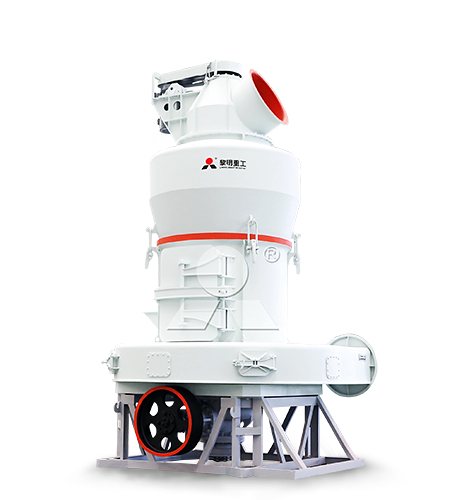
An R Raymond mill can be selected for conventional gypsum powder production where the required capacity and finished powder fineness are within a moderate range. It is suitable for grinding prepared natural gypsum or calcined gypsum into common industrial powder grades.
The system generally includes feeding equipment, the grinding mill, a classifier, blower, dust collector, conveying equipment and finished-product storage. The material should enter the mill at a controlled rate and within the required feed-size range.
R Raymond Mill Selection Conditions
Conventional gypsum powder requirements.
Moderate production capacity.
Prepared feed material with suitable size and flow condition.
Projects requiring a relatively direct grinding arrangement.
Natural gypsum grinding or calcined gypsum finishing.
MTW European Grinding Mill for Broad Fineness Requirements
An MTW European grinding mill is suitable for industrial gypsum powder production with a broad range of fineness requirements. It can be used in grinding-only systems and as a downstream grinding machine after gypsum calcination.
Its configuration can be matched to the required capacity, target powder condition and raw material characteristics. The mill should operate together with an appropriate classification and dust collection system so that qualified powder is separated efficiently and coarse material can return for further grinding.
MTW European Grinding Mill Selection Conditions
Conventional industrial gypsum powder production.
Projects requiring flexible powder fineness adjustment.
Medium-scale continuous operation.
Grinding systems with integrated air handling and dust collection.
Prepared natural gypsum or calcined gypsum material.
LM Vertical Grinding Mill for Larger Capacity Projects
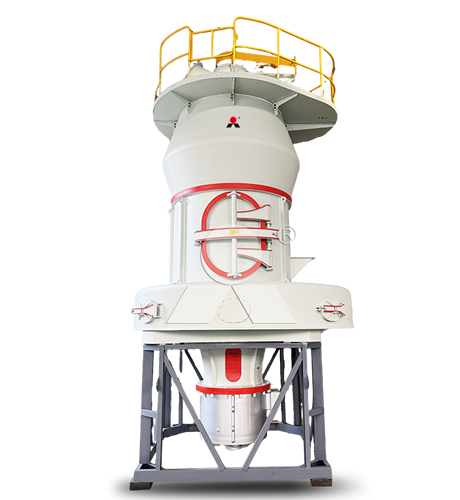
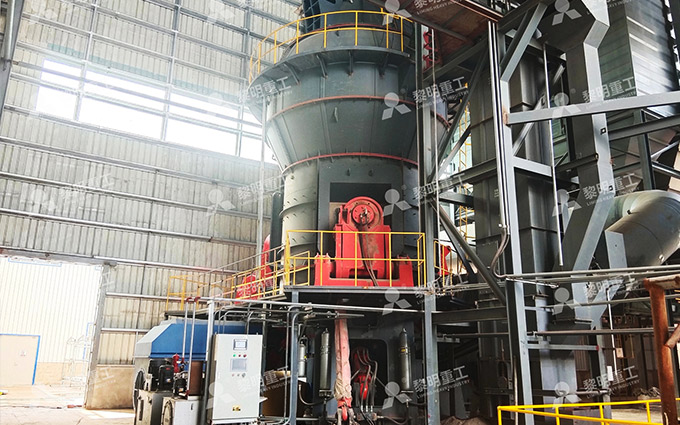
An LM vertical grinding mill can be considered for larger gypsum powder production lines requiring stable continuous operation. It is suitable for integrated plant arrangements where material feeding, grinding, classification, airflow, dust collection, conveying and storage are coordinated.
For a higher-capacity line, mill selection should include the capacity of the material supply system. The crusher, calcination system when required, intermediate storage, feeders and conveyors should all be able to provide a stable feed. The finished-product storage and packing equipment should also match the grinding output.
LM Vertical Grinding Mill Selection Conditions
Larger gypsum powder production requirements.
Continuous operation with coordinated material handling.
Projects requiring integrated grinding and classification.
Plant layouts with sufficient space for a vertical mill system.
Applications where stable output is a primary requirement.
LUM Ultrafine Vertical Mill for Fine Gypsum Powder
A LUM ultrafine vertical mill is suitable for gypsum powder applications that require finer finished material and closer control of particle-size distribution. It can be selected when conventional gypsum powder production is not sufficient for the required final product.
Fine powder production depends on the combined performance of the grinding zone and classifier. The mill reduces particle size, while the classifier separates qualified fine powder from coarse particles. Coarser particles circulate back for additional grinding until they meet the required condition.
LUM Ultrafine Vertical Mill Selection Conditions
Fine gypsum powder production.
Applications requiring more controlled particle-size distribution.
Projects with advanced classification requirements.
Processes where finished powder consistency is especially important.
Prepared feed material suitable for fine grinding.
Why Classification Affects Both Capacity and Fineness
Classification determines which particles become finished product and which particles return for additional grinding. It directly affects powder fineness, but it also affects the production capacity of the system.
If the classifier allows too much coarse material into the finished powder, the final product may not meet the required condition. If the classifier is set too strictly, too much material may return to the grinding machine, increasing circulating load and reducing the amount of finished powder produced.
| Classification Condition | Effect on Fineness | Effect on Capacity |
|---|---|---|
| Coarse separation condition | More larger particles may enter finished powder. | May increase apparent output but reduce powder uniformity. |
| Fine separation condition | Produces a finer finished powder. | Can increase circulating load and reduce finished-product output. |
| Unstable airflow | Can cause particle-size variation. | Can reduce separation efficiency and make output unstable. |
| Worn grinding components | May increase the proportion of coarse particles. | May reduce grinding efficiency and lower output. |
| Unstable material feed | Can cause fluctuating particle-size distribution. | Can create mill loading changes and output variation. |
Dust Collection and Airflow System
Dust collection is part of the gypsum powder grinding machine system. Fine particles are generated during feeding, grinding, classification, conveying and packing. The dust collection equipment helps recover usable powder, maintain negative pressure and reduce dust leakage.
Airflow also carries fine gypsum powder through the grinding and classification circuit. The air system should be matched to the mill and classifier. If airflow becomes unstable because of fan problems, duct leakage, filter resistance or poor sealing, the finished powder condition and production output may both change.
For reliable operation, check the dust collector, fan, ducts, seals and discharge system together. A dust collector is not only an environmental component; it is also part of the process airflow balance.
Complete Grinding System Configuration
A gypsum powder grinding machine normally operates as part of a complete system. The exact equipment list varies according to capacity, fineness and material condition, but the main sections are usually similar.
| Equipment Section | Function in the Grinding System |
|---|---|
| Raw material hopper | Receives prepared gypsum before controlled feeding. |
| Feeder | Supplies gypsum to the mill at a stable rate. |
| Grinding machine | Reduces gypsum particles to the required powder size. |
| Classifier | Separates qualified powder from particles requiring further grinding. |
| Fan and air system | Moves air and powder through the grinding and classification circuit. |
| Dust collector | Collects fine powder and supports controlled system pressure. |
| Powder conveyor | Transfers qualified gypsum powder to storage or packing. |
| Finished-product silo | Stores powder and buffers flow before packing or loading. |
| Packing or loading equipment | Prepares finished gypsum powder for delivery or downstream use. |
Equipment Selection Checklist
Confirm whether the material is natural gypsum or calcined gypsum.
Confirm whether calcination is required before grinding.
Measure the feed size after crushing.
Measure free moisture and evaluate material flow behavior.
Define the target finished powder fineness.
Define the required hourly and daily production capacity.
Confirm whether close particle-size control is required.
Check available plant area and installation height.
Size the dust collection and airflow system for the selected mill.
Match finished-product storage and packing capacity to the grinding output.
Common Equipment Selection Errors
Choosing the Grinding Machine Before Confirming the Product
The equipment should be selected after confirming the final gypsum powder type, required fineness and whether calcination is needed. A grinding-only line and a calcination and grinding line require different upstream arrangements.
Comparing Capacity Without Considering Fineness
A capacity value is meaningful only when it is linked to a specific material condition and finished powder requirement. Finer powder generally requires more grinding and classification work than conventional powder.
Ignoring Feed Size and Moisture
Oversized or high-moisture feed can reduce mill stability and output. The crushing and material-handling sections should be designed to provide suitable material to the grinding machine.
Undersizing the Classifier or Dust Collector
The classifier controls final powder size, while the dust collector supports airflow and powder recovery. If either section is not matched to the mill, the grinding system may not achieve stable capacity or fineness.
Overlooking Finished-Product Handling
Storage bins, conveyors and packing equipment must handle the powder produced by the mill. If finished powder cannot leave the system continuously, the grinding machine may need to slow down or stop.
Conclusion
A gypsum powder grinding machine should be selected by matching capacity, fineness and material condition. The correct choice depends on whether the feed is natural gypsum or calcined gypsum, the feed size after crushing, moisture level, required output, target powder fineness and final application.
R Raymond mills are suitable for conventional gypsum powder production. MTW European grinding mills are suitable for industrial gypsum powder with broad fineness requirements. LM vertical grinding mills can be considered for larger continuous production lines, while LUM ultrafine vertical mills are suitable for fine gypsum powder and closer particle-size control. A properly matched system includes not only the mill, but also feeding, classification, dust collection, conveying, storage and packing equipment.