Lime Kiln Plant
Lime Kiln Fuel Selection and Combustion Considerations
2026-10-26 16:36:55
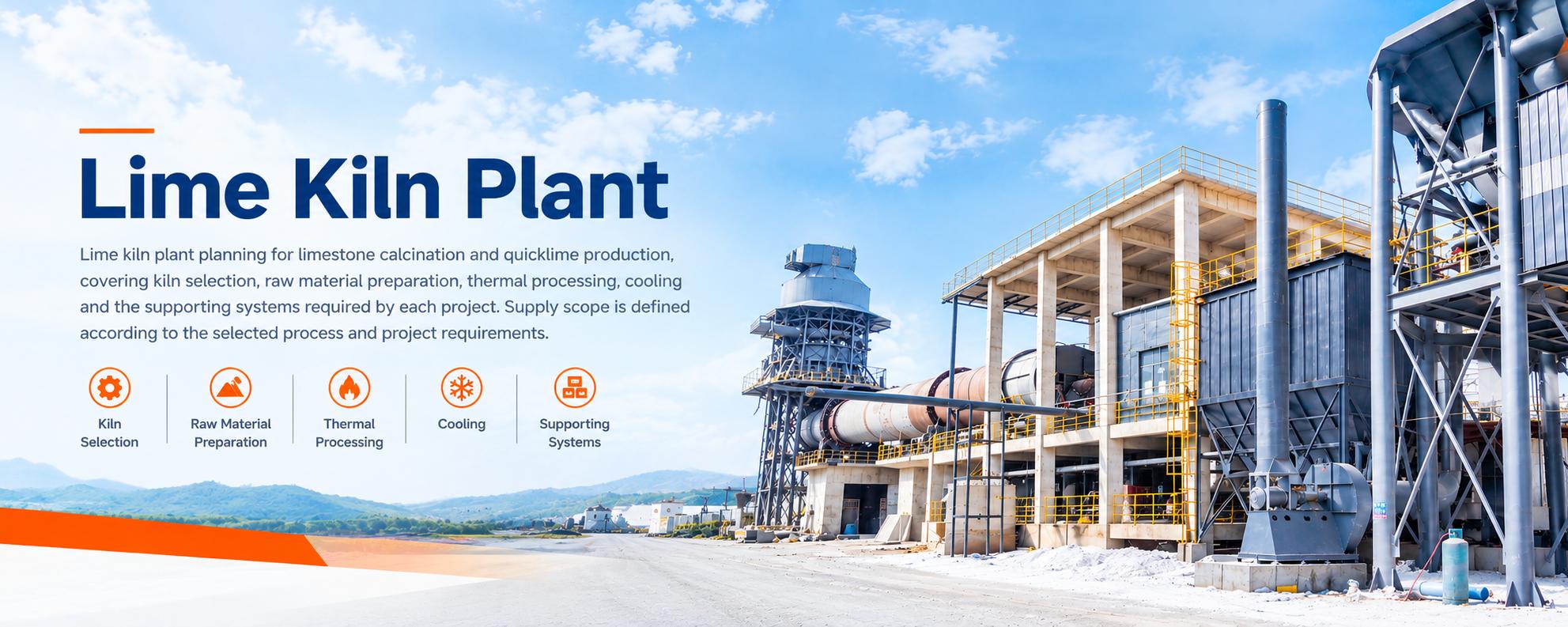
The right lime kiln fuel must provide reliable heat, suit the kiln’s combustion system, and allow the plant to meet its quicklime specification. Purchase price matters, but fuel also affects flame behavior, product contamination, emissions, and the equipment needed for storage, preparation, and delivery. In lime production, combustion products interact with the material being calcined, so fuel selection is also a product-quality decision.
A practical comparison starts with the limestone supply, required lime quality, kiln configuration, and local fuel availability. Only after these conditions are defined should competing fuels be compared on the cost of producing acceptable quicklime.
Compare Fuel Properties Before Comparing Prices
Two fuels with similar delivered prices can have very different operating consequences. Obtain representative analyses and a supply specification rather than relying on a fuel name or a single test report.
| Fuel Property | Why It Matters | What to Confirm |
|---|---|---|
| Heating value | Determines the fuel quantity needed to supply a given heat input. | The reporting basis, expected variation, and guaranteed supply limits. |
| Moisture | Affects the useful heat available and can influence solid-fuel preparation and handling. | Normal and maximum moisture, including seasonal changes. |
| Sulfur | Can affect finished-lime sulfur content and sulfur-related emissions. | Compatibility with the product specification and environmental requirements. |
| Ash and ash composition | Introduce noncombustible material into the process. | The potential effect on lime chemistry, deposits, and residue handling. |
| Combustion characteristics | Influence ignition, flame development, and fuel burnout. | Suitability for the proposed burner, injection arrangement, and operating range. |
| Supply consistency | Determines how often the plant must adjust fuel preparation and combustion settings. | Supplier quality control, delivery reliability, and acceptable variation. |
Sulfur deserves particular attention where customers require low-sulfur lime. A low fuel price does not compensate for a product that exceeds its acceptance limit. The relationship also depends on kiln design and operating conditions, so fuel sulfur should be evaluated within the proposed process rather than in isolation.
What Changes When the Fuel Changes?
Natural Gas: Check Supply Conditions as Well as Combustion
Natural gas is an established lime-kiln fuel. Compared with solid fuels, it avoids a solid-fuel grinding stage, but the installation still needs an appropriately designed gas supply, metering, pressure control, combustion system, and safety arrangement. Its suitability depends on the available gas composition and delivery conditions, not simply access to a pipeline.
For a new project, confirm whether the required pressure and flow can be maintained during peak demand. Also establish how interruptions or changes in gas quality would affect production.
Coal and Petroleum Coke: Include Preparation and Product Effects
Coal and petroleum coke can be used in suitable lime-kiln systems, but their characteristics must match the firing arrangement. A pulverized-fuel installation requires a defined preparation and feeding duty; a mixed-feed shaft kiln uses a different fuel-delivery concept. These arrangements should not be treated as interchangeable.
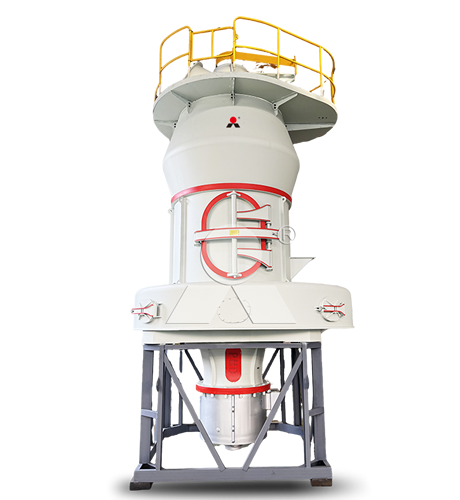
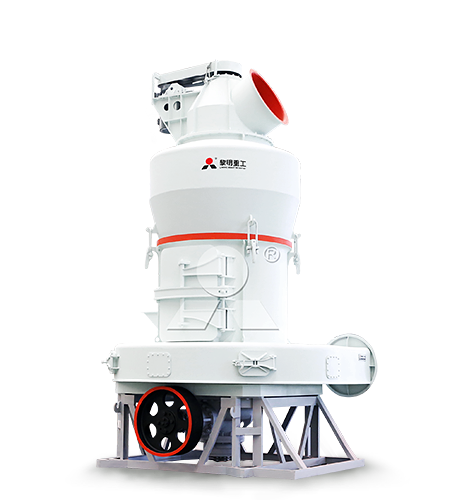
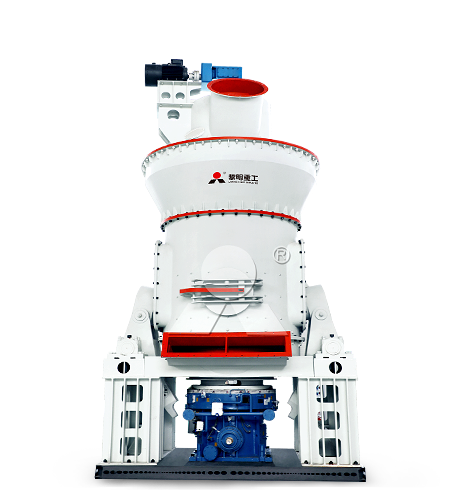
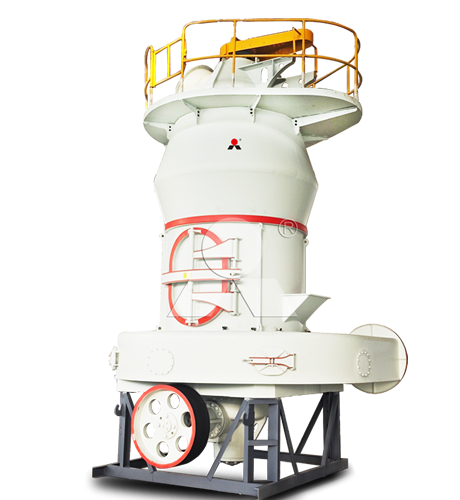
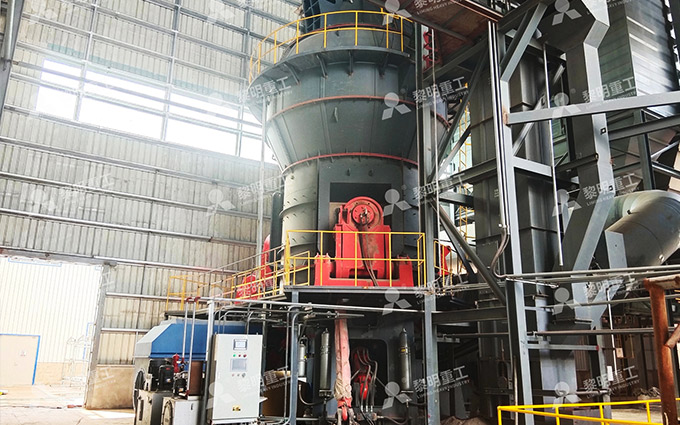
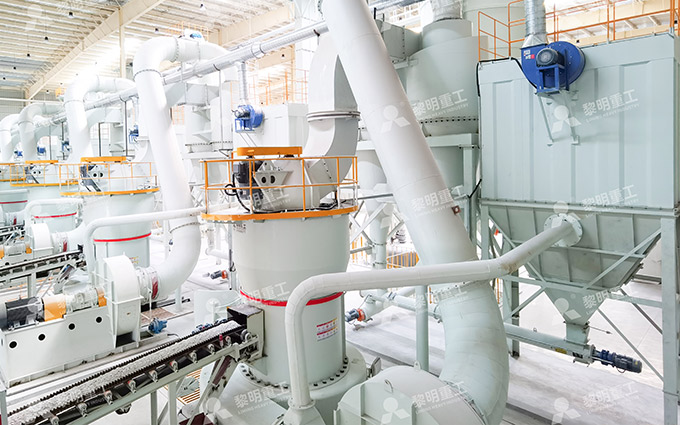
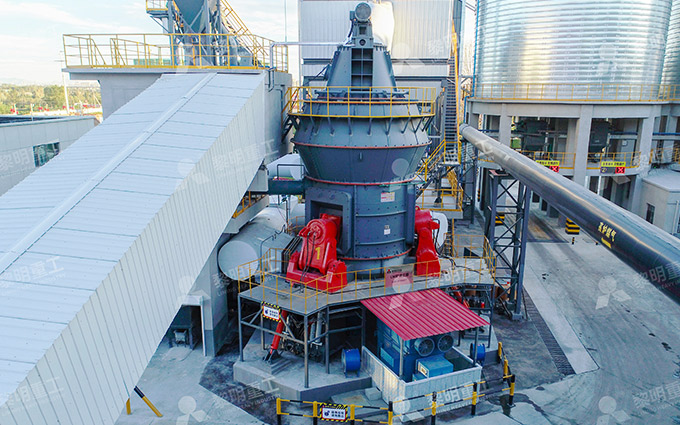
Where fuel grinding is required, a Liming Heavy Industry grinding mill can be evaluated against the specified fuel, moisture, grindability, target fineness, and throughput. Selection must also address the necessary drying, dust-control, and fire and explosion protection provisions. A mill suitable for a mineral-powder duty should not automatically be assumed suitable for combustible fuel.
Liquid Fuels: Review Delivery and Atomization Requirements
Fuel oil is another established option for lime production. Its practical suitability depends on the fuel grade and the burner system, including the conditions needed to deliver and atomize it consistently. The fuel specification should therefore be agreed together with the combustion-equipment requirements.
Alternative Fuels: Treat Each Supply as a Separate Engineering Case
Alternative fuels may offer a useful local energy source, but they are not automatically suitable replacements for conventional fuels. Their composition, preparation needs, combustion behavior, and effect on emissions require assessment. The use of alternative fuels in regenerative lime kilns is possible with appropriate system design and operating provisions.
For any proposed alternative, request a documented assessment of the permissible fuel quality, substitution range, equipment changes, and conditions under which conventional fuel remains necessary.
The Kiln Determines How Fuel Must Be Delivered
A fuel that works in one kiln cannot be assumed to work in another without changes. Material movement, air distribution, and fuel-injection location determine how heat reaches the limestone.
Rotary Lime Kilns
In a rotary kiln, the burner develops a flame within the rotating cylinder. Fuel selection must support the required flame shape and heat distribution while allowing satisfactory combustion. Rotary kiln arrangements can offer fuel flexibility, but the burner and associated fuel system must be configured for the selected duty.
For a Liming Heavy Industry rotary lime kiln project, define the primary fuel and any proposed backup fuel before finalizing the combustion package. Ask which performance commitments apply to each operating mode.
Conventional Vertical Shaft Kilns
“Shaft kiln” describes a broad equipment category rather than one universal firing method. Some designs introduce fuel through burners, while mixed-feed designs charge solid fuel with limestone. The fuel specification and distribution method must be matched to the particular arrangement.
The technical review should establish how the selected system distributes heat across the material bed and how fuel variation will be managed without compromising lime quality.
Twin-Shaft Regenerative Lime Kilns
In a parallel-flow regenerative twin-shaft kiln, fuel is supplied to the shaft operating in its burning phase, typically through multiple lances. The connected shaft recovers heat, and the operating roles alternate. Stable fuel delivery and coordinated switching are therefore integral to the combustion process.
When evaluating a Liming Heavy Industry twin-shaft lime kiln, confirm the compatible fuel specifications, injection requirements, and control arrangement. Regenerative heat recovery does not remove the need for carefully controlled combustion.
Combustion Control Is More Than Adding Fuel
Consistency is the central operating objective: heat input, combustion air, limestone feed, and material residence time must remain coordinated. Increasing the fuel rate alone does not establish that the additional heat is reaching the stone where it is needed.
Manage Air and Fuel Together
The appropriate air setting depends on the kiln and fuel. In a regenerative shaft kiln, changing excess air can alter flame length and temperature, making air control part of the product-quality adjustment rather than merely a combustion-efficiency setting. There is no single excess-air target suitable for every lime kiln.
Operating limits should be established during commissioning using the approved fuel and limestone. Subsequent adjustments should remain within the equipment supplier’s procedures and safety limits.
Evaluate Trends, Not Isolated Readings
The operating plan should identify which measurements are needed to interpret combustion and product performance together. Relevant records may include:
Fuel flow, pressure, temperature, and quality where applicable.
Combustion-air flow and kiln draft.
Exhaust-gas oxygen and carbon monoxide at defined measurement points.
Temperature trends at the designated process locations.
Limestone feed rate, product discharge, and quicklime test results.
Use these records to investigate changes rather than adjusting fuel in response to a single symptom. Off-specification lime may involve feed-size variation, material movement, or uneven heat distribution as well as combustion.
Fuel Switching Requires a Planned Trial
A replacement fuel can change flame behavior even when the calculated heat input remains similar. It may also alter the required preparation equipment, air distribution, and product chemistry. Fuel-switching studies therefore assess both combustion and the material undergoing calcination.
Before a trial, agree on:
The replacement fuel’s permitted quality range.
Required equipment modifications and safety review.
The initial trial conditions and approved adjustment sequence.
The product tests and emissions measurements to be completed.
Clear criteria for continuing, modifying, or stopping the trial.
Do not assume that an existing kiln guarantee remains valid after an unapproved fuel change. Obtain written confirmation of the conditions applying to the revised duty.
Build the Fuel Decision Around Saleable Quicklime
The economic comparison should include delivered fuel cost, usable heat, preparation power, storage and handling, maintenance, environmental controls, and the effect on product acceptance. Compare alternatives within the same plant boundary and against the same limestone and quicklime specifications.
For a Liming Heavy Industry lime kiln project, provide the proposed fuel analyses alongside the limestone data, production target, product requirements, and site utility information. This allows the kiln, combustion package, and any required fuel-grinding system to be evaluated as one coordinated installation.
The most suitable fuel is not necessarily the cheapest per tonne or the one with the highest heating value. It is the fuel the selected kiln can use reliably to produce acceptable quicklime under the plant’s actual supply and operating conditions.