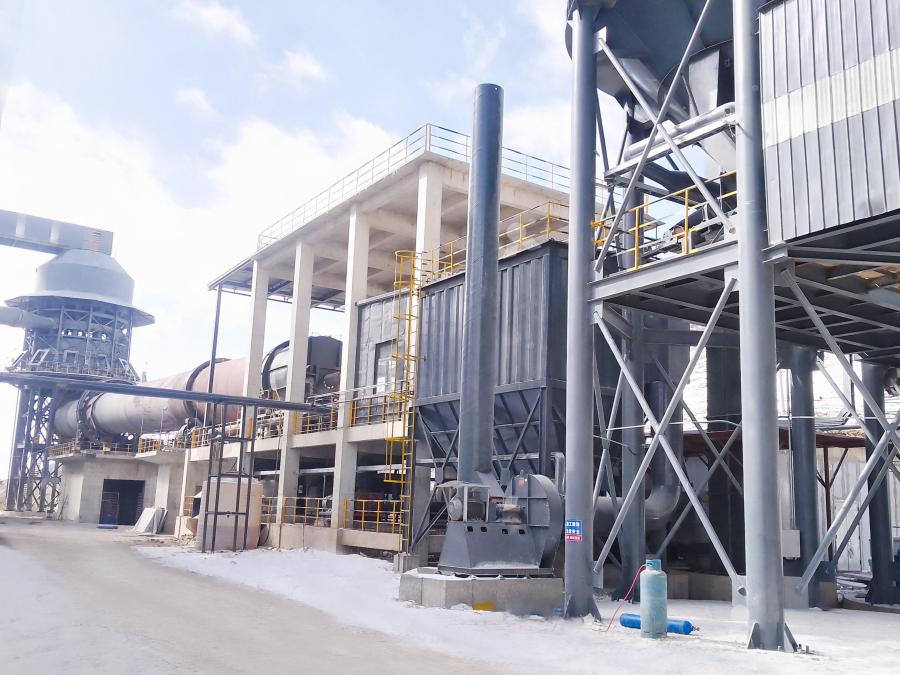
Limestone Calcination System

Lime Kiln Plant

Lime kiln plant planning for limestone calcination and quicklime production, covering kiln selection, raw material preparation, thermal processing, cooling and the supporting systems required by each project. Supply scope is defined according to the selected process and project requirements.

Feed materialLimestone · CaCO₃
Core processControlled calcination
Primary productQuicklime · CaO
Next processStorage, grinding or hydration
Complete plant scope

A Lime Kiln Is the Core of a Larger Processing System

The kiln performs the calcination reaction, while stable operation also depends on limestone preparation, feed and fuel control, cooling, gas handling and the intended product route. The final supply boundary should be agreed for each project.

  • Prepare limestone through crushing, screening, storage and controlled kiln feed.
  • Configure calcination and cooling around the raw material, capacity and product target.
  • Define the required fuel, combustion, gas-treatment and dust-collection systems.
  • Route cooled quicklime to lump storage, powder production or hydrated lime processing.
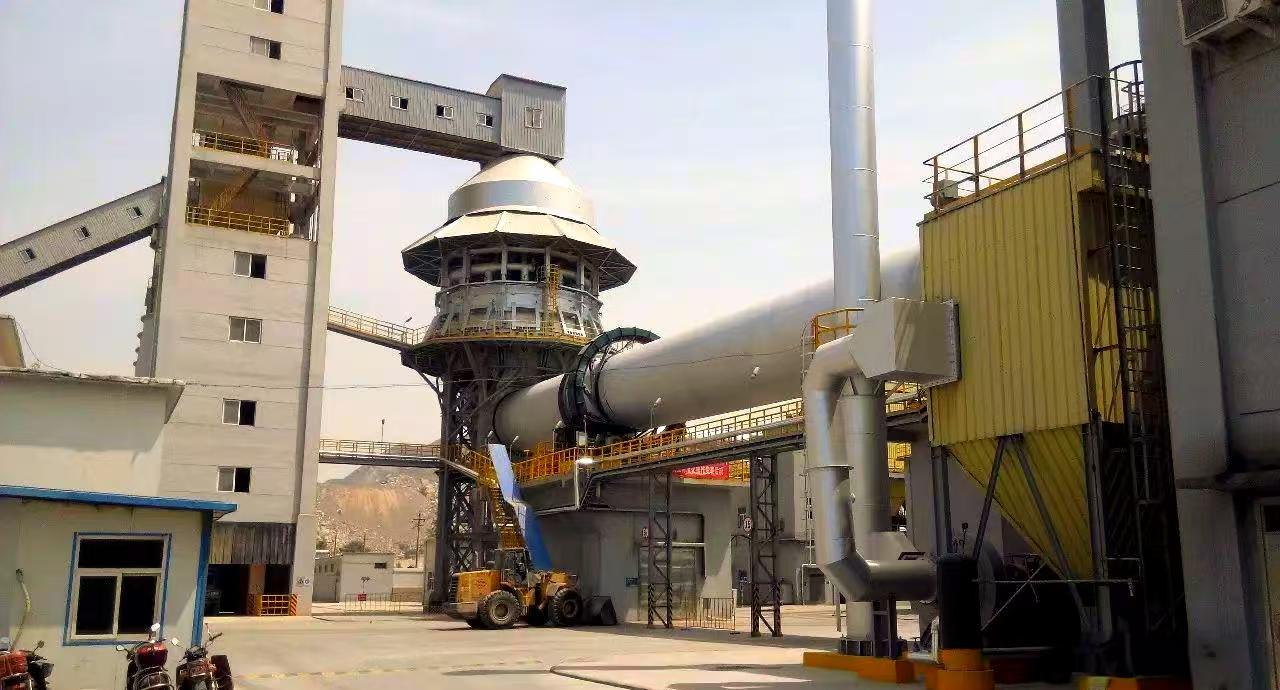
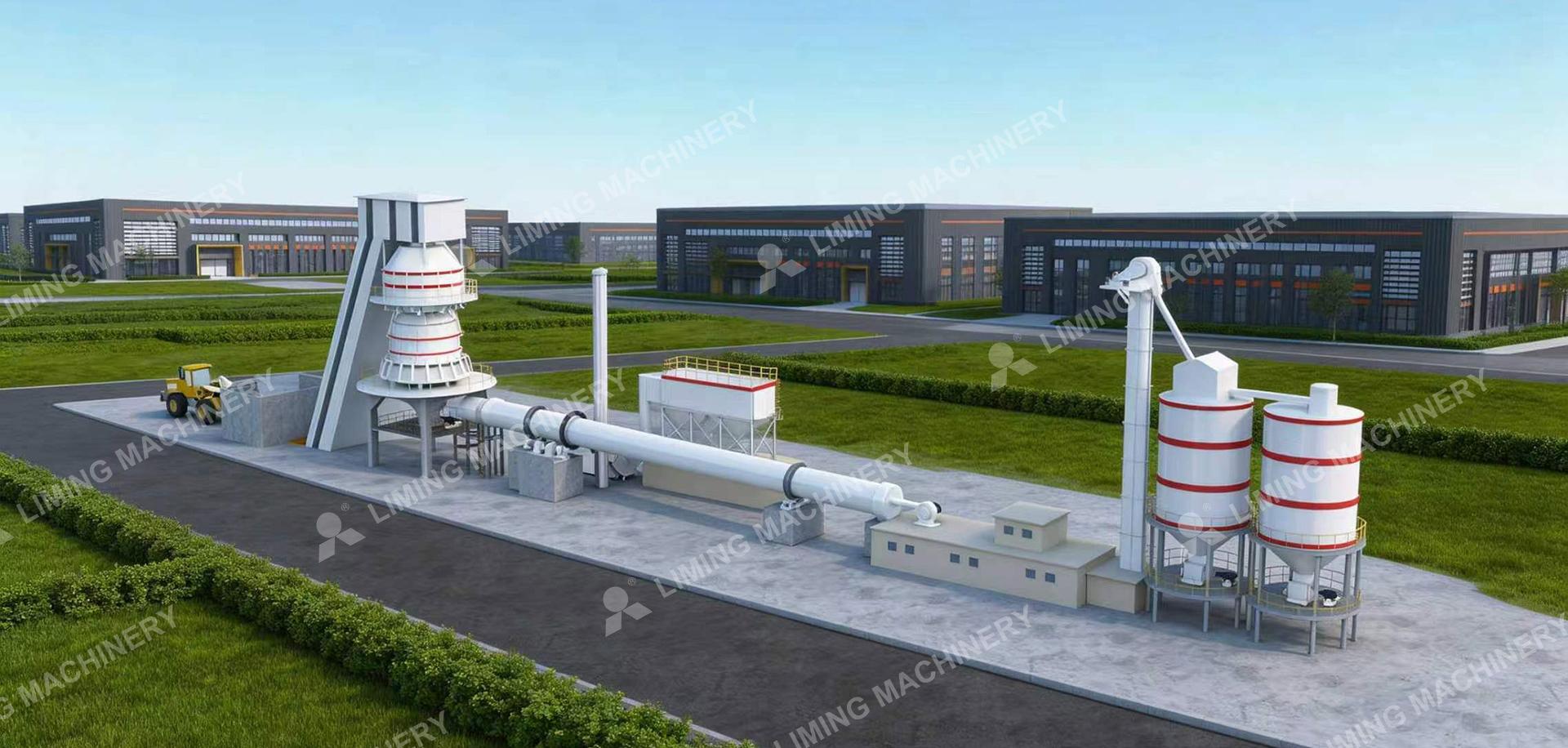
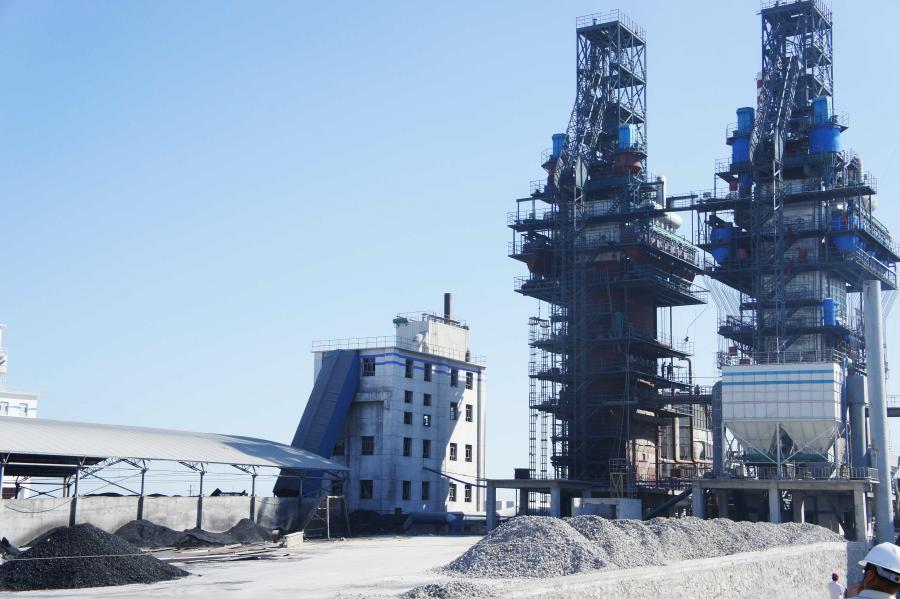
Illustrative lime kiln plant configuration for quicklime production
Kiln types and selection

Choose a Lime Kiln Around Limestone, Fuel and Product Requirements

Vertical shaft kilns, rotary kilns and twin-shaft kilns use different process arrangements. The suitable option should be assessed against limestone size and quality, target output, fuel conditions, quicklime quality requirements, site constraints and operating preferences—not by capacity alone.

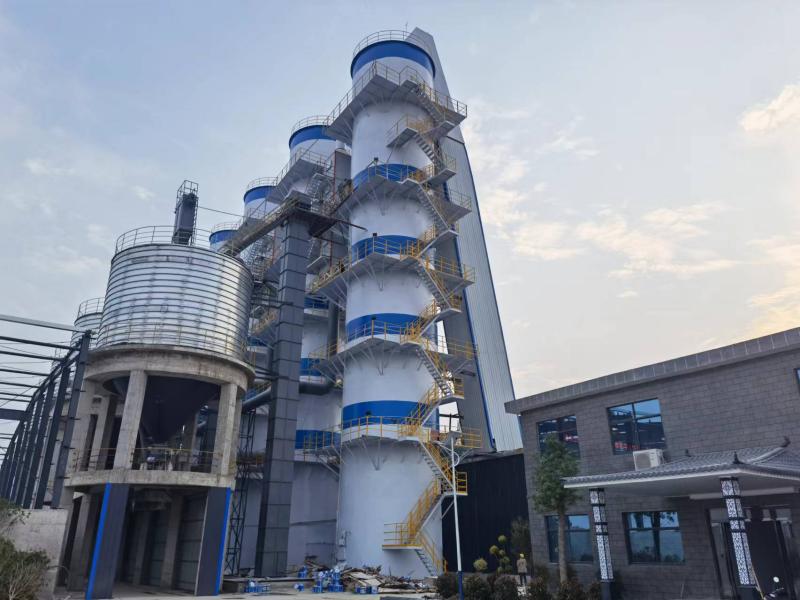
Vertical shaft lime kiln for limestone calcination
01 / KILN TYPE

Vertical Shaft Kiln

A vertical arrangement in which limestone moves through a shaft during preheating, calcination and cooling. Selection depends on suitable stone sizing, raw-material characteristics, target production and the specified kiln design.
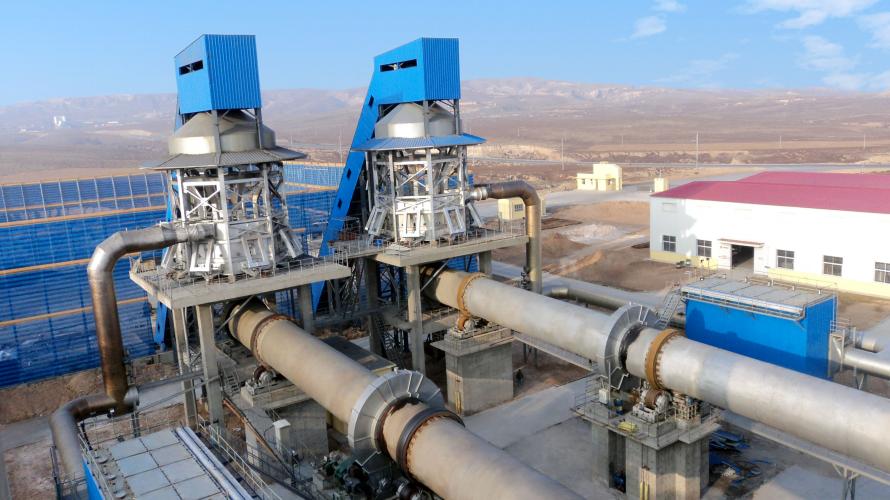
Rotary lime kiln used for limestone calcination
02 / KILN TYPE

Rotary Kiln

A rotating inclined kiln that moves material through the thermal process. Evaluation should consider feed characteristics, required product quality, fuel and combustion arrangements, heat recovery, line layout and downstream handling.

Twin-shaft lime kiln for quicklime production
03 / KILN TYPE

Twin-Shaft Kiln

A twin-shaft arrangement that alternates operating phases between connected chambers. Its suitability depends on the kiln design, limestone feed range, required output, fuel system and the product-quality targets for the project.

Information needed for a meaningful comparison

Share the limestone analysis, available stone size range, required quicklime capacity, target product specifications, available fuel and project location. Parameters such as available CaO, residual CO₂, reactivity and lump-size distribution should be agreed according to the intended application and verification method.

Calcination and process flow

From Limestone Feed to Cooled Quicklime

The primary thermal reaction converts limestone into quicklime. A complete lime kiln plant then manages cooling, gas treatment and the route to the finished product.

01Limestone Sizing

Prepare feed within the size range specified for the selected kiln design.

02Storage & Feed

Provide buffer capacity and stable material transfer to the kiln feed section.

03Preheating

Use the applicable preheating arrangement to condition the feed before calcination.

04Calcination

Apply controlled thermal processing to drive the limestone decomposition reaction.

05Cooling

Cool the quicklime to suit conveying, storage and downstream handling requirements.

06Gas & Product Control

Coordinate process gas, dust collection and finished-product transfer as specified.

Supporting plant systems

Supporting Systems Around the Kiln

Beyond the main calcination sequence, the plant may need supporting systems for reliable operation, environmental compliance and site logistics. The final scope is confirmed for each project.

01

Fuel Receiving and Preparation

Provide the fuel receiving, storage, preparation and feeding arrangement appropriate to the selected kiln and available fuel.

02

Instrumentation and Automation

Coordinate measurement, monitoring, interlocks and process control according to the agreed automation scope.

03

Dust Collection and Emissions

Assess dust collection and gas-treatment requirements for kiln exhaust and material-transfer points.

04

Utilities and Plant Services

Identify the electrical, water, compressed-air and other utility interfaces required by the selected equipment.

05

Access and Maintenance

Allow for inspection access, maintenance clearances and safe servicing around major equipment.

06

Product Dispatch Interfaces

Coordinate silos, conveying, loading and downstream handover based on whether the product is lump, powder or feed for hydration.

Finished product route

Plan the Kiln Plant Around the Product You Will Deliver

The post-kiln route should be defined early in the project. It determines the equipment required after cooling and affects the layout of storage, transfer and finished-product systems.

Quicklime lump handling and dispatch
ROUTE 01

Quicklime Lump

Store and dispatch cooled quicklime as lump material for direct industrial use or further customer processing.

  • Calcination and cooling
  • Quality checks
  • Bulk loading and dispatch
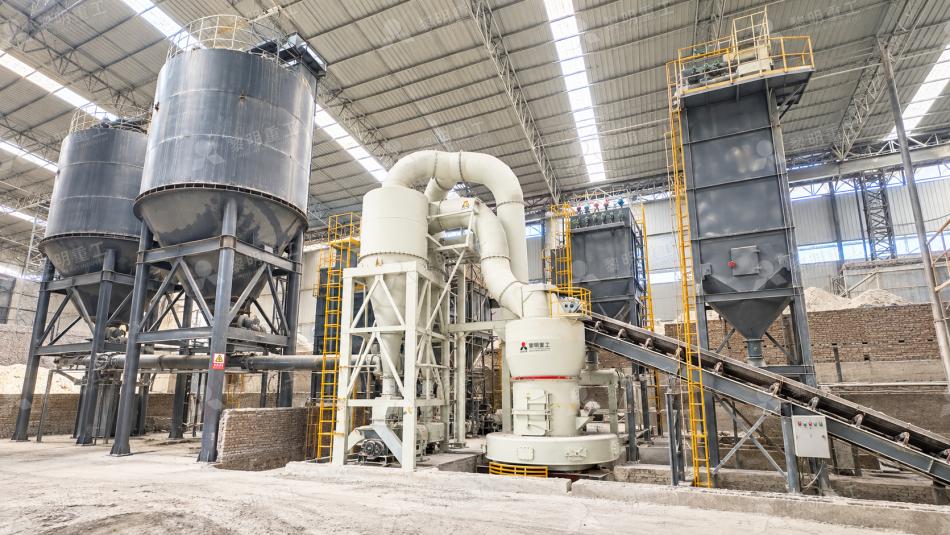
Quicklime powder production and grinding route
ROUTE 02

Quicklime Powder

Transfer cooled quicklime to an additional downstream grinding system for powder production, collection, storage and packing.

  • Cooling and controlled transfer
  • Grinding and classification
  • Collection, silo and packing
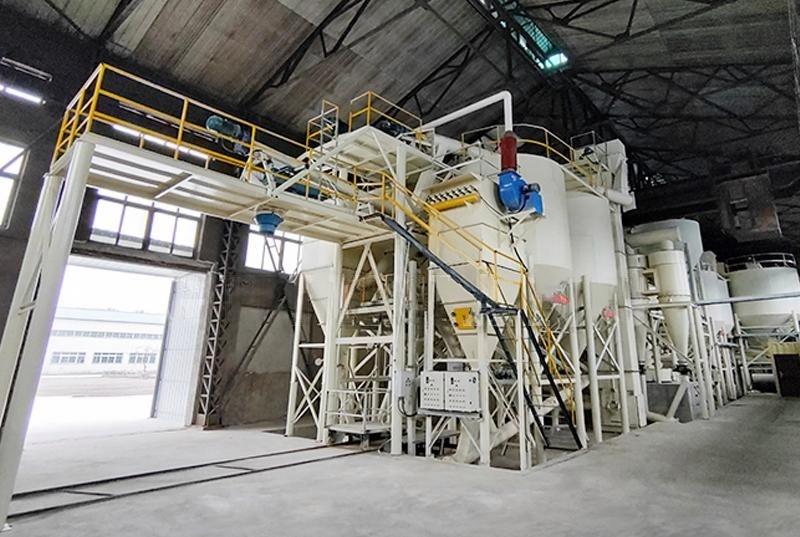
Hydrated lime production route after quicklime calcination
ROUTE 03

Hydrated Lime

Route quicklime to a separate hydration process when the final product is hydrated lime rather than quicklime.

  • Quicklime feed and metering
  • Hydration and process control
  • Separation, storage and packing
Fuel and thermal configuration

Fuel Conditions Are a Core Kiln Design Input

Fuel type and supply consistency affect burner or combustion-system selection, thermal control, emissions management and operating cost. The available fuel should be identified before the plant configuration is finalized.

Fuel Supply and Preparation

Confirm the fuel type, physical properties, supply pressure or delivery method, storage conditions and any preparation or metering requirements relevant to the selected kiln.

Combustion and Gas Handling

Coordinate combustion control, process-gas routing and dust collection according to the selected kiln technology, applicable regulations and project requirements.

Downstream coordination

Coordinate the Kiln with the Entire Plant

Raw Material Preparation

Check limestone analysis, feed-size distribution, moisture and storage requirements before selecting preparation equipment.

Kiln Feed and Thermal Processing

Match feed handling, kiln operation and fuel-control arrangements to the intended production and product targets.

Quicklime Cooling and Transfer

Plan the route from kiln discharge to storage, grinding, hydration or dispatch with suitable material handling.

Gas Treatment and Collection

Define gas and dust-treatment requirements based on process conditions, local standards and the agreed supply scope.

Quicklime applications

Lime Kiln Output for Multiple Industrial Markets

The required quicklime product form and post-kiln processing route depend on the downstream use served by the plant.

Metallurgy and Steelmaking

Quicklime may serve as a fluxing material in metallurgical and industrial processes.

Flue Gas Treatment

Quicklime and lime-based products are used in selected gas-treatment applications.

Water Treatment

Lime products support water and wastewater treatment operations.

Mineral Processing

Process-compatible lime products can support mineral-processing operations.

Construction and Soil Treatment

Lime is used in selected construction, stabilization and soil-improvement applications.

Chemical Processing

Industrial lime serves as a raw material or process reagent in suitable chemical applications.

Typical plant configurations

Typical Lime Kiln Plant Configurations

These are illustrative process configurations, not verified customer case studies. Final equipment scope, capacity and operating parameters depend on the selected kiln type and confirmed project data.

Illustrative integrated limestone calcination plant configuration
CONFIGURATION 01

Integrated Limestone Calcination Plant for Quicklime Production

A compact project direction covering limestone preparation, controlled kiln feed, calcination, cooling, gas treatment, product storage and quicklime dispatch.

Material
Limestone
Product
Quicklime lump
System scope
Preparation, kiln, cooling and gas treatment
Application
Industrial quicklime supply
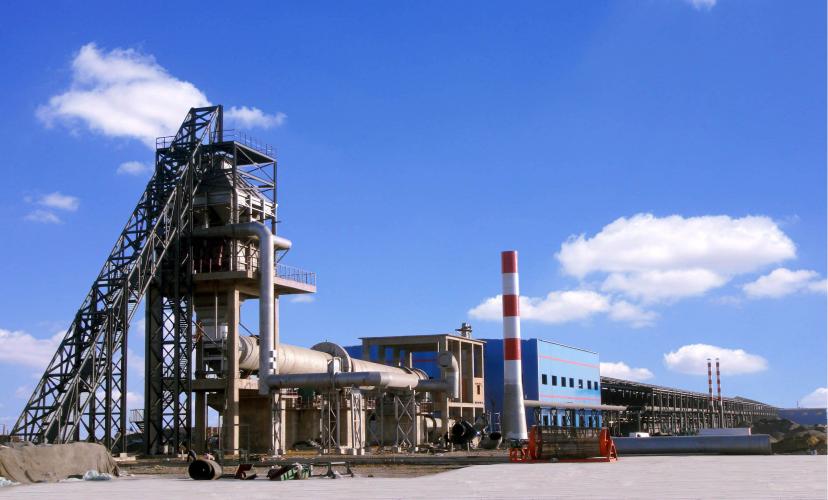
Illustrative lime kiln plant with downstream lime processing
CONFIGURATION 02

Lime Kiln Plant with Downstream Lime Processing

A linked configuration where cooled quicklime is routed into a downstream production or handling system selected for the intended product market.

Material
Limestone
Product
Quicklime with downstream processing options
System scope
Kiln, cooling and selected downstream systems
Application
Flexible industrial lime supply
Project information

Start with the Conditions That Define Your Kiln Plant

To discuss a suitable configuration, prepare the basic information below. Missing items can be confirmed during the initial technical review.

Material and Product

Limestone analysis, feed-size range, moisture, required quicklime form, product-size range and quality targets.

Capacity and Operation

Target output per day or hour, operating schedule, project location and available installation space.

Fuel and Utilities

Available fuel type, fuel quality and supply conditions, plus relevant site utilities and environmental requirements.

Scope and Delivery

Existing equipment, new-build or upgrade requirements, preferred automation level and expected supply boundary.

Discuss your lime kiln project

Share the material, target capacity, product requirements, fuel conditions and project location so the configuration can be reviewed against your actual needs.

FAQ

Lime Kiln Plant Questions

Which lime kiln types should be compared for a project?

Vertical shaft, rotary and twin-shaft kilns can be assessed against limestone properties, target capacity, fuel supply, product quality, site constraints and operating requirements. The appropriate choice depends on the full project conditions.

What limestone information is needed for kiln selection?

Useful inputs include chemical composition, stone-size distribution, moisture, strength or decrepitation characteristics where available, and the expected variability of the feed.

What affects quicklime quality?

Quicklime quality depends on limestone properties, kiln design, thermal conditions, residence time, fuel and operating control. Target measures such as available CaO, residual CO₂, reactivity and size distribution should be specified for the application.

Can the plant produce quicklime powder?

Quicklime powder generally requires downstream crushing or grinding, classification and collection after calcination and cooling. The required system depends on feed condition and target powder specifications.

Is hydrated lime produced directly in the kiln?

No. Hydrated lime requires a separate hydration process in which quicklime reacts with water. The hydration, separation, storage and packing systems should be considered as a distinct downstream route.

What fuel information should be provided?

Provide the available fuel type, quality and consistency, delivery or supply conditions, and any site-specific constraints. The final combustion arrangement depends on the selected kiln and confirmed engineering requirements.

What information is needed to discuss project cost?

Initial review normally needs target capacity, limestone properties and sizing, product specifications, kiln preference if known, fuel conditions, plant scope, site location and installation requirements. A reliable estimate requires a defined scope.

Does a lime kiln plant always include crushing and hydration?

No. The supply boundary varies by project. Crushing, gas treatment, grinding, hydration, storage and packing should be listed and confirmed individually in the agreed scope.

Plan your project

Plan Your Lime Kiln Plant Around Your Actual Project Conditions

Start with limestone properties, required product, output target and available fuel. These inputs help define the kiln selection and the supporting systems that should be included in the project.

Get a quote

WhatsApp

Top