Lime Kiln Plant
Lime Kiln Plant Cost: Main Factors That Affect Project Investment
2026-10-26 16:48:56
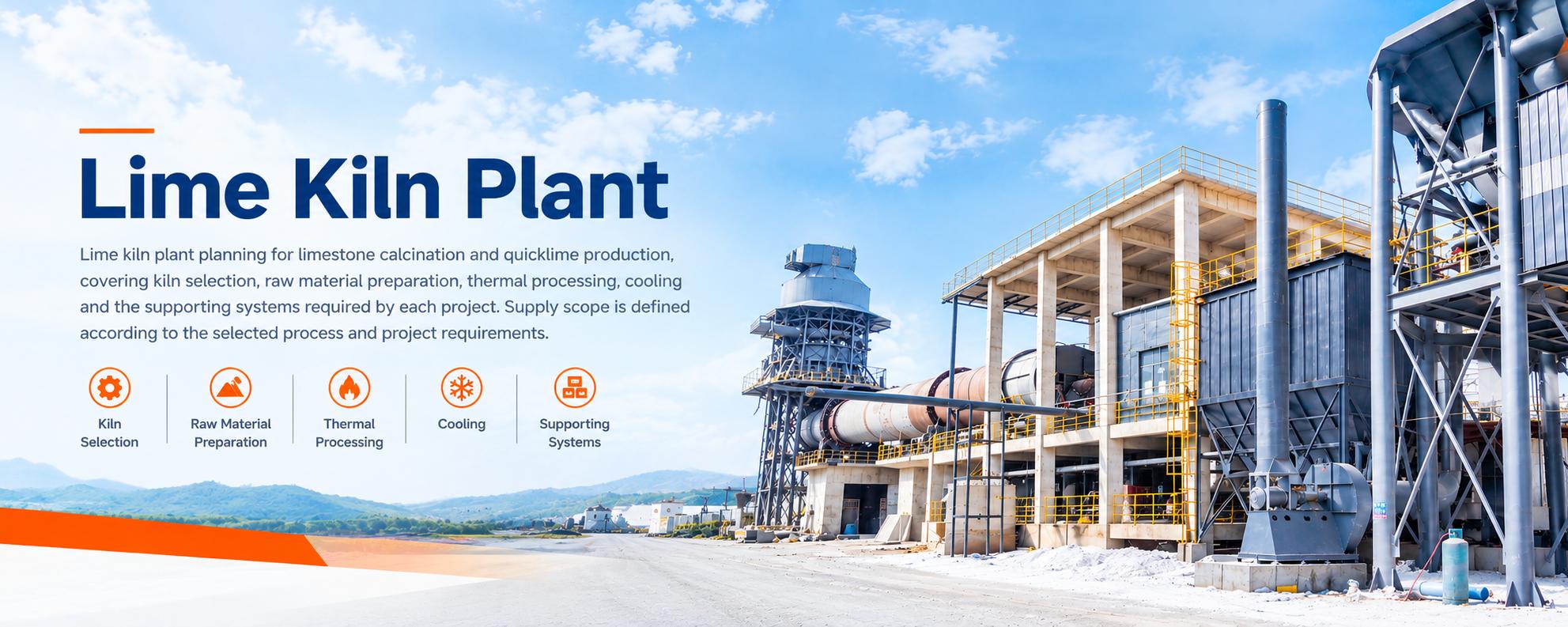
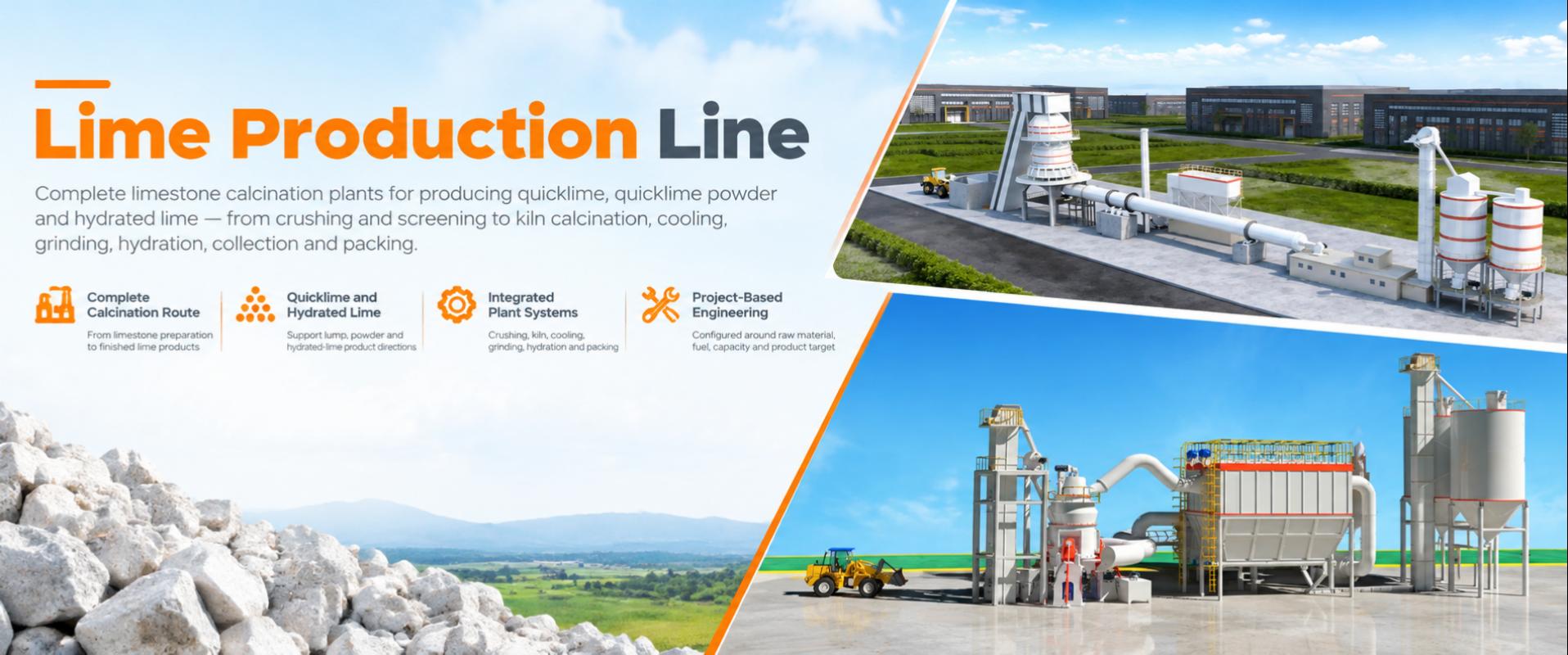
Lime kiln plant cost depends on the required output, quicklime specification, limestone characteristics, fuel system, site conditions, and scope of supply. The kiln purchase price is only one part of the investment. Raw-material preparation, cooling, exhaust treatment, storage, utilities, civil works, installation, and commissioning can substantially change the total project budget.
A useful estimate therefore starts with a defined production requirement and a clear project boundary. Without those details, a quoted price may describe anything from a kiln equipment package to a substantially complete production installation.
First Distinguish Three Different Cost Figures
Equipment purchase cost
The price of the equipment and services explicitly listed in the supplier’s quotation. Freight, installation, refractory materials, electrical work, or commissioning may be included or excluded.
Installed project cost
The cost of bringing the defined facility to an installed condition, including the required equipment, site works, construction, utilities, and engineering within the agreed project boundary.
Total funding requirement
The broader funding needed to execute the project and begin operation. Depending on the project, this may include land, permits, financing expenses, initial inventories, startup costs, working capital, and contingency.
These figures should not be used interchangeably. Capital-cost estimation extends beyond equipment purchase to delivery, installation, site preparation, engineering, and other project expenses. The estimate must state which items it includes.
What Changes the Investment Most?
| Cost Driver | How It Changes the Project | Information Needed for an Estimate |
|---|---|---|
| Production capacity | Changes kiln duty and the capacity required from preparation, cooling, handling, and storage. | Daily output, annual production target, and operating schedule. |
| Limestone supply | Determines feed preparation, acceptable kiln-feed yield, and handling requirements. | Chemical analysis, quarry-feed sizing, moisture, and supply consistency. |
| Kiln configuration | Changes the equipment arrangement, heat recovery, structures, and process interfaces. | Required quicklime quality, available feed, fuel conditions, and site constraints. |
| Fuel infrastructure | May require receiving, storage, preparation, metering, and dedicated safety provisions. | Fuel type, analysis, delivery conditions, and backup-fuel requirements. |
| Environmental controls | Determines dust-collection, gas-treatment, monitoring, and residue-handling scope. | Applicable permit requirements and expected exhaust conditions. |
| Finished-product form | Adds or changes sizing, grinding, storage, packaging, and loading equipment. | Lump or powder specification and customer delivery requirements. |
| Site and construction conditions | Influences foundations, earthworks, roads, utilities, installation, and logistics. | Survey, ground investigation, utility availability, and site access. |
Plant capacity, technology, location, infrastructure, and utilities are central inputs to a lime-processing investment assessment. A budget developed for one site should not be transferred unchanged to another.
Capacity: Define Saleable Output, Not Just Kiln Discharge
The production target should state whether it refers to all material discharged from the kiln or only quicklime meeting the agreed composition, reactivity, and size requirements.
Also distinguish daily capacity from annual delivery commitments. The annual target must account for the planned operating schedule, maintenance, and expected production availability. A nominal daily rating alone is not a complete basis for sizing the project.
When comparing proposals, ask suppliers to use the same limestone, fuel, product specification, and capacity definition. This prevents a lower equipment price from appearing attractive simply because it is based on less demanding conditions.
Limestone Preparation Can Change the Economics
The available stone determines how much preparation the plant needs and how much of the quarry output becomes acceptable kiln feed. Crushing and screening, oversize return, fines handling, and feed storage all belong in the investment review.
A practical assessment should establish:
Whether limestone arrives as quarry rock or prepared kiln feed.
The quantity that meets the proposed kiln’s feed specification.
The additional preparation required to achieve that specification.
The destination and potential value of rejected fractions.
The storage needed between preparation and kiln operation.
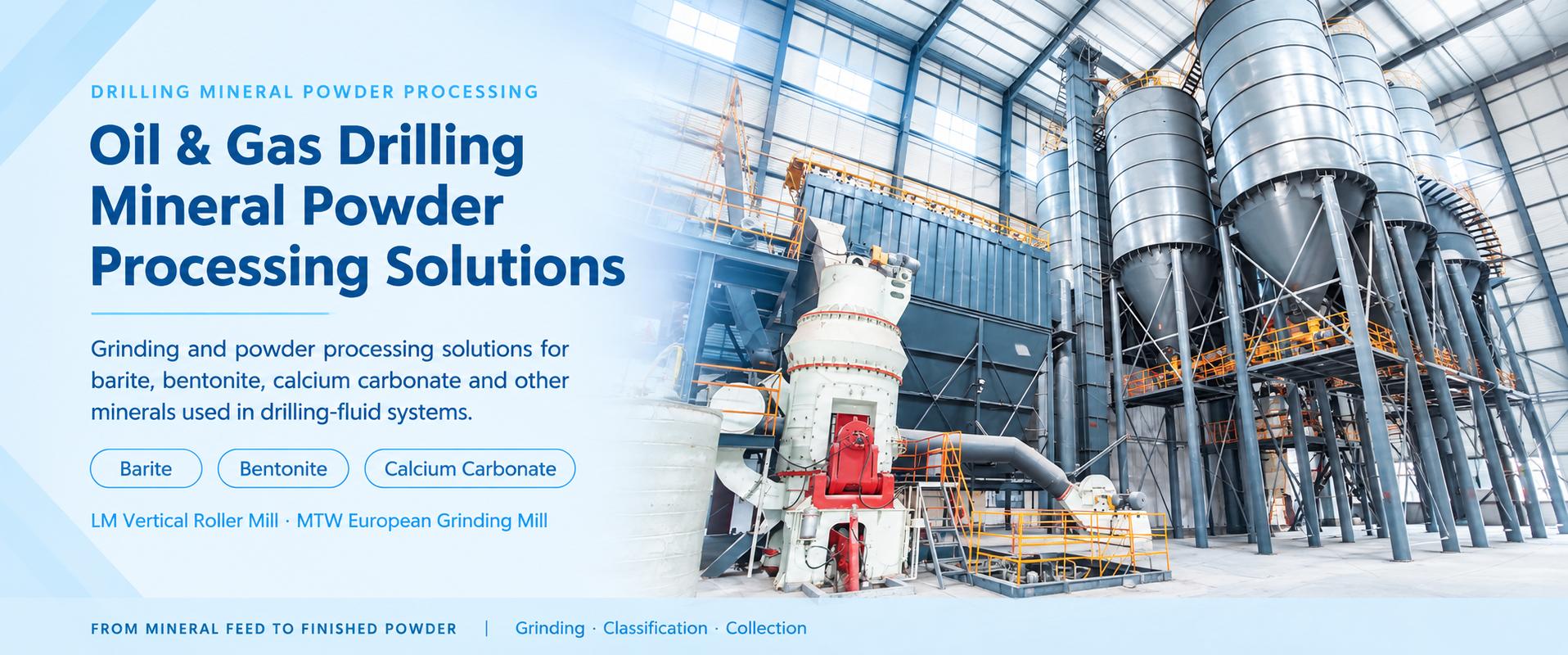
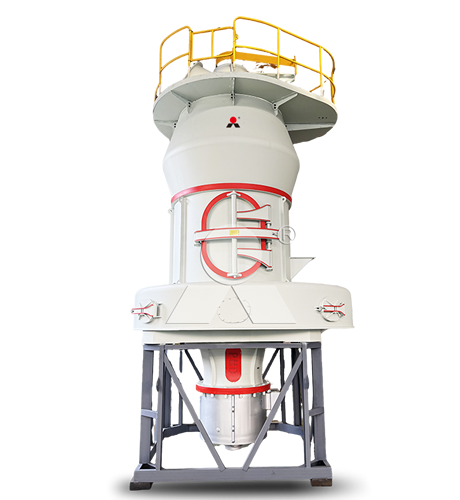
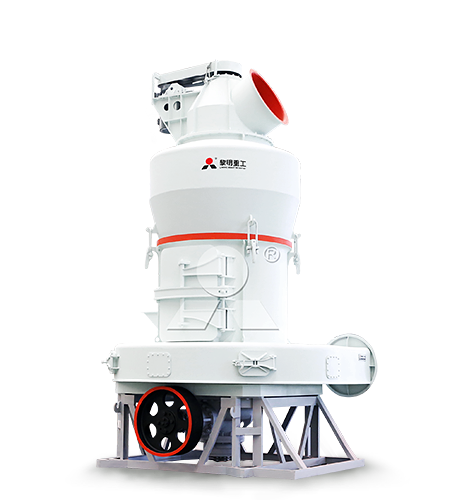
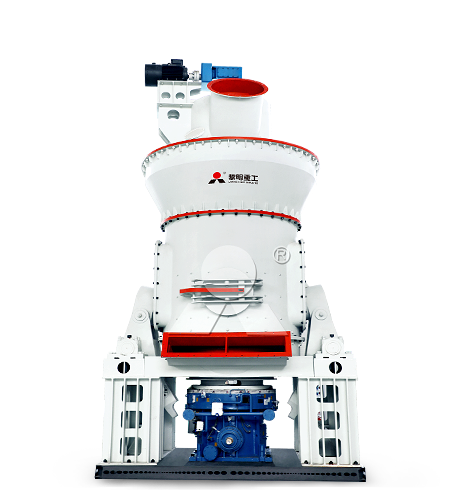
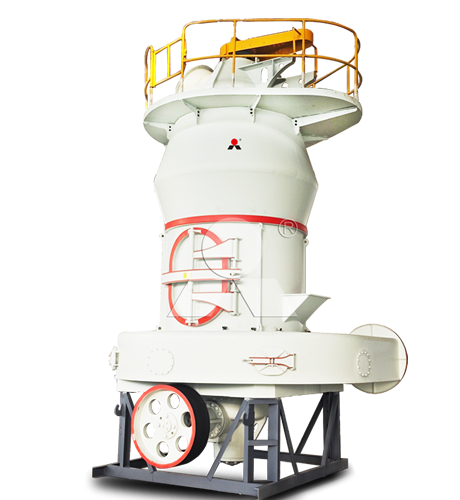
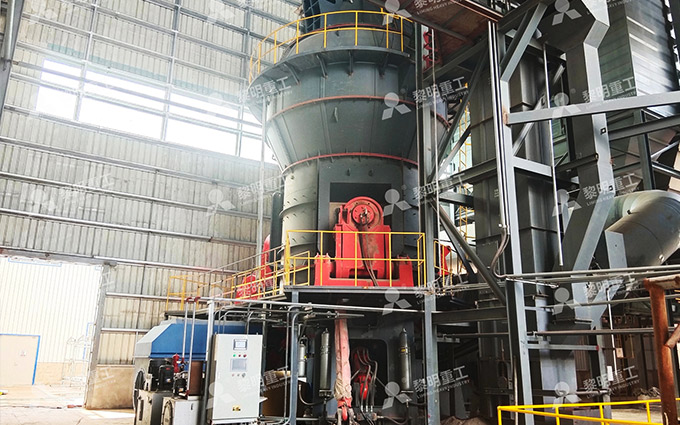
If limestone fines are intended for a separate powder product, a Liming Heavy Industry grinding mill can be evaluated for that duty. Keep this optional investment separate from the base quicklime-production scope unless the powder route is part of the approved project plan.
Kiln Selection Affects More Than the Main Equipment Price
A Liming Heavy Industry vertical shaft kiln, rotary lime kiln, or twin-shaft lime kiln should be evaluated as part of a complete operating configuration. Compare the proposed charging system, firing arrangement, heat recovery, cooling, controls, and installation requirements.
Do not apply a universal price ranking to the three kiln types. Even within one category, the specified capacity, fuel, product requirements, and supply boundaries can change the quotation substantially.
The useful comparison is between configurations capable of meeting the same duty. A lower-priced configuration is not a substitute for one that satisfies a different product requirement.
Fuel Choice Changes Both Capital and Running Costs
A fuel comparison should include more than the delivered fuel price. Some supplies require additional preparation, storage, or delivery equipment before they can be used in the kiln. Fuel arrangements therefore affect both project investment and operating expenditure.
For each proposed fuel, identify the required infrastructure and its supply boundary. If pulverized solid fuel is specified, assess the preparation system, metering, conveying, dust control, and safety provisions as a coordinated package.
A Liming Heavy Industry grinding mill can be considered for an appropriate fuel-preparation duty only after the fuel properties and necessary protective provisions have been defined.
Site Conditions Explain Why Similar Plants Receive Different Budgets
An existing industrial site may already have usable roads, power distribution, workshops, and storage. A greenfield project may need these facilities built from the beginning. Conversely, an existing site can introduce demolition, restricted access, tie-in work, and operating interruptions.
Before relying on a preliminary estimate, confirm:
Ground conditions and foundation requirements.
Site grading, drainage, and internal roads.
Available electrical capacity and connection responsibilities.
Fuel and other utility connection points.
Access for heavy deliveries, cranes, and installation crews.
Local construction, inspection, and approval requirements.
Land development, infrastructure, construction, and utilities are distinct investment items. Their inclusion should be visible rather than assumed to be covered by the machinery price.
Specify the Product Route Before Adding Downstream Equipment
A plant selling lump quicklime does not automatically need a grinding section. A plant supplying quicklime powder needs an appropriately defined milling, collection, storage, and loading arrangement.
For a Liming Heavy Industry quicklime grinding mill, specify the cooled feed conditions, target fineness, throughput, and finished-powder requirements. Where only part of the lime will be ground, size the downstream section around that planned proportion rather than automatically matching the kiln’s full output.
Hydrated lime is a separate product route requiring controlled hydration. Its investment should be identified separately instead of being hidden within a general “lime powder” description.
Compare Capital Savings Against Operating Consequences
The lowest initial investment is not necessarily the lowest-cost production route. Fuel and material costs are important components of lime-manufacturing economics, so operating assumptions deserve the same scrutiny as equipment prices.
Compare alternatives using the cost of saleable quicklime. Review fuel, power, labor, maintenance, refractory work, raw-material utilization, and product losses under a consistent set of assumptions.
Keep any projected savings conditional on verified performance. A claimed payback period is incomplete unless it states production volume, utilization, energy prices, maintenance assumptions, and the investment difference being recovered.
A Practical Checklist for Comparing Quotations
Confirm that each quotation addresses the same production and product-quality requirements.
Request a detailed equipment and services list.
Separate equipment, freight, installation, civil works, and site-dependent items.
Identify exclusions, buyer-supplied items, and utility connection responsibilities.
State taxes, duties, currency, delivery terms, and quotation validity.
Confirm commissioning, training, spare parts, and performance-testing scope.
Record estimate assumptions and unresolved technical items.
Provide contingency appropriate to the project’s remaining uncertainty.
There is no dependable universal price for a lime kiln plant without a defined capacity, configuration, location, and scope. Generic figures can provide context, but they should not be presented as a project quotation.
For a Liming Heavy Industry project estimate, prepare the limestone analysis and sizing data, required quicklime specification, production schedule, fuel information, site conditions, environmental requirements, and intended delivery form. Those inputs allow the investment discussion to move from a kiln price toward a clearly defined production project.