Lime Kiln Plant
Limestone Calcination Process: From Raw Stone to Quicklime
2026-10-26 16:32:57
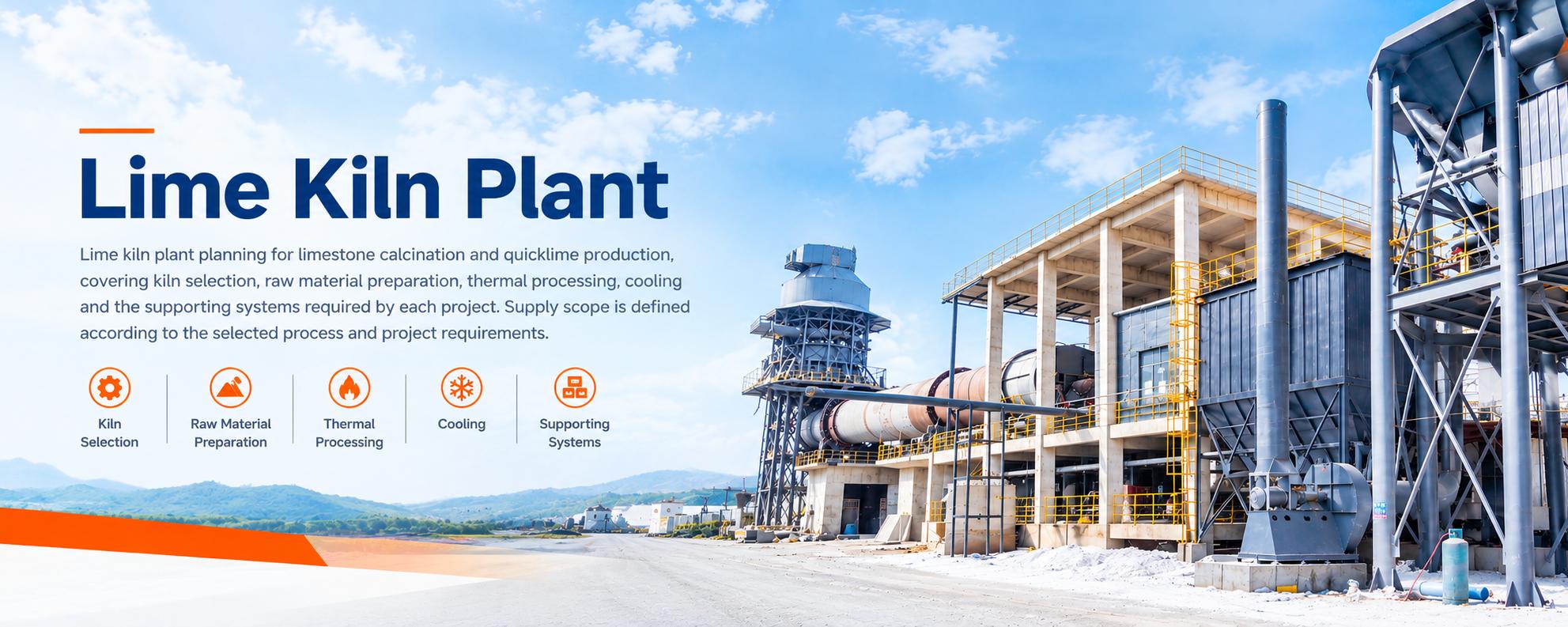
Limestone calcination is the controlled heating process that converts limestone into quicklime. Prepared stone passes through preheating, calcination, and cooling stages in a lime kiln. During calcination, calcium carbonate decomposes, carbon dioxide leaves the stone, and calcium oxide remains as the main solid product. Industrial lime production commonly uses calcination temperatures in the range of 900–1,200°C, with operating conditions adjusted to the limestone and kiln design.
The production challenge is not simply heating stone until it changes appearance. It is achieving a consistent degree of conversion throughout the material while preserving the properties required by the customer. That process begins with the limestone supply, well before the kiln is fired.
Start with the Product Requirement, Then Assess the Stone
A quicklime production line should be designed around the intended product. A customer buying lump quicklime may have different size requirements from a customer using finely ground lime. Applications can also place different demands on chemical composition and reaction behavior.
Before selecting operating conditions, establish a practical raw-material profile:
Calcium carbonate content and the consistency of the limestone supply.
Magnesium content and other constituents relevant to the finished product.
The particle sizes available after crushing and screening.
Moisture, clay contamination, and the tendency of the stone to generate fines during handling.
The behavior of representative limestone samples during trial calcination.
High-calcium and dolomitic materials should not be treated as interchangeable feedstocks. Dolomitic quicklime contains magnesium oxide as well as calcium oxide, so the raw-material composition helps determine which product the plant can make.
The Material’s Journey Through the Production Line
1. Crushing and Screening Establish the Kiln Feed
Quarried limestone is reduced to the required size and screened into suitable fractions. Depending on the original rock size and the kiln feed specification, preparation may involve more than one crushing stage. Screening separates the usable feed from oversized stone and smaller fractions.
There is no single limestone size that suits every lime kiln. Feed preparation must match the selected kiln and the behavior of the available stone. A specification based only on the largest acceptable particle is incomplete; the proportion of smaller particles and the consistency of each delivery also deserve attention.
2. Preheating Uses Heat Already in the Process
Prepared limestone enters the preheating section, where hot gases raise its temperature before the main calcination stage. In a shaft kiln, this takes place in the upper material bed. A rotary lime kiln installation may use a separate preheater upstream of the rotating cylinder.
Preheating connects material preparation with fuel efficiency. Recovering heat from the process reduces the additional heat that must be supplied later. It also means that feed consistency and gas flow need to be considered together rather than as separate operating issues.
3. Calcination Changes the Material
In the burning zone, the limestone receives enough heat for carbonate decomposition. Carbon dioxide is released, and the remaining solid becomes quicklime. This is the defining chemical transformation in the production line.
Calcination is different from drying or grinding. Drying removes moisture, while grinding reduces particle size. Neither operation converts limestone into quicklime.
The published temperature range provides a starting point, not a complete operating recipe. A plant must also establish how long its particular limestone needs to remain under the selected conditions. The relevant question is whether the material has reached the required conversion—not simply whether a temperature indicator has reached a target.
4. Cooling Recovers Heat and Prepares the Product for Handling
Quicklime passes from the burning zone into a cooling section. Air removes heat from the hot product and can then supply preheated combustion air to the process. In rotary kiln systems, lime is discharged into a cooler; in shaft kiln systems, cooling takes place in the lower section of the kiln.
Cooling is therefore part of the production system’s heat balance. It should be coordinated with kiln output and downstream handling rather than treated as an isolated final step.
Three Different Materials Can Leave the Same Poorly Controlled Process
A production line can discharge material that looks broadly similar but performs differently. Product inspection should distinguish incomplete conversion from excessive burning and from the intended result.
| Product Condition | What It Means | What to Investigate |
|---|---|---|
| Underburned material | Some limestone remains insufficiently calcined. | Feed-size variation, heat distribution, residence time, and changes in production rate. |
| Product within specification | The lime meets the agreed requirements for composition, reaction behavior, and delivery size. | Whether performance remains consistent across operating shifts and limestone deliveries. |
| Overburned material | The lime has received more severe heat treatment than required for the intended product. | Local hot spots, excessive thermal exposure, and mismatch between fuel input and material movement. |
These categories provide a troubleshooting framework, but they do not replace testing. Acceptance should be based on agreed product measurements rather than color, surface appearance, or a single kiln temperature reading.
How Kiln Selection Fits into the Process
The same basic transformation can take place in different kiln arrangements. Industrial lime production uses both vertical shaft and horizontal rotary kilns; selection must account for the prepared limestone, available fuel, and required product.
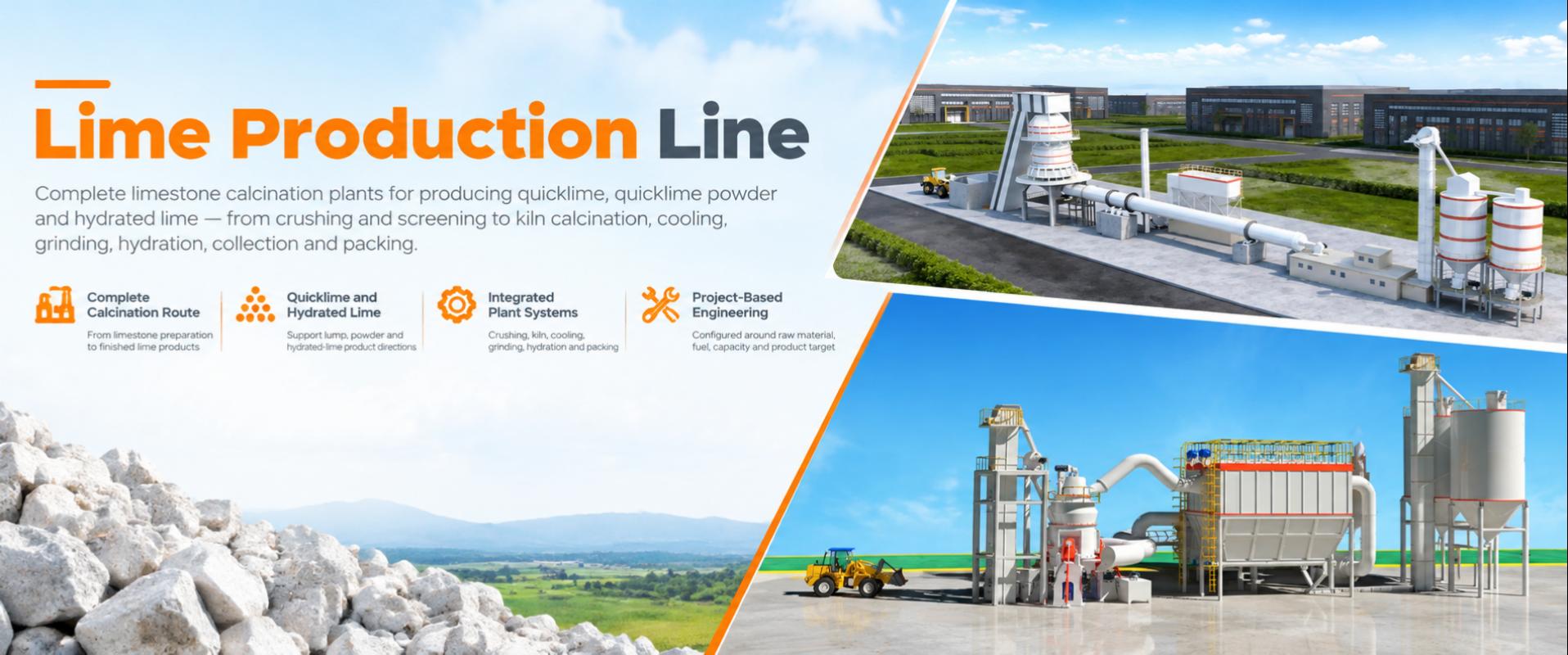
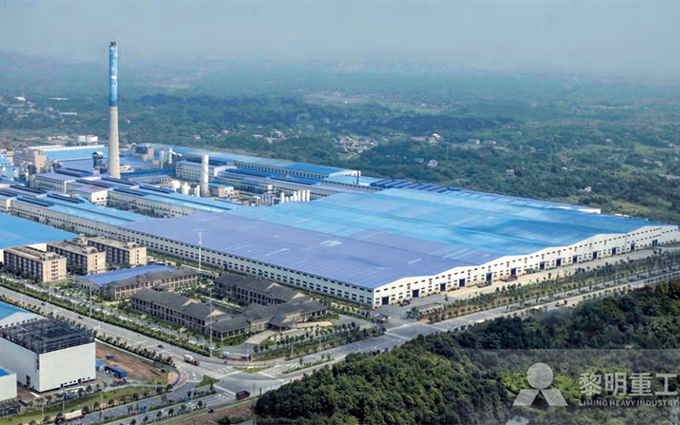
For a Liming Heavy Industry project, the equipment discussion can compare the suitability of a vertical shaft lime kiln, rotary lime kiln, or twin-shaft lime kiln against the same project brief. Useful comparison points include:
Compatibility with the available limestone feed.
Required output and expected operating continuity.
Finished-lime specifications.
Fuel availability and supply consistency.
Heat-recovery arrangement and process-control requirements.
Site layout, maintenance access, and downstream processing needs.
A kiln should not be selected solely because its nominal daily capacity matches the production target. The more important question is whether the complete installation can turn the actual raw material into an acceptable product at that output.
After Calcination: Lump Quicklime, Powder, or Hydrated Lime?
Once cooled, quicklime can be supplied in its kiln-produced form or processed further by crushing and grinding. Controlled water addition produces hydrated lime, which is a separate product rather than another name for ground quicklime.
When the Customer Requires Lump Quicklime
The downstream arrangement should preserve the specified size fraction and manage the smaller material generated during discharge and handling. A grinding stage is not automatically necessary.
When the Customer Requires Quicklime Powder
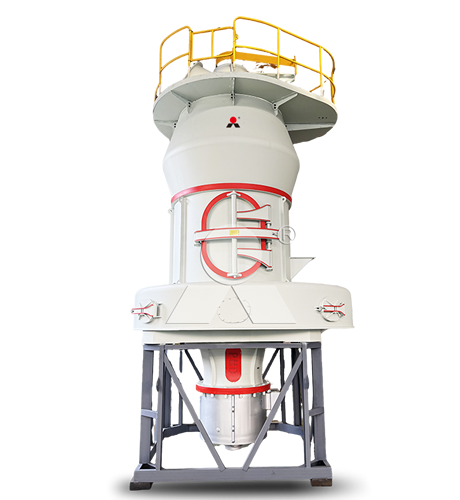
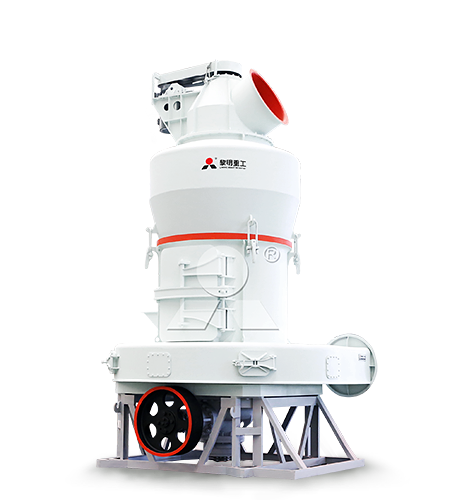
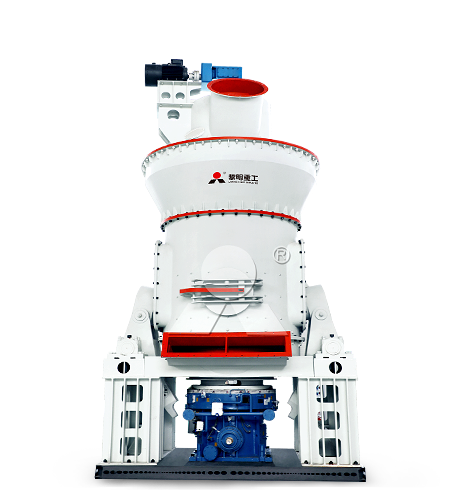
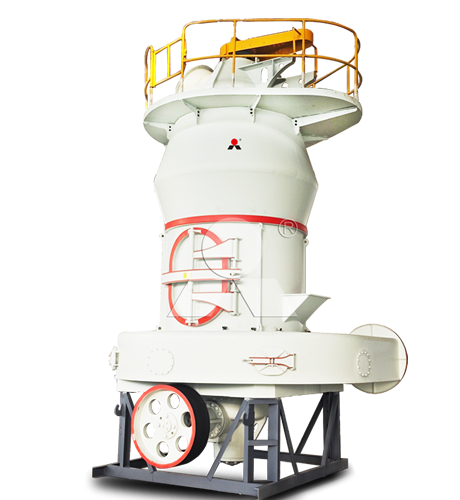
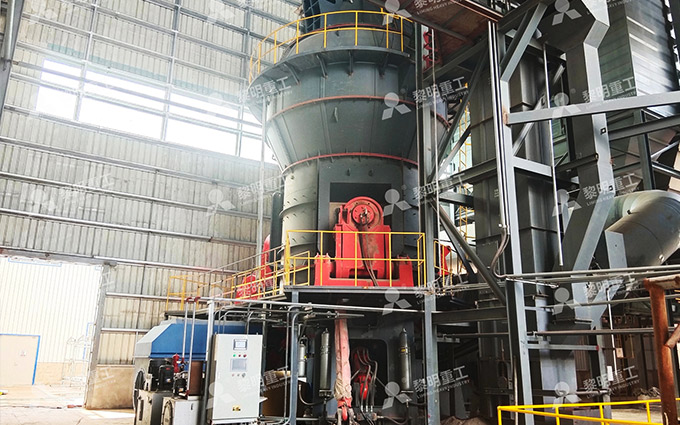
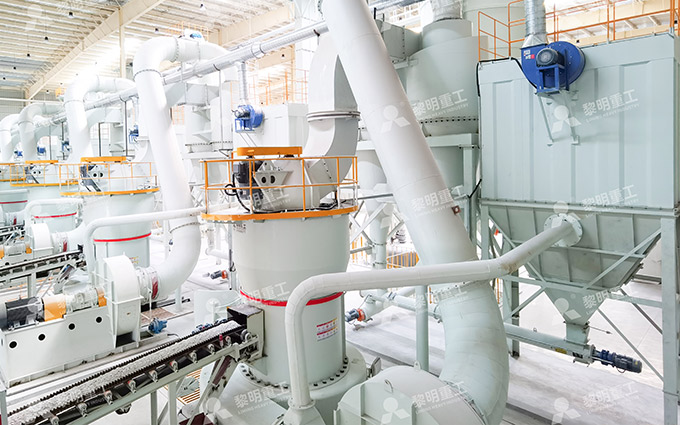
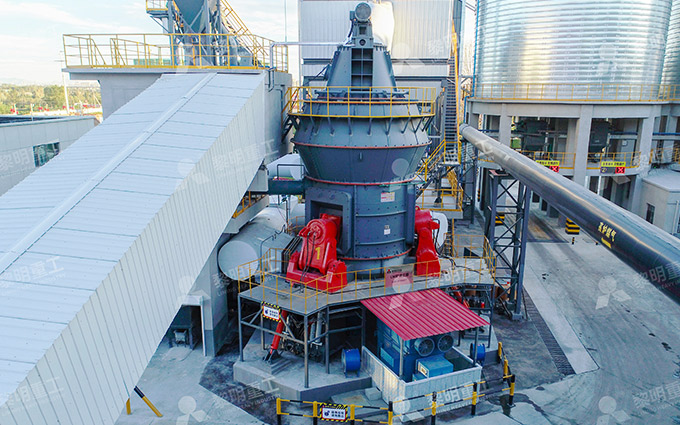
A Liming Heavy Industry grinding mill can be evaluated for the required powder duty. The selection brief should state the incoming quicklime size and temperature, target fineness, required throughput, and finished-product handling arrangement.
The mill belongs after successful calcination. Reducing the size of underburned material does not complete the kiln’s chemical conversion.
When the Customer Requires Hydrated Lime
The process needs a controlled hydration stage. Quicklime reacts with added water to form hydrated lime, so powder fineness alone cannot establish that the correct product has been made.
A Practical Basis for Planning the Line
Before requesting a lime production configuration, prepare a limestone analysis, representative feed-size data, the required daily output, available fuel details, and a clear finished-product specification. Include whether the product will leave the plant as lump quicklime, ground quicklime, or hydrated lime.
Those inputs connect the entire process: raw-stone preparation determines the kiln feed, calcination determines the lime’s conversion, cooling supports heat recovery, and downstream equipment establishes the delivery form. Designing those stages together provides a stronger basis for consistent quicklime production than selecting each machine independently.