Lime Kiln Plant
What Is a Lime Kiln and How Does It Produce Quicklime?
2026-10-26 16:31:18
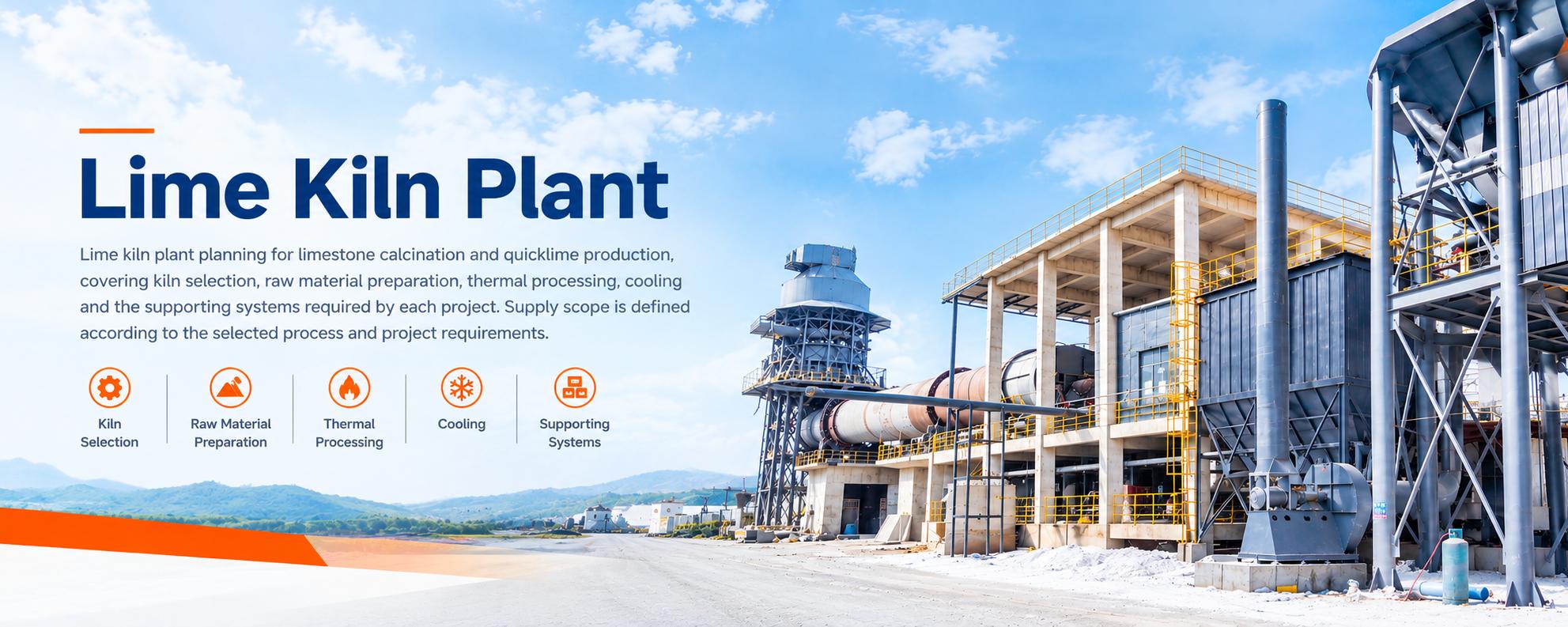
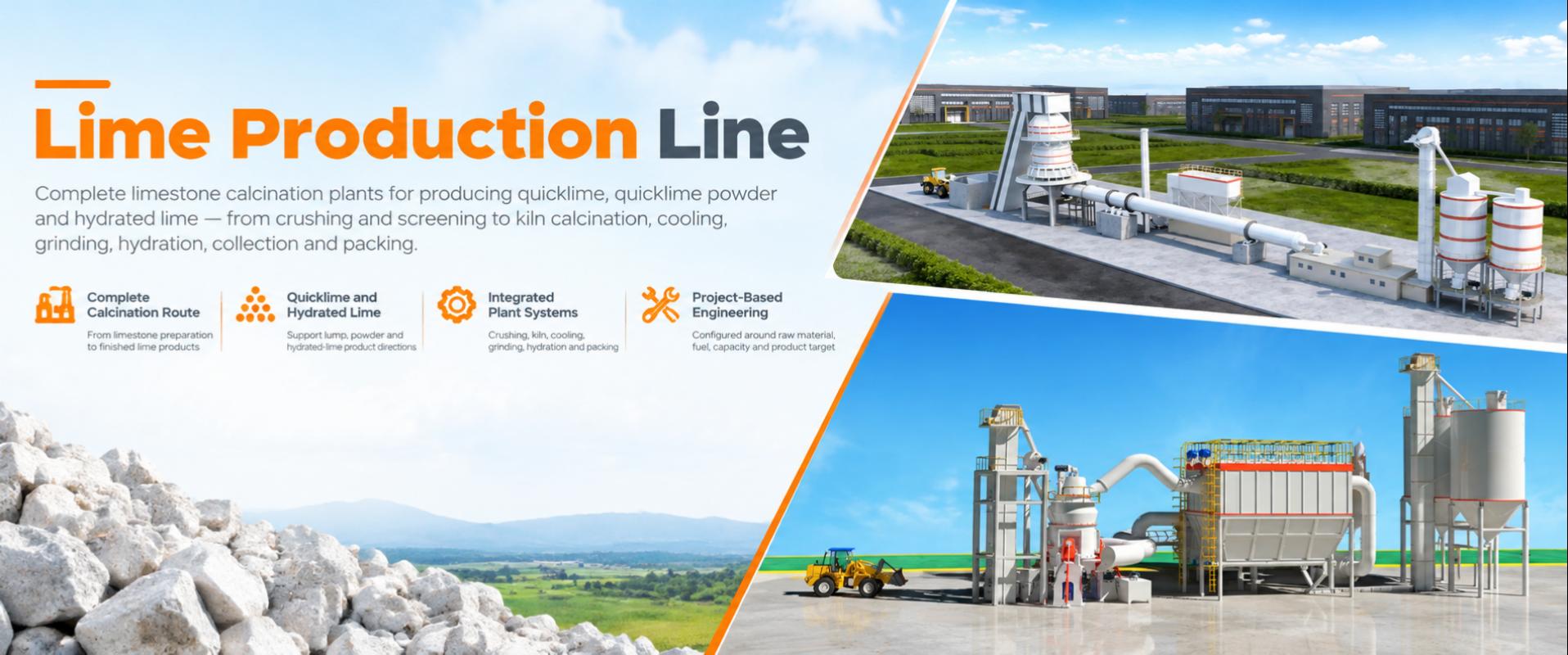
A lime kiln is an industrial furnace that heats limestone to produce quicklime, also known as calcium oxide. Inside the kiln, controlled heating breaks down the calcium carbonate in limestone and releases carbon dioxide. This thermal process is called calcination. Unlike a grinding mill, which reduces particle size, a lime kiln changes the chemical composition of the material.
Producing usable quicklime requires more than reaching a high temperature. The kiln must transfer heat into the limestone particles, provide enough time for decomposition, and discharge the finished lime without excessive burning. Limestone preparation, fuel supply, airflow, and cooling all influence the result.
What Happens to Limestone Inside a Lime Kiln?
Limestone does not turn into quicklime instantly when it enters the furnace. It passes through a heating process in which the outside of each stone heats before its center. Calcination progresses inward as heat reaches the remaining limestone core.
Industrial calcination commonly takes place at material temperatures around 900–1,100°C, although the appropriate operating conditions depend on kiln design, limestone characteristics, and the surrounding gas atmosphere. The flame temperature and the temperature of the stone are not the same. For example, parallel-flow regenerative shaft kilns can achieve complete calcination at average burning-zone temperatures of approximately 950–1,050°C.
This distinction matters when evaluating kiln performance. A high temperature reading alone does not prove that the center of every stone has been fully calcined. Effective production depends on the combination of heat distribution, particle size, and residence time.
From Limestone Feed to Finished Quicklime
Preparing a Consistent Feed
The process begins with limestone selected for the intended quicklime specification. Its chemical composition determines the starting material quality, while its size distribution affects how evenly it heats.
Feed requirements differ between kiln types. Shaft kilns generally process sized stone that allows gases to pass through the packed material bed. Rotary kilns use a rotating, inclined cylinder to move and mix the limestone. A feed size suitable for one kiln should therefore not be assumed suitable for another.
Recovering Heat During Preheating
Before the main calcination stage, limestone absorbs heat from hot process gases. This raises the feed temperature and reduces the amount of additional heat needed in the burning zone.
In a shaft kiln, preheating takes place in the upper section of the material bed. A rotary kiln installation may use a separate preheater ahead of the kiln. The equipment arrangement differs, but the purpose is the same: recover useful heat rather than discharge it directly with the exhaust gas.
Completing Calcination
Within the burning zone, fuel combustion supplies the heat needed to convert limestone into quicklime. Stable operation requires the feed rate, fuel input, and combustion air to work together.
When the heat supply or residence time is insufficient, a stone can retain an uncalcined core. When exposure is excessive, the lime can become more densely burned and less reactive. The operating target is therefore a consistent product suited to its intended application—not simply the highest possible firing temperature.
Cooling and Discharging the Lime
Freshly calcined lime leaves the burning zone at a high temperature. Cooling makes it suitable for subsequent handling and allows part of its heat to be recovered.
In shaft kilns, air introduced from below cools the descending lime. In rotary kiln systems, the product normally enters a separate cooler, where recovered heat can preheat combustion air. Effective cooling is consequently part of the kiln’s thermal system, rather than just a final handling step.
How the Main Lime Kiln Types Differ
Vertical shaft kilns, rotary kilns, and twin-shaft kilns all produce quicklime through calcination. Their main differences concern material movement, gas flow, and heat recovery.
| Kiln Type | How It Works | Key Point to Evaluate |
|---|---|---|
| Vertical shaft lime kiln | Limestone descends through a vertical shaft, passing through preheating, calcination, and cooling zones. | The compatibility of limestone size, bed permeability, fuel distribution, and discharge conditions. |
| Rotary lime kiln | Limestone moves through an inclined, rotating cylinder and exchanges heat with hot combustion gases. | The complete arrangement of the kiln, preheater, and cooler, together with the required product specification. |
| Twin-shaft regenerative lime kiln | Two connected shafts alternate operating roles to combine calcination with regenerative heat recovery. | Feed suitability, switching control, gas distribution, and the required lime reactivity. |
In a parallel-flow regenerative twin-shaft kiln, hot gases from the burning shaft pass through a connecting channel and preheat limestone in the other shaft. The shafts then reverse roles. This alternating cycle recovers heat within the system while supporting controlled calcination.
Why Quicklime Quality Can Vary
Two kilns with the same nominal output do not necessarily produce identical lime. Even within one production line, changes in limestone or operating conditions can affect the finished material.
Uneven stone size
Large and small stones do not heat at the same rate. A broad size distribution makes it harder to achieve a uniform degree of calcination.
Inconsistent heat distribution
Local differences in fuel delivery or gas flow can leave some material insufficiently calcined while exposing other material to excessive heat.
Unbalanced feed and discharge
Changes in material movement alter residence time and can disturb the temperature profile through the kiln.
Excessive burning
More severe burning can reduce lime reactivity. Where rapid reaction is required, this can be as important as achieving adequate conversion.
These issues explain why kiln design cannot be separated from the limestone supply and the product requirement. Heat transfer, material movement, and calcination behavior must be considered together.
Does Quicklime Need Grinding After Calcination?
Not every lime production line needs a grinding stage. The kiln produces calcined lime, but the required delivery form determines what happens next. Some customers require lump quicklime; others specify a powdered product.
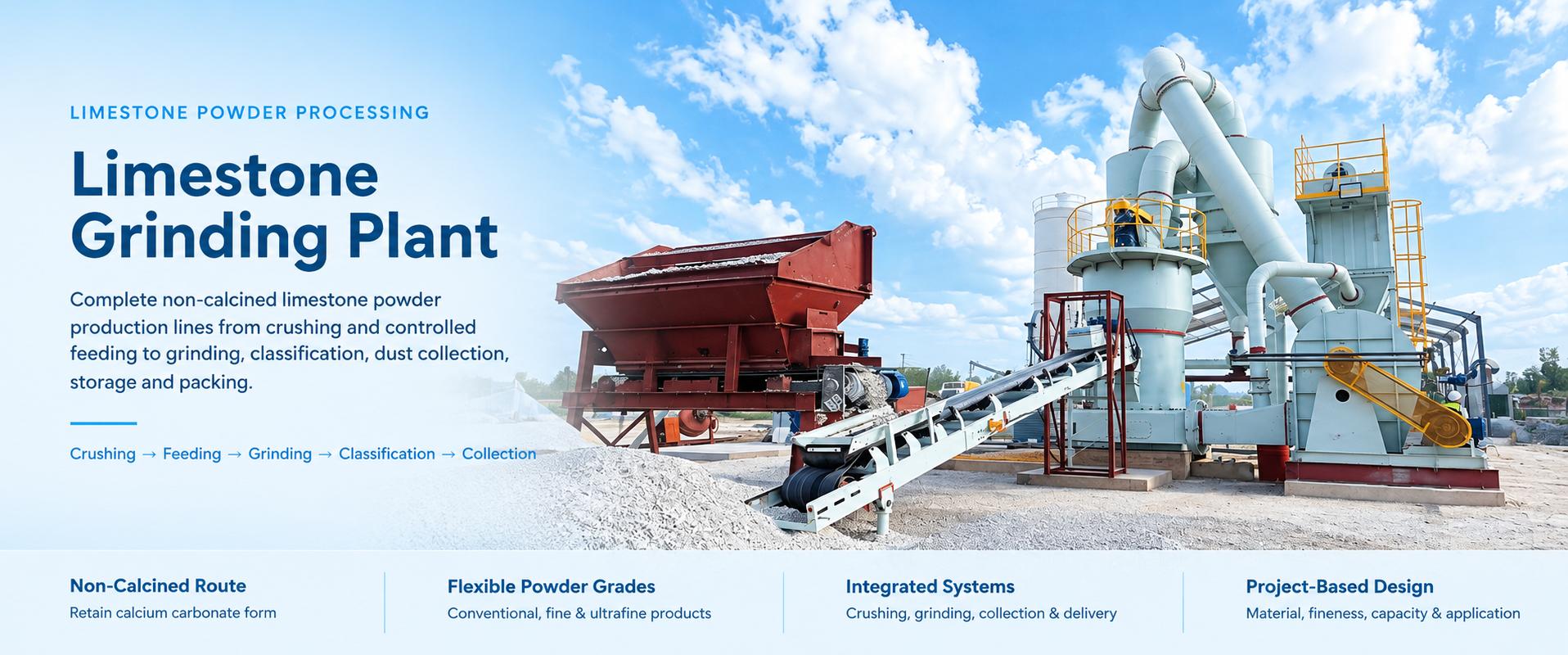
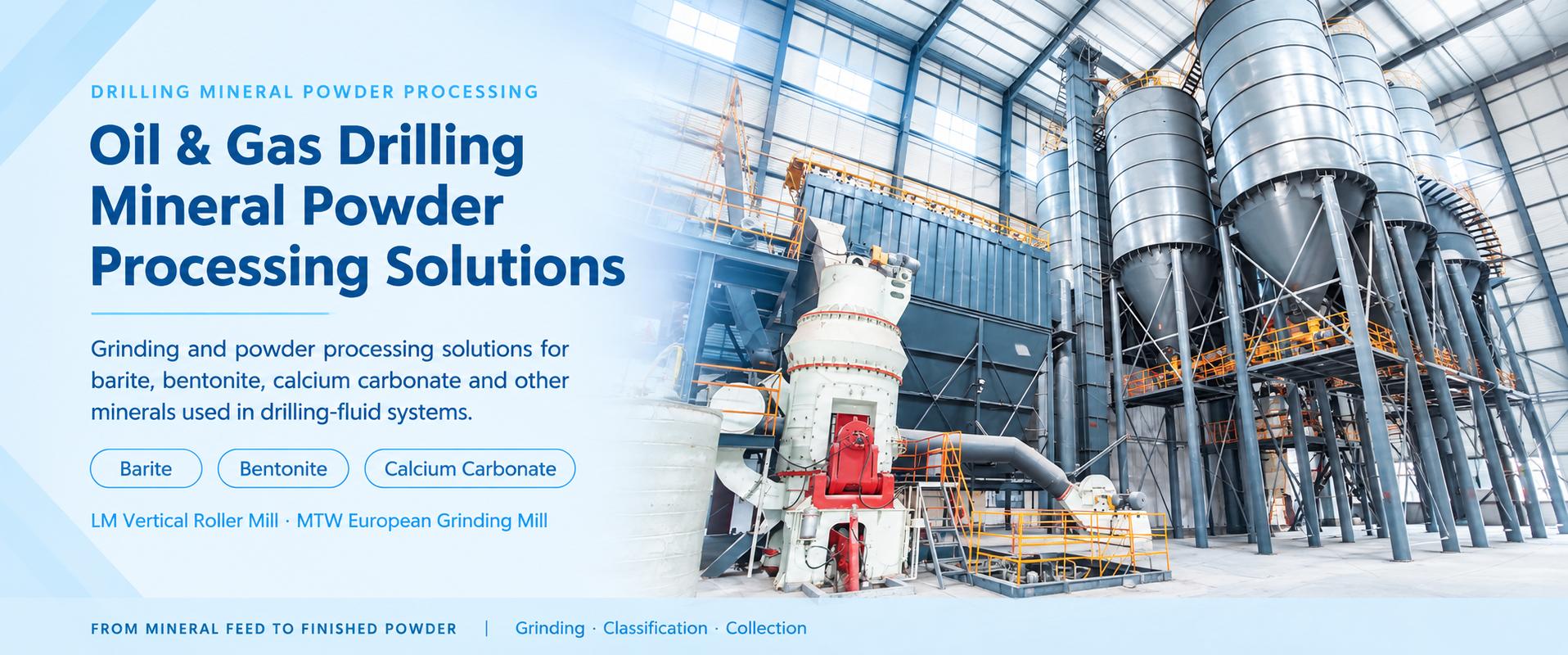
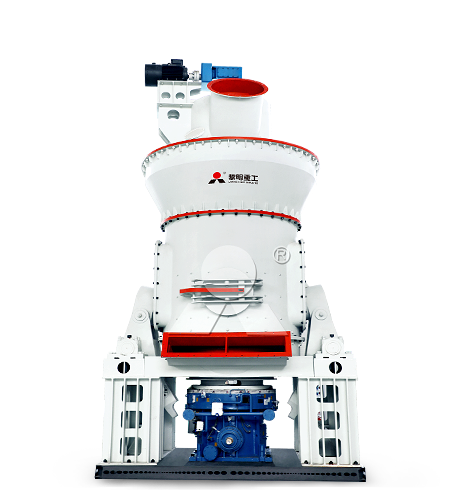
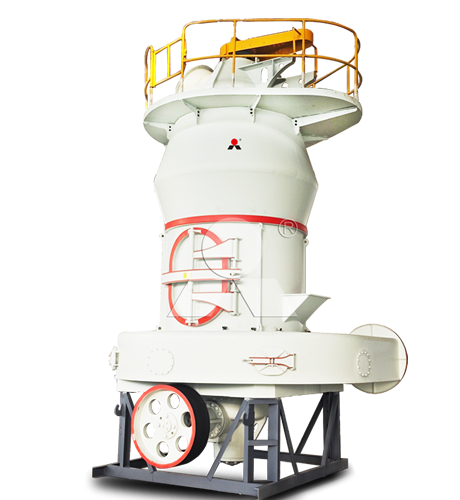
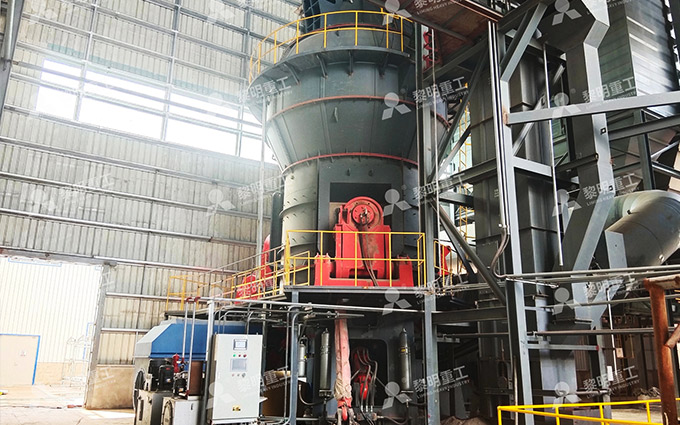
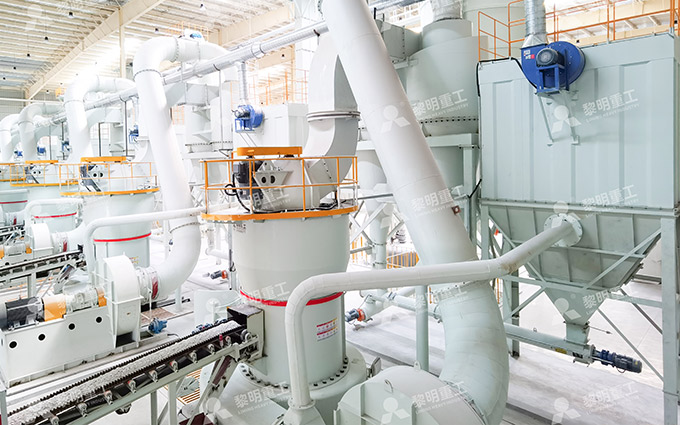
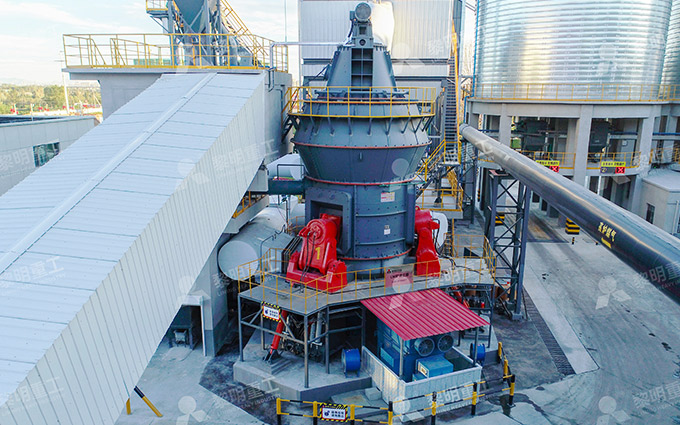
Where quicklime powder is required, a Liming Heavy Industry grinding mill can be evaluated as a downstream processing option. Mill selection should follow the actual feed condition, target fineness, and required throughput rather than the kiln’s nameplate capacity alone.
The kiln and the mill perform different duties: the kiln produces quicklime through heating, while the mill reduces the size of the calcined material. Grinding is not a substitute for complete calcination.
What to Define Before Selecting a Lime Kiln
A practical equipment discussion starts with the material and the finished product, not just a daily tonnage target. For a Liming Heavy Industry lime kiln project, the initial technical brief should include:
The limestone analysis and expected variation between deliveries.
The available limestone particle-size distribution.
The required daily quicklime output and operating schedule.
The available fuel type and its quality consistency.
The customer’s requirements for lime composition, reactivity, and delivery size.
Whether the finished product will be supplied as lump lime or processed into powder.
Site constraints affecting equipment layout, utilities, and material handling.
These inputs provide the basis for comparing a vertical shaft kiln, rotary kiln, or twin-shaft lime kiln. The objective is a production system that converts the available limestone into the required quicklime consistently, with heat recovery and downstream processing matched to the same operating duty.