Lime Kiln Plant
Lime Kiln Plant Automation: Feed, Fuel and Process Coordination
2026-10-26 16:46:14
Lime kiln plant automation coordinates limestone feeding, fuel delivery, combustion air, material movement, cooling, and discharge. Its purpose is to keep these connected operations within a stable operating window while responding to production changes and process disturbances. Effective automation combines reliable measurements, functioning control devices, and a control strategy suited to the kiln—not simply a central screen for starting equipment.
The most important principle is coordination. Changing limestone feed alters the thermal duty. Changing fuel affects combustion and temperature. Adjusting airflow can influence both burning conditions and kiln draft. A dependable control system manages these relationships rather than treating each machine as an independent unit.
What the Control System Needs to Coordinate
| Process Function | Typical Information Required | Coordination Objective |
|---|---|---|
| Limestone feeding | Feed rate or batch weight, storage availability, and equipment status. | Deliver a known, repeatable material input within the kiln’s approved operating range. |
| Fuel delivery | Fuel flow, delivery conditions, and fuel-system availability. | Provide controlled heat input matched to production and combustion conditions. |
| Combustion air and draft | Airflow, pressure, fan status, and relevant gas measurements. | Maintain suitable combustion and gas movement through the system. |
| Material movement and discharge | Drive status, withdrawal rate, level, and kiln-specific operating measurements. | Keep material movement consistent with the required thermal treatment. |
| Cooling | Cooling-air conditions, product temperature, and cooler operating status. | Deliver lime within the downstream temperature limit while coordinating heat recovery. |
| Storage and downstream processing | Available capacity, conveying status, filter condition, and receiving-equipment readiness. | Prevent material transfer into an unavailable or unsuitable destination. |
The exact measurements depend on the kiln arrangement. Industrial lime-kiln control applications coordinate variables such as limestone feed, fuel input, airflows, temperature profile, kiln pressure, and cooler conditions within defined operating limits.
Feed Control: Know What Is Entering the Kiln
Reliable coordination begins with a trustworthy feed measurement. The system should distinguish between a feeder being commanded to run and material actually being delivered.
For continuous feeding, define how the material rate will be measured and verified. For batch charging, define the weighing sequence, acceptance conditions, and response to an incomplete or incorrect batch. In either case, keep the measurement basis clear so that production records reflect real material input.
Automation cannot make variable limestone behave like a uniform feedstock. Particle-size changes, fines, and quarry variation still require raw-material control. Record significant feed changes so that operators can relate later temperature or product-quality changes to the material that entered the kiln.
Fuel Control: Respond to the Process, Not Just the Production Target
A production target provides a basis for heat demand, but the fuel command must also respect combustion conditions and equipment limits. Established lime-kiln control strategies use temperature profiles together with oxygen, combustibles, airflow, and pressure measurements to determine appropriate adjustments.
This avoids a common control mistake: increasing fuel whenever a temperature falls, without checking why it fell. A feed change, instrument fault, airflow disturbance, or material-flow problem may require a different response.
For a Liming Heavy Industry lime kiln project, specify the fuel-control requirements against the actual fuel supply. Confirm the measurement arrangement, operating range, response limits, and conditions applying to any proposed backup fuel.
Why Process Delays Matter
The effect of an operating change is not always visible immediately. Material must move through the process, heat must transfer into the stone, and the resulting quicklime must reach the sampling point.
The delay is especially important in mixed-feed shaft kilns, where solid fuel is charged with limestone and may not burn until hours later. These kilns cannot respond to a fuel adjustment in the same way as a directly fired system.
A suitable control strategy therefore needs to account for the selected kiln’s response time. Repeatedly changing several settings before the previous adjustment has taken effect can make the process harder to interpret. Model-based control approaches address this interaction by treating the kiln as a connected process and anticipating its response rather than relying only on isolated control loops.
Use Different Control Layers for Different Duties
Basic Control Maintains Individual Operating Conditions
The basic control layer regulates measured variables such as fuel flow, airflow, pressure, or drive speed. It also provides equipment status, operator commands, and process trends.
These functions need reliable instruments and actuators. Higher-level software cannot compensate indefinitely for an inaccurate flow measurement or a control valve that does not respond consistently. Reliable measurements, accurate controllers, and an appropriate operating strategy are the foundation of kiln automation.
Sequence Control Manages Connected Operations
Sequence logic organizes activities that must occur in an approved order. Depending on the installation, these can include charging, conveying, discharge, and kiln-specific operating cycles.
Each sequence should define its starting conditions, required confirmations, normal completion, and response to interruption. Operators should be able to see why a sequence is waiting rather than receiving only a general fault message.
Protective Functions Handle Unsafe or Unavailable Conditions
Permissives establish whether an operation may start. Interlocks define responses when required conditions are lost. These functions must follow the equipment design, applicable requirements, and the project’s hazard assessment.
Do not treat an ordinary process-control adjustment as a substitute for a protective function. Fuel safety, emergency actions, and restart conditions need clearly documented responsibilities and tested logic.
Match the Automation to the Kiln Arrangement
Rotary Lime Kiln
A rotary-kiln control review should connect feed, firing, draft, kiln movement, and the cooler. Industrial control strategies include coordinated regulation of kiln speed, raw-material feed, fuel, airflows, and temperature profile.
For a Liming Heavy Industry rotary lime kiln, request a clear description of which variables are automatically regulated, which remain operator-set, and how production-rate changes are managed.
Vertical Shaft Lime Kiln
A vertical shaft kiln requires a control description suited to its charging, combustion, and withdrawal arrangement. A mixed-feed kiln needs particular attention to the delay between charging fuel and its eventual combustion.
Confirm how batch records or continuous-feed records relate to discharge and product sampling. This helps operators trace quality variation back to the relevant operating period.
Twin-Shaft Lime Kiln
For a Liming Heavy Industry twin-shaft lime kiln proposal, require a cycle description covering charging, firing, switching, cooling-air coordination, and discharge. The specification should identify the required position feedback, timing checks, and approved responses to an interrupted cycle.
Do not assume that a general-purpose shaft-kiln control package includes every function required by the proposed twin-shaft arrangement.
Connect Automation with Product Testing
Automatic control can stabilize process conditions, but product testing establishes whether those conditions are producing acceptable quicklime. The operating record should connect laboratory results with the relevant limestone, fuel, production rate, and temperature history.
Use an agreed sampling and testing procedure. Identify the collection time, product location, test method, and applicable acceptance limits. Avoid attributing a sample to the most recent adjustment if the material has not yet experienced that adjustment throughout its passage through the kiln.
This creates a useful feedback loop: process measurements explain operating conditions, while product results verify the outcome.
Include Downstream Availability in the Production Plan
A kiln should not continue transferring product into a blocked conveyor, unavailable storage route, or receiving vessel without capacity. Define the appropriate response to downstream interruptions as part of the plant control philosophy.
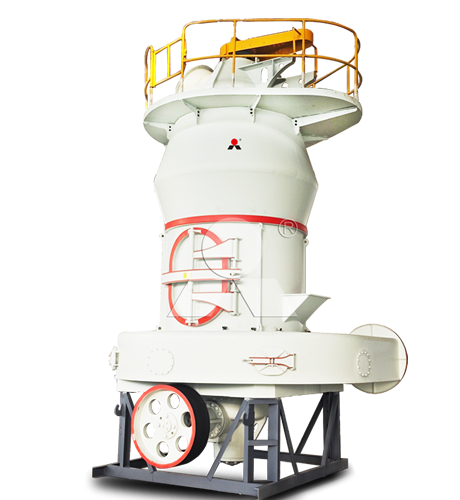
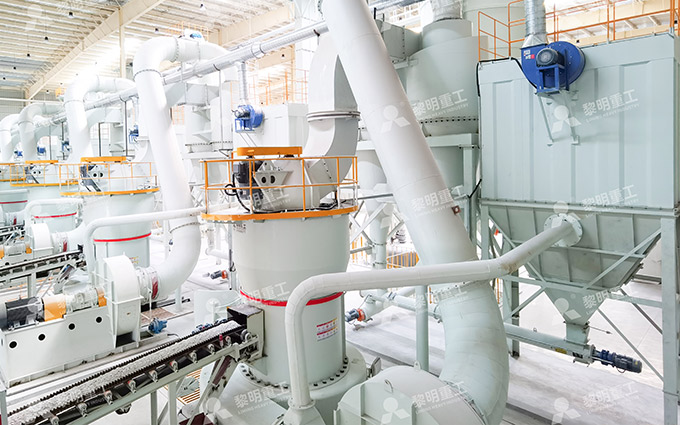
If the line includes a Liming Heavy Industry grinding mill for quicklime powder, specify its feed-temperature limit, buffer-storage arrangement, and receiving-ready signals. Distinguish a mill interruption that can be absorbed by storage from an interruption that requires a controlled reduction in upstream production.
The response should be engineered for the installation rather than improvised through a single plant-wide stop command.
What to Request Before Approving the Automation Package
A process-control description identifying automatic and manual functions.
An instrument list with measurement locations and operating ranges.
Equipment sequences, permissives, interlocks, and restart conditions.
Alarm priorities and clear operator-response guidance.
Trend recording and production-data requirements.
Communication-failure and instrument-failure responses.
Commissioning tests, operator training, and control-system documentation.
Backup, access-control, and approved software-change procedures.
Acceptance testing should demonstrate normal operation, planned production changes, and approved responses to selected faults—not only successful motor starts from the control screen.
A well-integrated automation system makes the lime plant easier to operate consistently because it connects material input, heat supply, airflow, and product discharge. Its value lies in repeatable decisions based on reliable measurements, with clear operating limits and product verification built into the production routine.