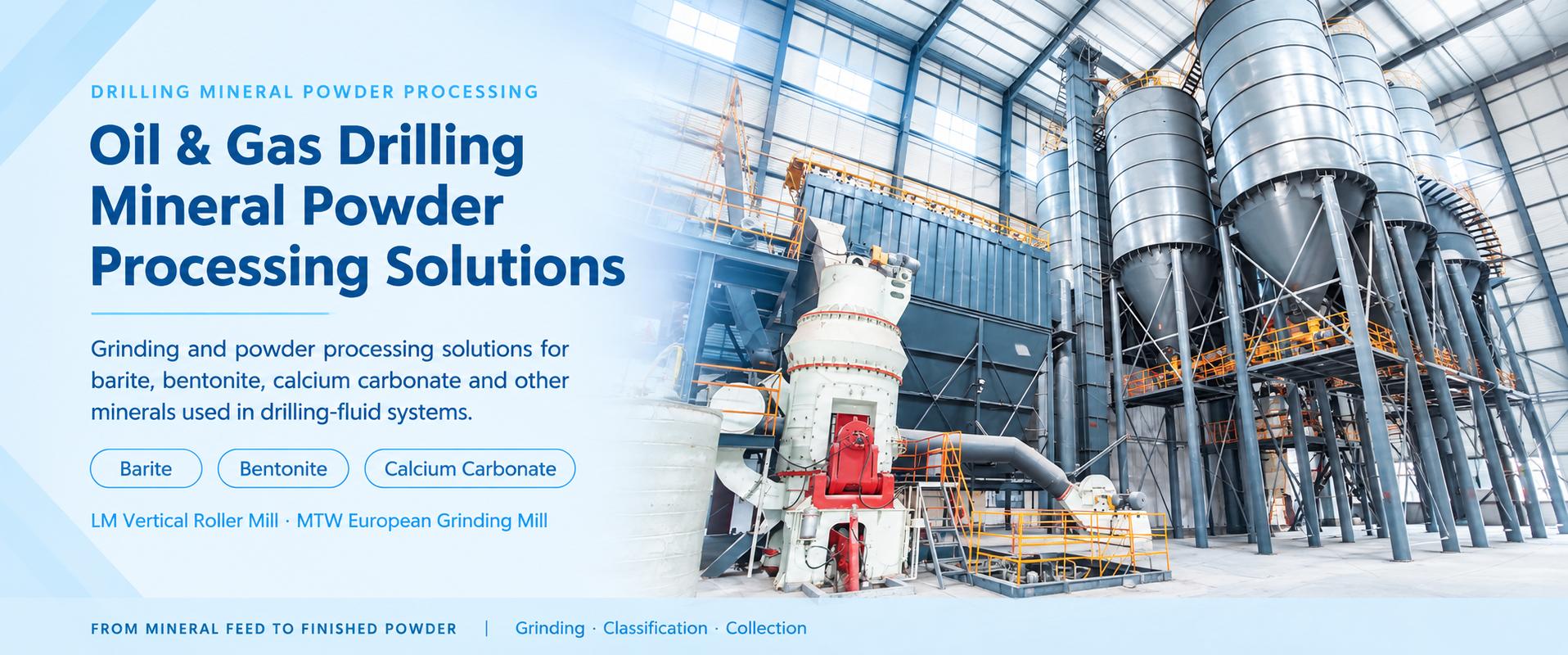
Lime Kiln Plant
Quicklime Storage and Handling After Lime Kiln Production
2026-10-26 16:44:50
Quicklime should be cooled to the specified handling temperature, transferred through enclosed equipment, and stored in dry, weather-protected facilities. The main priorities are preventing moisture contact, controlling dust, maintaining reliable discharge, and preserving the product condition established in the kiln. Quicklime reacts with water and releases heat; it also reacts with carbon dioxide in the air, gradually forming calcium carbonate.
Storage is therefore more than a buffer between production and delivery. A well-operated lime kiln can produce acceptable quicklime, but poor handling afterward can introduce contamination, generate excessive fines, or allow premature hydration before the customer receives it.
Protect the Product from the Cooler to the Customer
The post-kiln handling route should be planned around the product being sold. Lump quicklime, crushed quicklime, and finely ground quicklime place different demands on transfer equipment, storage outlets, and dust collection.
Before selecting the arrangement, define:
The normal and maximum product temperature entering the handling system.
The particle-size distribution and permitted fines content.
The production rate, dispatch rate, and required storage buffer.
Whether different grades or delivery sizes must remain separate.
The filling, reclaim, and loading methods.
The local rainfall, humidity, and potential sources of water leakage.
For a Liming Heavy Industry vertical shaft kiln, rotary lime kiln, or twin-shaft lime kiln project, these requirements should be included in the downstream process brief. Confirm the cooler discharge conditions and equipment-supply boundaries before finalizing storage and conveying.
Moisture Exclusion Is the First Storage Requirement
Dryness is essential because contact with water changes quicklime chemically and releases substantial heat. Humidity can also be absorbed by the material, while moisture entering storage can contribute to caking and obstructed flow.
Inspect the entire moisture barrier, not only the silo shell. Potential entry points include roof joints, inspection covers, filling connections, instrument penetrations, flexible connections, and damaged discharge seals.
The surrounding plant layout matters too. Keep water lines, washdown activities, steam releases, and drainage problems from creating an unintended route into quicklime equipment. Do not use water spraying directly onto quicklime as a routine dust-control measure; water addition belongs in a deliberately designed hydration process.
Enclosed Does Not Mean Unvented
A quicklime silo must exclude rain and uncontrolled moisture while safely managing the air displaced during filling. Bin-vent filters allow displaced air to leave while retaining dust. Pressure protection is also important, particularly where filling introduces conveying air.
A blocked vent should never be treated as a minor dust problem. Filling procedures should verify that the venting system, level indication, and protective devices are available before material transfer begins.
Choose Storage Around the Actual Product Form
| Product Form | Main Handling Priority | Storage Design Focus |
|---|---|---|
| Lump or pebble quicklime | Preserve the required size and avoid unnecessary degradation. | Particle-compatible outlets, controlled withdrawal, and protected transfer points. |
| Crushed quicklime | Maintain consistent delivery size and contain dust. | Reliable flow, appropriate feeder selection, and separation of different grades. |
| Ground quicklime | Control fine-powder escape and maintain predictable feeding. | Enclosed filling, filtered venting, and a discharge arrangement suited to the powder. |
| Bagged quicklime | Protect packaging from moisture and physical damage. | A dry, protected storage area and intact, properly closed packaging. |
Steel or concrete bins and silos, as well as suitable moisture-resistant bags, can be used for quicklime storage. Suitability depends on the detailed arrangement and operating conditions rather than the storage material alone.
Design for Discharge, Not Just Capacity
A silo can hold the required inventory yet fail to deliver it consistently. Lime-handling systems can experience arching or bridging above the outlet, and moisture-related caking can interrupt flow to downstream feeders.
Hopper geometry, outlet dimensions, wall condition, and feeder arrangement should be selected using the actual material characteristics. Avoid adopting a generic hopper angle as a guarantee of reliable flow.
Use Flow Aids Only Where They Are Appropriate
Vibration and engineered air-injection arrangements are used in some lime-storage systems to improve discharge. They should be selected for the material and vessel rather than installed as an automatic cure for every blockage.
If air is introduced, define its quality and moisture requirements. If vibration is used, confirm the structural and operating limits. Neither approach replaces correcting water ingress or an unsuitable outlet arrangement.
Do Not Improvise Blockage Removal
A blocked outlet can leave substantial material suspended inside the vessel. Establish approved isolation and blockage-clearing procedures, and do not allow personnel to enter or work beneath suspended material. Silo access requires the site’s confined-space and stored-energy controls.
Reduce Dust and Unnecessary Size Breakdown
Use enclosed transfer points and appropriate extraction wherever quicklime is discharged, conveyed, or loaded. Quicklime dust must be controlled because exposure can damage eyes and skin and irritate the respiratory system. Local exhaust ventilation and suitable protective equipment are required where exposure may occur.
Review transfer heights, impact points, and handling frequency where customers specify lump size or a low fines content. Sample the product after major transfers to determine whether the handling route is changing its size distribution.
Collected dust should have a defined destination. Returning it to the main product stream is only appropriate when its composition and particle size remain compatible with the customer’s specification.
Manage Inventory by Condition and Traceability
There is no single storage period that suits every quicklime product and facility. Exposure to moisture and carbon dioxide, packaging integrity, and customer requirements influence how well the product retains its intended condition.
Use a documented stock-rotation policy supported by production and dispatch records. Keep track of:
Production date and originating kiln or production campaign.
Storage location and product grade.
Relevant release-test results.
Any water ingress, abnormal heating, or handling incident.
Dispatch date, shipment identification, and retained samples where required.
Older or suspect inventory should be assessed against the agreed product specification rather than released solely because it still looks dry.
Check Loading and Dispatch as Carefully as Storage
Before loading, confirm that the receiving vehicle or container is suitable, dry, and free from incompatible residues. The loading arrangement should limit dust escape and protect the product from weather.
For pneumatic transfer, establish the permitted operating conditions and confirm that the receiving silo has adequate free capacity and functioning venting. For mechanical loading, verify the transfer route, dust extraction, and product identification before starting.
Quicklime should be kept away from water, acids, and other incompatible materials identified in its safety data sheet. Transport and handling documentation should correspond to the actual product and applicable local requirements.
When Quicklime Is Stored Before Grinding
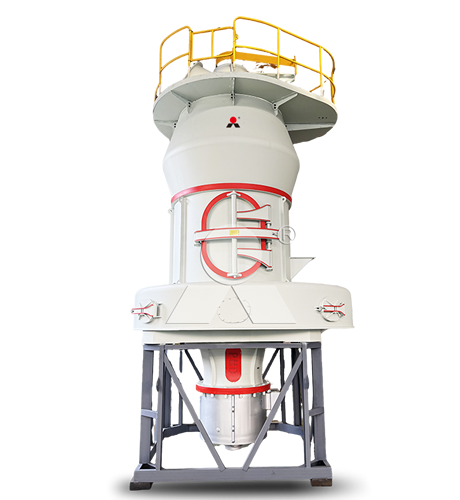
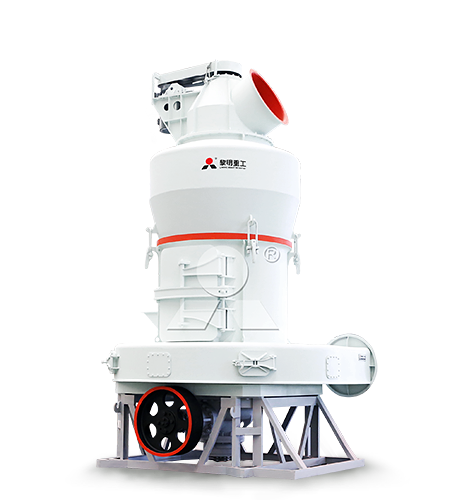
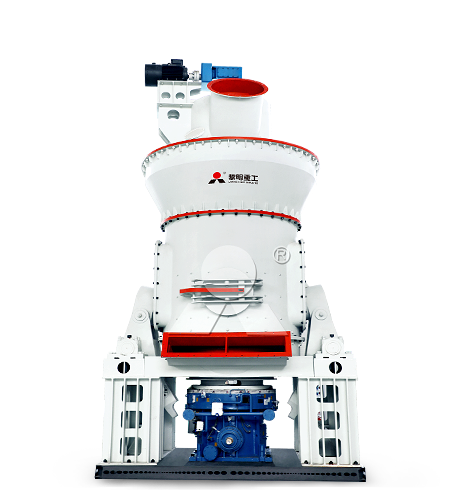
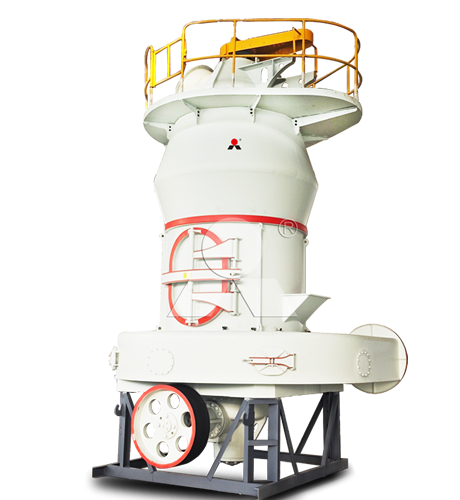
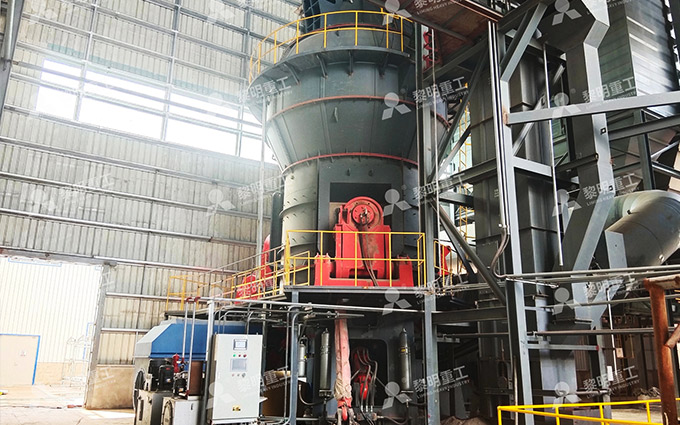
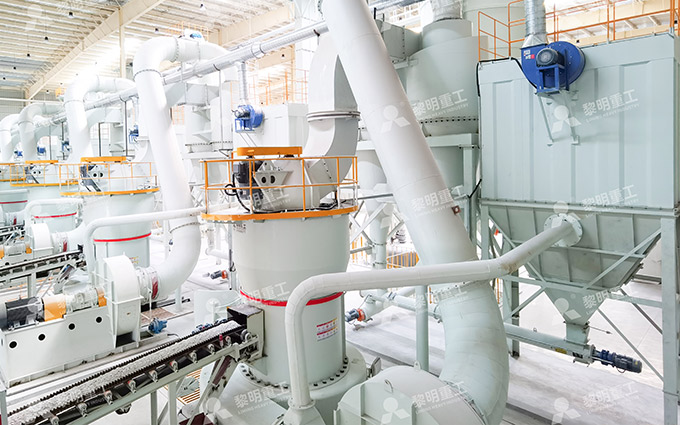
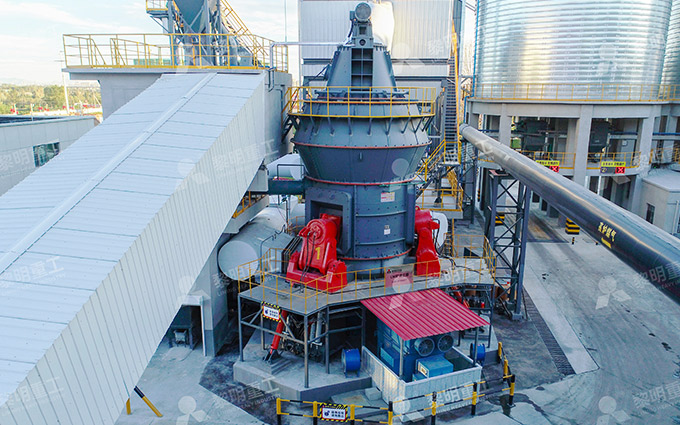
If the plant produces quicklime powder, define the buffer-storage duty between cooling and milling. A Liming Heavy Industry grinding mill should receive feed within its approved temperature, size, and moisture limits.
Keep raw limestone, calcined quicklime, and hydrated lime clearly identified and physically separated where necessary. These materials are not interchangeable, and grinding does not reverse moisture damage or complete inadequate calcination.
The powder-storage section should then be reviewed against the finished product’s flow behavior, filling method, and delivery requirements rather than simply copying the lump-lime storage design.
Safety Measures That Must Remain Available
Provide suitable eye and skin protection, dust-exposure controls, and accessible emergency eyewash and washing facilities. Quicklime’s hazardous reaction with water does not mean water should be withheld from a person exposed to it: follow the product safety data sheet and site first-aid procedures immediately.
Spill cleanup is a separate task. Do not add water to a bulk quicklime spill as an improvised cleanup method, because the reaction releases heat. Use the approved dry-material cleanup procedure and prevent the material from reaching drains or waterways.
A dependable post-kiln system preserves the quicklime already produced: it keeps the material dry, manages dust, discharges predictably, and maintains clear product identification through delivery. Planning those duties alongside the kiln and any grinding stage helps protect both operational reliability and customer acceptance.