Lime Kiln Plant
Dust Collection and Gas Treatment in Lime Kiln Plants
2026-10-26 16:43:29
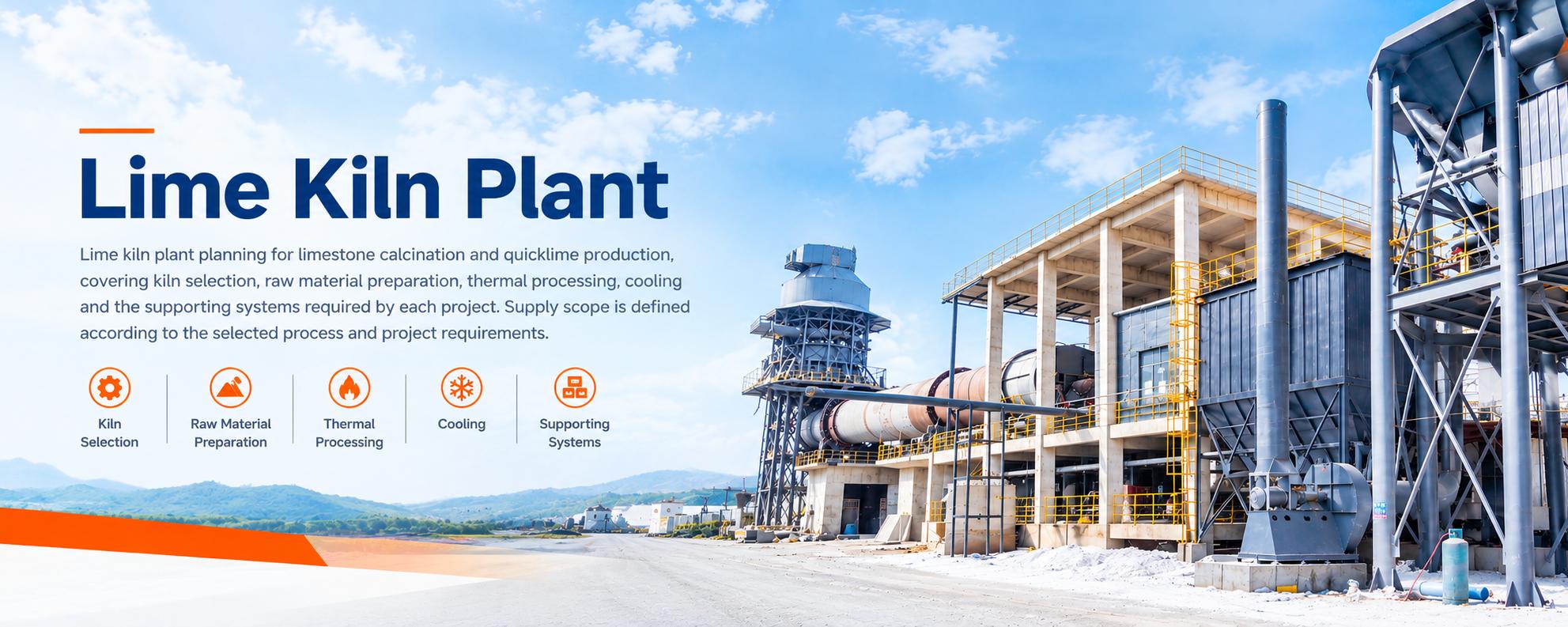
Dust collection and gas treatment perform different duties in a lime kiln plant. Dust collectors remove solid particles carried by exhaust gas or released during material handling. Gas treatment addresses gaseous pollutants that particulate filters alone cannot reliably remove, such as sulfur dioxide and nitrogen oxides. A complete system must account for both the kiln exhaust and the separate dust sources around the production line.
The practical starting point is to identify each emission source, define its operating conditions, and establish the applicable discharge requirements. Selecting a large filter before completing this assessment can leave important sources uncontrolled or create an unnecessarily costly ventilation system.
Map the Emissions Before Selecting Equipment
A lime plant does not have one uniform exhaust stream. Kiln gases differ from the air extracted at a conveyor transfer point, and both differ from the air leaving a grinding circuit. These streams should be evaluated according to their temperature, volume, dust loading, moisture, and composition.
| Plant Area | Main Control Concern | Design Information Required |
|---|---|---|
| Limestone receiving, screening, and transfer | Dust escaping from handling points. | Material condition, transfer arrangement, enclosure design, and required extraction. |
| Kiln exhaust | Entrained dust together with combustion-related and process gases. | Gas flow, temperature, moisture, dust loading, composition, and operating variation. |
| Quicklime cooling and discharge | Hot dust-bearing air where a separate exhaust stream exists. | Cooling arrangement, heat-recovery connections, temperature, and particle loading. |
| Quicklime conveying, storage, and loading | Dust released during transfer and displacement of air. | Handling rates, filling cycles, vent locations, and moisture-exclusion requirements. |
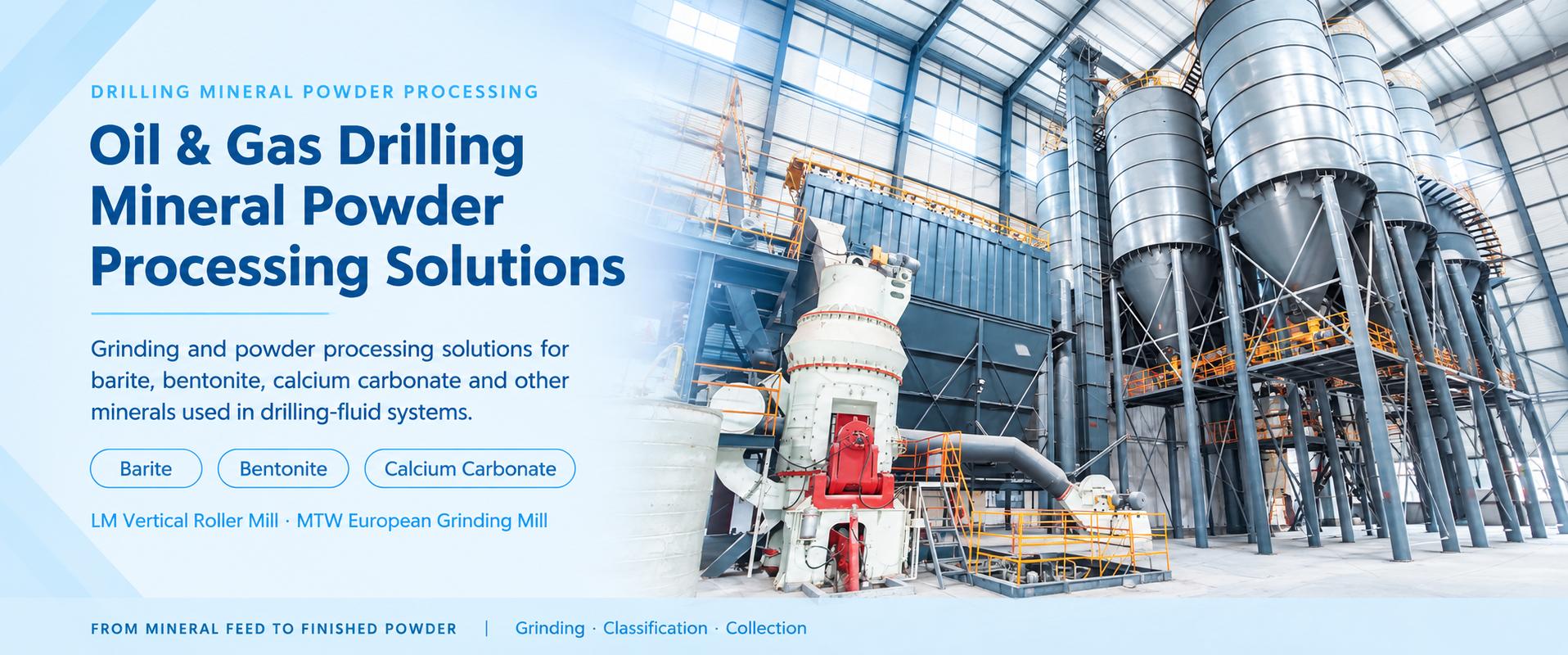
| Quicklime grinding | Fine powder carried by process air and released at transfer points. | Mill airflow, product fineness, feed temperature, and collection requirements. |
Lime-production emission inventories distinguish particulate matter from gaseous emissions including sulfur oxides, nitrogen oxides, carbon monoxide, and carbon dioxide. The presence and significance of individual pollutants depend on the fuel, raw material, and process conditions.
Capture Dust Before It Spreads
For material-handling areas, effective collection begins at the source. Enclosed equipment, covered conveyors, controlled transfer points, and local extraction reduce the amount of dust entering the surrounding workplace. These measures complement the downstream filter rather than being replaced by it.
A collection hood should be designed around the actual movement of material and air. If an enclosure remains too open or extraction is poorly positioned, increasing fan capacity may not solve the underlying capture problem.
During the layout review, check access for inspection, cleaning, and maintenance. Dust-control provisions that obstruct normal operation are more likely to be bypassed or left in poor condition.
What the Main Dust Collectors Can—and Cannot—Do
Fabric Filters Collect Fine Particles
Fabric filters, commonly called baghouses, remove particles as dust-bearing gas passes through filter media. They are widely used for fine-particulate control in kiln exhaust, cooler exhaust, and grinding applications. Their design must match the gas conditions and the dust being collected.
For a lime kiln duty, confirm the permitted temperature range, gas moisture, chemical compatibility, cleaning arrangement, and expected pressure drop. A baghouse selected for cool transfer-point air should not automatically be assigned to a hot kiln-exhaust stream.
Electrostatic Precipitators Are an Alternative for Suitable Duties
Electrostatic precipitators use electrical charging and collection surfaces to separate particles from the gas stream. They are an established alternative for kiln particulate control, but their suitability must be assessed against the process conditions and required performance.
Compare complete operating requirements rather than assuming that either an electrostatic precipitator or a fabric filter is universally preferable.
Cyclones Can Provide Preliminary Separation
Cyclones can remove larger particles ahead of a finer collection stage. They may be useful as part of a collection train, but should not be assumed to provide the same fine-particle control as a properly selected final filter. Lime-production systems use several collector types because exhaust conditions vary substantially between applications.
A Dust Filter Is Not a Complete Gas-Treatment System
The essential distinction is separation: removing solid particles is not the same as controlling gaseous pollutants. A clean-looking stack does not establish that all regulated gas concentrations are acceptable.
Sulfur Dioxide: Start with the Fuel and Limestone
Sulfur control begins with the sulfur entering the plant. Lower-sulfur fuels and appropriate raw-material selection can reduce sulfur-oxide emissions. The kiln’s process conditions and the interaction between sulfur-bearing gases and lime also influence the final exhaust.
If source selection and process measures are insufficient, a dedicated treatment stage may be required. The appropriate approach should follow a gas-composition assessment and the applicable permit conditions, not a generic assumption that the lime in the process will absorb everything.
Nitrogen Oxides: Review Combustion Before Adding Treatment
Nitrogen-oxide control can involve fuel selection, combustion optimization, and kiln-appropriate control measures. Where necessary, additional treatment such as selective non-catalytic reduction may be evaluated. Suitability depends on the kiln configuration and the available process conditions; a method used on another kiln type is not automatically transferable.
The technical agreement should identify the expected untreated emission range, proposed control measures, and conditions under which the performance commitment applies.
Carbon Monoxide: Treat It as an Operating and Safety Indicator
Carbon monoxide is among the gases associated with lime production. Its monitoring requirements should be considered together with combustion control, fuel characteristics, and the safety provisions of the exhaust-treatment system. It is not a particulate pollutant that a conventional dust filter removes.
Keep Gas Conditioning Compatible with Quicklime Handling
Some exhaust-treatment arrangements require gas conditioning before filtration. Any cooling or moisture addition must be engineered for the relevant gas stream and equipment. It should not be confused with spraying water onto quicklime.
Quicklime reacts with water and releases heat. Unintended moisture contact can therefore create handling and safety problems. Wet gas-treatment systems, where selected, also require a defined arrangement for wastewater or slurry management rather than being treated as a drop-in substitute for dry collection.
Decide What Happens to Collected Dust
Collected dust is not automatically a finished product or suitable kiln feed. Its destination depends on where it was captured, its composition, particle size, and the requirements of the receiving process.
Keep limestone-handling dust distinguishable from calcined-lime dust.
Assess kiln dust before deciding whether it can be returned, blended, processed, or removed.
Separate gas-treatment residues from saleable lime unless their suitability has been demonstrated.
Provide enclosed discharge and transfer arrangements so collection does not create a second dust source.
Recycling can reduce material losses, but it should be based on a documented material balance and quality assessment. The collection system’s purpose is not fulfilled if its hopper discharge releases the captured dust back into the plant.
Monitoring Should Explain Performance, Not Just Record It
Define monitoring requirements from the local permit and the selected control system. Useful operating records may include gas temperature, airflow or draft, filter pressure drop, cleaning-system status, hopper discharge, fan operation, and the required pollutant measurements.
Interpret changes together. A rising filter pressure drop, unstable kiln draft, or repeated dust-discharge interruption calls for investigation of the collection system and its process connections—not simply a larger fan setting.
Emission commitments also need a clear measurement basis. State whether concentrations refer to dry or wet gas, the reference conditions, oxygen correction where applicable, averaging period, and test method. Published guideline values are not substitutes for the requirements that apply to the project location.
Integrate the System with the Lime Production Line
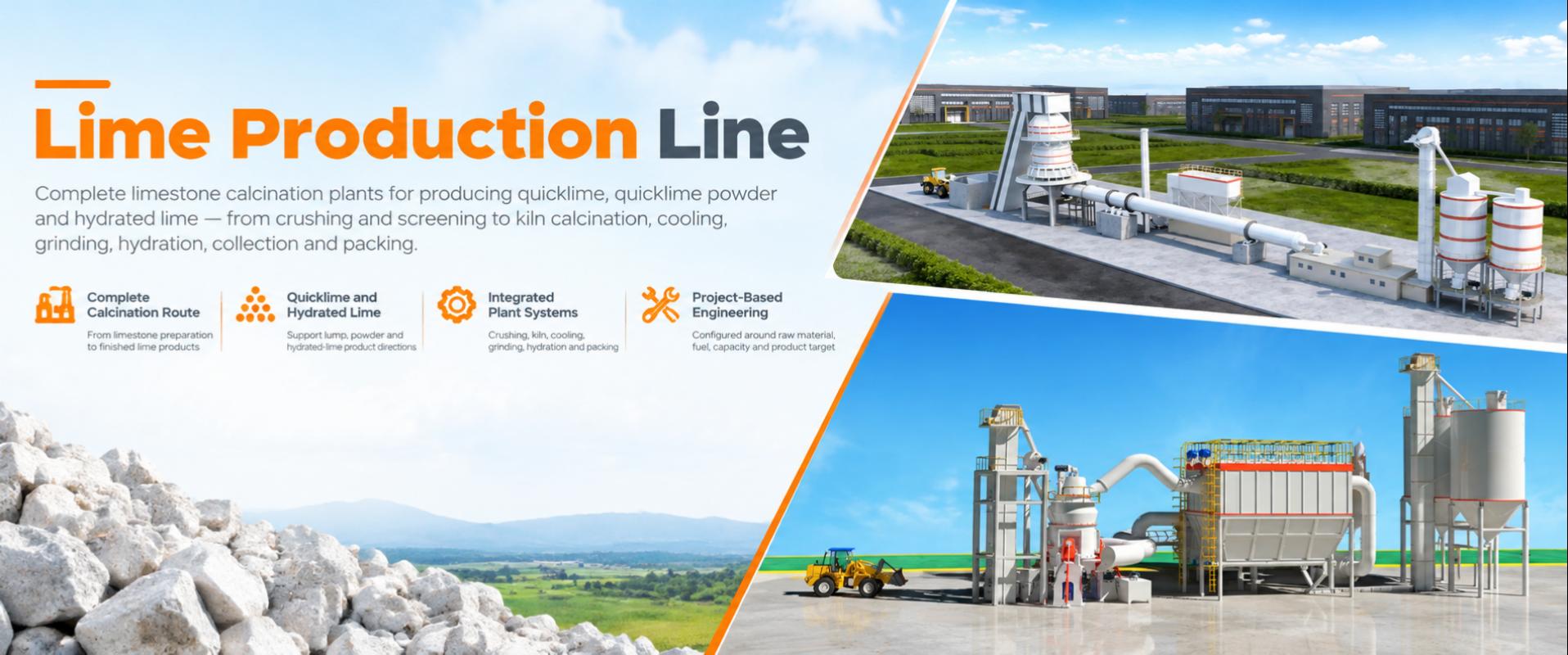
For a Liming Heavy Industry vertical shaft kiln, rotary lime kiln, or twin-shaft lime kiln project, include dust collection and gas treatment in the initial process review. Request defined exhaust conditions, connection points, draft requirements, and the boundaries of equipment supply.
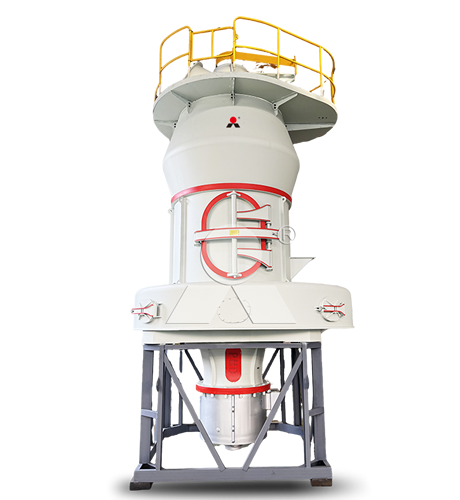
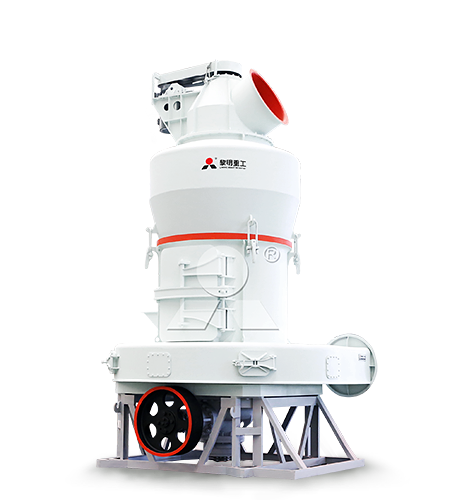
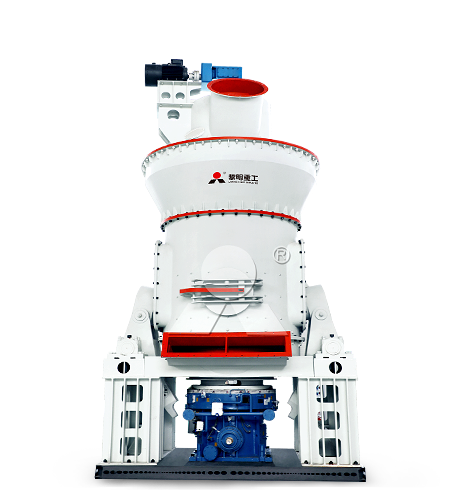
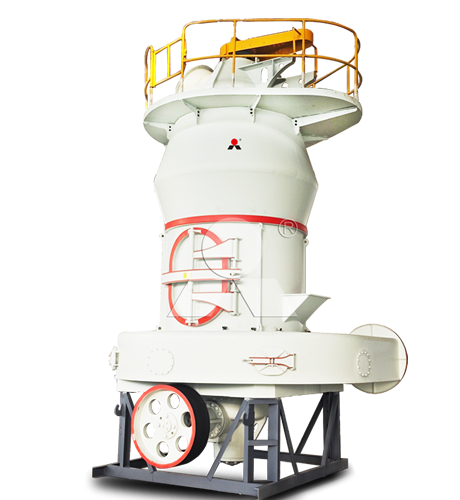
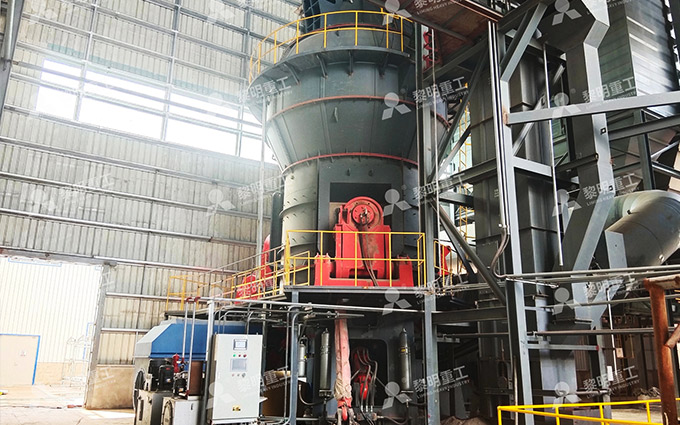
If the line includes a Liming Heavy Industry grinding mill for quicklime powder, review the mill’s process-air collection separately from the kiln-exhaust duty. The systems may require different temperatures, airflow controls, and maintenance arrangements.
A dependable design combines source enclosure, suitable particulate collection, pollutant-specific gas control where required, and safe residue handling. Planning these functions together supports stable kiln operation while keeping dust and exhaust management aligned with the plant’s actual operating conditions.