Lime Production Line
Key Factors in Lime Kiln Temperature Control and Product Consistency
2026-09-28 15:23:58
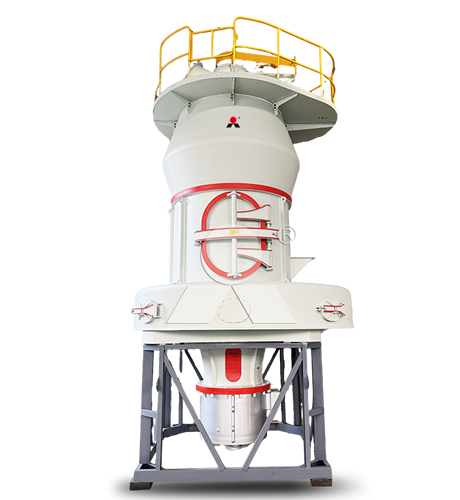
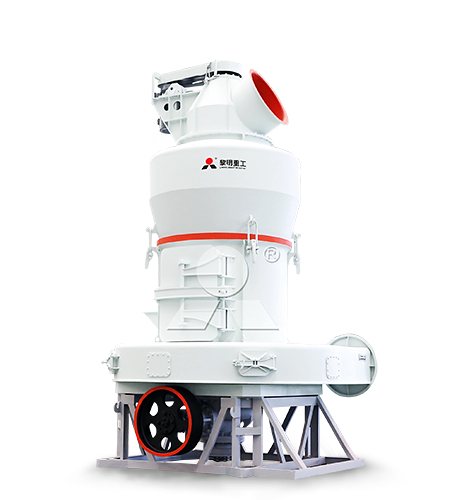
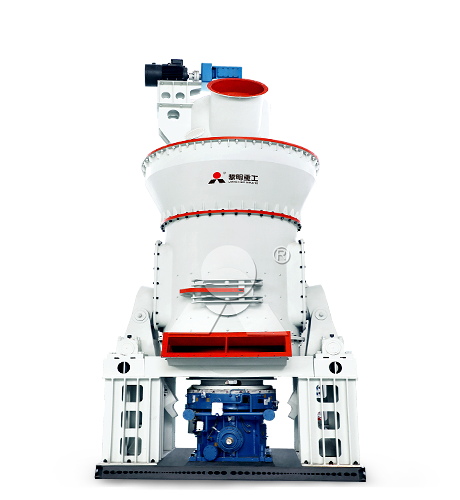
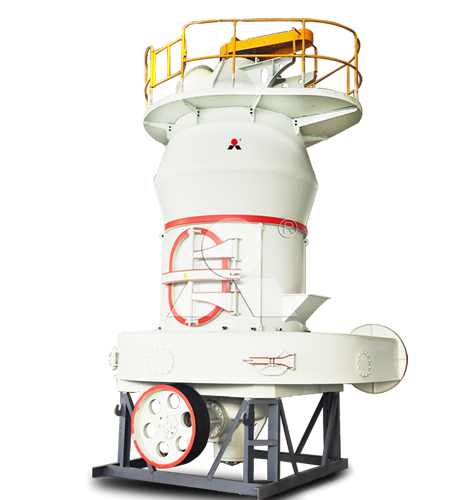
We are Liming Heavy Industry, a manufacturer of various types of industrial crushers, such as Raymond Mill, Trapezoidal Mill, Vertical Mill, Ultrafine Mill, Ball Mill, etc.
Our mills can process the following minerals:
limestone, quicklime, kaolin, talc, barite, bentonite, calcium carbonate, dolomite, coal, gypsum, clay, carbon black, slag, cement raw materials, cement clinker, etc.
If you need a mill to process stone or minerals into powder, please feel free to contact me (WhatsApp: +8615333807511). Thank you.
A stable temperature reading does not, by itself, mean a lime kiln is producing consistent quicklime. Stone size and composition, heat distribution, combustion air and the time material spends in the kiln all affect how completely the limestone calcines. Effective control means keeping those conditions steady and checking the discharged lime against the customer's specification.
Why more heat is not always better
Limestone must receive enough heat to release carbon dioxide and become quicklime. If heat does not reach the center of a stone, the product can retain an uncalcined core. But raising the burning intensity too far or holding lime at high temperature for too long can produce denser, less reactive material. The appropriate operating window depends on the limestone and the required quicklime properties; a single temperature setpoint cannot serve every quarry or kiln.
This is particularly important when the customer specifies reactivity for a downstream process such as hydration. In one documented quarry assessment, limestone from different benches showed different responses to the same burning conditions. Representative feed and product testing is therefore more useful than judging quality from kiln temperature alone.
Five variables operators must connect
Stone composition: Changes in quarry bench, impurities and stone texture can change how the feed burns and the quality of the resulting lime. Keep track of which material enters the kiln, especially when blending quarry sources.
Feed-size distribution: Larger stones need more time for heat to reach their centers, while an excess of fines can interfere with material and gas movement. Check size distribution at the kiln inlet, not just after the crusher.
Fuel and combustion air: Uneven fuel delivery, unstable flame shape or unsuitable air supply can create uneven heating across the kiln. Fuel and air adjustments should be considered together.
Gas flow and draft: Fans and flow restrictions influence combustion air and heat transfer. A temperature correction made without checking draft may address a symptom rather than the underlying problem.
Feed and discharge rate: These affect how long stone remains in the heating zones. Increasing throughput without confirming the resulting quicklime quality can leave insufficiently calcined material.
Measure the process—and the product
Temperature sensors are valuable, but their locations and limitations matter. Kiln exhaust temperature, selected zone measurements, fuel flow, combustion-air conditions and draft each describe a different part of the process; none directly measures the condition at the center of every stone. Trend these readings alongside feed rate and any changes in limestone source.
Regularly sample the cooled quicklime for properties that matter to the buyer, such as residual carbonate and reactivity. Compare those results with the operating conditions that produced the sampled material, allowing for its travel time through the kiln. This helps distinguish an actual temperature-control problem from a change in feed chemistry or sizing.
Respond to variation methodically
If product tests show uncalcined material, check whether the feed contains oversize stone or whether throughput, fuel delivery and heat distribution have changed before simply increasing fuel. If reactivity falls, investigate prolonged exposure to high heat as well as any change in limestone source. In either case, make controlled adjustments and verify the next product samples rather than changing several settings at once.
For a new plant, provide the kiln designer with representative samples from every quarry zone expected to supply production, the proposed feed-size range and the required lime-quality limits. Burnability testing can then inform the kiln design and operating window. Product consistency starts with knowing the stone; temperature control keeps that understanding working during daily production.