Lime Production Line
Lime Production Plant Cost: Main Factors That Affect Project Investment
2026-09-28 15:25:38
We are Liming Heavy Industry, a manufacturer of various types of industrial crushers, such as Raymond Mill, Trapezoidal Mill, Vertical Mill, Ultrafine Mill, Ball Mill, etc.
Our mills can process the following minerals:
limestone, quicklime, kaolin, talc, barite, bentonite, calcium carbonate, dolomite, coal, gypsum, clay, carbon black, slag, cement raw materials, cement clinker, etc.
If you need a mill to process stone or minerals into powder, please feel free to contact me (WhatsApp: +8615333807511). Thank you.
The cost of a lime production plant depends on what it must produce, what stone and fuel are available, and how much infrastructure already exists at the site. A kiln price is only one part of the investment. Crushing and screening, cooling, dust control, storage, utilities and installation can all change the total substantially; grinding or hydration adds further equipment when those products are required.
Set the project boundary first
Two quotations are comparable only if they cover the same work. A proposal for a kiln supplied to an established plant is different from a new facility that needs a quarry connection, foundations, power distribution, fuel storage, product silos and truck loading. Decide whether the estimate covers equipment supply, installed process plant, or the complete operating site before comparing totals.
Define the saleable products as well: lump quicklime, ground quicklime, hydrated lime, or a combination. Grinding and hydration are separate downstream routes. Including both “just in case” ties up capital; omitting a required route can make an early estimate look cheaper than the finished plant will be.
Where the investment changes
| Cost area | What drives the estimate | Question to resolve early |
|---|---|---|
| Limestone supply | Quarry development, haul distance, stone quality and the amount of usable kiln-size material | How much of the quarried stone becomes acceptable kiln feed? |
| Crushing and screening | Run-of-quarry size, required feed range, recirculation and fines handling | What size distribution does the selected kiln actually require? |
| Kiln and heat recovery | Kiln type, output, preheater, refractory, burner and cooler | Which configuration can meet the specified quicklime quality using the available stone? |
| Fuel and utilities | Fuel delivery and preparation, power connection, fans, compressed air and controls | What equipment is needed to use the fuel available at the site? |
| Air and dust control | Kiln exhaust conditions, collection points and applicable permit requirements | Which control systems are included in the quoted scope? |
| Finishing and dispatch | Lump sizing, optional grinding or hydration, silos, packaging and loading | In what form will customers receive the lime? |
| Site works | Ground conditions, civil construction, roads, buildings and installation logistics | What infrastructure is already available? |
Why kiln choice affects more than kiln price
Rotary and shaft kilns can require different limestone feed sizes and fuel arrangements. For example, rotary kilns commonly process smaller prepared stone than twin-shaft regenerative kilns. A kiln that appears attractive on fuel use may require more demanding stone selection; another may accept more of the quarry output but have different heat and maintenance costs. Compare the cost of preparing usable feed and producing saleable quicklime, not just the purchase price of either kiln.
Capacity also needs careful definition. A stated kiln output is not necessarily the amount of finished product available for sale after off-spec material, screening and scheduled downtime are accounted for. Use the planned annual operating hours and product mix when checking whether a proposed line can meet the business requirement.
Account for powder as a separate decision
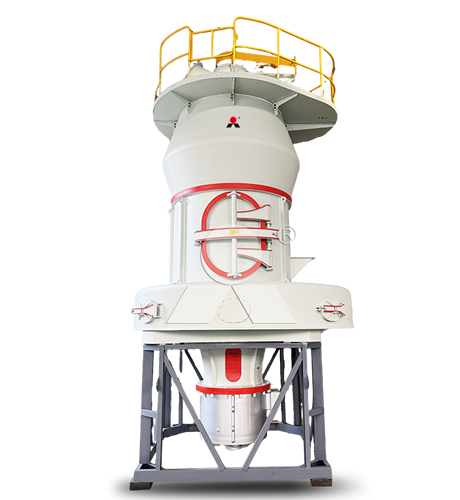
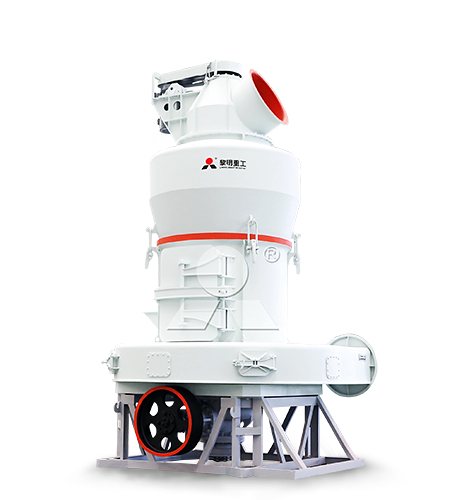
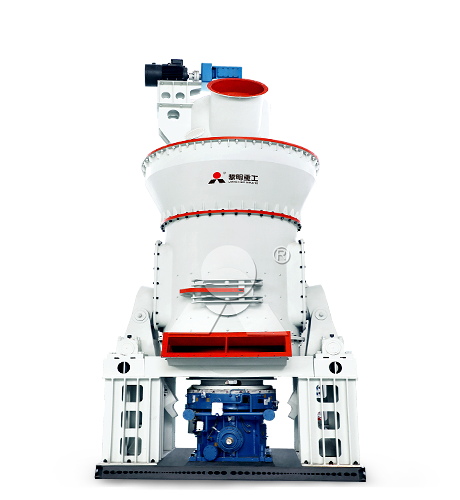
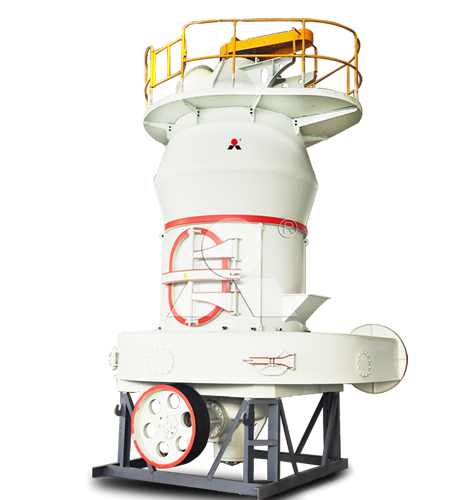
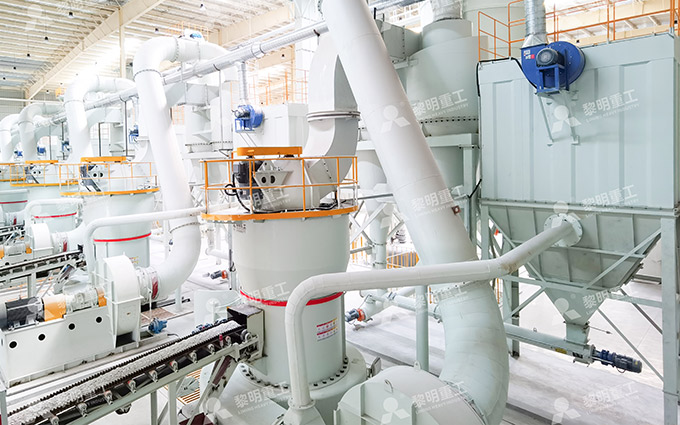
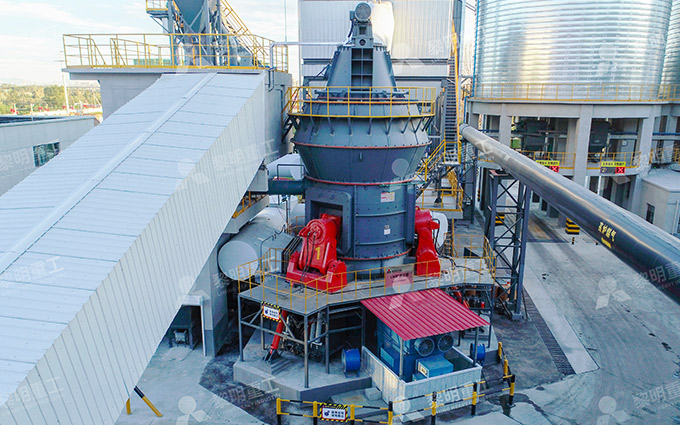
If customers require quicklime powder, budget for cooled-lime feeding, grinding, classification, collection, enclosed conveying and dry storage. Liming Heavy Industry's LM Series Vertical Mill can be assessed for the grinding stage; its model and supporting equipment should be selected against actual quicklime samples, required fineness and throughput. A mill-only quotation does not represent the cost of a working powder line.
Likewise, hydrated lime needs controlled water dosing and hydration equipment, with product finishing and storage suited to the resulting powder. It should not be costed as a minor adjustment to a quicklime mill.
Compare operating cost alongside investment
Fuel, electricity, wear parts, refractory, maintenance labor and material losses continue after construction is complete. Heat recovery through a kiln preheater or product cooler may change fuel demand; a better-matched crushing circuit may reduce fines that cannot enter the kiln. These trade-offs can justify different initial investments, but only when quotations use the same assumptions for raw material, product quality, capacity and operating schedule.
Before requesting a project estimate, prepare limestone analyses and size-distribution data, the target lime specification, required annual output, available fuels and utilities, site layout, emissions requirements and intended delivery method. Ask bidders to state exclusions and provide separate figures for equipment, installation and site-dependent works. Without those boundaries, a single “cost per tonne of plant capacity” is not a dependable project budget.