Lime Production Line
Quicklime Storage and Handling: Cooling, Conveying and Moisture Control
2026-09-28 15:25:06
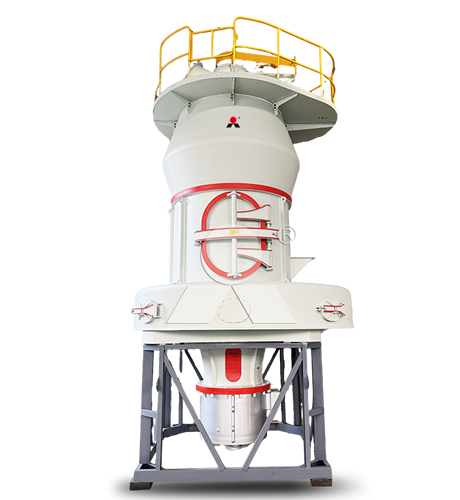
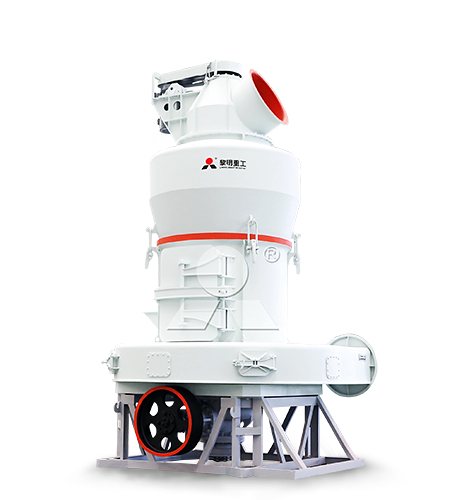
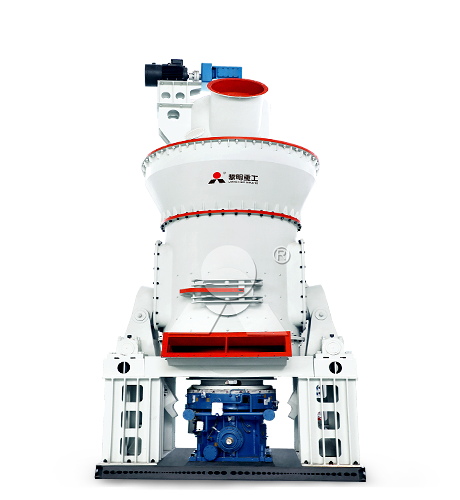
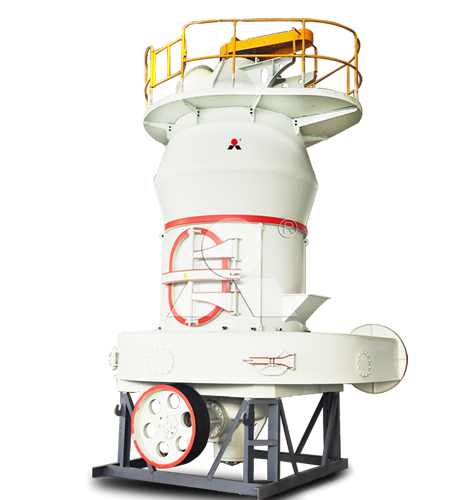
We are Liming Heavy Industry, a manufacturer of various types of industrial crushers, such as Raymond Mill, Trapezoidal Mill, Vertical Mill, Ultrafine Mill, Ball Mill, etc.
Our mills can process the following minerals:
limestone, quicklime, kaolin, talc, barite, bentonite, calcium carbonate, dolomite, coal, gypsum, clay, carbon black, slag, cement raw materials, cement clinker, etc.
If you need a mill to process stone or minerals into powder, please feel free to contact me (WhatsApp: +8615333807511). Thank you.
Quicklime handling begins before the product reaches a silo. Hot material must be cooled for the next piece of equipment, conveyed with dust contained, and kept away from unintended moisture through storage and dispatch. These requirements protect both product quality and workers: quicklime reacts with water, releasing substantial heat, while airborne dust can damage eyes and irritate the respiratory system.
Confirm the condition at cooler discharge
Quicklime leaves the kiln's calcining zone hot and is cooled by contact with air. Depending on the kiln design, warmed cooling air can be reused in the process. The discharge temperature should be checked against the limits of the proposed conveyors, screens, seals and storage equipment. Do not rely on a silo to finish cooling lime that is too hot for its inlet or internal components.
Measure the size distribution at the same point. Lump quicklime, fines and any material headed for later grinding place different demands on transfer equipment and dust collection. Separating saleable sizes after cooling can also keep unnecessary fines out of a lump-lime shipment.
Choose conveying around the product form
For lump lime, the handling route should minimize drops and abrasion that create additional fines. For quicklime powder, enclosed conveying and collection at transfer points become especially important. The right mechanical or pneumatic arrangement depends on particle size, distance, layout, temperature and required throughput; specify those conditions before comparing conveyors. Crushers, screens and product-transfer operations are all potential dust sources in a lime plant.
Every enclosure still needs an inspection and maintenance plan. Check transfer chutes, joints, covers and filter connections for dust leaks and paths where rainwater or humid air could enter. Keeping a line enclosed is useful only if its openings and operating procedures preserve that protection during normal use.
Design storage to stay dry
Quicklime should be stored in a dry, protected system, away from water and incompatible materials. Moisture exposure can convert some quicklime to hydrated lime, release heat, cause caking and change how the material flows. A purpose-designed silo or bin needs suitable inlet and outlet arrangements, protection against water ingress, and a filtered route for the air displaced during filling. It must also accommodate the actual product's flow behavior rather than assuming lump lime and fine powder discharge alike.
Rain protection should extend beyond the silo shell. Roof penetrations, access covers, filling connections, discharge gates and truck-loading interfaces can all compromise a dry storage plan if they are left exposed or poorly maintained. Check these points during routine inspections, especially after rain or maintenance work.
Control dust without adding water
At quicklime transfer and loading points, use containment and suitable local exhaust ventilation to limit airborne dust. Do not treat water spraying as an ordinary quicklime dust-control method: water reacts with the product and generates heat. Workers need handling procedures and protection appropriate to the product safety data sheet, particularly for eye, skin and inhalation exposure. For a spill, use the specified dry cleanup procedure rather than washing bulk material away.
Specify the full handling route
A useful equipment inquiry includes kiln and cooler discharge rates, the measured product temperature, lump and fines size distribution, planned storage time, whether any quicklime will be ground, and how customers will receive it. If powder production is planned, place the grinding circuit after suitable cooling and include its enclosed transfer and powder-storage needs in the same layout. The handling system is successful when quicklime leaves the plant in the size, dry condition and quality established at production—not merely when it reaches a silo.