Mineral Grinding for Paints & Coatings
Talc Powder Processing for Paints and Coatings
2026-10-23 13:30:34
A talc powder can meet a paint manufacturer's fineness requirement and still perform poorly in the coating. The reason is that talc contributes more than particle size: its plate-like structure, mineral purity, surface characteristics, and dispersion behavior all influence the result. A successful processing line must produce a consistent powder while retaining the characteristics that make the selected talc useful.
For producers supplying decorative paints, primers, or protective coatings, the practical objective is not simply to grind talc as finely as possible. It is to match the mineral, grinding conditions, and classification settings to the coating application.
What Makes Talc Different from Other Coating Fillers?
Talc's defining feature is its lamellar, or plate-like, particle structure. When suitably dispersed and oriented in a coating, these particles can reinforce the binder matrix and create a more indirect path for the penetration of water and other substances. Its naturally hydrophobic surface also contributes to its usefulness in protective coating formulations. These effects depend on the talc grade and the complete coating system; they are not a guarantee of corrosion protection on their own.
This makes talc different from a filler selected mainly for bulk, whiteness, or particle packing. Two talc powders with similar median particle sizes may behave differently because their platelet dimensions, mineral composition, and oil absorption are different.
Processing must therefore balance three connected requirements:
Reduce particle size sufficiently for the intended film thickness and surface finish.
Control coarse particles and contamination that could create defects.
Avoid treating maximum grinding intensity as a substitute for the required particle morphology and formulation performance.
Begin with the Application: Three Different Talc Requirements
Protective primers: prioritize barrier performance and consistency
In protective primers, a suitably selected platy talc can contribute to barrier properties and mechanical reinforcement. However, the result also depends on binder chemistry, pigment loading, dispersion, substrate preparation, and film thickness.
For this application, powder approval should include more than whiteness and fineness. Examine particle morphology, coarse residue, mineral composition, and consistency between batches. Validate the grade in the intended primer using the relevant adhesion, water-resistance, and corrosion-testing procedures.
Decorative wall paints: balance appearance with application behavior
For decorative coatings, talc selection often involves balancing surface appearance, application viscosity, and film properties. A grade suitable for a matte wall paint may not be suitable for a smooth coating with higher sheen.
Evaluate the powder through roller or brush application as well as laboratory drawdowns. A formulation that looks acceptable immediately after mixing may reveal differences in leveling, sheen uniformity, or surface texture after drying.
Sandable primers and undercoats: check the entire coating system
Talc's softness can be useful in formulations intended for sanding, but powder fineness alone does not determine sandability. Binder hardness, cure conditions, filler loading, and the other pigments also matter.
Test sanding behavior after the specified drying period, then assess adhesion and appearance after the topcoat is applied. A powder that produces an easily sanded undercoat is not automatically the best choice if it compromises the finished system.
The Ore Determines What the Mill Can Deliver
Natural talc deposits vary. Commercial feed materials may contain associated minerals, and these differences can influence color, abrasion, particle shape, and coating performance. Grinding cannot turn an unsuitable ore into a high-purity coating grade.
Before designing the processing line, establish a raw-material acceptance procedure covering the following items:
Mineral identity and composition
Confirm the talc content and identify associated minerals. Do not rely on appearance or a supplier's general product description alone.
Whiteness and undertone
Assess both powder color and its effect in a representative white or pastel coating. Similar-looking dry powders may produce different paint shades.
Hard and abrasive impurities
Check for minerals that could increase wear or remain as troublesome coarse particles in the finished product.
Moisture and feed consistency
Determine whether drying or feed blending is required to maintain stable operation.
Applicable safety and compliance requirements
Require appropriate testing and documentation for asbestos and other relevant mineral contaminants. Grinding is not a substitute for mineralogical verification or contaminant control.
Representative sampling is essential. Equipment trials should use material that reflects normal supply conditions, including expected variations between deliveries or quarry zones.
Inside a Dry Talc Processing Line
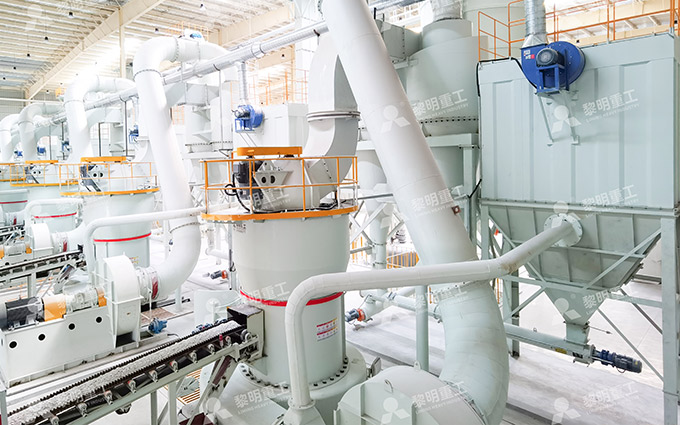
A coating-grade talc line normally connects feed preparation, controlled grinding, air classification, powder collection, and clean storage. The effectiveness of the line depends on how these stages work together rather than on the mill alone.
Feed preparation: make the material predictable
Prepare the feed to the selected mill's size and moisture requirements. Depending on the incoming material, this may involve sorting, crushing, screening, blending, or drying. Remove tramp metal before it reaches the grinding system.
Because talc is soft, feed preparation should not automatically copy the arrangement used for a harder mineral. Unnecessary crushing stages add handling and dust without necessarily improving the final coating powder.
Grinding: control the result, not just the intensity
The grinding stage must reduce particle size while producing the powder characteristics required by the customer. Excessive grinding can change particle shape and increase the fine fraction, potentially altering wetting behavior, oil absorption, and formulation viscosity.
During trials, compare samples taken under different operating conditions. A slightly coarser product with suitable platelet characteristics may perform better in a particular coating than a finer product produced under more aggressive conditions.
Classification: manage the coarse end
The air classifier separates acceptable powder from material that needs further grinding. Feed rate, airflow, classifier settings, and circulating load influence the finished particle-size distribution.
For coating customers, the coarse end deserves particular attention. Oversize mineral particles can affect surface smoothness and become more noticeable in thin films. A median particle-size result alone will not reveal every potential defect.
Collection and storage: protect the finished grade
Use enclosed powder handling and suitable dust collection at transfer points. Keep finished talc dry and protect it from foreign particles and cross-contamination.
If the plant processes darker minerals or multiple talc grades, define cleaning and changeover procedures. Contamination introduced after grinding can undermine otherwise acceptable color and coarse-residue results.
Choosing a Liming Heavy Industry Mill for Talc
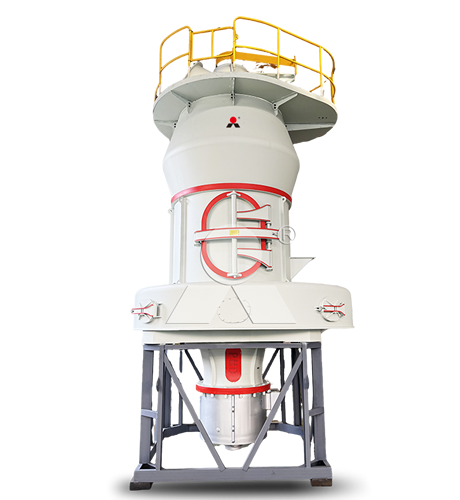
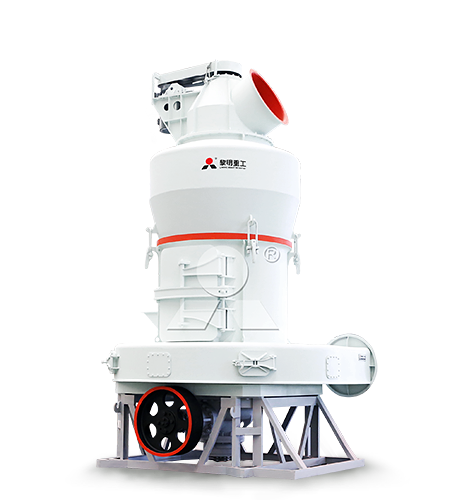
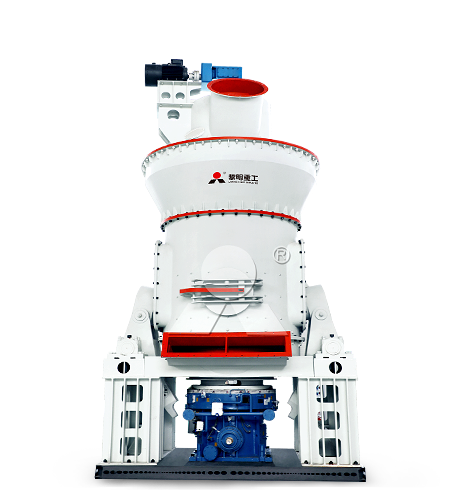
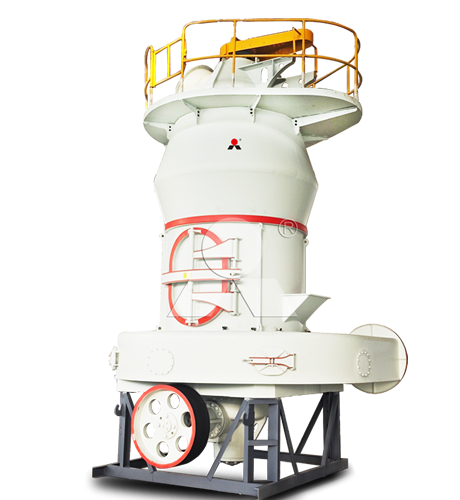
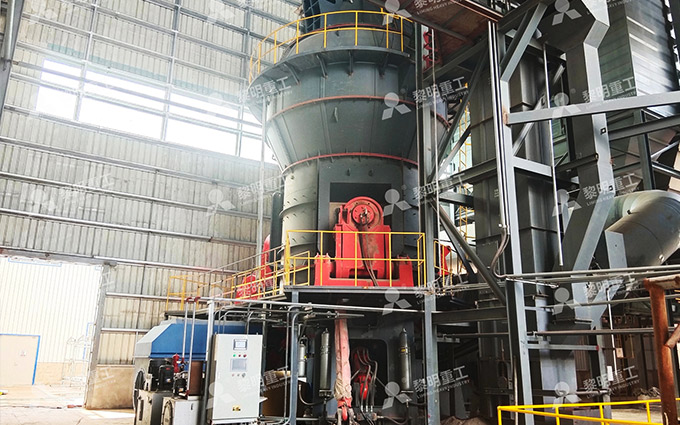
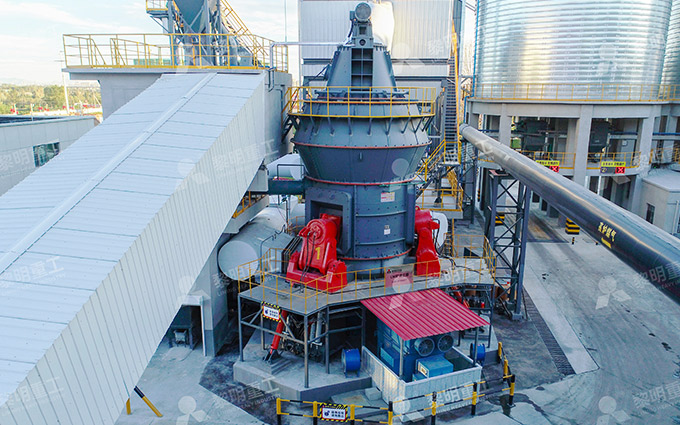
For a fine or ultrafine dry talc project, evaluate the Liming Heavy Industry LUM Ultrafine Vertical Mill or MW Micro Powder Mill against the required product specification. Equipment selection should follow raw-material testing and application requirements—not a nominal mesh description.
Consider the LUM Ultrafine Vertical Mill when assessing an integrated ultrafine grinding and classification arrangement. Confirm the required output, particle-size distribution, and powder characteristics through a representative material trial.
Consider the MW Micro Powder Mill as an alternative fine-powder processing route. Compare the proposed configuration using the same feed material, target fineness, coarse-residue requirement, and operating schedule.
For either option, ask Liming Heavy Industry to define the performance basis clearly. The proposed capacity should refer to saleable talc meeting the agreed specification, rather than total material passing through the grinding circuit.
A useful comparison should include:
Output at the specified median size and coarse-end limit.
Particle morphology and oil absorption of the trial powder.
Power consumption at the agreed operating conditions.
Wear-part requirements based on the actual impurity content.
Access for inspection, maintenance, and cleaning.
Performance during grade changes and normal feed variation.
Build a Specification That Predicts Coating Performance
“Fine white talc” is not an adequate purchasing or production specification. A practical acceptance standard combines measurable powder properties with formulation checks.
| Property | Why it matters | How to use it |
|---|---|---|
| Median particle size | Helps characterize the main particle population | Track consistency using an agreed measurement and dispersion method |
| Coarse-end distribution and residue | Help identify particles that could affect film smoothness | Set limits appropriate to the intended coating and film thickness |
| Particle morphology | Distinguishes powders with different platelet characteristics | Use microscopy or another agreed characterization method where morphology is critical |
| Oil absorption | Provides a comparative indication relevant to binder demand and formulation behavior | Monitor with a consistent test method; confirm the effect in the actual paint |
| Color and moisture | Affect appearance, handling, and batch consistency | Check retained production samples against agreed limits |
| Dispersion and coating tests | Reveal whether the powder works in the intended binder system | Approve through representative mixing, application, drying, and performance tests |
A Practical Warning for Water-Based Paints
Talc's hydrophobic character can be useful in the finished film, but it also means that effective wetting in water-based formulations requires attention. A finer powder is not necessarily easier to incorporate.
If a trial produces floating powder, persistent agglomerates, or unexpectedly high viscosity, investigate the wetting agent, dispersant, addition sequence, and mixing conditions before changing the grinding specification. Distinguish poorly dispersed clusters from genuinely oversize mineral particles: the remedies are different.
Qualify the Powder Before Scaling Up
The most reliable development sequence is to characterize the ore, produce trial powder, test it in representative coatings, and then finalize the line configuration. Retain approved samples so that production batches can be compared with the material used during qualification.
For a new talc processing project, provide Liming Heavy Industry with a representative feed sample, the required production rate, target particle-size distribution, intended coating applications, and any critical morphology or oil-absorption limits. This gives the grinding system a clear task: producing a repeatable coating-grade talc rather than simply achieving a finer powder.